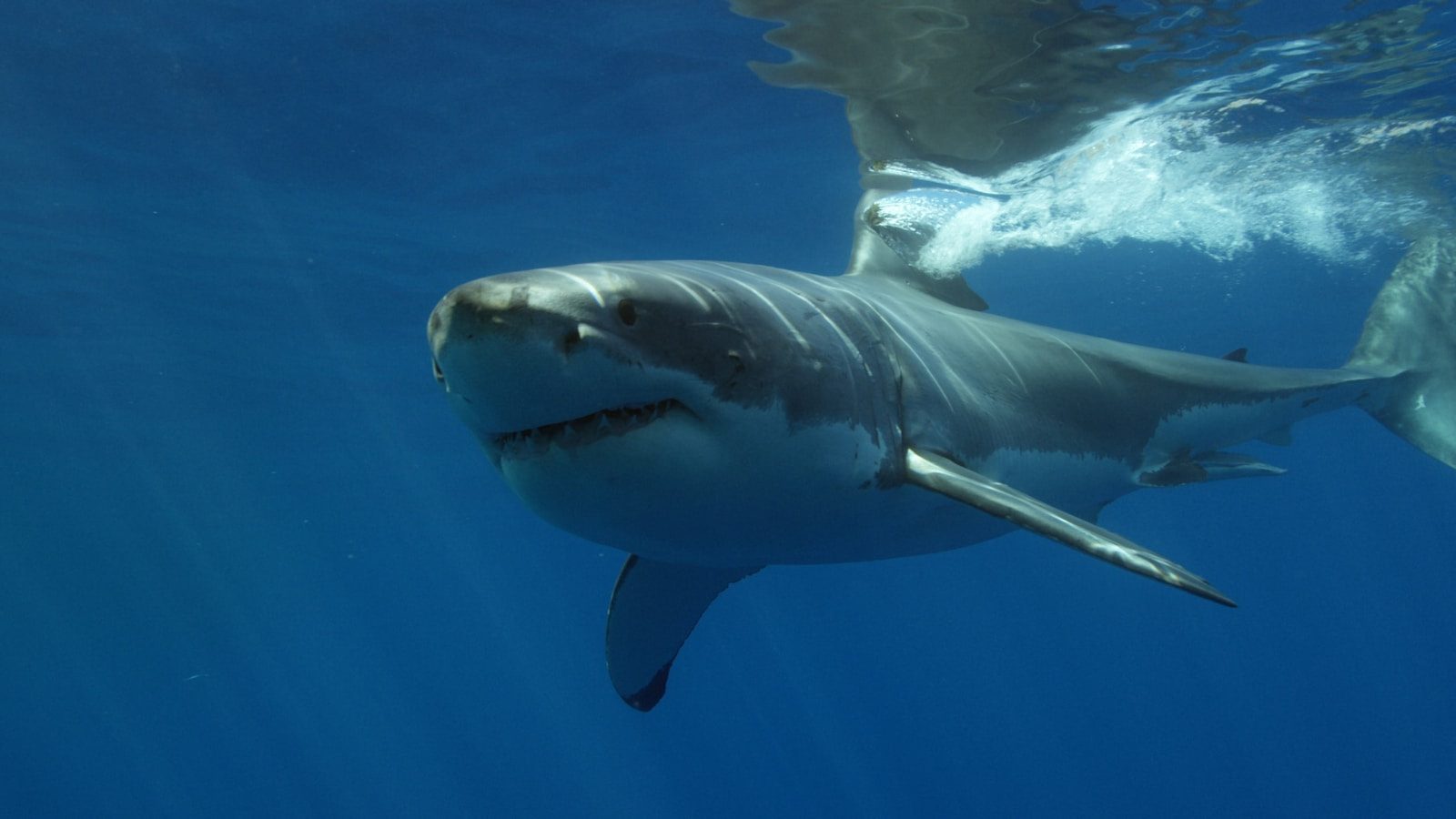
Sharks are already some of the most adaptable predators in the ocean, but certain species push survival to an extreme level that seems almost impossible.
Some can move between salt and freshwater, survive temperature swings, and even thrive in environments that would normally be lethal to most marine life. This raises a fascinating question: how does a shark manage to adapt to water conditions that should technically kill it?
A Predator Built for Extreme Environments

Sharks are not all the same. While many species live strictly in saltwater, others have evolved biological systems that allow them to tolerate dramatic environmental changes.
One of the best-known examples is the bull shark, which can survive in both oceans and freshwater rivers thanks to specialized kidney and gill adaptations that regulate salt balance in its body.
This ability is rare in the animal kingdom and is one reason sharks are considered evolutionary survivors.
The Secret of Osmoregulation

The key to survival lies in a process called osmoregulation, which controls how salt and water move in and out of the shark’s body. Most marine sharks maintain a delicate internal balance using compounds like urea, which helps their bodies stay stable in salty ocean water.
However, species that can move into freshwater adjust this system, actively changing how their kidneys process salt. Without this ability, most sharks would quickly lose balance in freshwater and die.
When Water Becomes a Weapon

In extreme cases, water itself becomes dangerous. Freshwater can disrupt a shark’s internal chemistry, causing cells to swell and organs to malfunction. For most species, this is fatal within a short time.
But adaptable sharks survive by rapidly shifting their physiology. Their bodies essentially “reprogram” how they handle fluids, allowing them to function in environments that would normally shut down vital systems.
How Sharks Hunt in Unusual Waters

Even in unfamiliar environments, sharks remain effective predators. They rely on powerful senses like smell, vibration detection, and electroreception to locate prey, even when visibility is poor or conditions are unstable.
In rivers or estuaries, sharks often hunt in murky water where prey cannot easily detect them. This gives them a surprising advantage despite the environmental stress.
Why Adaptation Comes at a Cost

Surviving in extreme water conditions is not effortless. A shark that moves into freshwater or rapidly changing environments uses more energy to maintain internal balance.
This means it may need to eat more frequently or reduce long-distance movement to conserve energy.Over time, these pressures can limit how long the shark stays in such environments, even if it can survive there temporarily.
Nature’s Edge of Survival

Sharks that adapt to dangerous water conditions highlight one of nature’s most powerful themes: survival through flexibility. While most species are locked into specific habitats, a few sharks can cross boundaries that seem impossible for vertebrates.
This adaptability is not just about strength, it is about biochemical precision, evolution, and timing working together in one of the ocean’s most efficient predators.