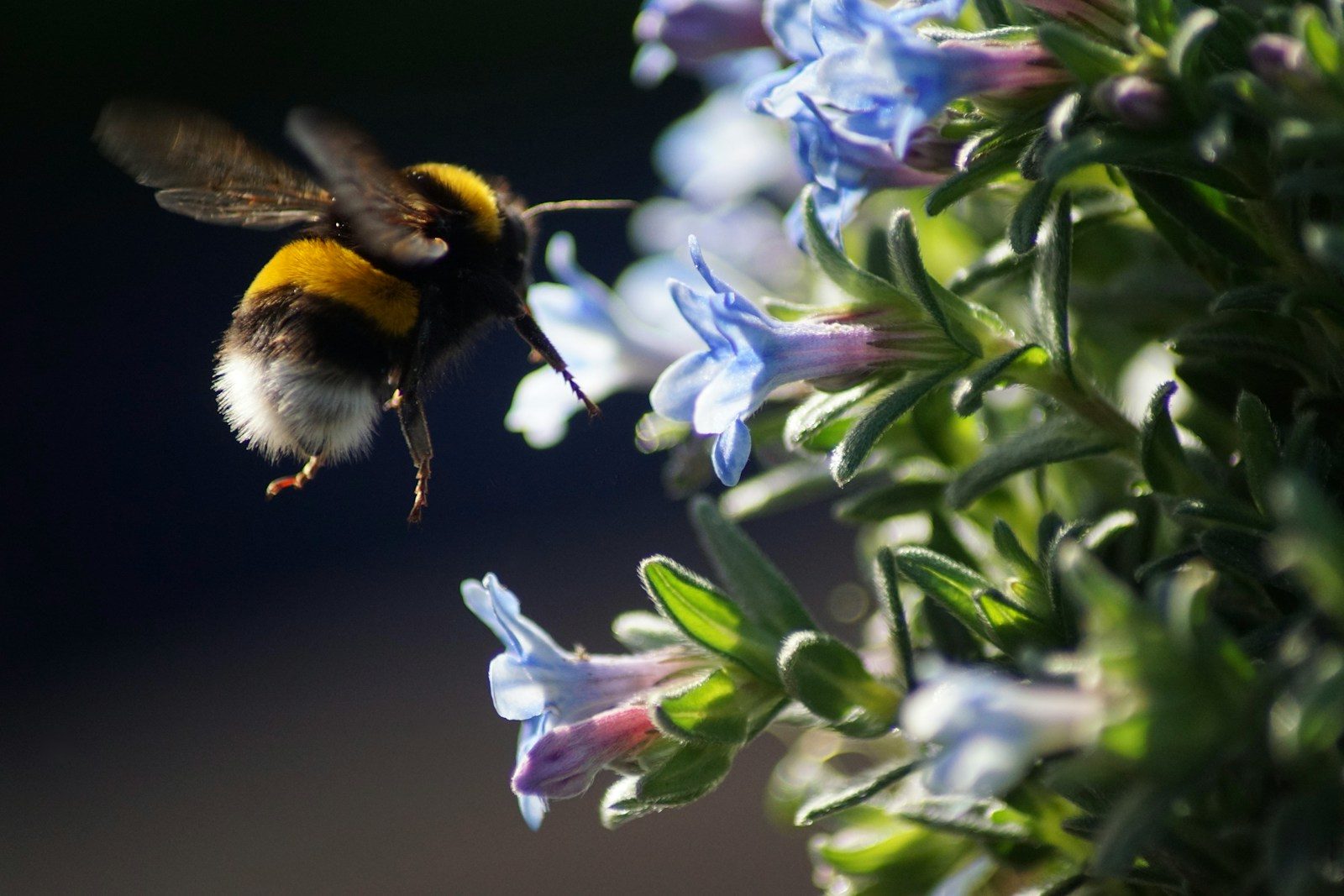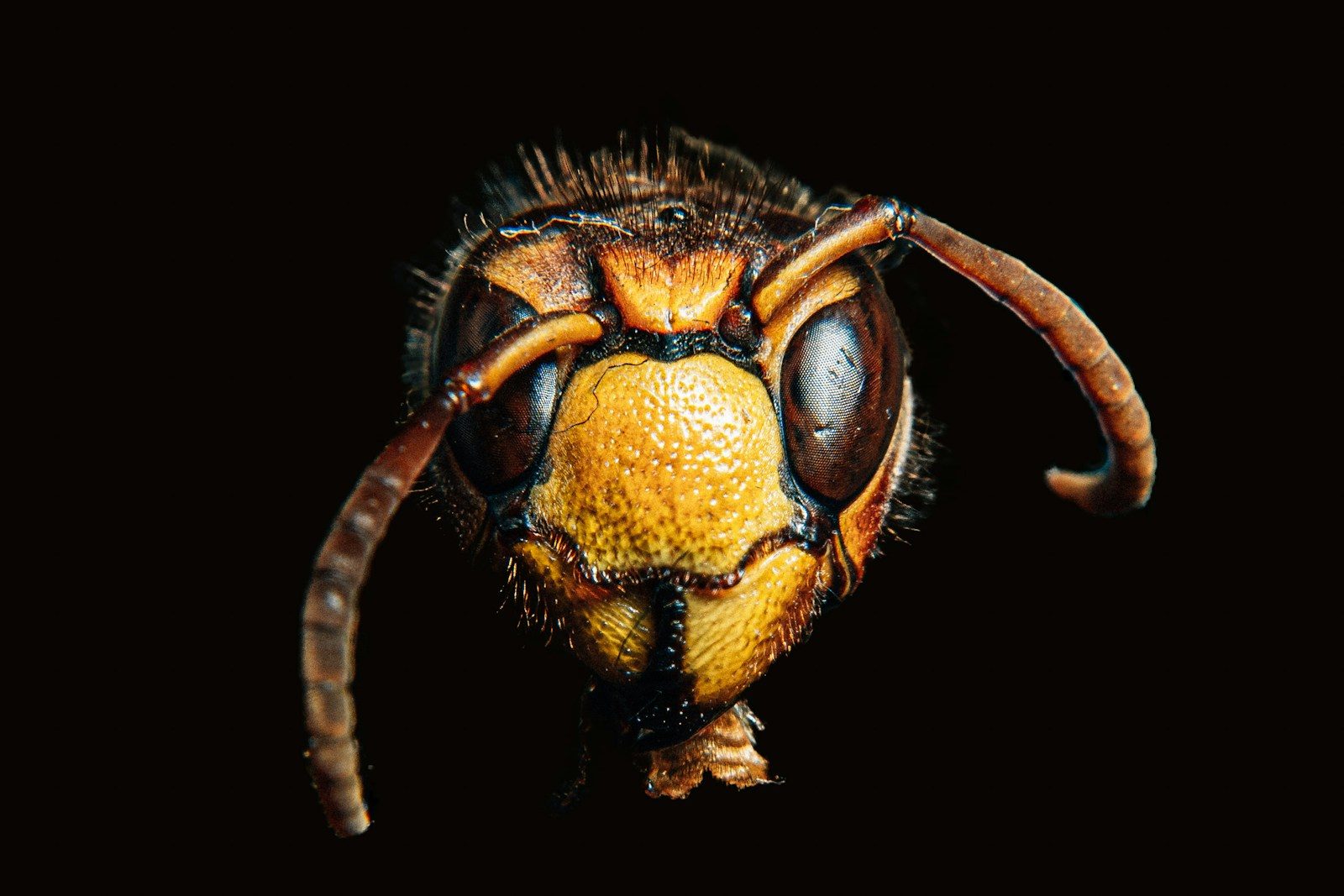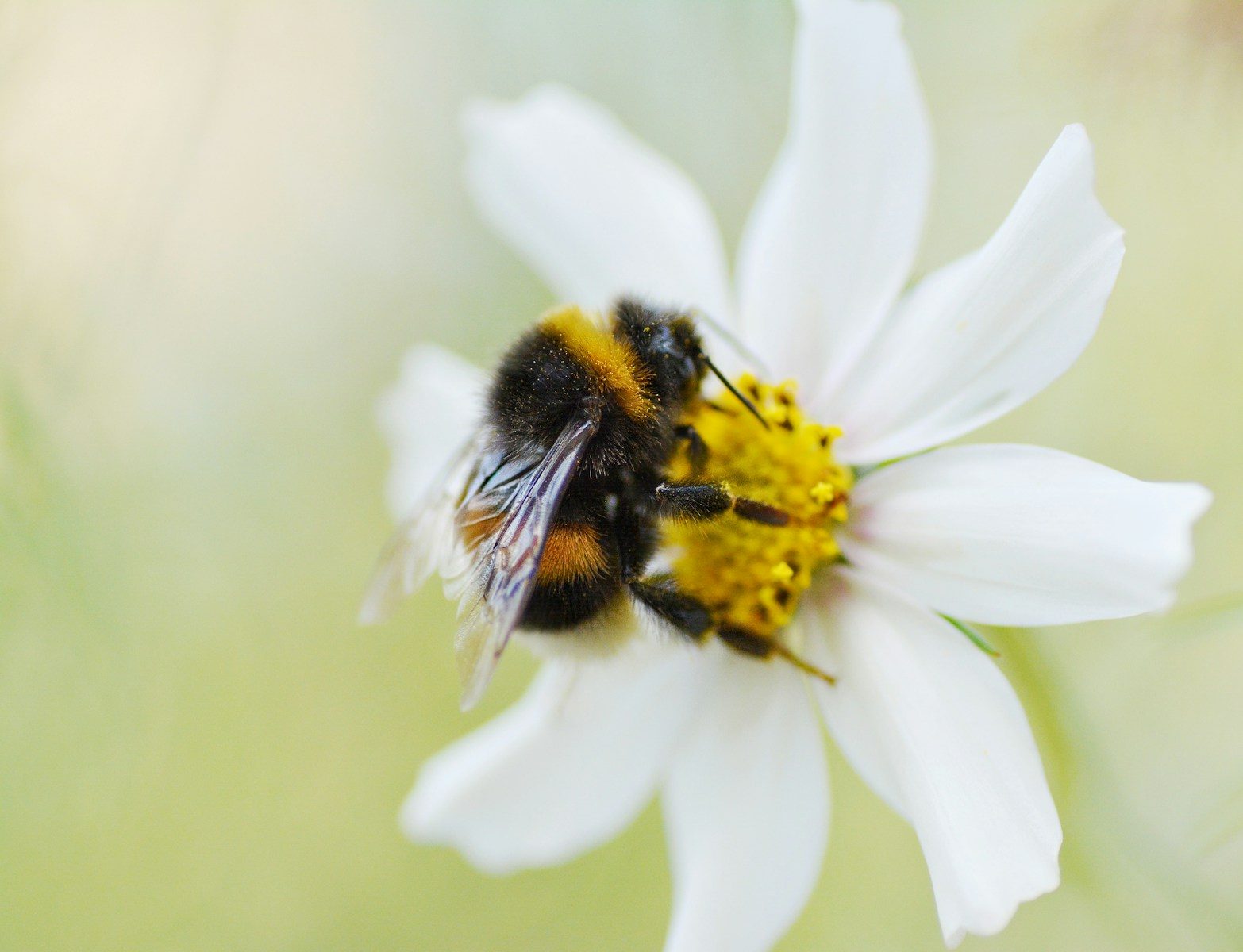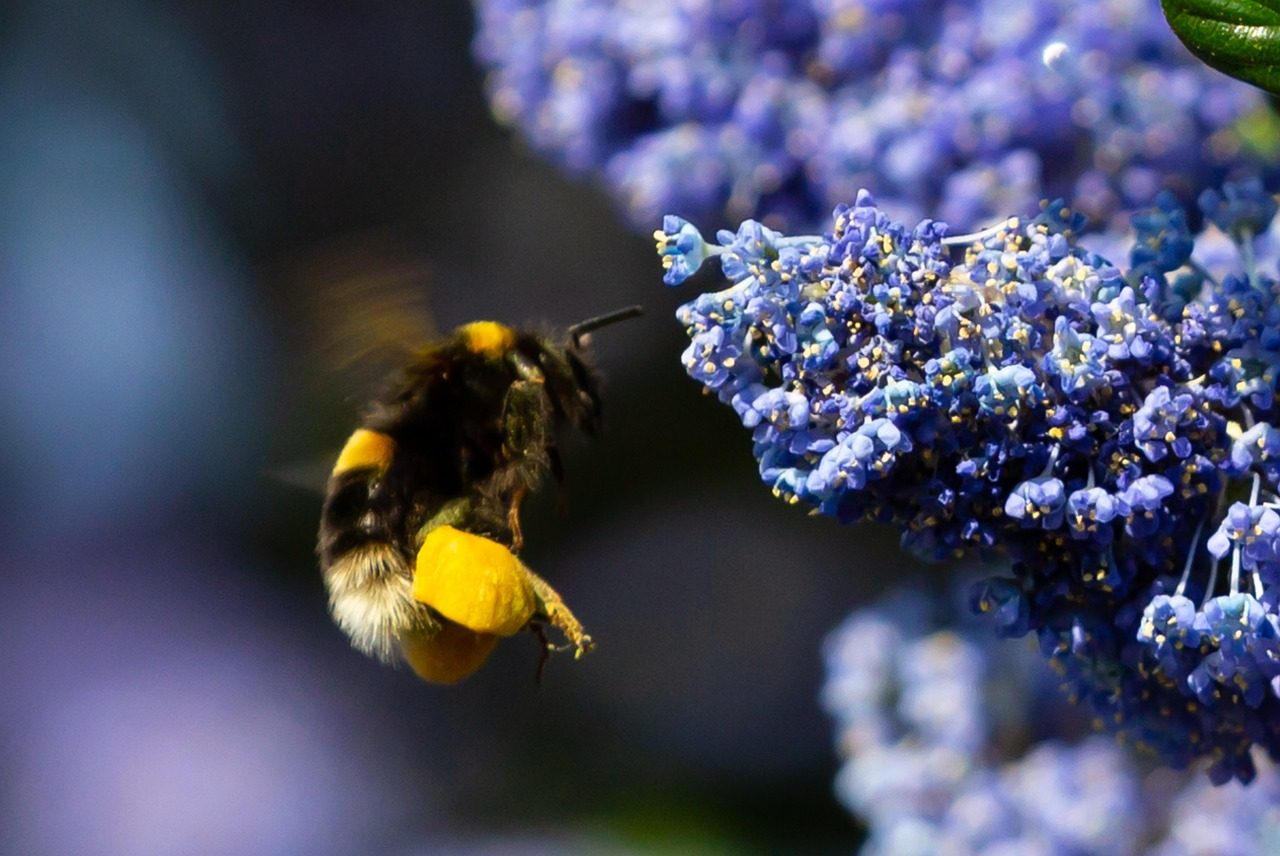
Bees may be small and easy to overlook, but their role in nature is enormous. From wild forests to farm fields, these tiny pollinators quietly support ecosystems, food production, and biodiversity across the globe. Without them, many of the foods and plants we depend on would struggle to survive, and entire ecosystems would begin to collapse.
Nature’s Most Important Pollinators
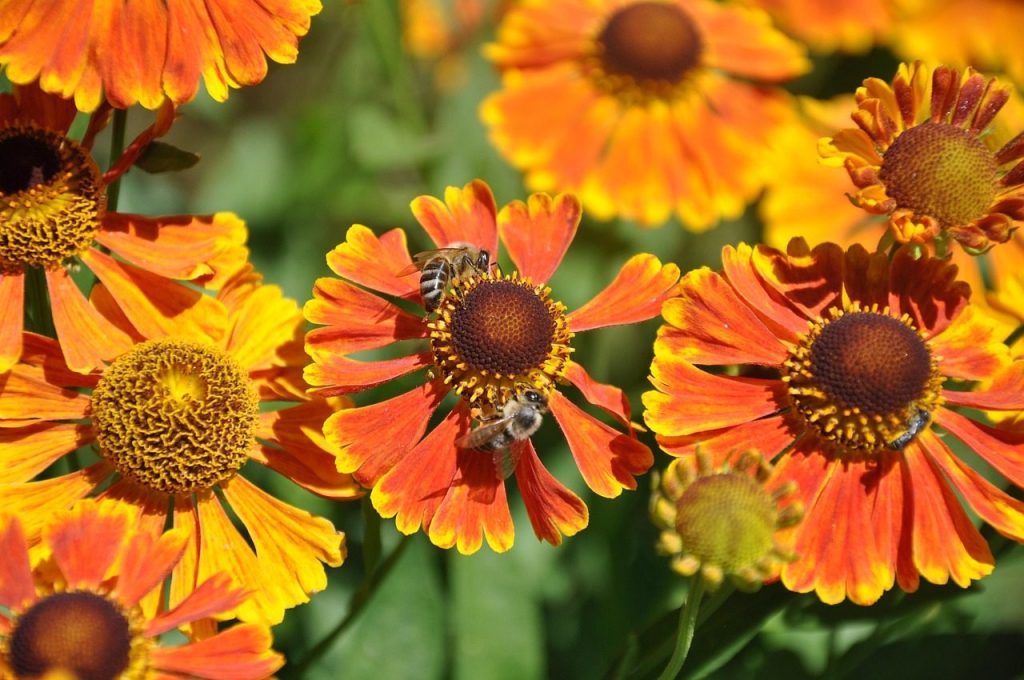
Bees are among the most efficient pollinators on Earth. As they move from flower to flower collecting nectar, they transfer pollen that allows plants to reproduce. This simple process is essential for the growth of fruits, vegetables, nuts, and seeds.
In fact, bees help pollinate a large portion of the crops humans eat every day, including apples, almonds, cucumbers, and berries. Without their work, food production would become far more limited and expensive.
Supporting Global Food Security
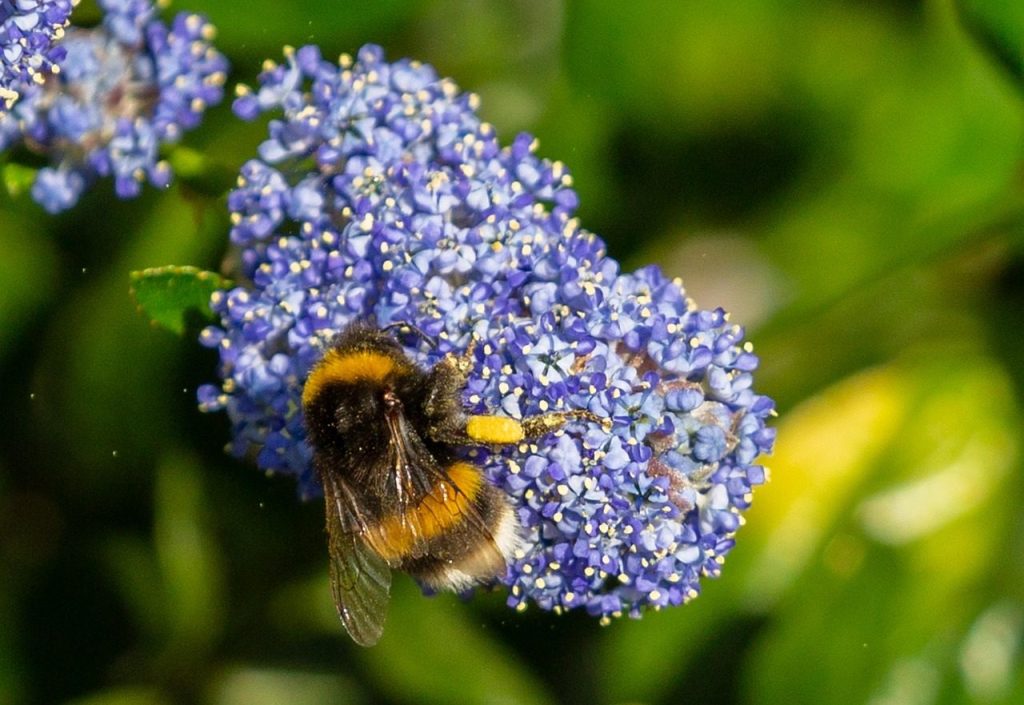
One of the most important roles bees play is in agriculture. Many farms rely on honeybees and wild bees to maintain high crop yields and healthy harvests. Their pollination services contribute to billions of dollars in global food production each year.
A decline in bee populations would not only reduce the variety of available foods but could also impact livestock feed and the wider food supply chain, making bees essential to human survival.
Essential for Healthy Ecosystems
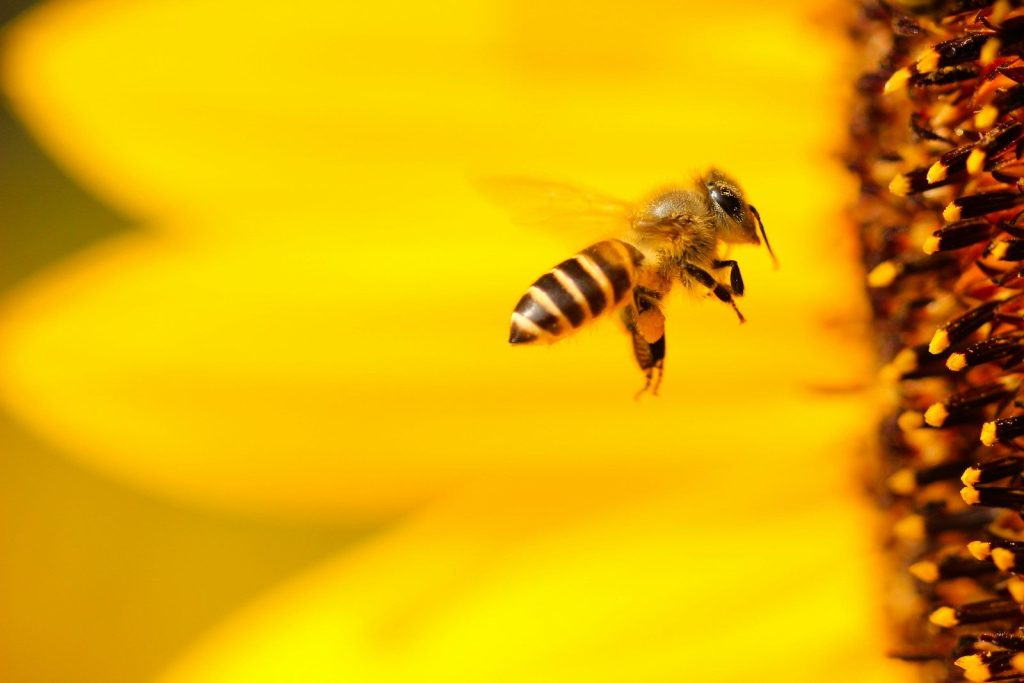
Bees do much more than support agriculture. They are a key part of natural ecosystems. The plants they pollinate provide food and shelter for birds, insects, and mammals, creating a balanced web of life.
When bee populations decline, the effects ripple outward. Fewer plants grow, habitats shrink, and other wildlife species begin to struggle as well. This makes bees a true keystone species in nature.
Wild Bees Matter To
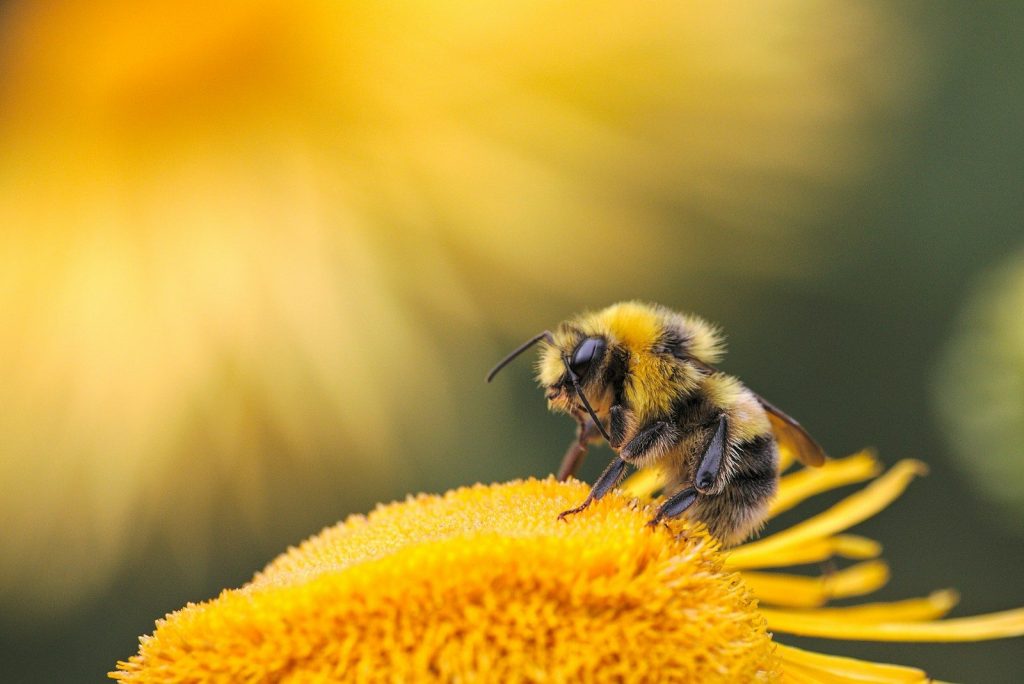
While honeybees often get the most attention, there are thousands of wild bee species that are equally important. These include bumblebees, mason bees, and solitary bees, each adapted to pollinate specific types of plants.
Wild bees often improve pollination efficiency and help maintain biodiversity in natural environments, making them just as valuable as managed honeybee colonies.
Threats Facing Bees Today
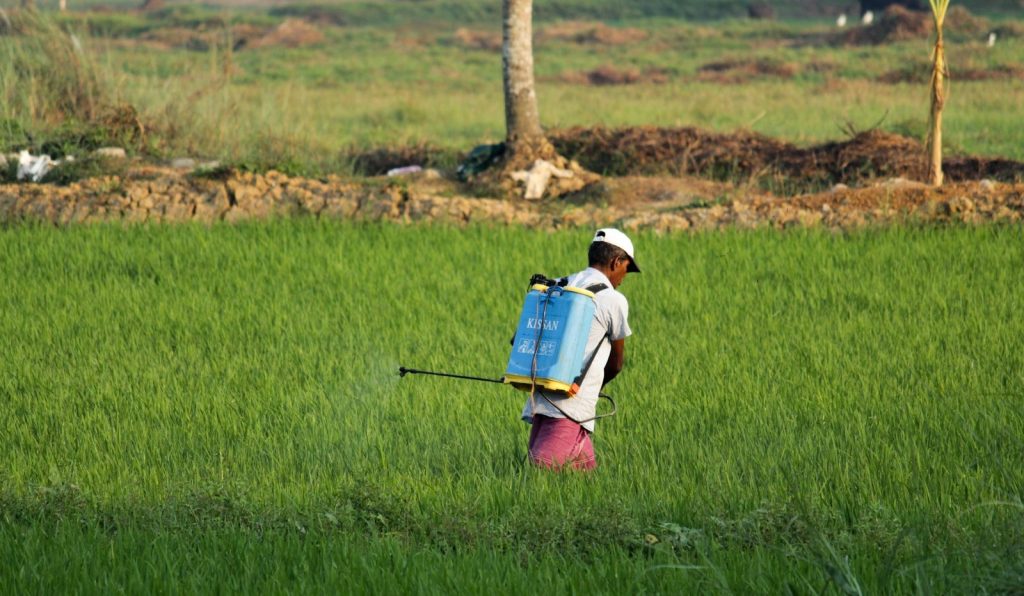
Despite their importance, bees are under serious pressure worldwide. Habitat loss, pesticide use, climate change, disease, and parasites are all contributing to population declines.
These threats weaken colonies and reduce the number of pollinators available in both wild and agricultural environments, raising concern among scientists and farmers alike.
Why Their Decline Matters
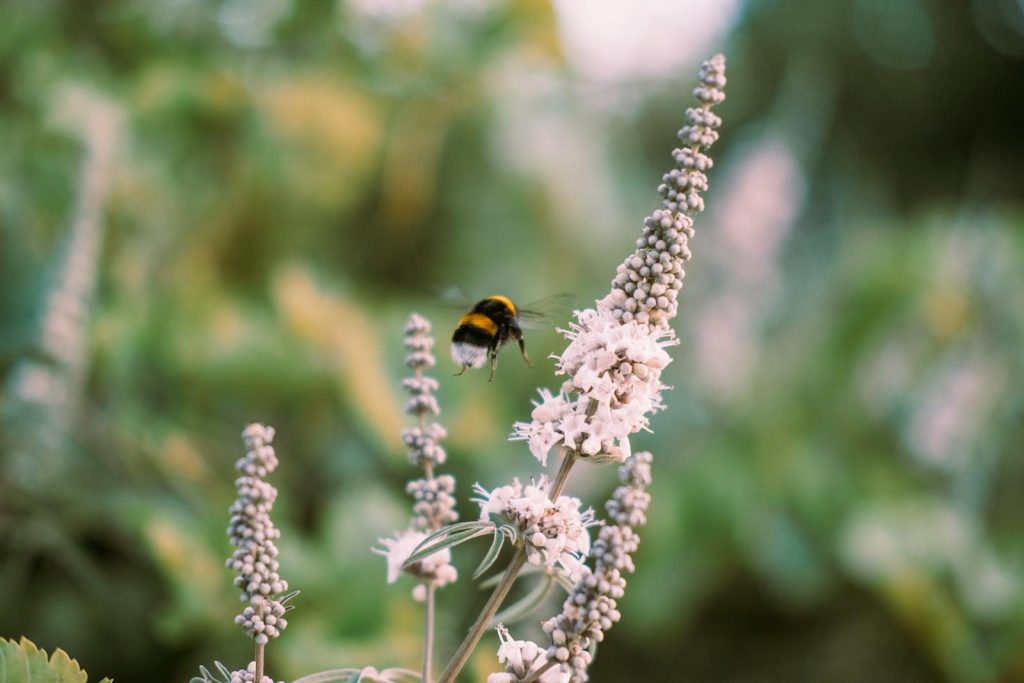
The decline of bees is not just an environmental issue, it is a human one. Fewer bees mean lower crop yields, reduced food variety, and unstable ecosystems. Some studies even suggest that reduced pollination could affect human health by limiting access to nutritious foods.
Protecting bees is directly linked to protecting our own future.
How We Can Help Bees Survive
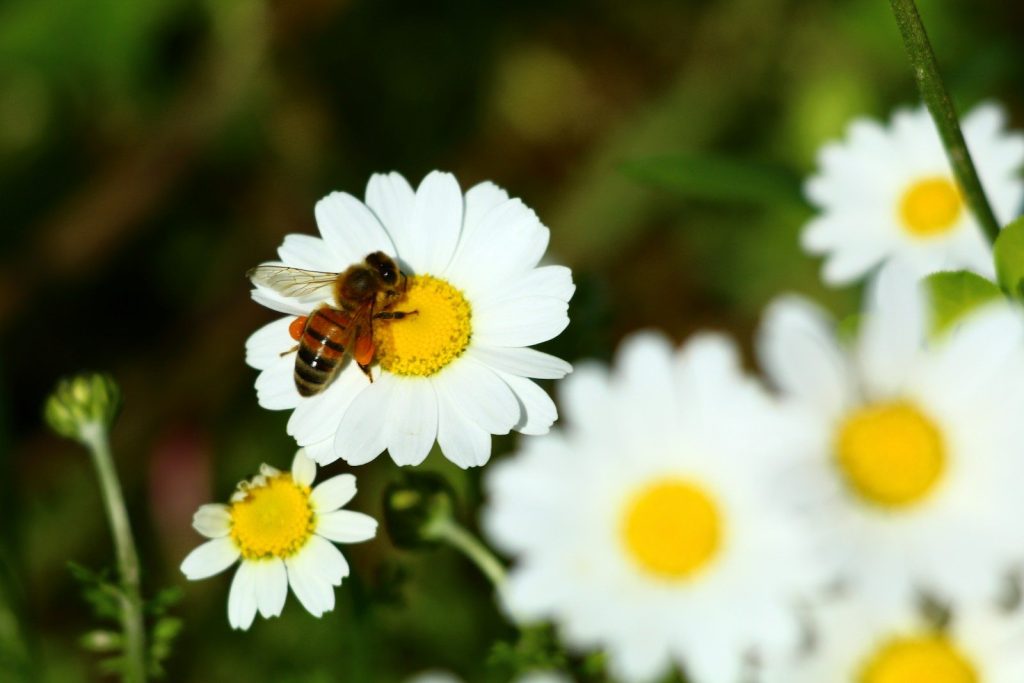
Supporting bees can start with simple actions. Planting wildflowers, reducing pesticide use, and preserving natural habitats all help create safe environments for pollinators. Even small gardens can make a difference when they provide food and shelter for bees.
On a larger scale, conservation programs and sustainable farming practices are essential for long term protection.