When a severely underweight mare arrived at a rescue center with significant health problems, her future appeared uncertain. Weak, malnourished, and suffering from a serious heart murmur, Thelma’s condition raised concerns about whether she would survive long enough to recover.
The challenge became even greater when she gave birth to a filly named Cindy. What began as a heartbreaking welfare case has since transformed into an inspiring story of resilience, expert care, and the powerful bond between a mother and her foal.
Thelma Arrived In Critical Condition
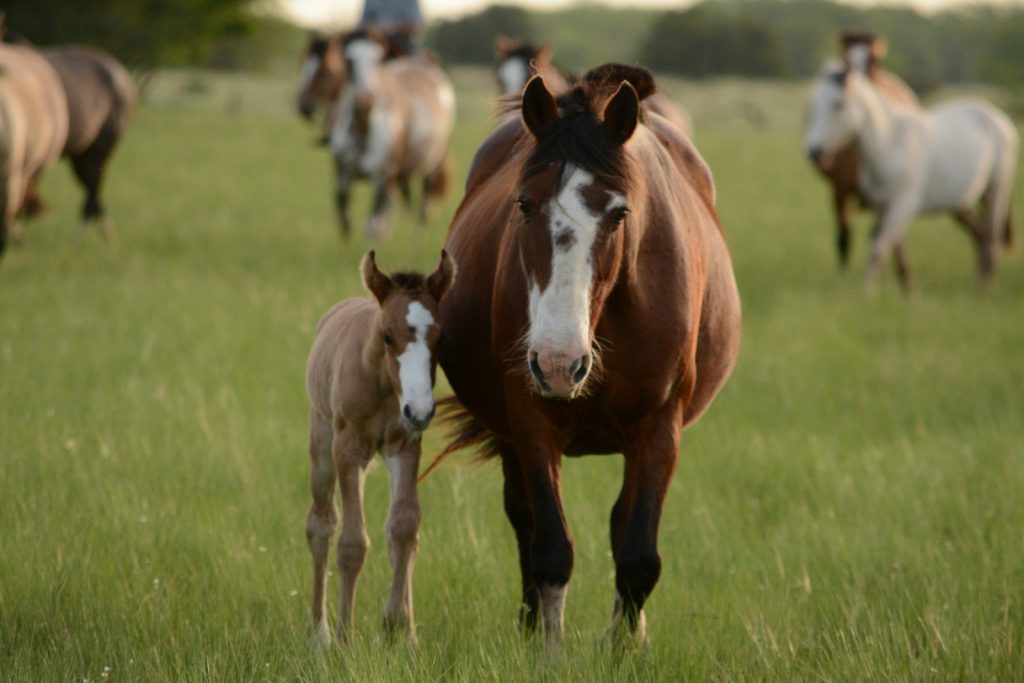
Rescuers discovered Thelma suffering from severe weight loss and health complications that required immediate intervention. Her fragile condition made every aspect of treatment more complicated and increased concerns about her long term survival.
Veterinary teams understood that recovery would take time and careful planning. The mare needed intensive support to improve her condition without creating additional medical risks.
Rehabilitation Required A Careful Approach
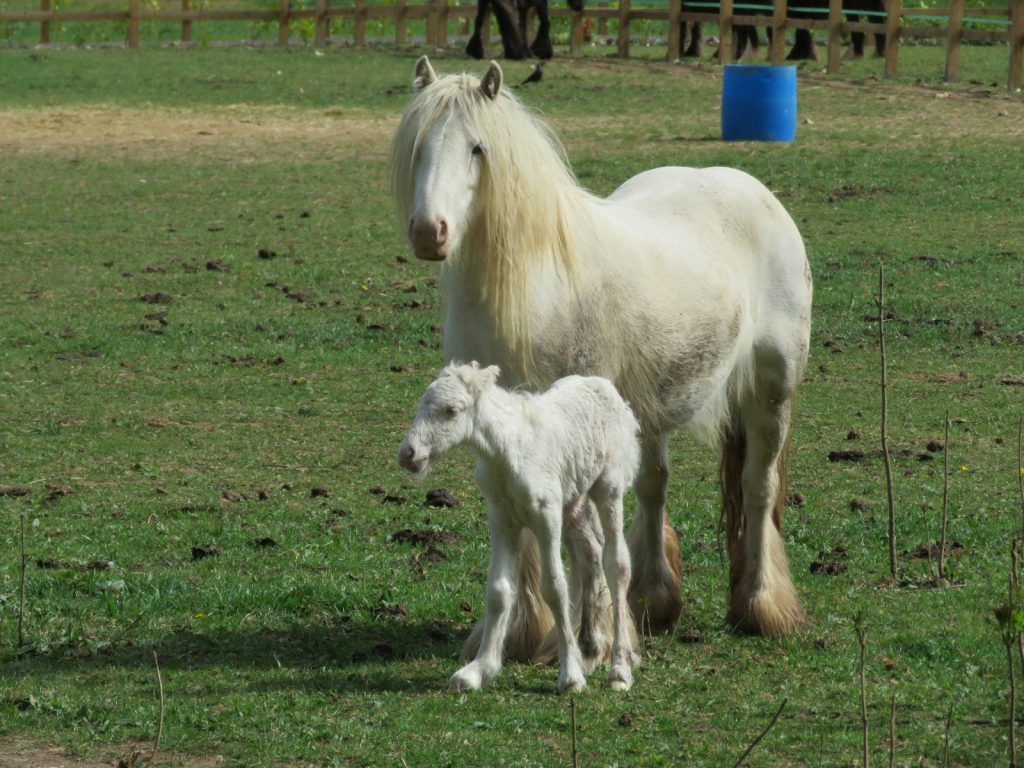
Restoring health to a severely malnourished horse involves much more than simply increasing food intake. Rapid refeeding can lead to serious complications, making controlled nutritional management essential.
Thelma’s recovery plan focused on gradual improvement and close monitoring. Over time, her body condition improved and her overall health began to stabilize.
Early Concerns Focused On The Foal’s Future
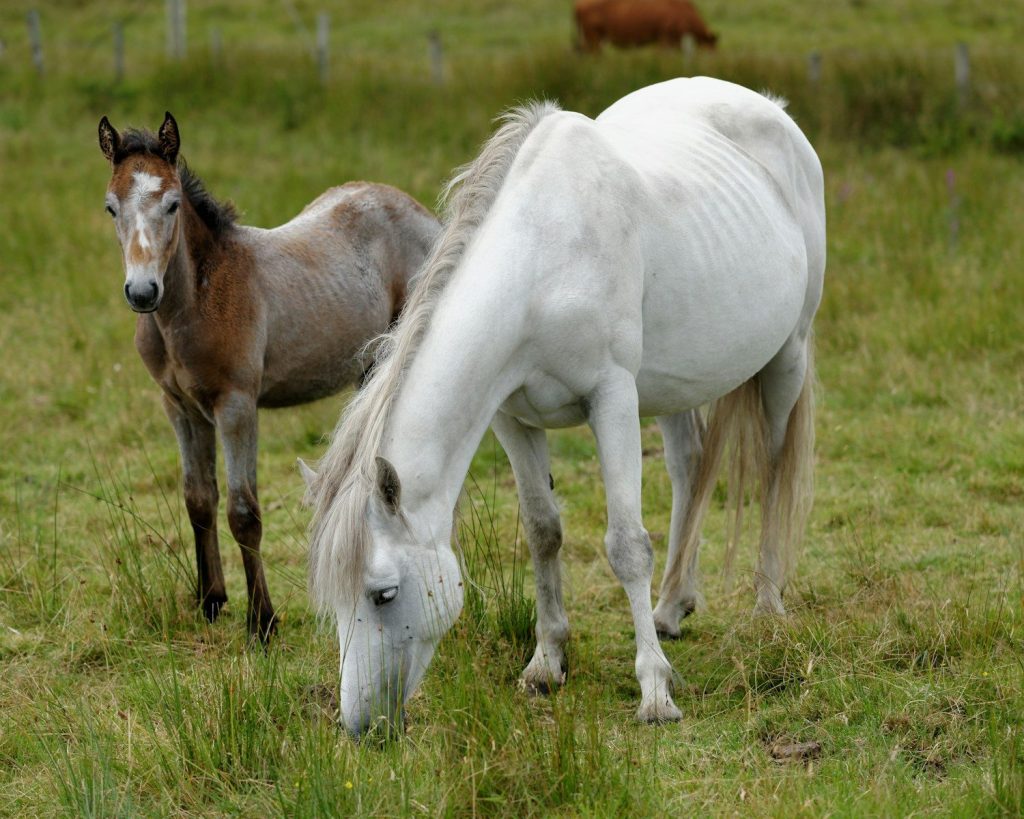
Because Thelma’s condition was so serious, rescue staff prepared for the possibility that Cindy might need to be raised without her mother. Plans were developed to ensure the newborn would receive proper care if circumstances worsened.
Such preparations are common in complex rescue cases where outcomes remain uncertain. Fortunately, those contingency plans never became necessary as Thelma steadily gained strength.
The Bond Between Mother And Foal Continued To Grow
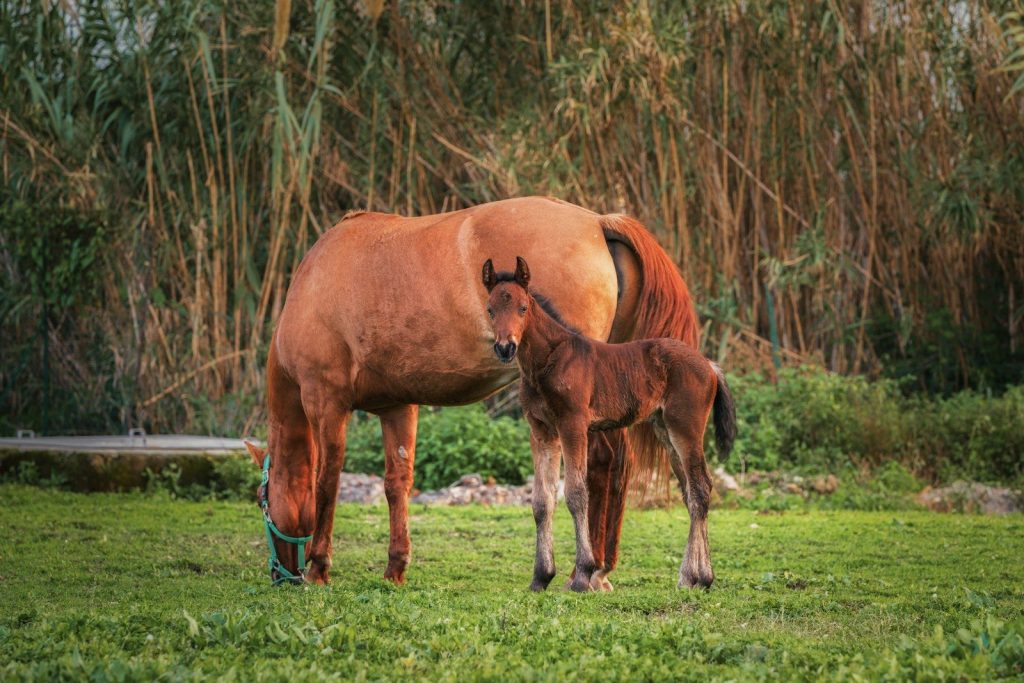
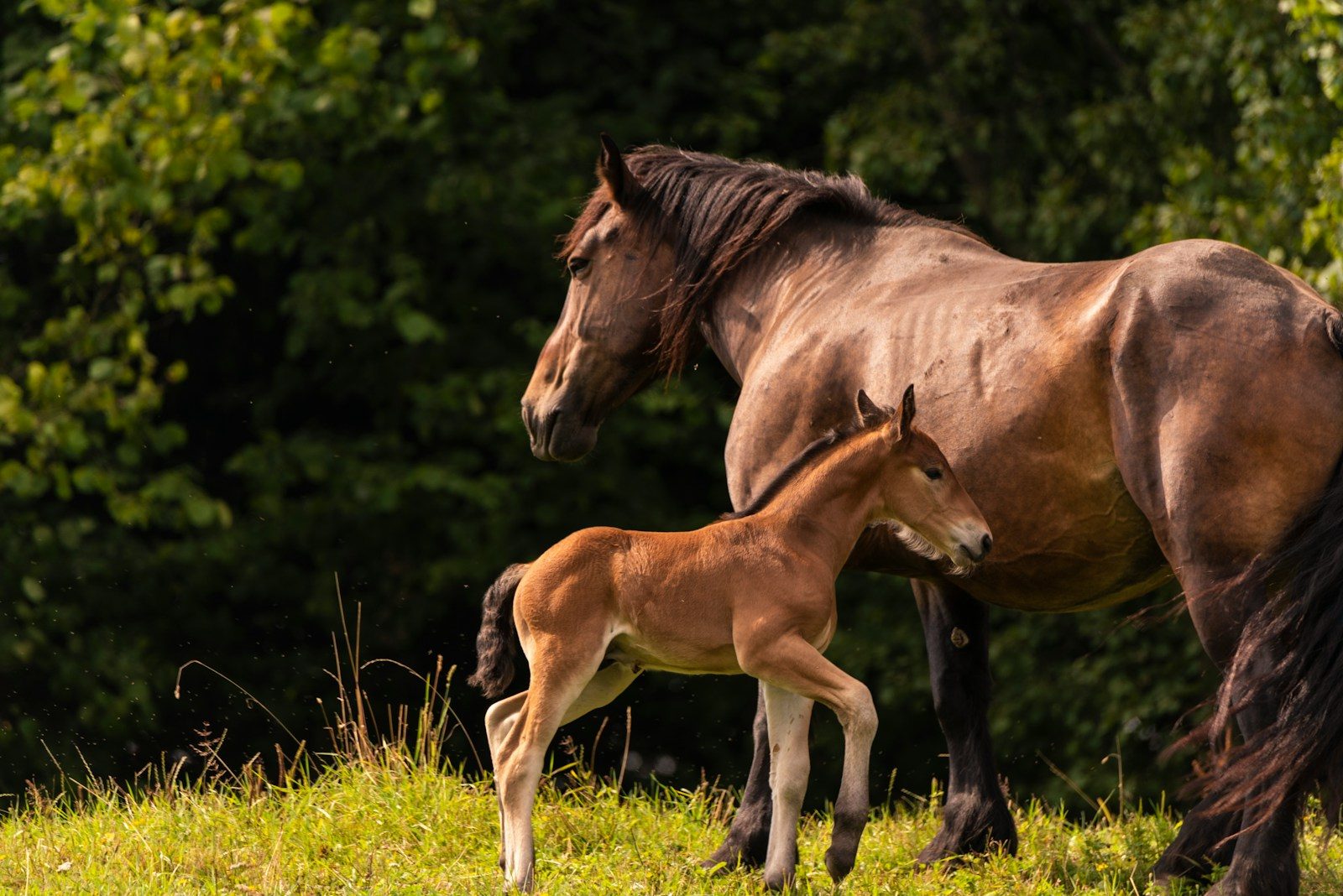
As her health improved, Thelma was able to remain actively involved in caring for Cindy. This allowed the young foal to benefit from the important early development and social learning that comes from staying with her mother.
The relationship between the pair became one of the most encouraging aspects of their recovery journey. Caregivers watched as both animals grew stronger together.
A New Home Marked An Important Milestone
The transfer of Thelma and Cindy to a specialized equine welfare center represented a major step forward in their progress. What had once been a situation defined by uncertainty became an opportunity for continued recovery and stability.
Staff members focused on helping the mare and foal settle into their new surroundings. The move reflected how far they had come since the early days of treatment.