Farming is usually associated with humans, ants, or certain insects. But scientists are now paying attention to a surprising mammal that may be doing something similar beneath the African savanna.
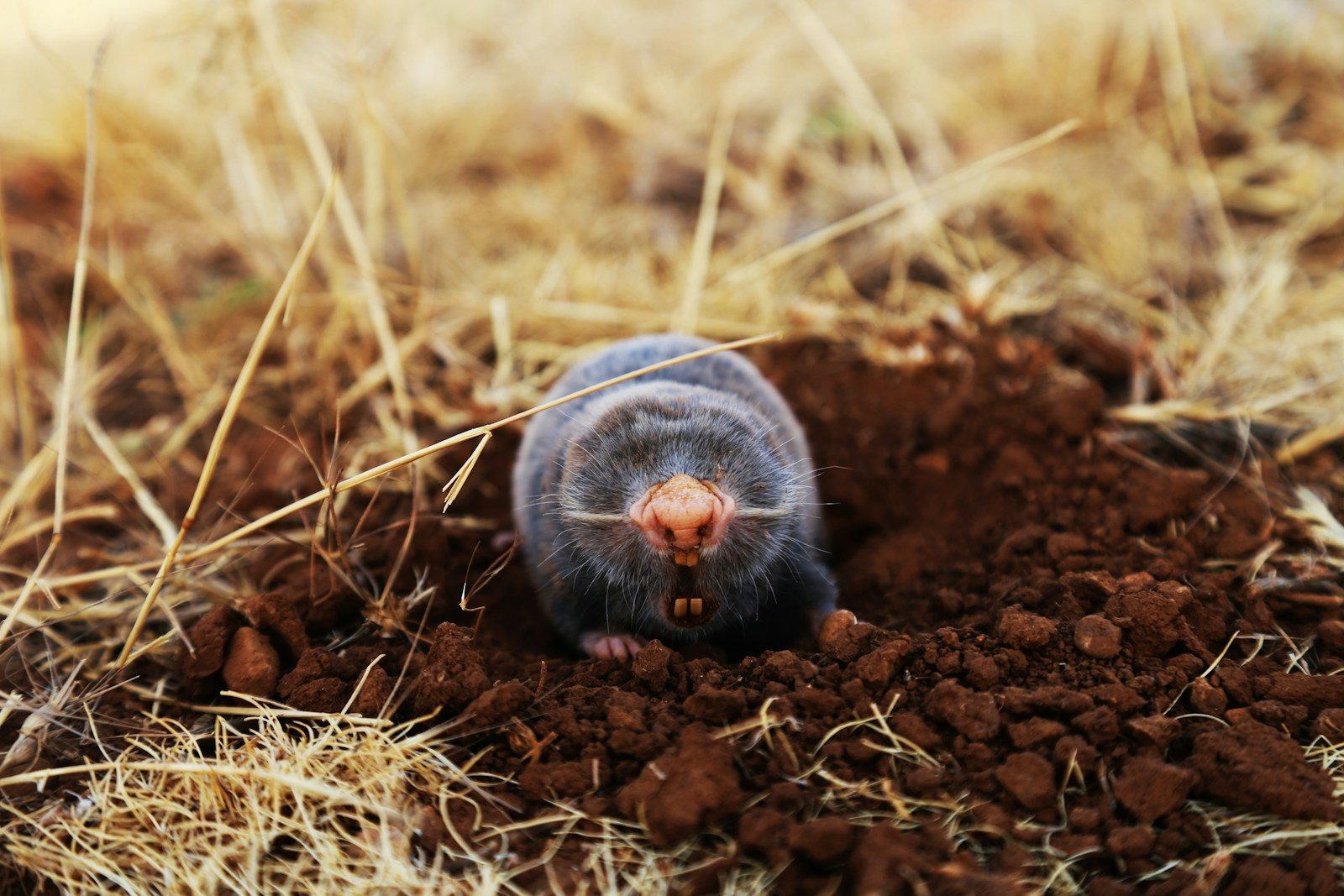
The giant mole-rat lives almost entirely underground in East Africa. Inside its tunnel systems, researchers have observed behavior that looks unusually close to sustainable food harvesting.
A Strange Discovery Beneath the Soil
Giant mole-rats spend most of their lives digging through underground tunnels. These burrows help them move, hide from predators, and search for food without coming to the surface.
Their main food sources include large underground tubers. These nutrient-rich plant structures can provide a steady supply of calories for animals living in dark, difficult conditions.
What surprised researchers is how the mole-rats feed on these tubers. Instead of eating the entire plant structure, they often consume only part of it.
The remaining portion can continue growing underground. This means the food source may regenerate and provide future meals.
An Underground Pantry That Keeps Growing

For an animal that rarely comes above ground, a renewable food source is extremely valuable. Finding new food underground takes time and energy.
Digging through soil is hard work, and every tunnel requires effort. If mole-rats destroyed every tuber they found, they might quickly reduce nearby food supplies.
By feeding selectively, they may create something like a living pantry. The tuber remains in place, continues growing, and can be used again later.
This does not mean the mole-rats are farming in the same way humans do. But their behavior may still support a sustainable food system inside their tunnels.
Why This Strategy Makes Sense
Life underground rewards careful use of resources. Food is hidden, travel is costly, and digging in the wrong direction can waste valuable energy.
A feeding strategy that keeps food sources alive could help mole-rats survive in harsh environments. It may reduce the need to constantly expand their tunnel networks.
This is especially useful when surface conditions are unpredictable. Drought, seasonal changes, and limited plant growth can all affect underground food availability.
Researchers are still studying whether the behavior is intentional or simply a useful result of how mole-rats feed. Either way, the advantage is clear.
Social Colonies Need Reliable Food
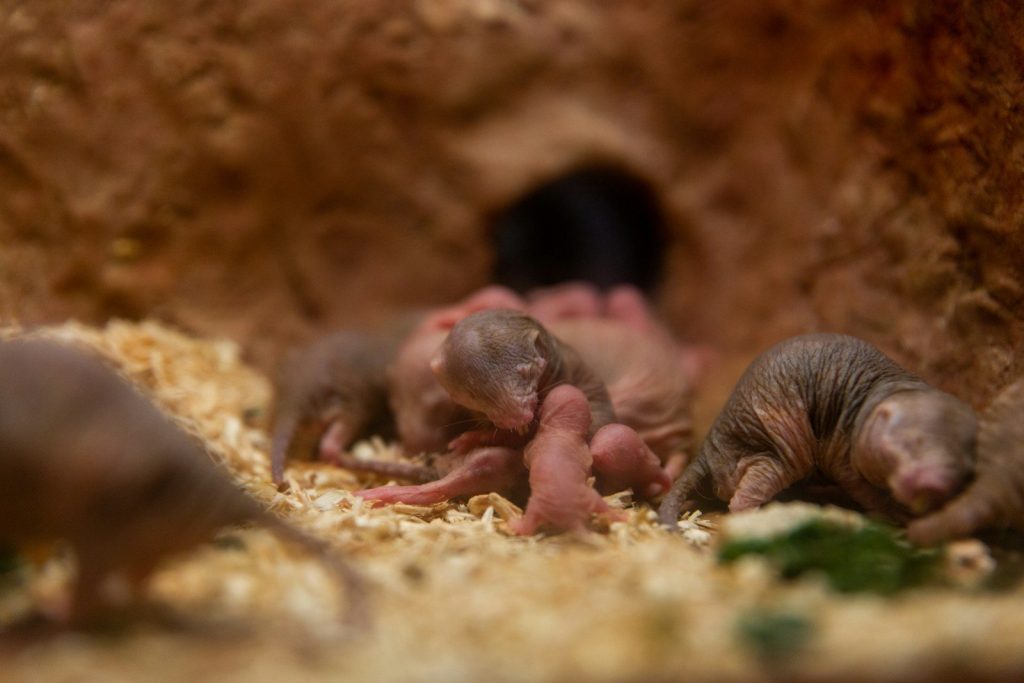
Giant mole-rats are social animals that live in colonies. They cooperate to dig tunnels, locate food, and protect the group.
A colony needs steady nutrition to support many individuals. A tuber that can survive repeated feeding may help provide that stability.
This makes the behavior even more interesting to scientists. It shows how social living and food management may be connected.
For a group of animals living underground, renewable resources can make the difference between survival and struggle.
Is It Really Farming?
Scientists are careful about calling this true farming. Human farmers plant, manage, and harvest crops, while some ants actively cultivate fungi.
Mole-rats do not appear to plant tubers or deliberately manage them in the same way. Instead, they may benefit from the plant’s natural ability to regrow.
Still, the behavior sits in an interesting middle ground. The animals repeatedly use the same food source while leaving it alive.
That makes giant mole-rats one of the closest examples of farming-like behavior known among mammals.
Nature’s Hidden Innovations
The giant mole-rat shows that some of nature’s most surprising behaviors happen out of sight. Beneath the soil, these animals have developed a strategy that helps them survive in a challenging world.
Whether scientists ultimately call it farming or something else, the behavior reveals an impressive form of adaptation.
It also challenges the idea that farming-like behavior is limited to humans or insects. Animals often solve survival problems in ways that are more complex than they first appear.
The giant mole-rat may not plant crops, but its underground feeding habits suggest nature has many versions of sustainable living.