Massive vines covering forests, giant snakes dominating wetlands, and fast-breeding animals overwhelming native wildlife may sound fictional, but these environmental problems are already unfolding across parts of the United States and beyond.
Scientists warn that invasive species are transforming ecosystems at an alarming pace, often causing damage that becomes difficult or impossible to reverse once the species are fully established.
What Makes a Species Invasive
An invasive species is a plant, animal, or organism introduced into an environment where it does not naturally belong. Once established, some invasive species spread rapidly because they lack natural predators in their new habitat.
Without ecological controls, their populations can grow aggressively and begin outcompeting native wildlife for food, territory, and resources.
Human activity has played a major role in transporting these species around the world through trade, travel, agriculture, and the exotic pet industry.
Burmese Pythons Have Transformed the Everglades
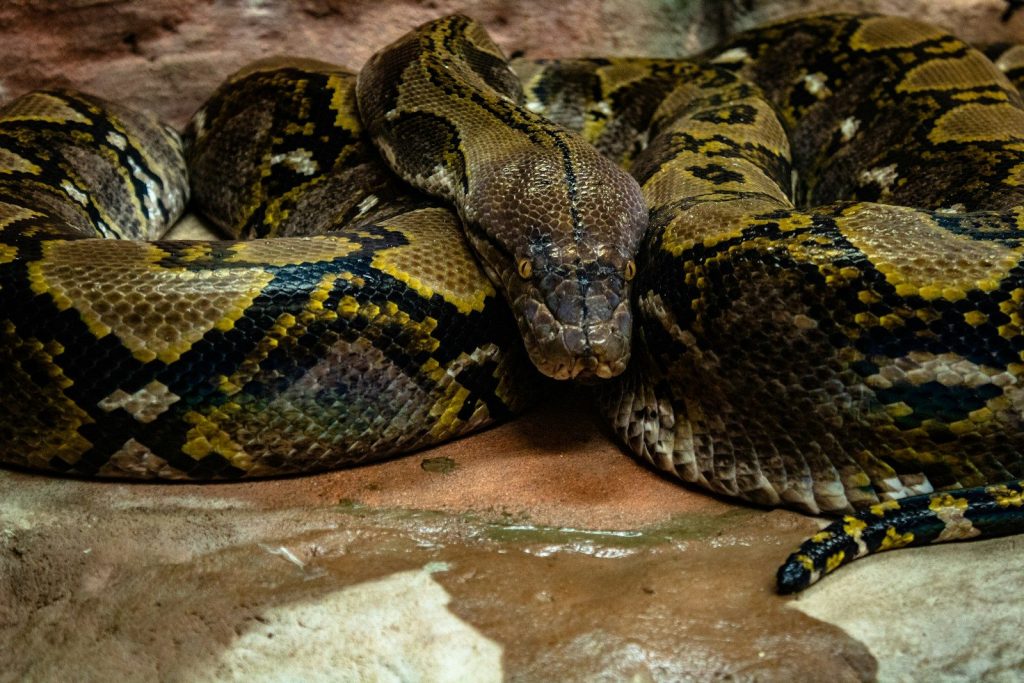
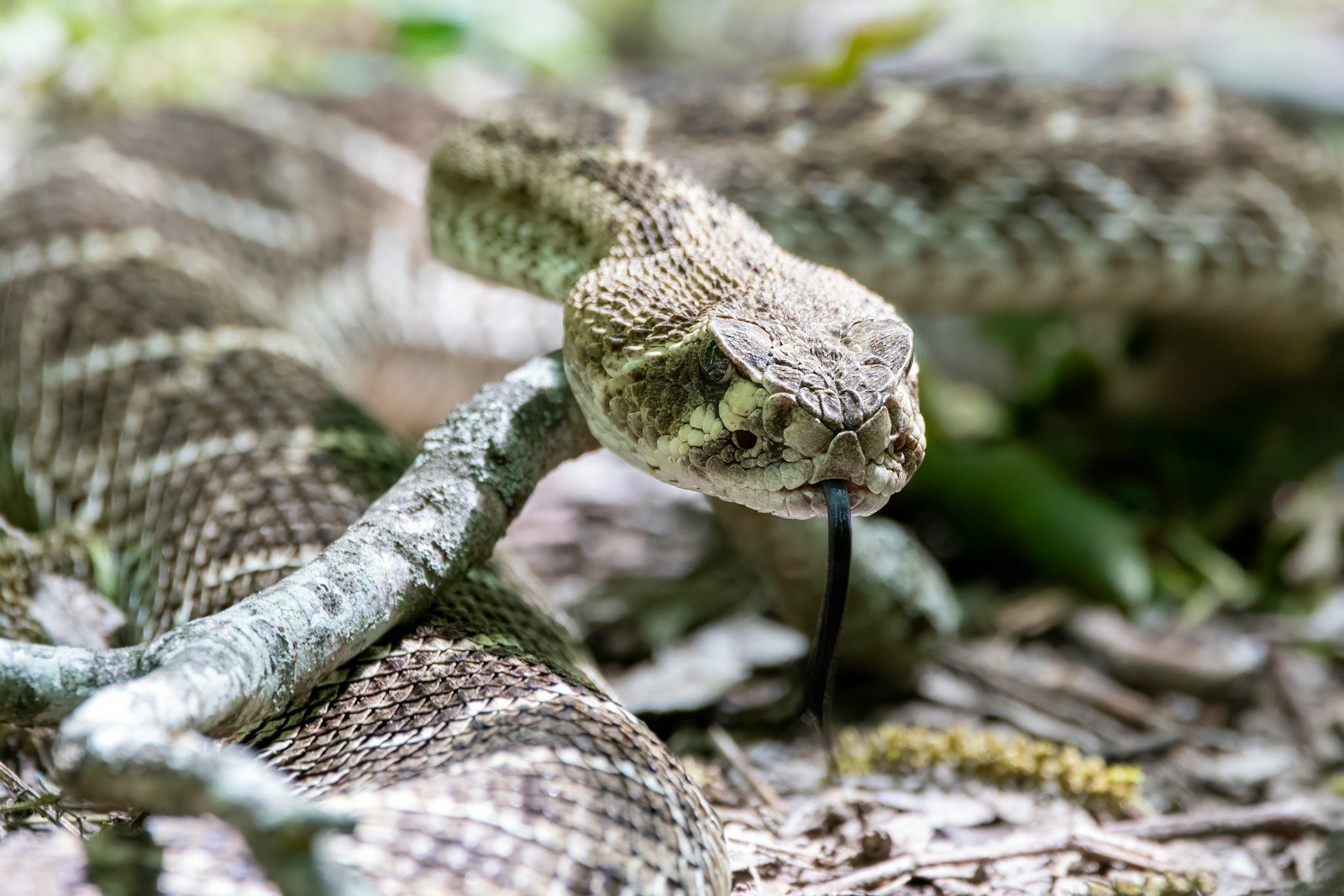
One of the most famous examples in the United States is the spread of Burmese pythons in Florida’s Everglades.
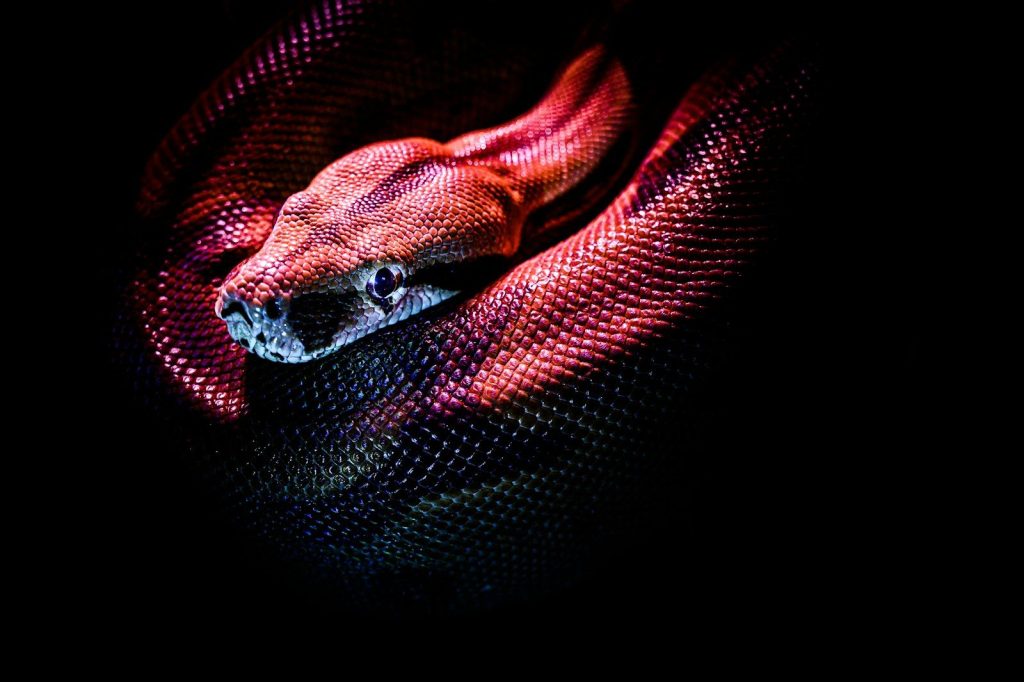
Originally introduced through the pet trade, the giant snakes now dominate large parts of the wetland ecosystem. Researchers say they prey on mammals, birds, and reptiles at such high rates that populations of several native species have dramatically declined.
Because adult pythons have very few natural predators in Florida, controlling their numbers has become extremely difficult.
Kudzu Continues Swallowing Forests in the South
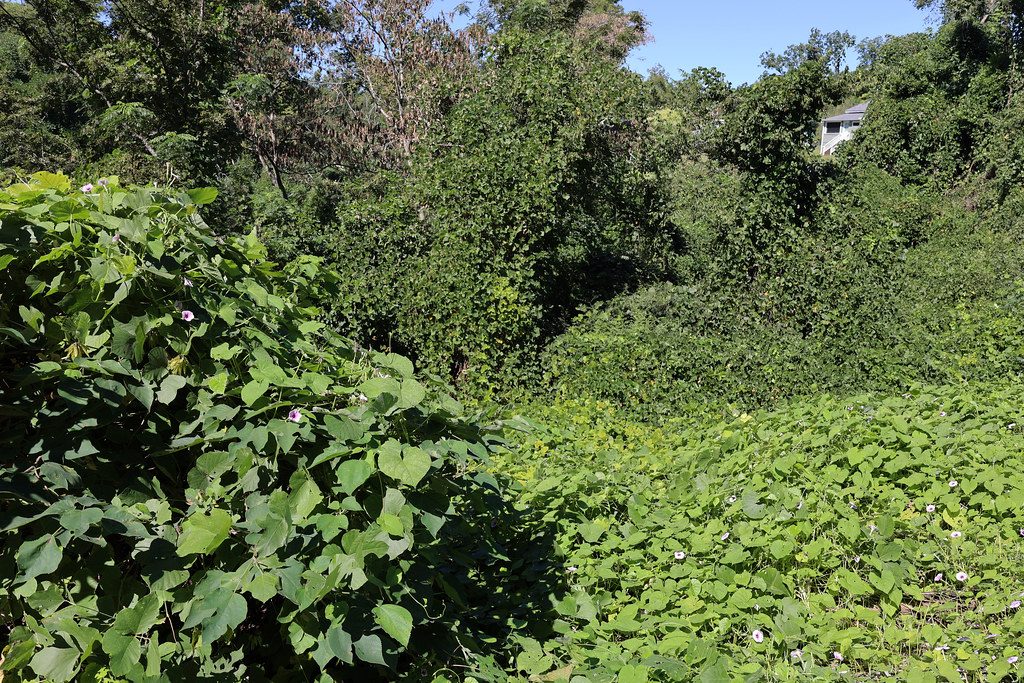
In the American South, the invasive vine known as kudzu has spread across millions of acres.
Originally imported from Asia for erosion control, the fast growing plant now blankets trees, forests, abandoned buildings, and roadsides. Kudzu grows rapidly in warm climates and can block sunlight from reaching native vegetation underneath.
Entire landscapes in some southern states have been overtaken by the vine.
Australia Faces Massive Rabbit Problems
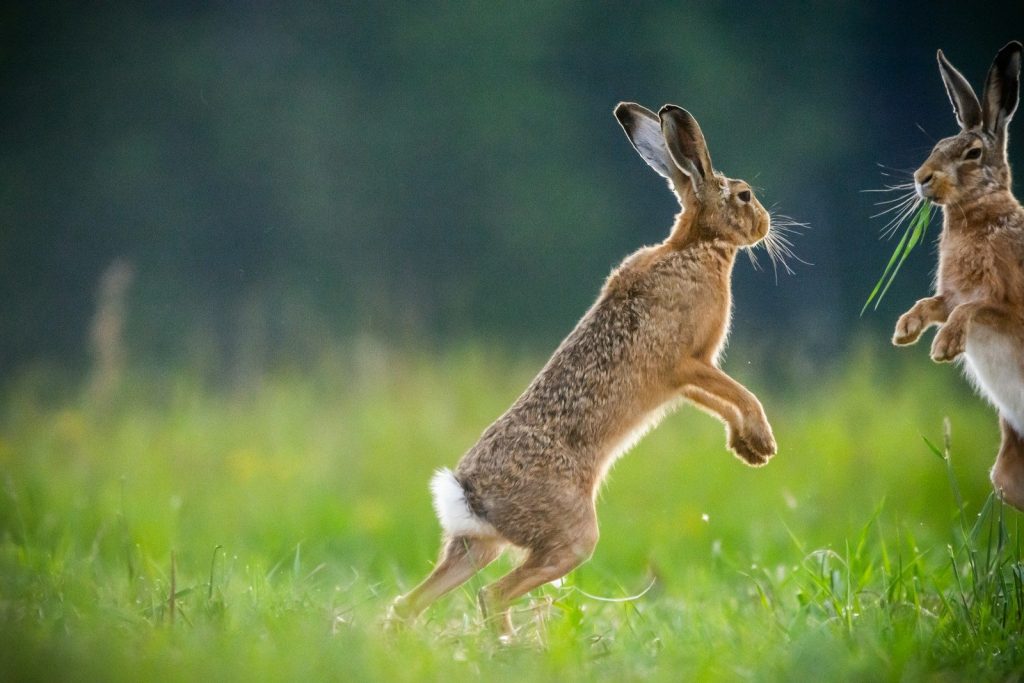
Outside the United States, Australia remains one of the world’s most severe examples of invasive species damage.
European rabbits introduced during the nineteenth century multiplied rapidly across the continent due to the lack of natural predators. Their enormous populations destroyed vegetation, accelerated soil erosion, and disrupted fragile ecosystems.
Attempts to control rabbit numbers have continued for decades with mixed success.
Invasive Species Often Trigger Ecological Collapse
Experts warn that invasive organisms rarely affect only one species. Instead, they can disrupt entire food chains and ecological relationships.
Predators may lose prey, native plants can disappear, and ecosystems that evolved over thousands of years may rapidly change within only decades.
In some cases, invasive species also spread diseases or alter waterways, forests, and soil conditions.
Human Activity Drives Most Introductions
Many invasive species problems can be traced directly back to human actions.
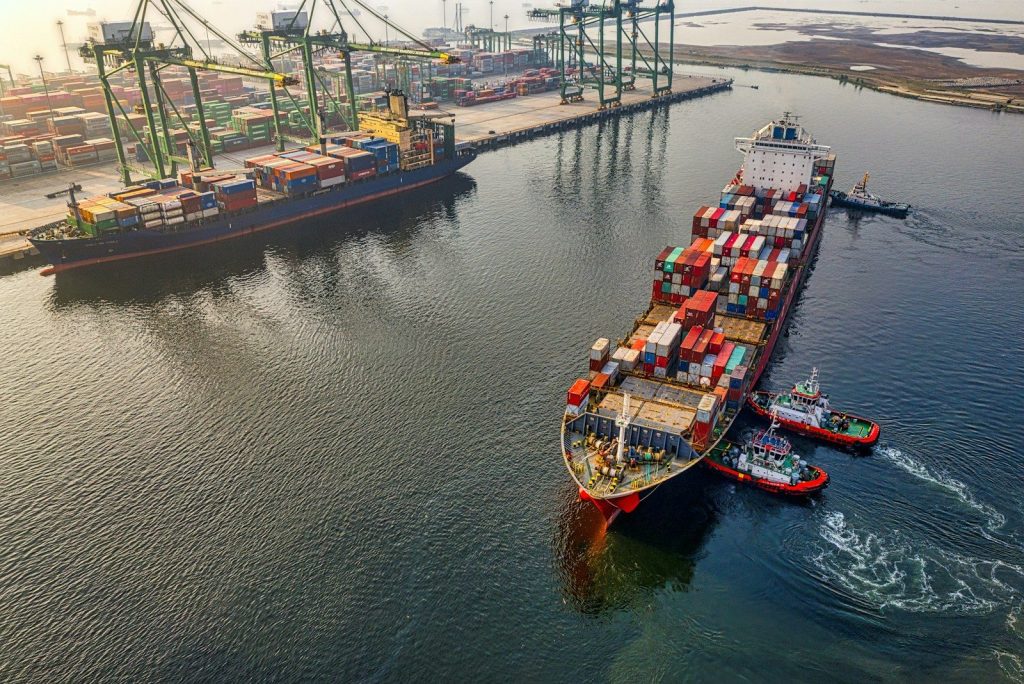
Some animals escaped captivity or were intentionally released into the wild. Others arrived accidentally through cargo shipments, ships, or imported plants and products.
Global transportation has made it easier than ever for species to move between continents and establish themselves in entirely new ecosystems.
The Bigger Question Behind the Crisis
The growing spread of invasive species has also sparked a broader debate among environmentalists and scientists.
Because humans have transformed landscapes, introduced foreign species worldwide, and altered ecosystems on a global scale, some researchers argue humanity itself functions as the planet’s most disruptive invasive force.
Whether discussing snakes in Florida, rabbits in Australia, or vines consuming southern forests, the crisis highlights how fragile ecosystems can become when natural balances are disrupted.