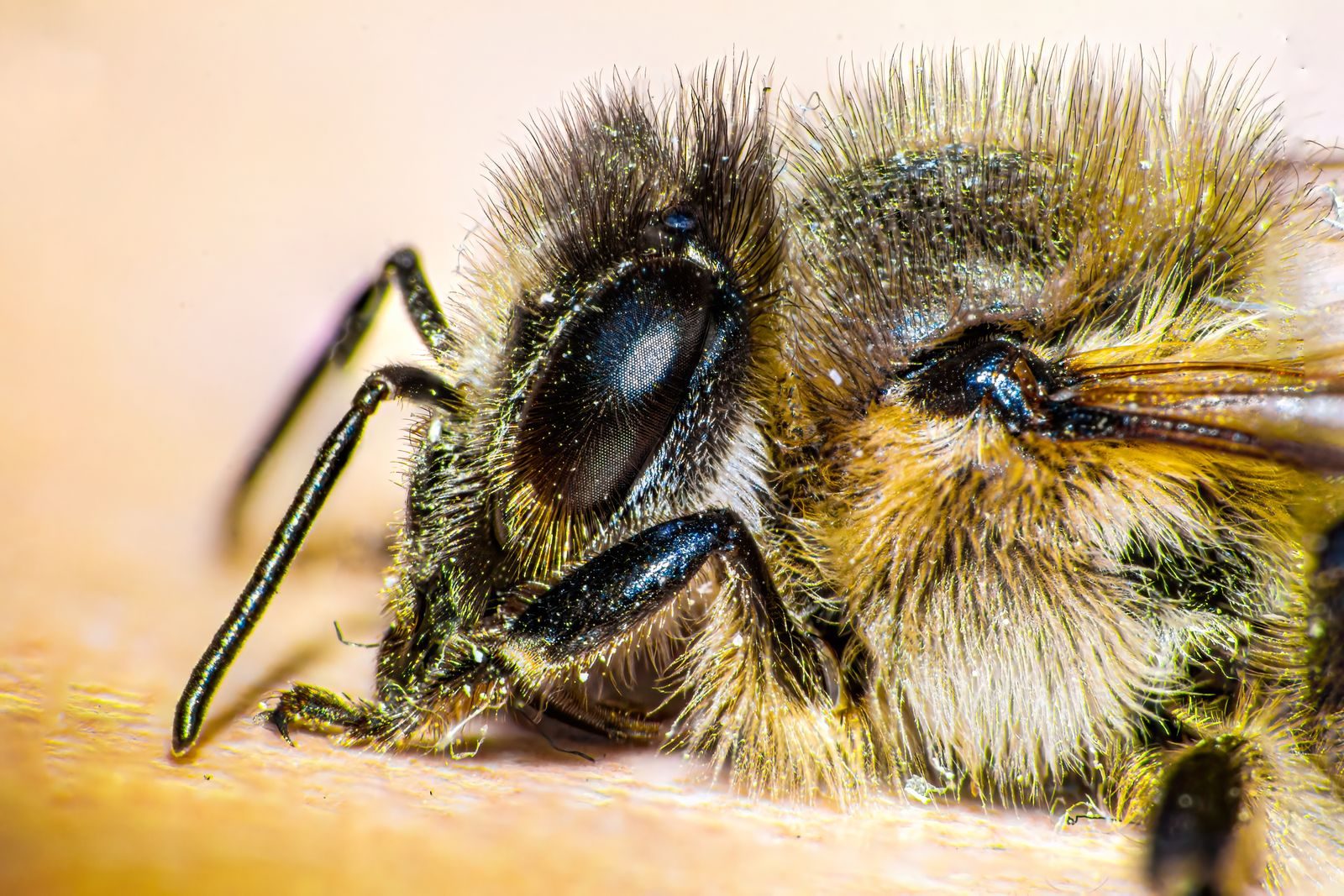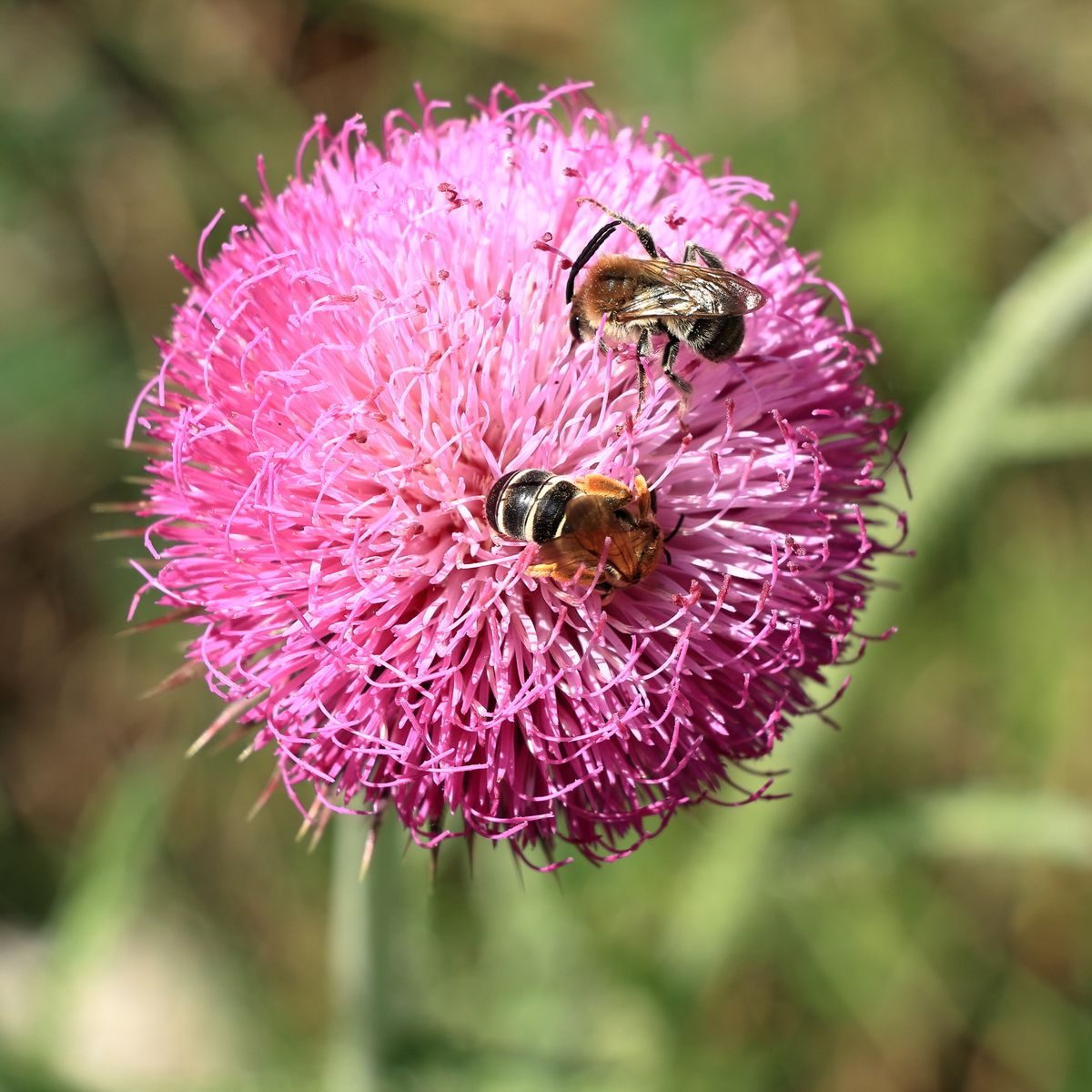
Most gardeners notice bees only when they hover over flowers, but the visible visit is just one part of their work. Bees move pollen, trigger specialized flowers to release it, and some species even reshape tiny patches of soil while building nests. Those services can influence an entire backyard ecosystem.
Three jobs deserve special attention: producing fruit and seed through pollination, performing buzz pollination that honey bees cannot do, and excavating ground nests that can aerate soil. Understanding these roles changes the garden from a collection of flowers into habitat where many native bees quietly support plants and local wildlife.
Bees Help Plants Make Fruit

When a bee transfers pollen between compatible flowers, fertilization can follow and the plant may form fruit containing seeds. The U.S. Forest Service notes that most plants need pollinators to produce seeds and fruit. In a garden, this work may show up later as tomatoes, berries, squash, apples, or seed heads rather than as an obvious “bee job.” The brief flower visit you notice can therefore influence what the plant produces weeks or months afterward.
Bees Help Plants Make Seeds
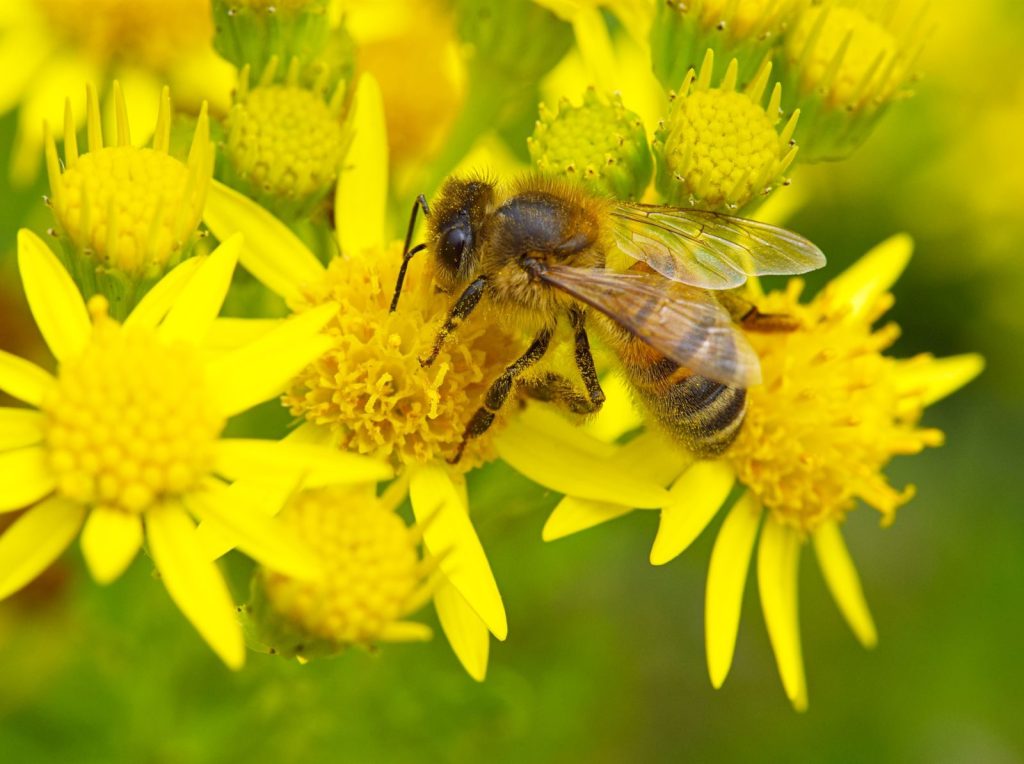
Pollination matters even when a gardener is not growing food. Many ornamental and native plants depend on pollen transfer to produce viable seed. Those seeds allow plants to reproduce, spread, and persist from one season to another. Seed production also supports birds and other wildlife that feed on mature seed heads. A bee collecting pollen for its own nest can therefore trigger a chain of ecological effects that continues long after the flower itself has faded.
Bumble Bees Buzz-Pollinate
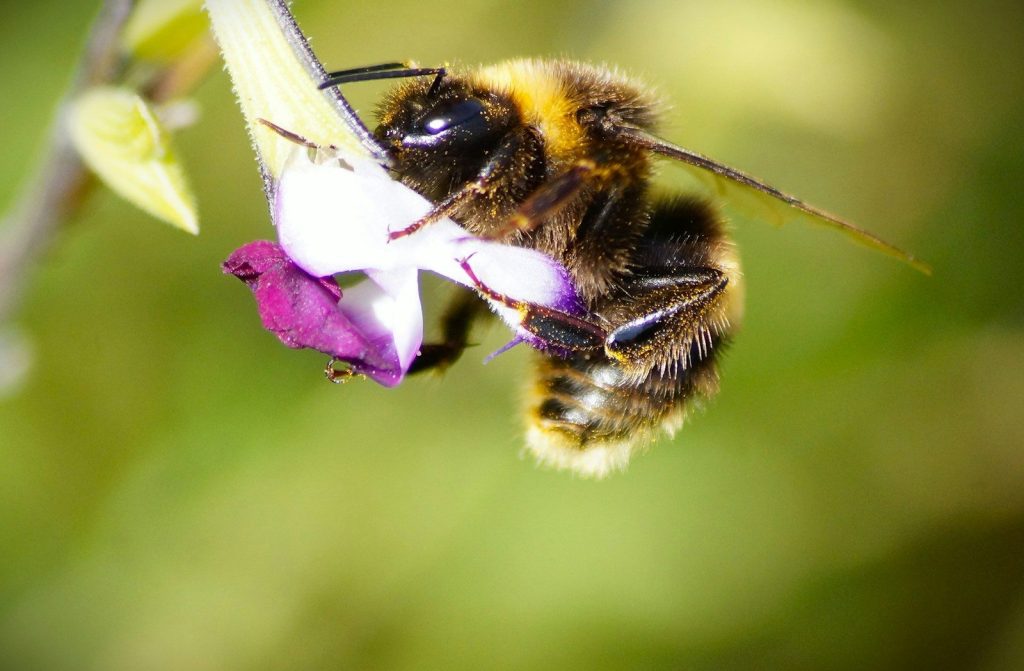
Bumble bees and several other native bees can perform buzz pollination. The bee grips a flower’s anthers and rapidly vibrates its flight muscles, shaking pollen from tiny pores. USDA guidance identifies tomatoes, peppers, eggplants, blueberries, and cranberries among plants that benefit from this behavior. Honey bees cannot generate the same floral vibrations. In a vegetable garden, a buzzing bumble bee may therefore be doing a specialized pollination job that another familiar bee cannot perform.
Buzz Pollination Improves Crop Set

Buzz pollination is more than an interesting sound. U.S. Forest Service guidance notes that growers value bumble bees because their vibration releases large amounts of pollen from flowers designed for this mechanism. Better pollen release can improve fruit set in crops such as tomatoes and cranberries. Gardeners may never see the vibrating muscles, but they can hear the short, intense buzz. That sound can signal a highly specialized interaction between a bee and a flower’s reproductive structures.
Ground-Nesting Bees Dig Tunnels

Many native bees do not live in hives. Solitary ground-nesting species dig individual burrows where females create cells for their young and stock them with pollen and nectar. University of Maryland Extension notes that mining bees can aerate soil as they excavate. The effect is small compared with mechanical garden aeration, but it is a genuine physical change caused by nesting. Tiny soil mounds in spring may therefore mark useful pollinator habitat rather than a lawn problem.
Bee Nests Create Small Soil Openings

A ground-nesting female repeatedly removes soil as she builds a main tunnel and side cells. Those openings allow air and water to move through tiny portions of the soil profile. The benefit should not be exaggerated—bees are not a substitute for fixing compacted or poorly drained soil—but their digging is one more ecological process occurring beneath a healthy garden. Because many ground-nesting bees are solitary and rarely sting, their nesting activity often needs no control.
Pollinated Seeds Feed Wildlife
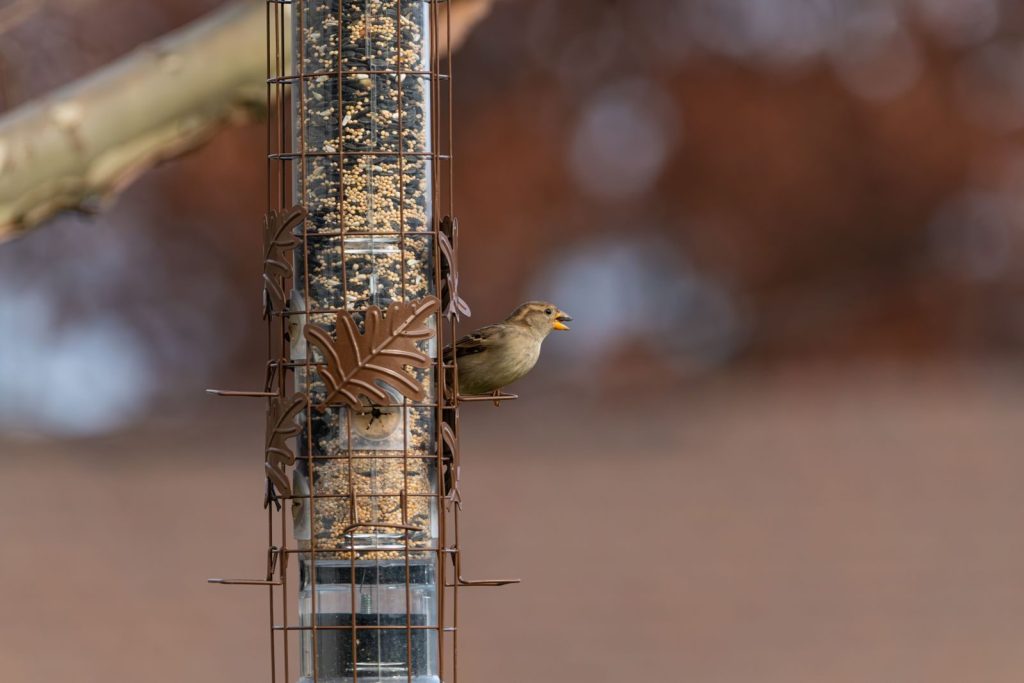
The results of bee pollination can move through the food web. Flowers that successfully produce fruit or seed may later feed birds, mammals, and other animals. The U.S. Forest Service emphasizes that pollinators are central to plant reproduction, meaning their work helps maintain the plant resources wildlife relies on. In a backyard, a bee visiting spring blossoms can indirectly contribute to berries in summer or seed heads in autumn, creating food long after the bee has moved elsewhere.
A Bee-Friendly Garden Supports All Three Jobs

To keep these hidden services working, gardeners can provide flowers across the growing season, reduce unnecessary pesticide use, and preserve suitable nesting places. Some native bees need bare or lightly vegetated soil, while others use hollow stems or cavities. Diverse habitat supports more species and therefore more kinds of pollination. A garden designed only around blooms may miss half the picture: bees also need places to nest, reproduce, overwinter, and safely complete their life cycles.
Featured Image: Photo by Mustafa Akın on Pexels