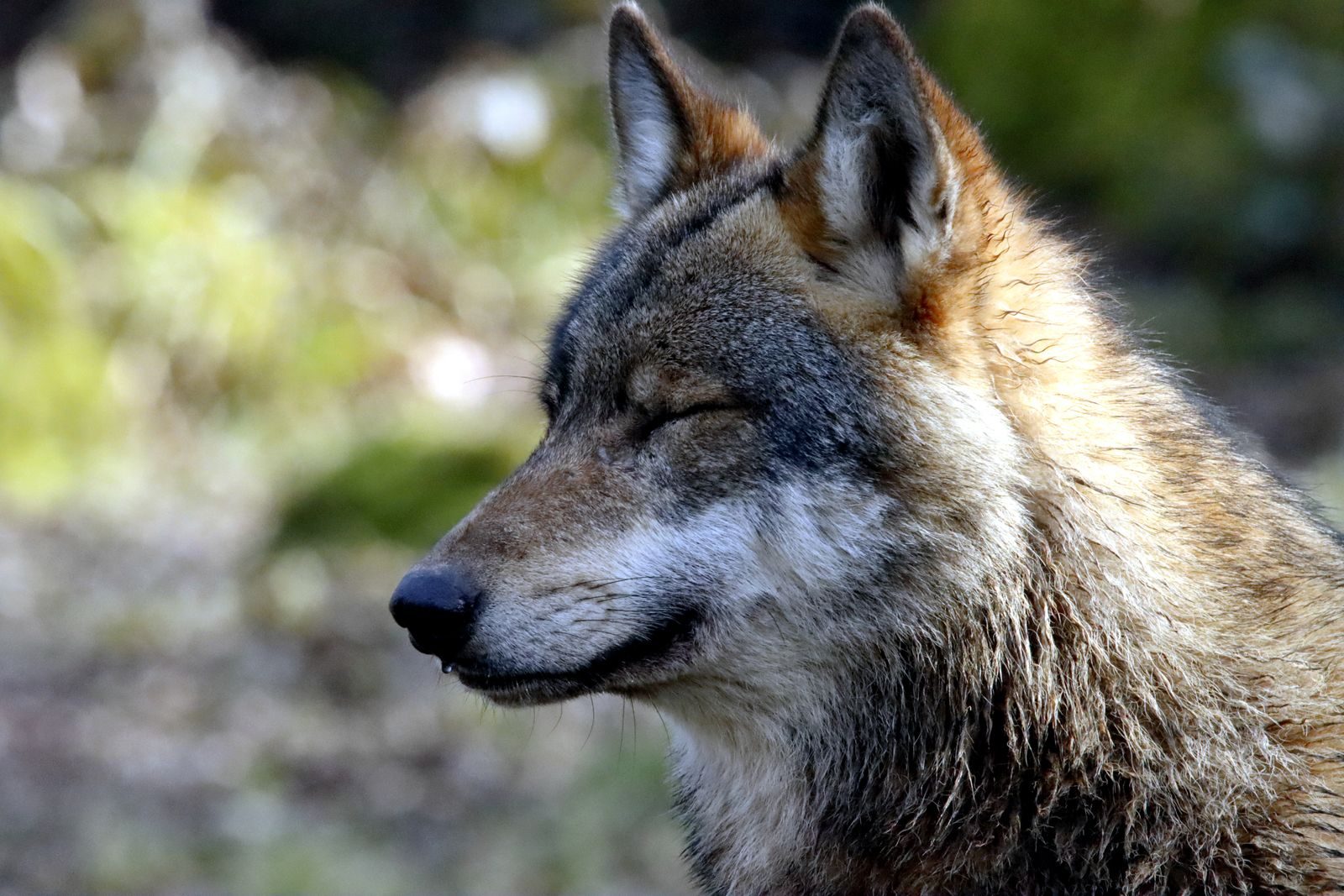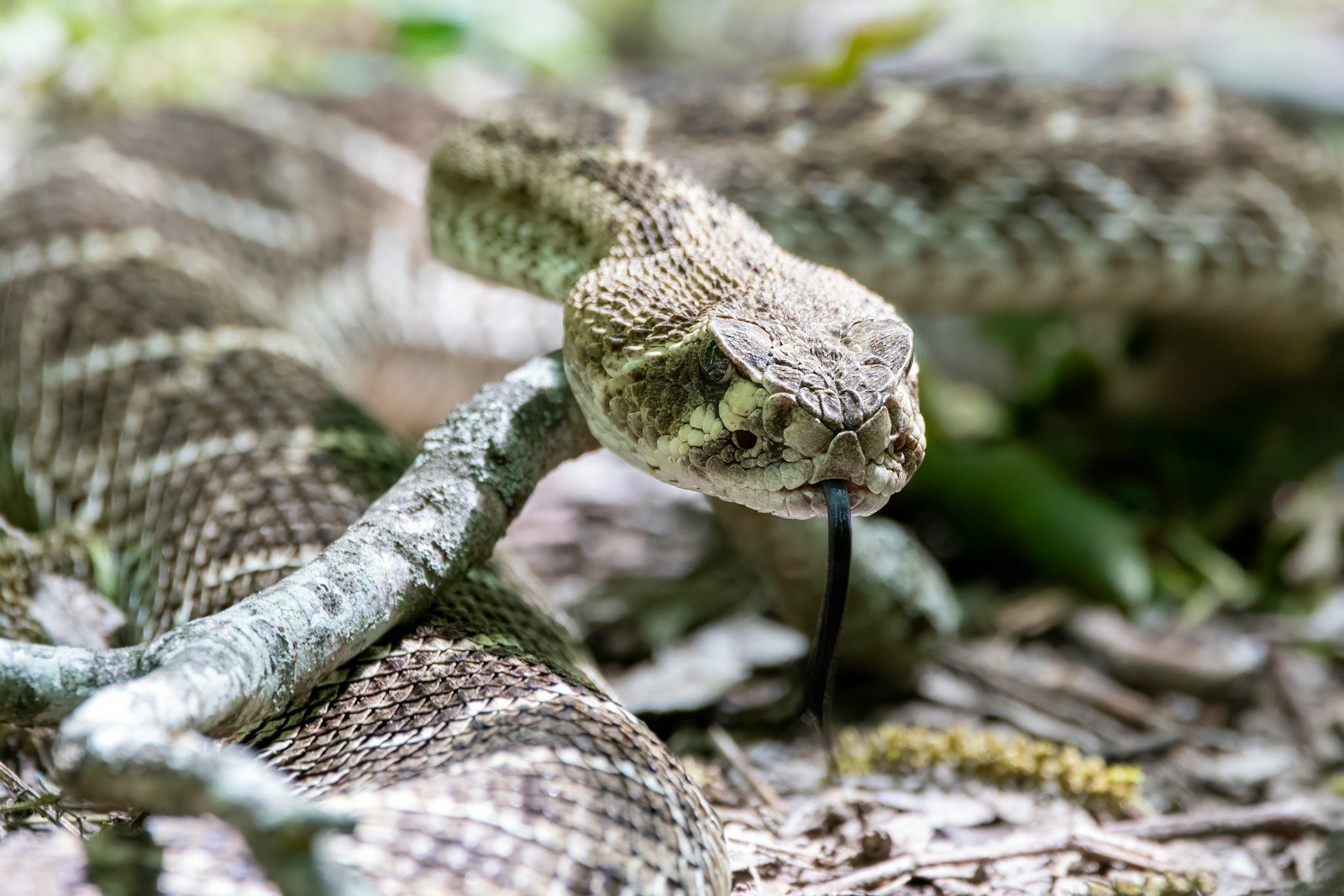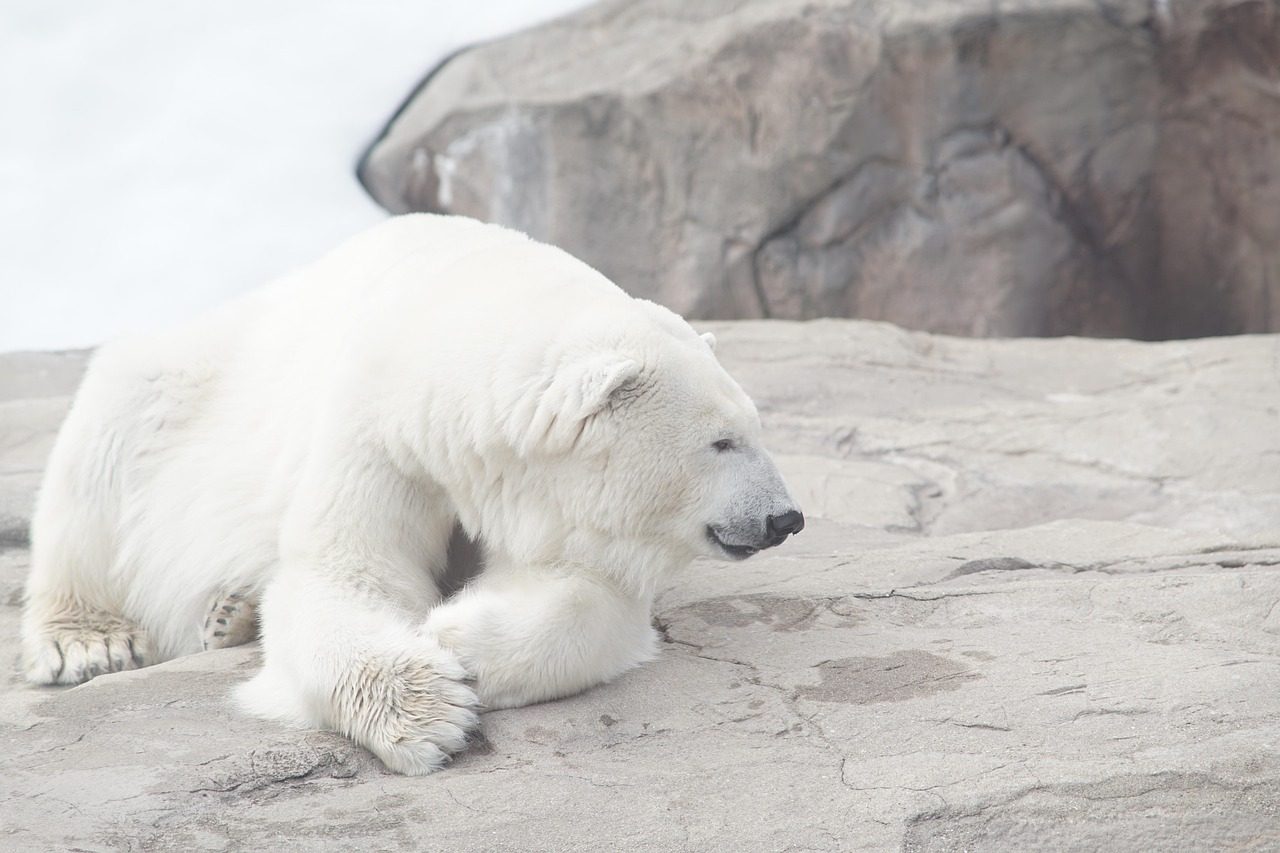
Scientists warn that several rare animals are now dangerously close to extinction due to habitat destruction, climate change, poaching, pollution, and illegal wildlife trade. While conservation programs continue fighting to save many of these species, experts fear some may vanish within the next few years if conditions do not improve.
Vaquita
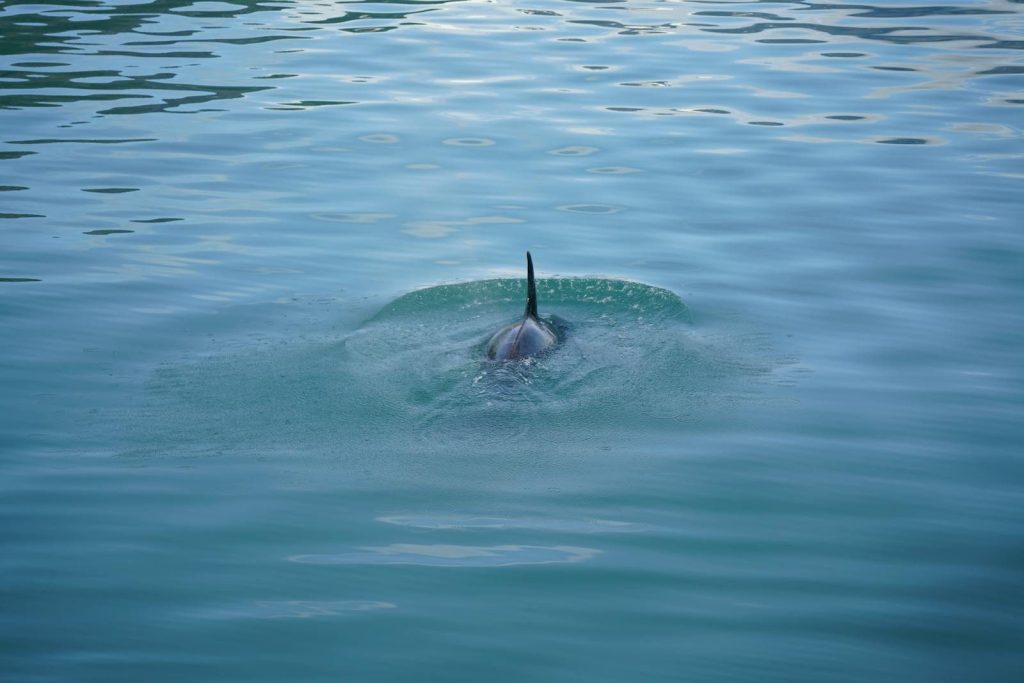
The vaquita is considered the world’s rarest marine mammal, with fewer than 20 believed to remain in the wild. Found only in Mexico’s Gulf of California, the tiny porpoise is critically threatened by illegal gillnet fishing operations.
Conservationists warn the species could disappear completely within this decade.
Yangtze Giant Softshell Turtle
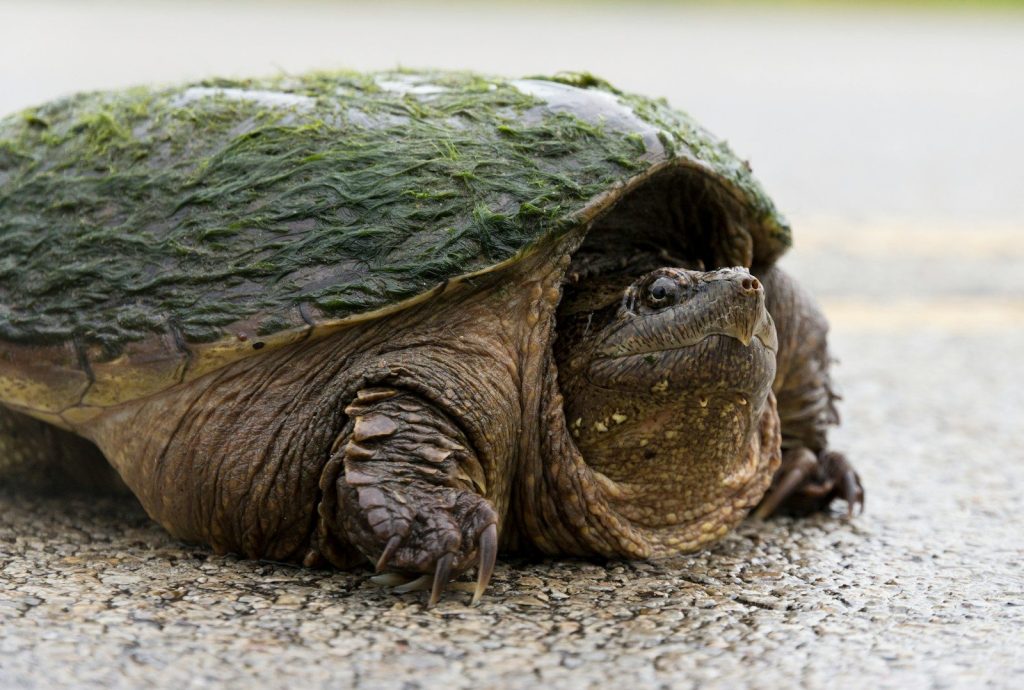
The Yangtze giant softshell turtle is one of the rarest turtles on Earth. Native to China and Vietnam, only a handful are believed to survive today.
Habitat destruction, pollution, and hunting have devastated the species for decades, leaving scientists scrambling to prevent total extinction.
Pangolin
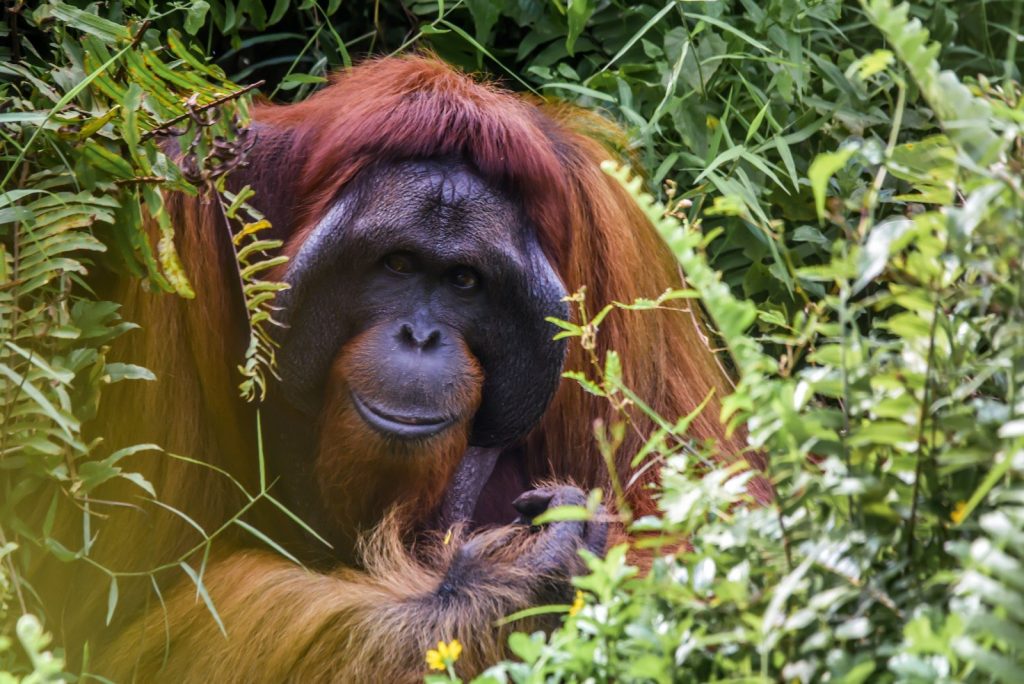
Pangolins are often called the world’s most trafficked mammals because of intense illegal demand for their scales and meat. Several species across Asia and Africa now face severe population declines.
Despite international protections, poaching remains a major threat.
Axolotl
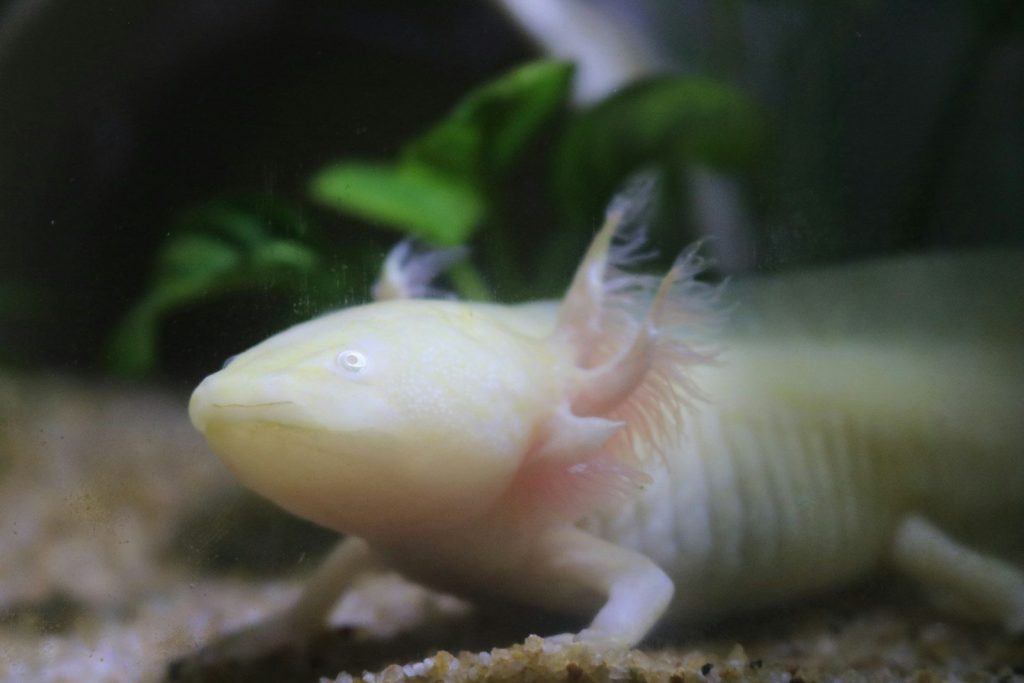
The axolotl, famous for its ability to regenerate body parts, survives mostly in captivity today. Wild populations in Mexico have collapsed due to pollution, invasive species, and urban expansion around ancient lake systems near Mexico City.
Scientists fear the species may disappear entirely from the wild if habitat restoration efforts fail.
Saola
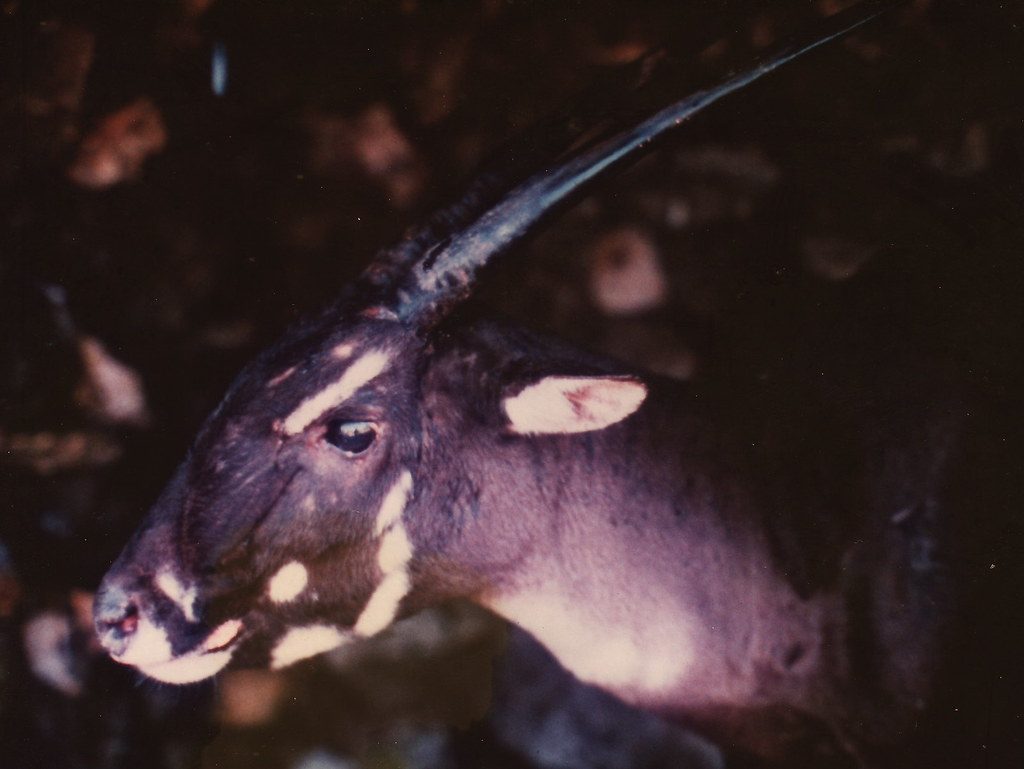
Nicknamed the “Asian unicorn,” the saola is one of the rarest large mammals on Earth. Found in forests along the Laos Vietnam border, the elusive animal is so rarely seen that scientists have struggled to study it directly.
Poaching and snaring remain its biggest dangers.
Kakapo
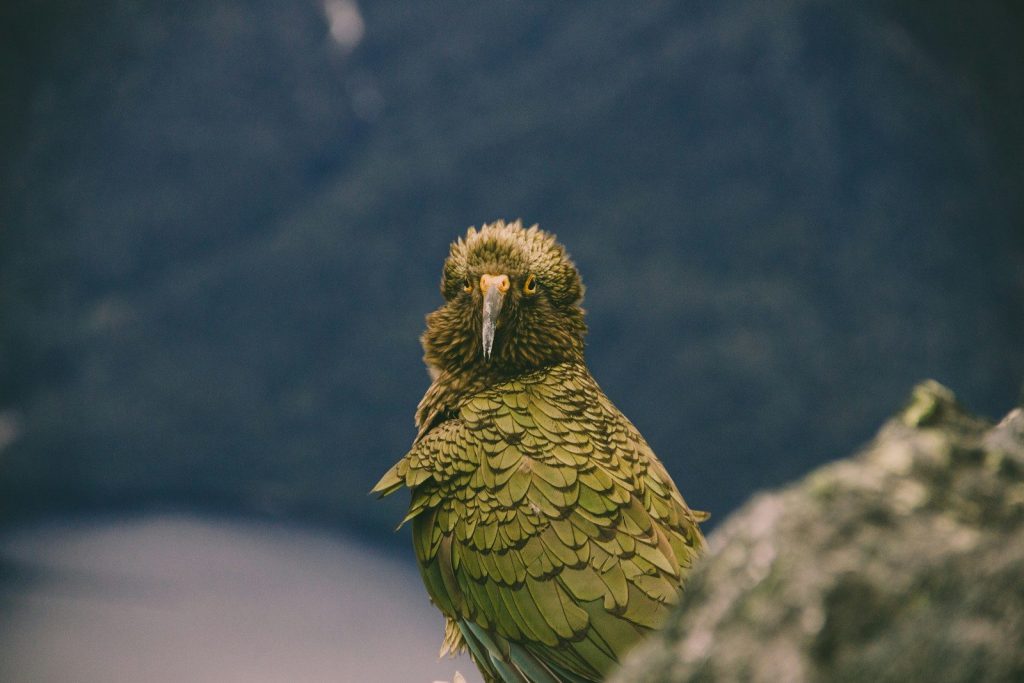
The kakapo is a flightless nocturnal parrot native to New Zealand. Intensive conservation programs have helped prevent extinction, but the species remains critically endangered with an extremely small population.
Every surviving bird is carefully monitored by conservation teams.
Polar Bear
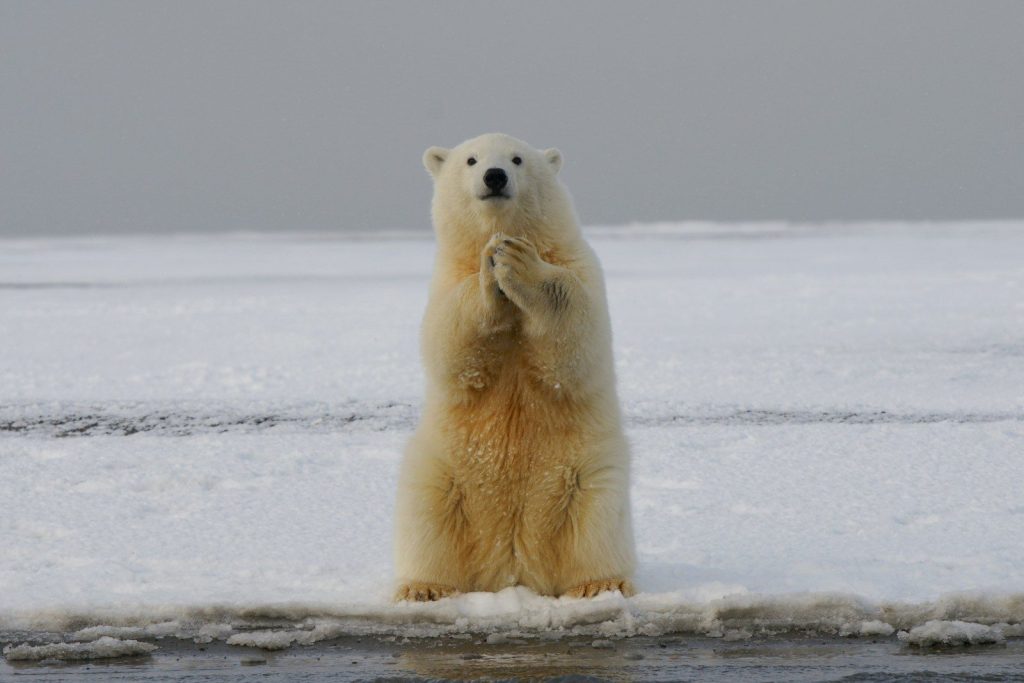
Polar bears continue facing increasing pressure from climate change as Arctic sea ice rapidly declines. Since the animals rely on sea ice to hunt seals, shrinking ice coverage threatens their long term survival.
While polar bears are not expected to vanish globally by 2030, some regional populations may face severe declines if warming trends continue.