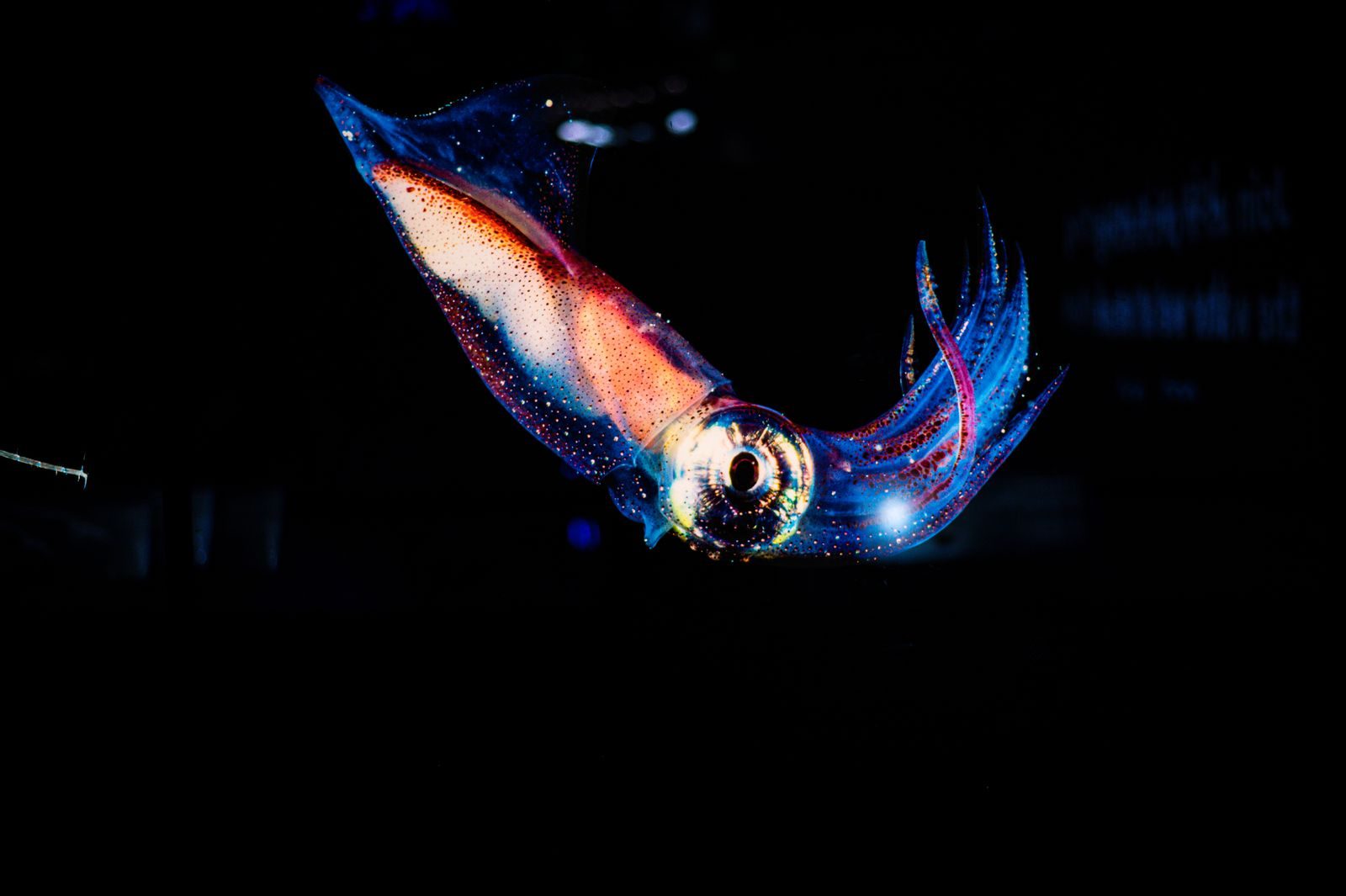
Scientists first photographed a living giant squid in its natural habitat in 2004. Tsunemi Kubodera and Kyoichi Mori recorded it attacking bait at a depth of 900 meters near Japan’s Ogasawara Islands.
Several milestones followed. A squid was filmed alive near the surface in 2006, while the first video of one moving in its natural deep-sea habitat was recorded during a 2012 expedition and released publicly in 2013.
The 2004 Breakthrough

A remote camera system photographed a giant squid attacking bait 900 meters below the surface on September 30, 2004. The animal was estimated to exceed eight meters. The images, published in 2005, overturned the old idea that giant squid were weak animals drifting passively in deep water.
The 2006 Surface Video
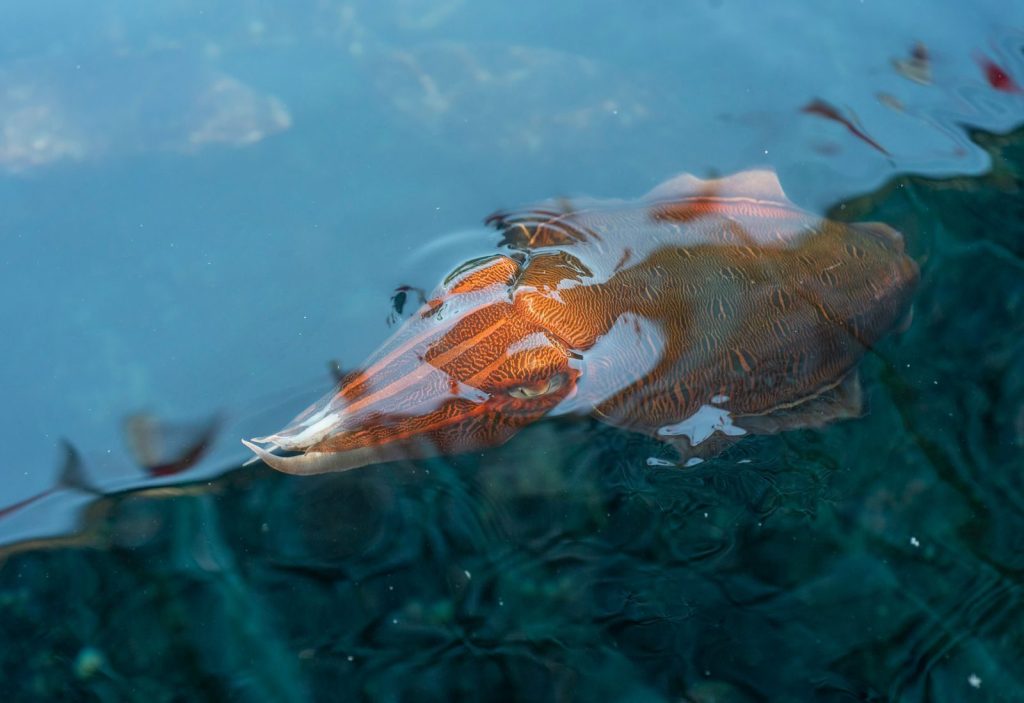
In 2006, Japanese researchers hooked a living giant squid and brought it near the surface, where it was recorded on video. This was an important first, but it did not show the animal behaving freely in its normal deep-water environment. That distinction explains why the 2012 footage became another milestone.
The 2012 Deep-Sea Mission
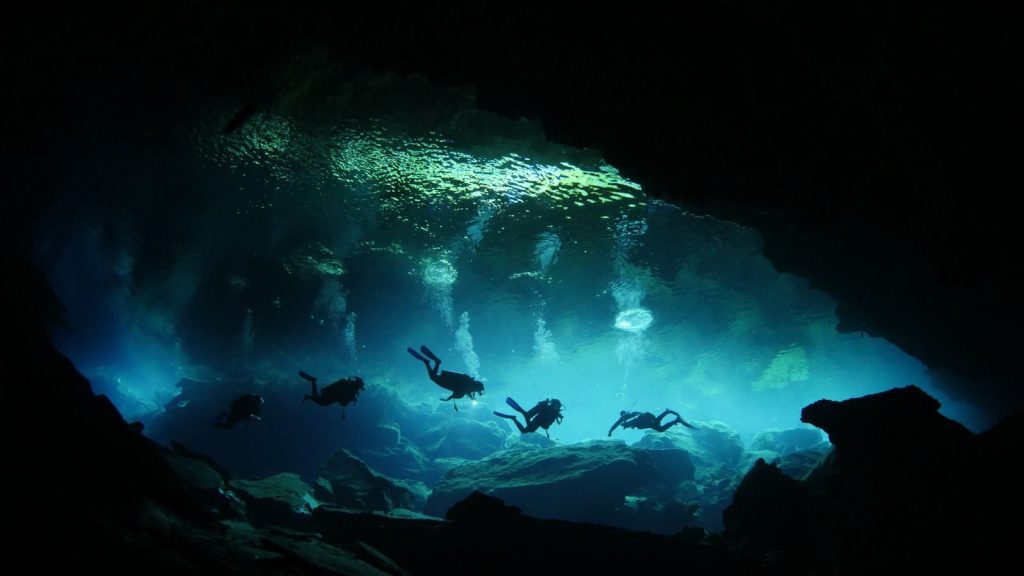
A team including Japanese researchers and deep-sea specialist Edith Widder searched waters near the Ogasawara Islands. Their goal was not simply to catch a squid, but to observe one swimming and feeding where it naturally lived, hundreds of meters below the surface.
Bright Lights Failed

Traditional submersibles use bright white lights and noisy equipment. Researchers suspected these systems might frighten light-sensitive deep-sea animals before cameras could see them. The successful approach used quieter observation and light designed to be less noticeable to the animals being studied.
The Medusa Camera
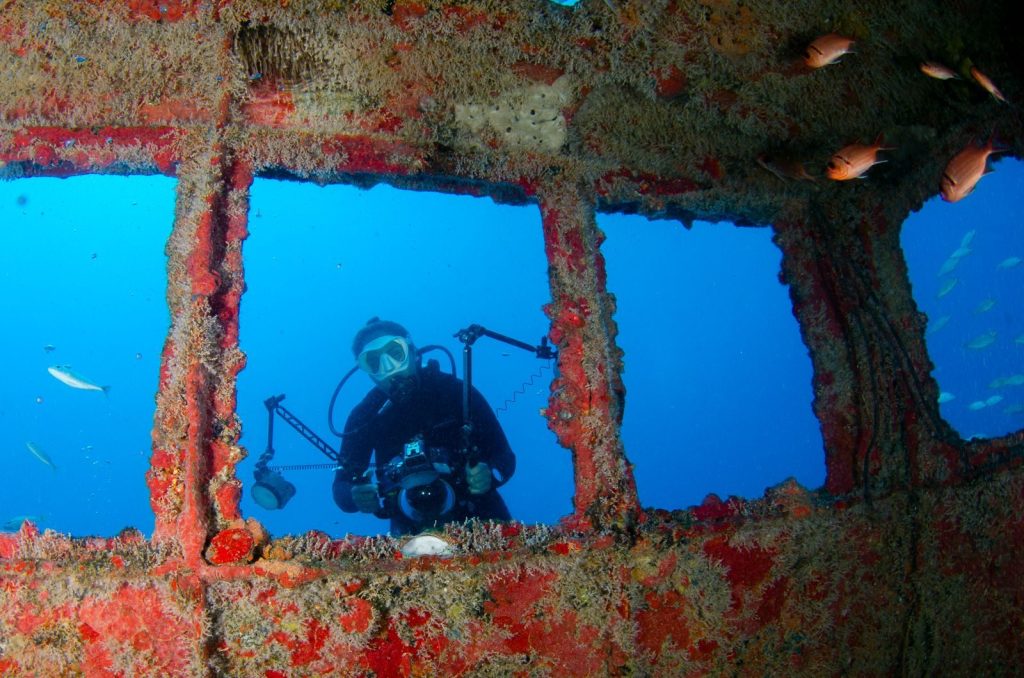
Widder’s Medusa system used a highly sensitive camera and dim red light. Many deep-sea animals do not detect red wavelengths well, allowing the camera to watch without flooding the scene with white light. This made the equipment less intrusive than a brightly illuminated submersible.
The E-Jelly Lure

The camera carried an electronic lure called the e-jelly. Its moving lights copied the alarm display of an Atolla jellyfish, which may signal that a predator is attacking it. A larger hunter could interpret that display as a chance to find prey and approach the camera.
The Squid Appeared

The expedition finally recorded a giant squid in its natural environment. The footage showed a powerful, active animal rather than a helpless drifter. Its appearance also demonstrated why patient, low-light observation can reveal species that repeatedly avoid conventional deep-sea cameras.
Another Squid in 2019

A NOAA-funded expedition filmed a giant squid in the Gulf of Mexico at a depth of 759 meters. The animal, estimated at 3 to 3.7 meters long, approached the Medusa’s e-jelly and then retreated. It was the first confirmed footage of a giant squid in United States waters.
Giant Is Not Colossal
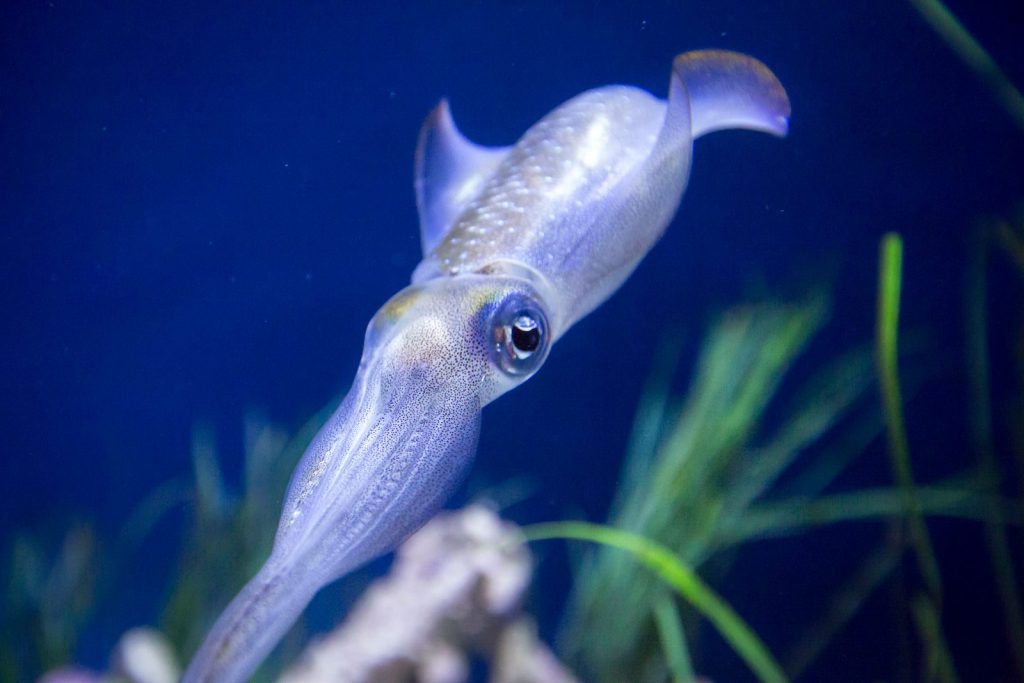
Giant squid and colossal squid are different animals. In March 2025, researchers filmed a 30-centimeter juvenile colossal squid alive in its natural habitat for the first confirmed time. That newer discovery did not replace the 2012 giant-squid milestone; it documented another elusive species.
Featured Image: Photo by Khushal Shah Lakhnavi on Unsplash