
Pangolins are frequently described as the world’s most trafficked mammals. Calling them the single most trafficked animal is harder to prove because illegal markets are hidden and complete worldwide data do not exist.
All eight recognised species face serious pressure from poaching, illegal trade, and habitat loss. Their unusual scales protect them from natural predators but provide little defence against people.
Eight Pangolin Species
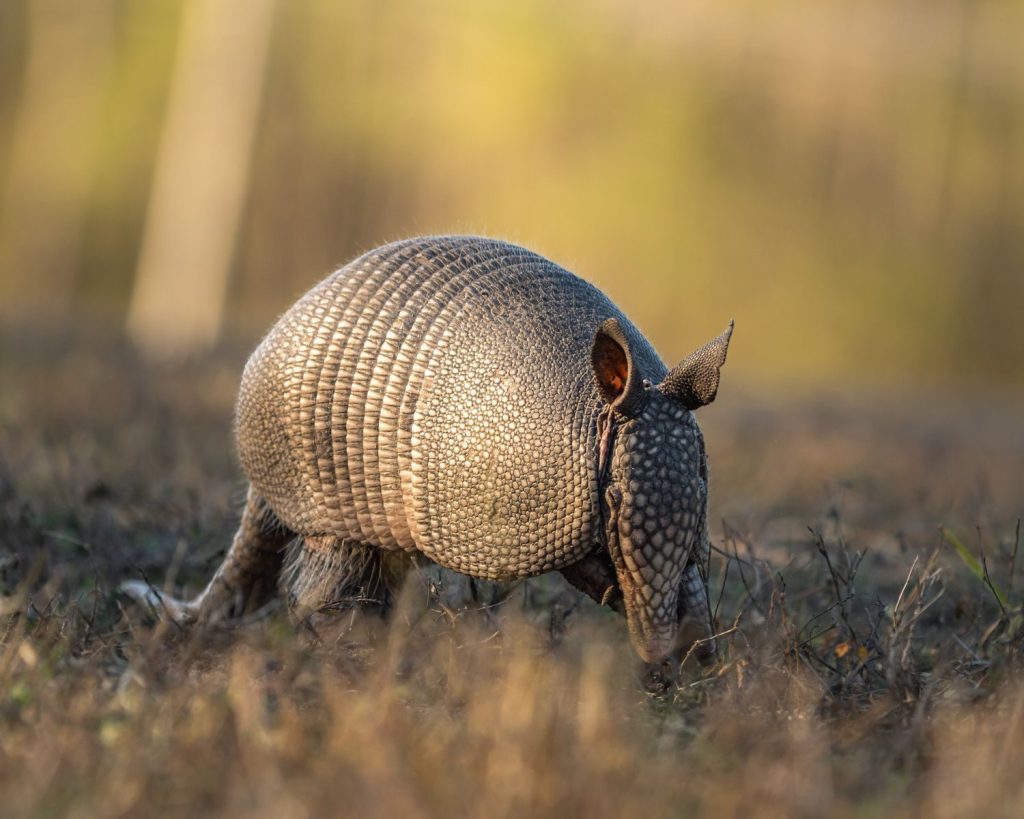
Four recognised pangolin species live in Africa and four live in Asia. They occupy forests, grasslands, savannas, and other habitats, depending on the species. Pangolins are mainly nocturnal, secretive mammals, making population surveys difficult and leaving scientists without reliable global abundance estimates for many populations.
Scales Made of Keratin

Pangolins are the only mammals completely covered with overlapping scales. The scales are made from keratin, the same structural protein found in human hair and fingernails. They grow from the skin and provide armour across most of the body, while the face, underside, and inner legs remain less protected.
A Defensive Ball

When threatened, a pangolin commonly curls into a tight ball and wraps its muscular tail around its body. The hard scales create an effective shield against many natural predators. Unfortunately, this defence makes a pangolin easy for a poacher to pick up and carry away once the animal refuses to uncurl.
Ants and Termites
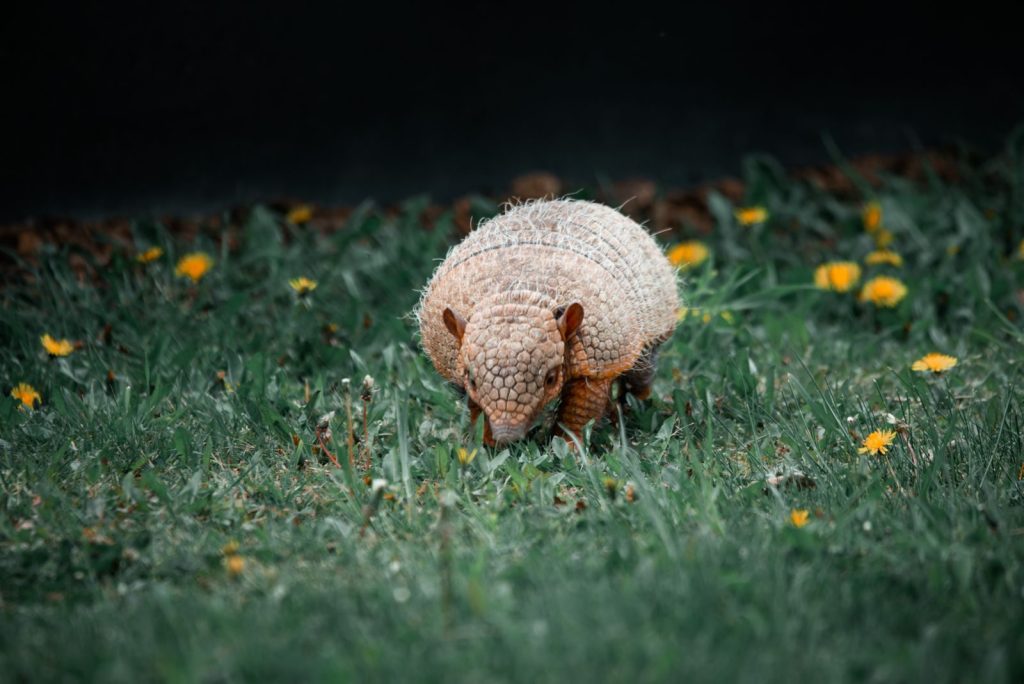
Pangolins feed mainly on ants, termites, and insect larvae. They have no teeth and collect prey with long, sticky tongues. Strong claws help them tear open nests and dig into soil or dead wood. By feeding on social insects, pangolins form part of the natural ecological balance within their habitats.
Why They Are Trafficked

Illegal demand focuses mainly on pangolin scales and meat. Scales are used in unproven traditional remedies, while meat is treated as a luxury food in some markets. Pangolin skins have also been used for leather products. Trafficking increasingly moves African pangolins and their scales toward Asian consumer markets.
The Hidden Scale
From 2017 through 2019, recorded seizures in Asia included approximately 540,000 pounds of scales and nearly 11,000 individual pangolins. Seizures reveal only shipments discovered by authorities, so they cannot provide a complete count of animals removed from the wild. The true scale of trafficking remains uncertain.
International Trade Ban

All eight pangolin species were moved to CITES Appendix I in 2016. This classification prohibits commercial international trade in wild pangolins, their parts, and their derivatives. Illegal trafficking continues despite the ban, showing that legal protection must be supported by enforcement, demand reduction, border cooperation, and successful prosecution.
All Species Remain Threatened
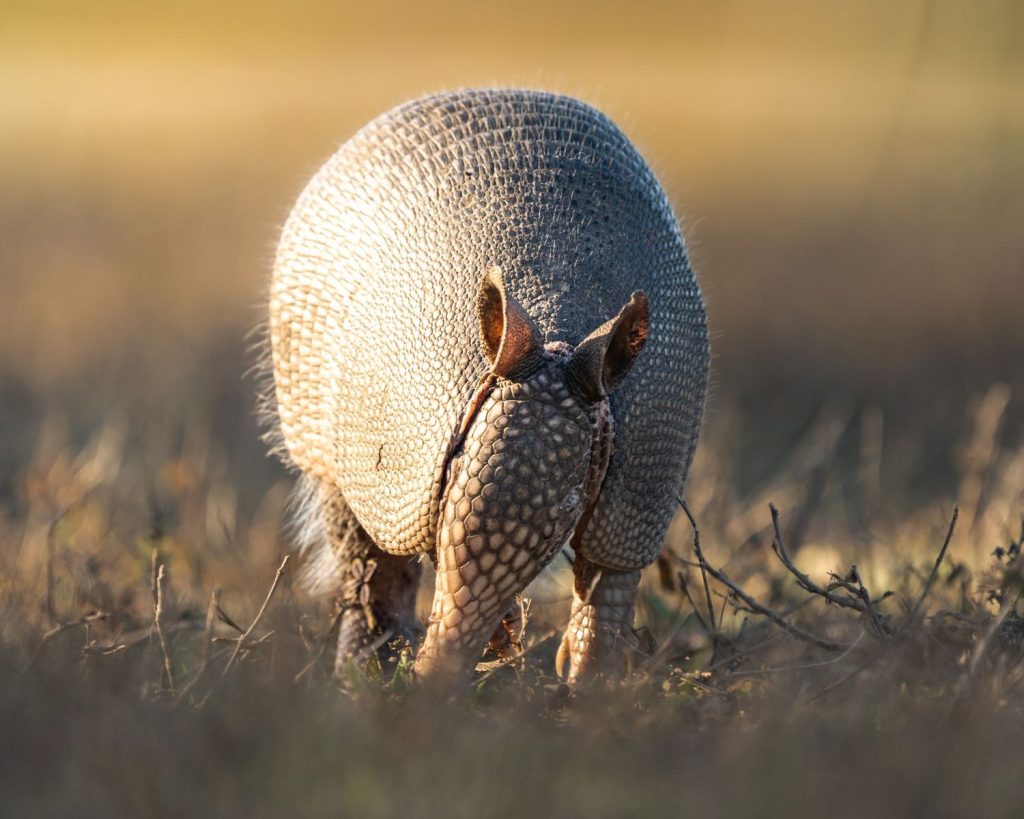
A 2025 IUCN assessment concluded that all eight recognised species remain at high risk of extinction because of overexploitation and habitat loss. Conservation work includes protecting habitat, improving population monitoring, rescuing confiscated animals, investigating trafficking networks, strengthening enforcement, and reducing consumer demand for pangolin products.
Featured Image: Photo by Dmytro Koplyk on Pexels


