Some videos claim that a cuttlefish changes exactly 20 colors in seconds, but reputable scientific sources do not confirm that specific number. What researchers have documented is still extraordinary.
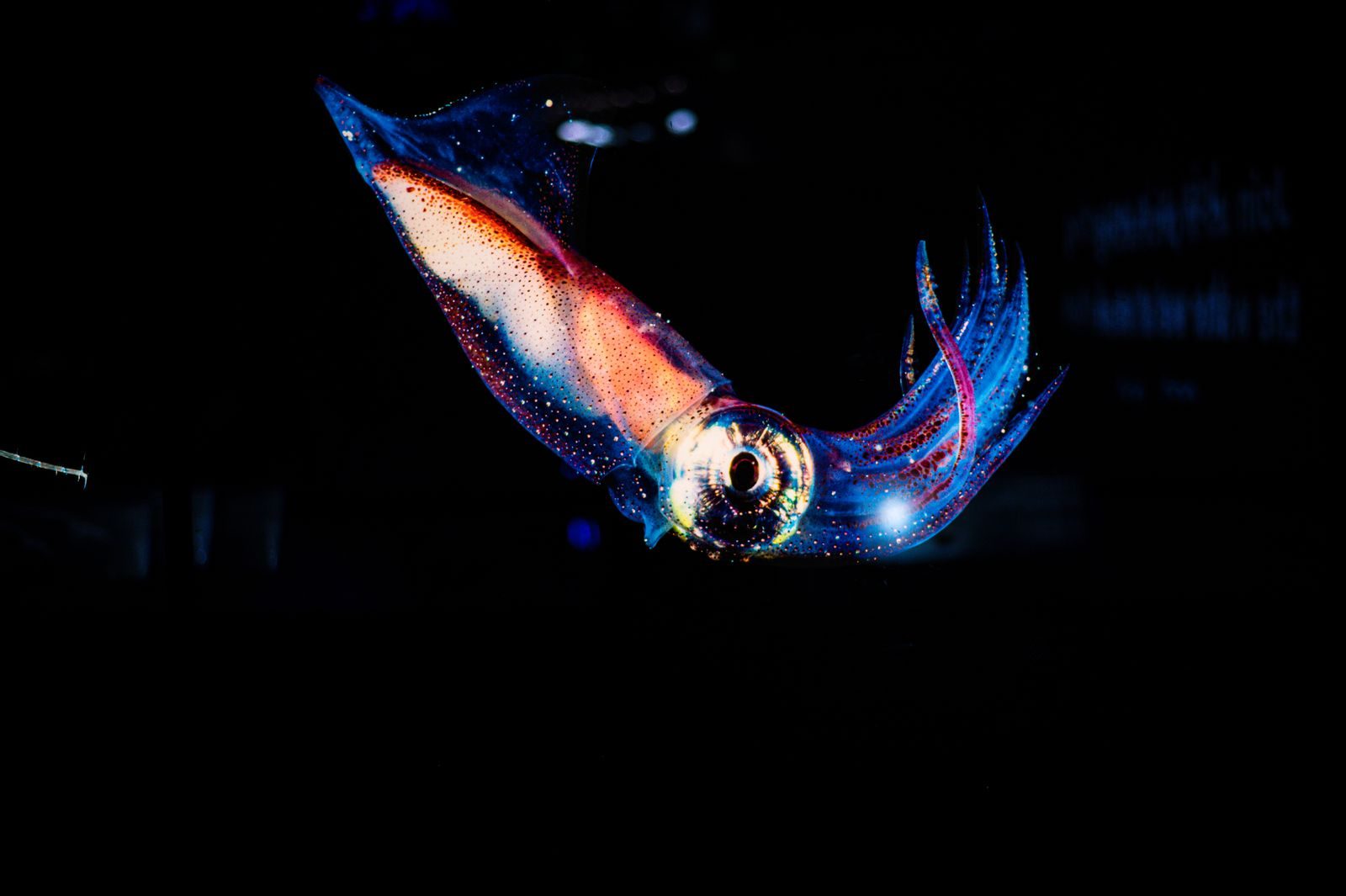
Cuttlefish can rapidly alter their color, pattern, brightness, and even the apparent texture of their skin. They use the display for camouflage, courtship, communication, hunting, and confrontations.
The Exact Count Is Unverified
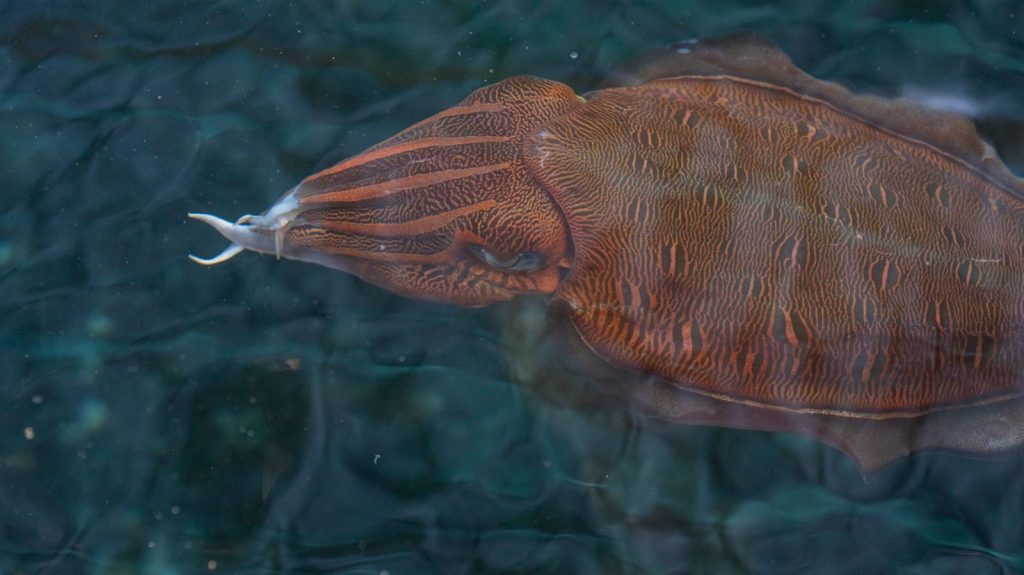
A cuttlefish does not normally move through a fixed, countable sequence of 20 standard colors. Its appearance is created by overlapping pigment and reflective systems that produce shifting combinations of shade, contrast, pattern, and brightness. Describing the display as rapid and highly varied is more accurate than assigning an unsupported total.
Pigment Cells Expand

The skin contains thousands of chromatophores. Each chromatophore includes a pigment-filled sac controlled by muscles. When the muscles pull outward, the sac expands and its color becomes visible. When they relax, the sac shrinks. Coordinating many cells allows a cuttlefish to create bands, spots, patches, and sweeping waves.
Reflective Cells Add More Effects
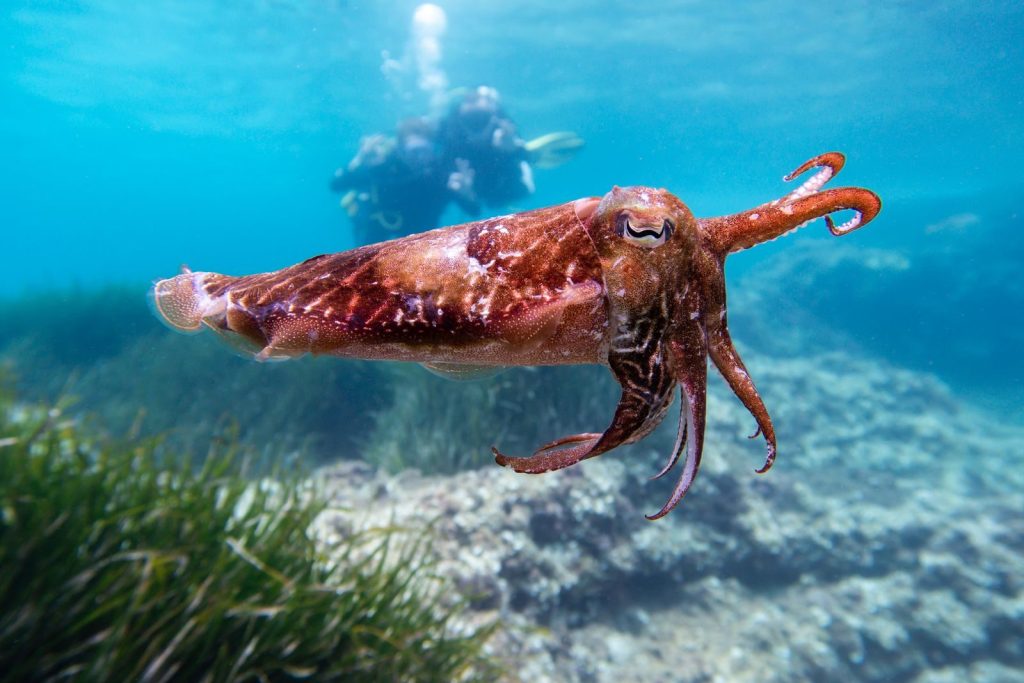
Beneath the chromatophores are reflective structures called iridophores and leucophores. Iridophores can create shimmering, iridescent effects, while leucophores reflect the surrounding light more broadly. Working together with the pigment cells, these layers give cuttlefish skin a much wider visual range than pigment alone could produce.
Changes Can Take Half a Second

Some cuttlefish displays can shift in as little as half a second. The speed is possible because the skin cells are controlled directly through the nervous system. Rather than waiting for slow chemical changes, the animal can activate or relax groups of cells almost immediately as its surroundings or social situation changes.
Camouflage Hides the Body

Cuttlefish use their skin to resemble sand, stones, coral, seagrass, and other underwater backgrounds. The goal is not always to copy every detail. Breaking up the outline of the body can be enough to make the animal difficult for predators or prey to recognize against a complex seabed.
Color Helps With Courtship
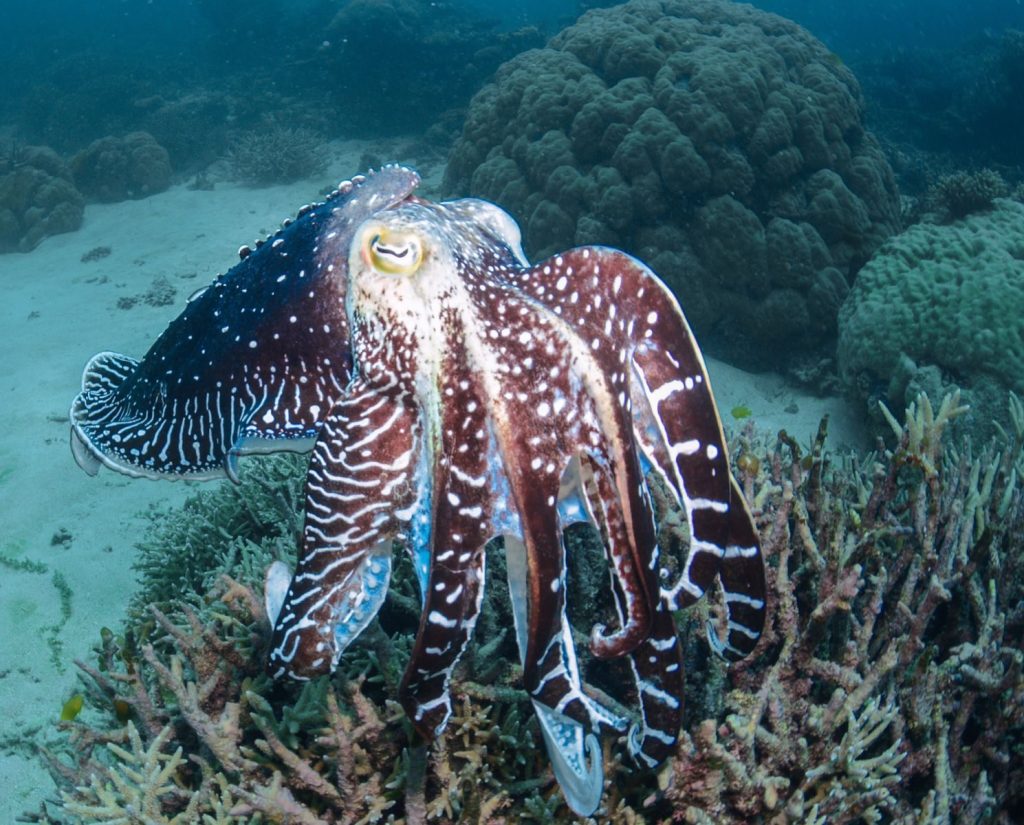
During courtship, a male may produce bold patterns to attract a female and communicate his intentions. Displays can change as another male approaches or as the female responds. These signals allow several messages to be conveyed rapidly without sound, even when the animals are only a short distance apart.
Rivals See a Different Signal
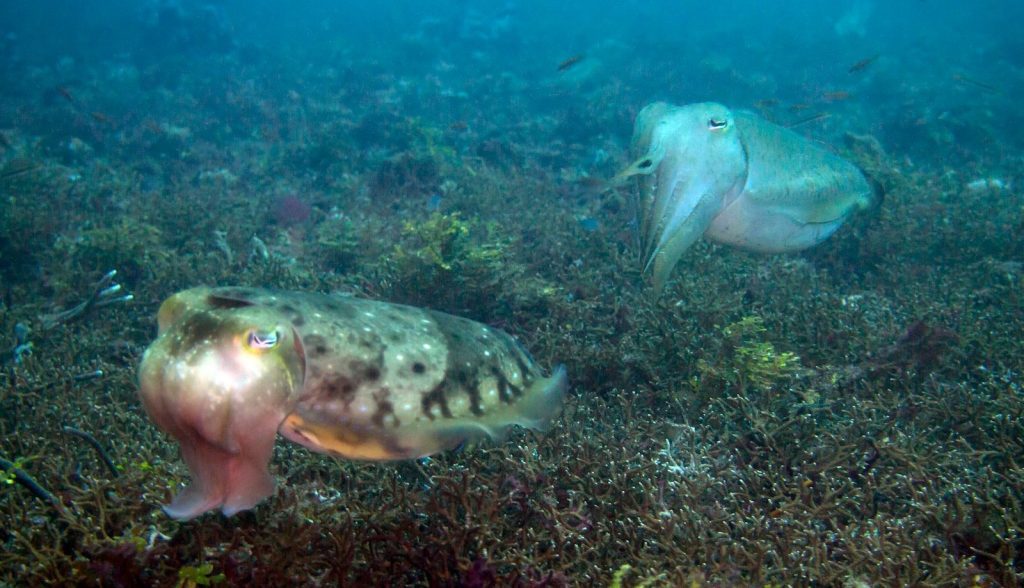
A cuttlefish can display different patterns on opposite sides of its body. One side may be directed toward a potential mate while the other sends a warning to a rival. This split display shows how precisely the nervous system can control different areas of the skin at the same time.
Cuttlefish Are Colorblind

The strangest part of the display is that cuttlefish are generally considered colorblind. Researchers continue studying how they match complex backgrounds without perceiving color as humans do. They may rely on brightness, contrast, polarization, and other visual information that helps them choose an effective pattern.
Featured Image: Photo by Marissa Farrow on Pexels