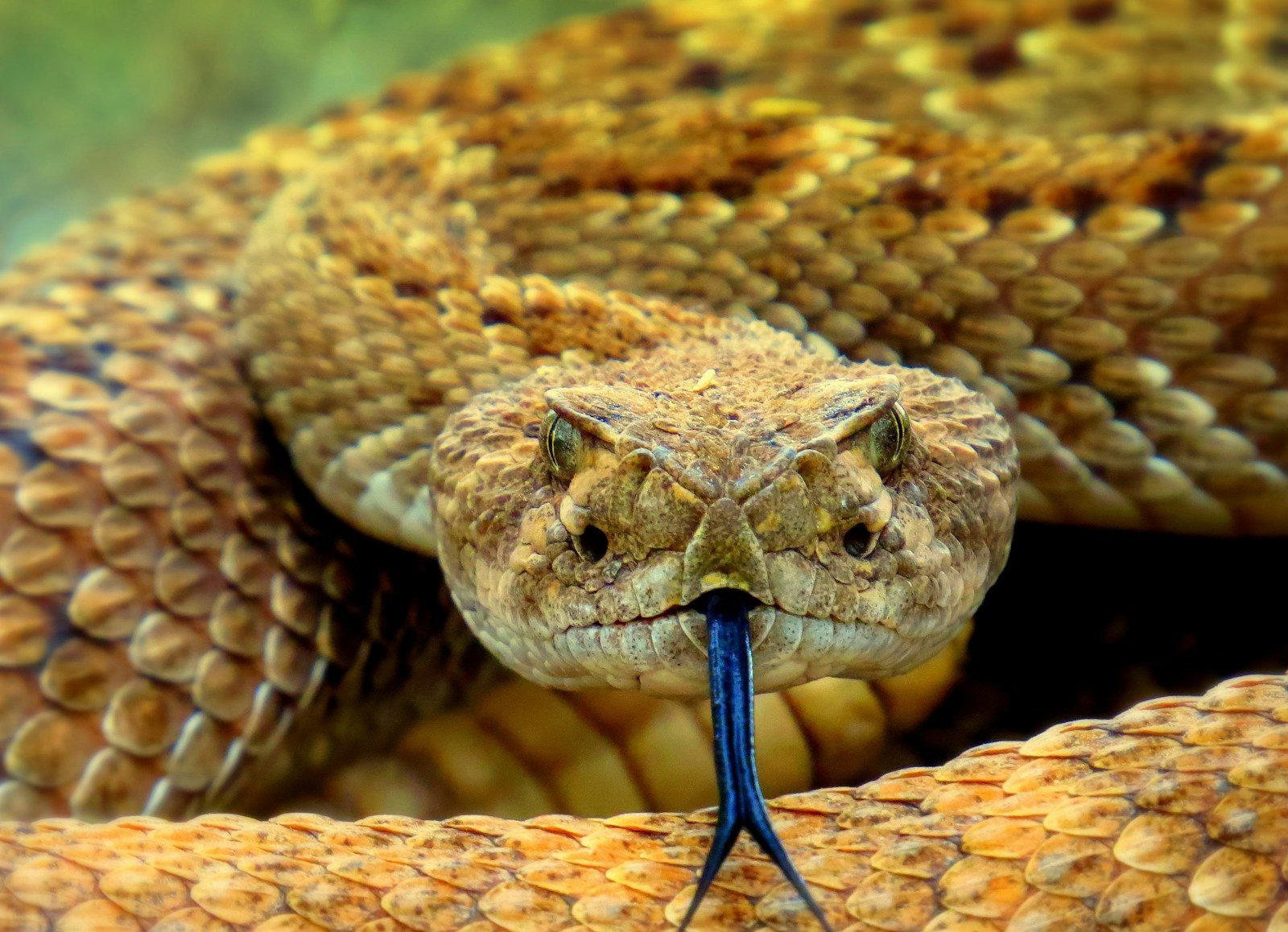
No single technique works against every animal. Running may trigger one predator, while remaining nearby may be dangerous with another. Prevention and knowledge of local wildlife offer better protection than improvised fighting.
These guidelines cannot guarantee survival or replace local authorities, guides, emergency services, or medical professionals. Learn the recommended response for animals living in the area before hiking, swimming, or camping.
Prevent the Encounter
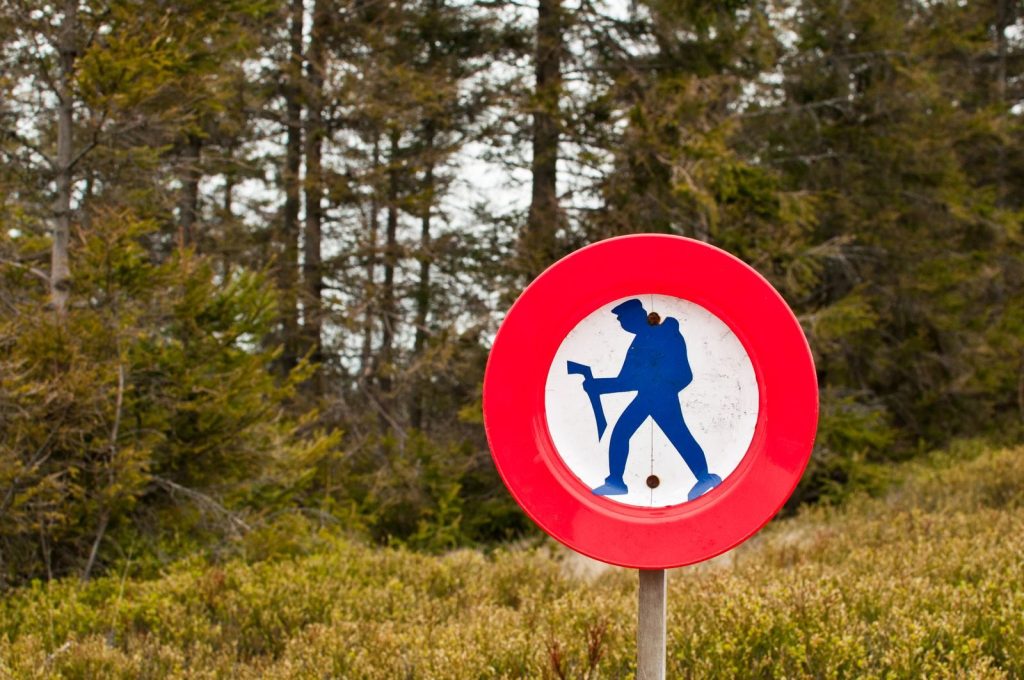
Keep a safe distance, travel on marked routes, control pets, store food securely, and never feed wildlife. Watch for tracks, warning signs, nesting areas, and water-edge hazards. Most serious encounters begin when an animal is surprised, cornered, protecting young, or attracted by food.
Bear Encounter

Do not run from a bear. During a defensive grizzly or brown bear attack, lie face down, protect your neck, spread your legs, and play dead. Fight back against a black bear attack or any bear behaving like a predator. Guidance differs by species and situation.
Mountain Lion Encounter

Face the mountain lion, remain upright, and do not run or crouch. Make yourself look larger by raising your arms or opening a jacket, speak firmly, and move away slowly. If the cat attacks, fight back with available objects while protecting your head and neck.
Snakebite Emergency
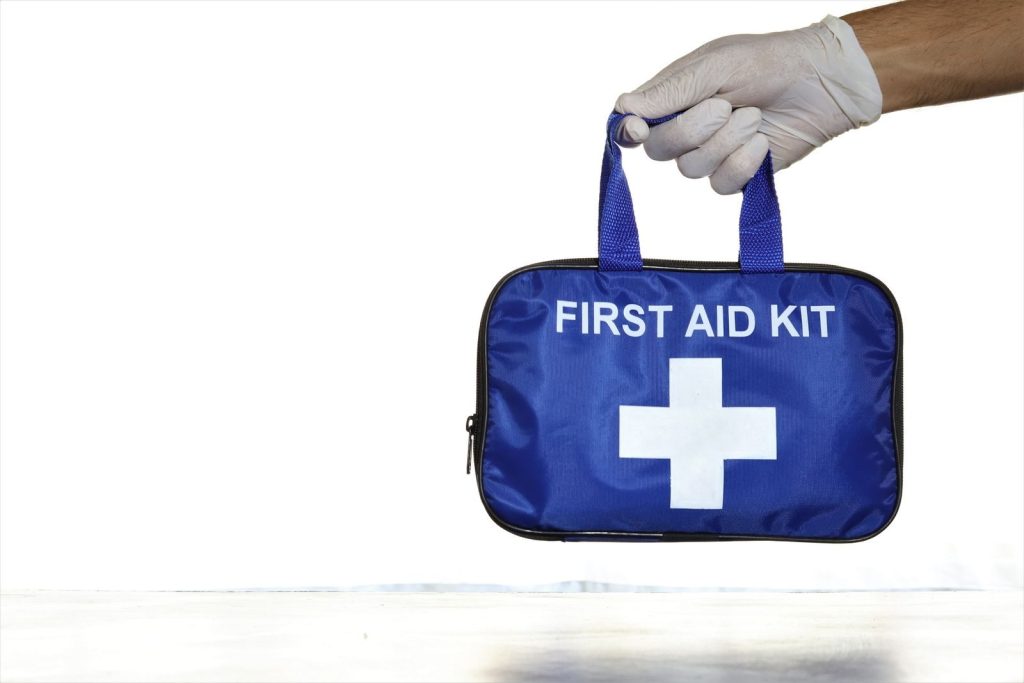
Move away from the snake and keep the bitten person still and calm. Remove rings or tight clothing before swelling begins and arrange urgent medical transport. Do not cut the wound, suck out venom, apply ice, use electric shocks, or tighten a tourniquet unless local medical guidance specifically directs otherwise.
Crocodilian Habitat

Avoid entering water or standing near banks where crocodilians are known to live. Obey signs, stay behind barriers, keep pets away, and never feed them. Reliable authorities emphasise prevention because there is no single escape trick guaranteed to stop a large crocodilian after it launches an ambush.
Shark Encounter

Remain as calm as possible, face the shark, and move steadily toward a boat or shore without frantic splashing. Do not turn your back. During physical contact, defend yourself by targeting sensitive areas such as the eyes or gills and use any solid object available.
Aggressive Dog

Do not scream or run from an unfamiliar aggressive dog. Stand still, avoid direct staring, keep your hands close, and back away slowly when possible. If knocked down, curl into a ball and protect your neck and ears. Use a bag or jacket as a barrier.
After Any Attack

Move to safety and call emergency services. Control severe bleeding with firm direct pressure. Wash bites and scratches thoroughly when possible and seek medical care because wounds may require stitches, antibiotics, tetanus protection, rabies treatment, antivenom, or evaluation for hidden internal injuries.
Featured Image: Photo by Emrah AYVALI on Pexels