High in the Himalayas, people have harvested honey for generations from colonies built directly beneath enormous cliff overhangs. The bees involved are Apis laboriosa, the largest living honey bee species.
The harvest is both culturally important and physically dangerous. Hunters may work from handmade ladders while thousands of defensive bees surround an exposed comb many meters above the ground.
Himalayan Giant Honey Bee

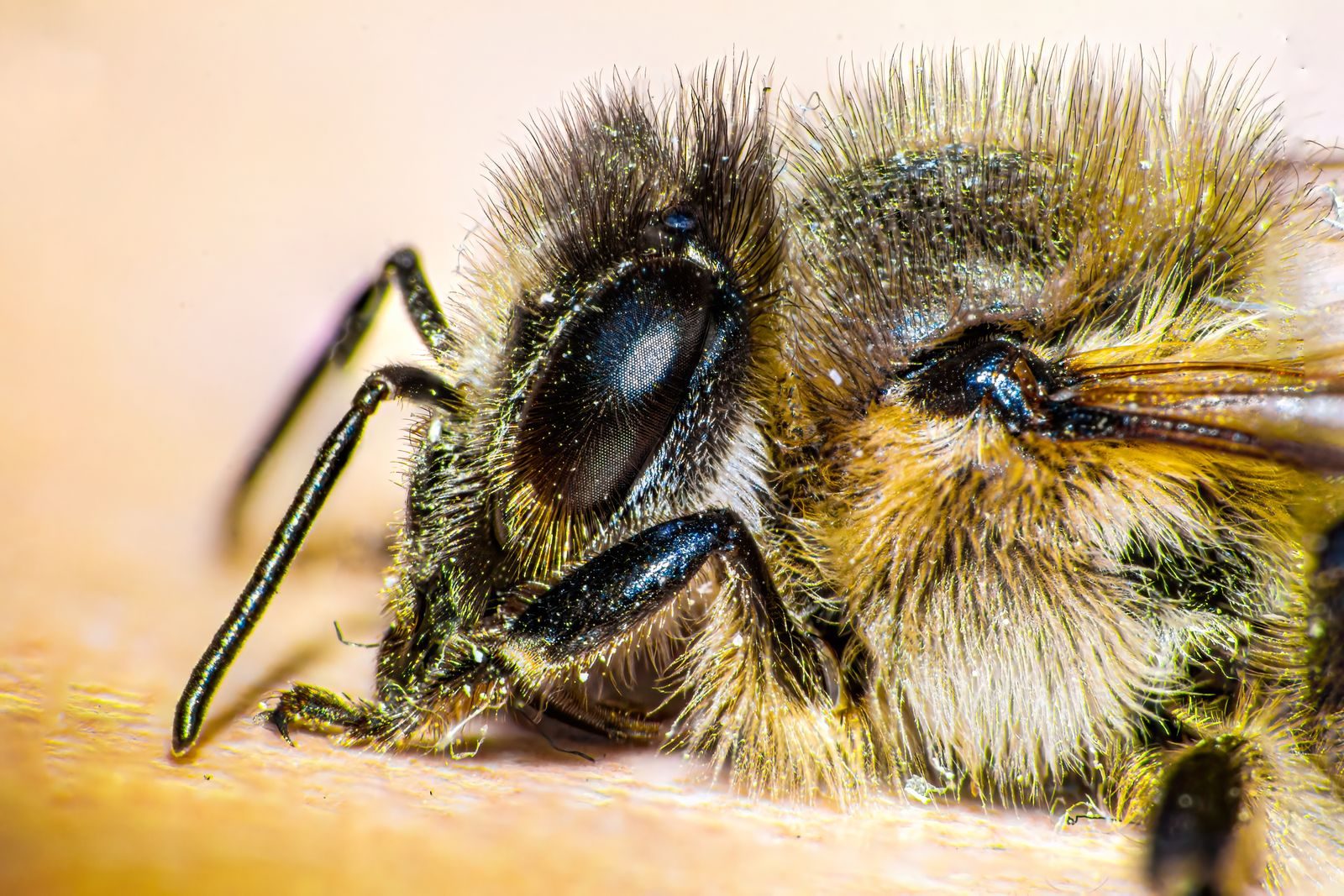
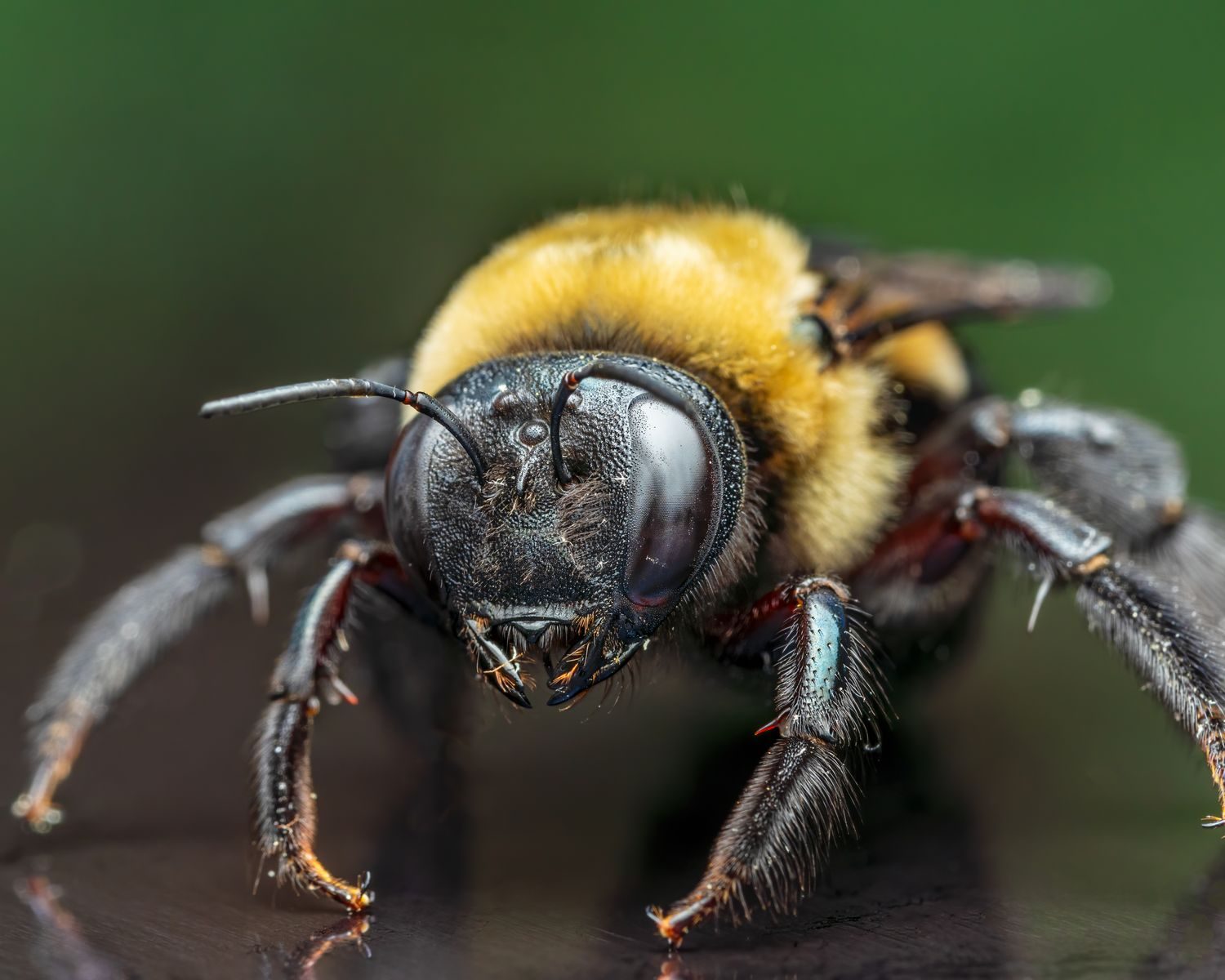
Apis laboriosa is the largest living honey bee. University of Florida researchers describe workers averaging just over three centimeters long, substantially larger than familiar western honey bees.
The species occurs mainly across the Hindu Kush-Himalayan region and neighboring mountain areas of southern Asia. Its size is only part of what makes it unusual. Unlike honey bees living inside wooden hives or tree cavities, these colonies construct one enormous exposed comb, often attached beneath steep rock overhangs in difficult mountain terrain.
Giant Cliff Nests

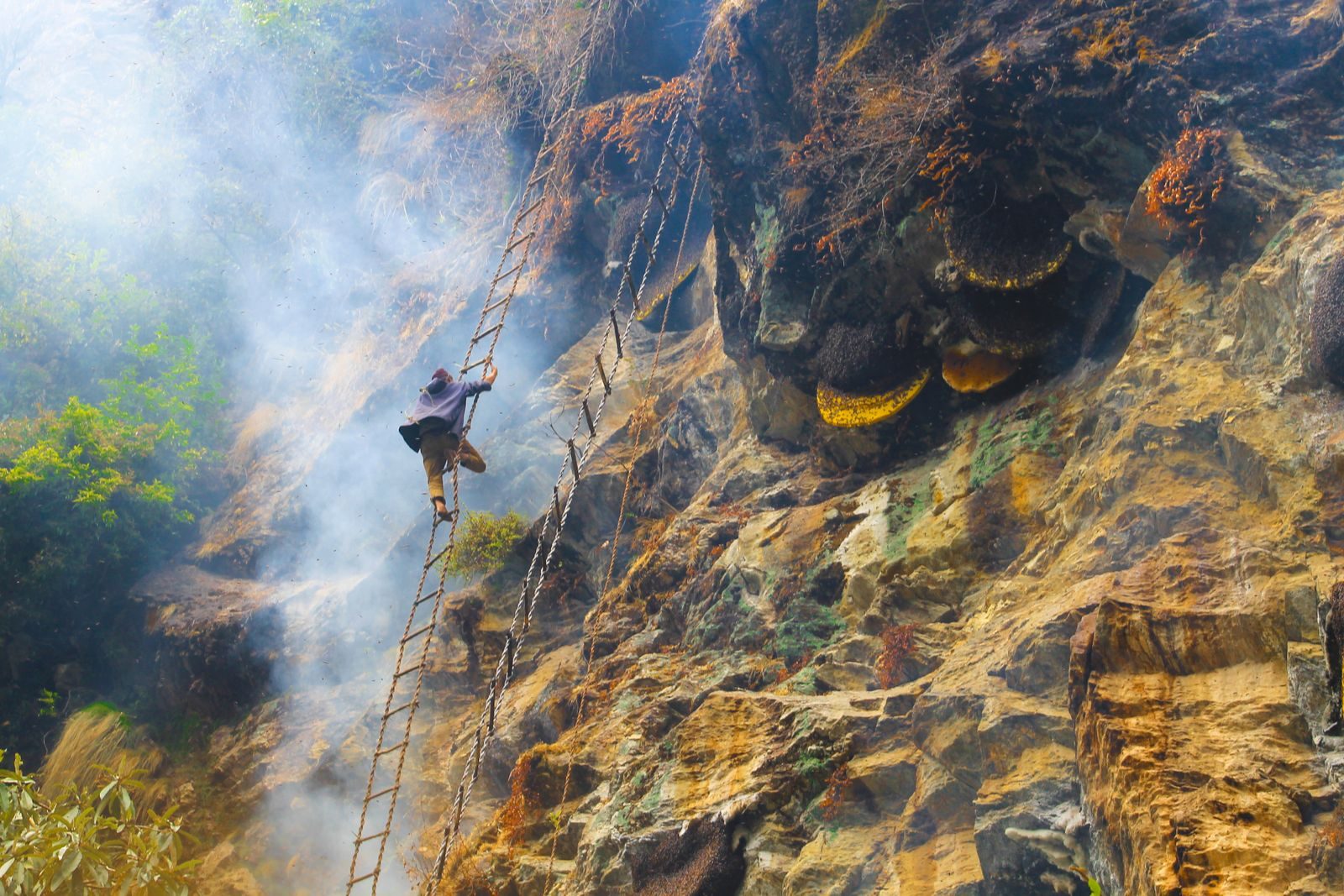
Himalayan giant honey bees commonly establish colonies on sheer cliffs beneath overhanging rock that provides some protection from weather. Individual exposed combs may reach around 1.5 meters long and one meter wide or even larger.
University of Florida guidance places documented nesting cliffs from roughly 1,200 to 4,000 meters in elevation. Colonies can also gather near one another at favorable sites, creating spectacular cliff faces covered with multiple huge combs. That location protects the bees naturally while making traditional human harvesting exceptionally difficult and potentially dangerous.
Gurung Honey Hunters

Honey hunting has deep cultural and economic importance in several Himalayan communities. ICIMOD documented the traditions, rituals, cliff rights, local knowledge, and harvesting methods associated with Apis laboriosa in Nepal’s Kaski district.
Reuters also documented Gurung hunters continuing the practice in 2024. Harvesting is a team activity rather than one person recklessly climbing toward bees. Knowledge about cliffs, weather, equipment, flowering seasons, colony locations, and how much honey may be available has historically been passed through communities whose livelihoods and cultural traditions are closely connected with these bees.
Handmade Rope Ladders

Traditional hunters can descend cliff faces using ladders made from braided bamboo rope and wooden rungs. Reuters documented a hunter working approximately 50 meters above the ground while extracting honey in Nepal.
That height makes falling at least as serious a hazard as stinging insects. Teams secure equipment above the nesting area while people below assist with ropes, smoke, baskets, and harvested comb. The method demands experience and coordination because the climber must remain balanced while simultaneously managing bees, tools, heavy honeycomb, and an exposed vertical drop.
Smoke Below the Bees

Traditional harvest teams may build a smoky fire below a cliff colony. Rising smoke drives or deters many defensive workers away from the exposed comb, allowing the climber to approach more closely.
Smoke does not turn thousands of wild bees harmless. Workers can continue flying and stinging around the hunter, making protective nets or other precautions valuable. University of Florida descriptions show that smoke forms only one part of a larger harvesting system involving ladders, baskets, long tools, and people working together from different positions above and below the nest.
Cutting the Honeycomb
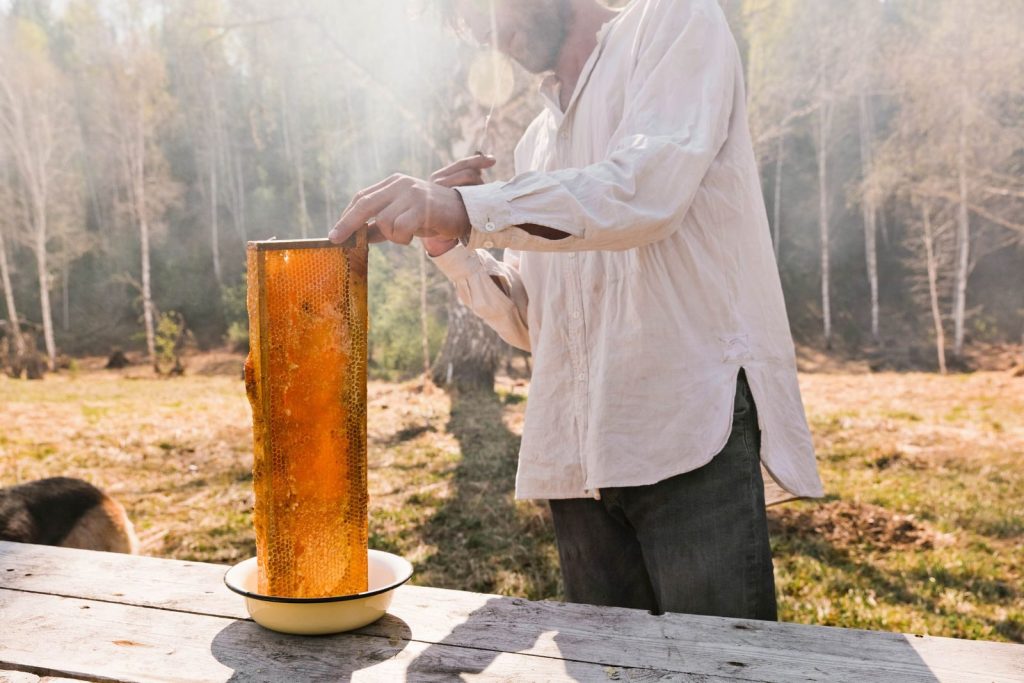
A hunter suspended beside the colony can use long poles and cutting tools to separate portions of comb from the cliff. A basket positioned beneath the section catches honeycomb instead of allowing it to fall far below.
One colony can contain a substantial honey reserve. University of Florida researchers summarize estimates of roughly 25–60 kilograms of honey produced per colony annually in Nepal, although yields vary. Harvesting therefore offers meaningful food and income, but removing too much comb or repeatedly disturbing colonies can also create serious pressure on already vulnerable wild bee populations.
Mad Honey

Some spring honey produced by Himalayan cliff bees can contain grayanotoxins gathered from certain rhododendrons and related plants. This product is often called red honey or “mad honey” because consuming enough can cause intoxication and poisoning.
Reported effects include nausea, vomiting, weakness, low blood pressure, slowed heart rate, visual problems, and, in severe cases, seizures or loss of consciousness. The honey’s reputation for producing unusual sensations has increased commercial interest, but natural origin does not make it medically harmless. The toxic compounds come directly from the flowers visited by bees.
Protecting Cliff Bees
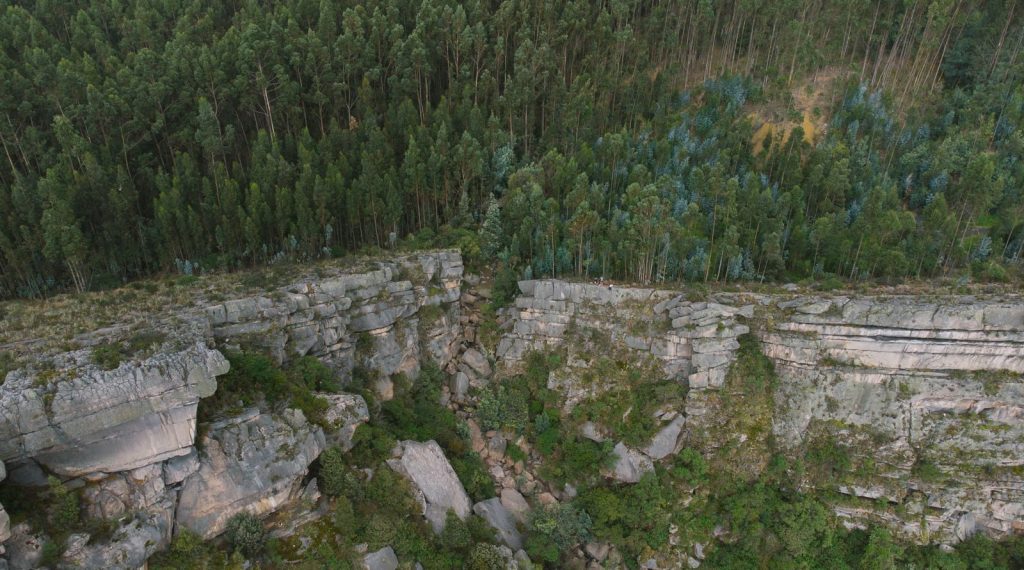
The spectacle of cliff harvesting hides a conservation problem. ICIMOD documented declines in Apis laboriosa colonies and warned that habitat change and human interference threaten both the bees and the indigenous knowledge surrounding traditional honey hunting.
More recent reporting from Nepal describes fewer hives and declining harvests, with experts pointing to changing climate, deforestation, altered water systems, pesticides, and other pressures. Sustainable harvesting therefore means protecting nesting cliffs and forage as well as maintaining traditions. Without healthy wild bee populations, neither mountain pollination nor honey-hunting culture can persist.
Featured Image: Photo by Aakash Karki on Pexels