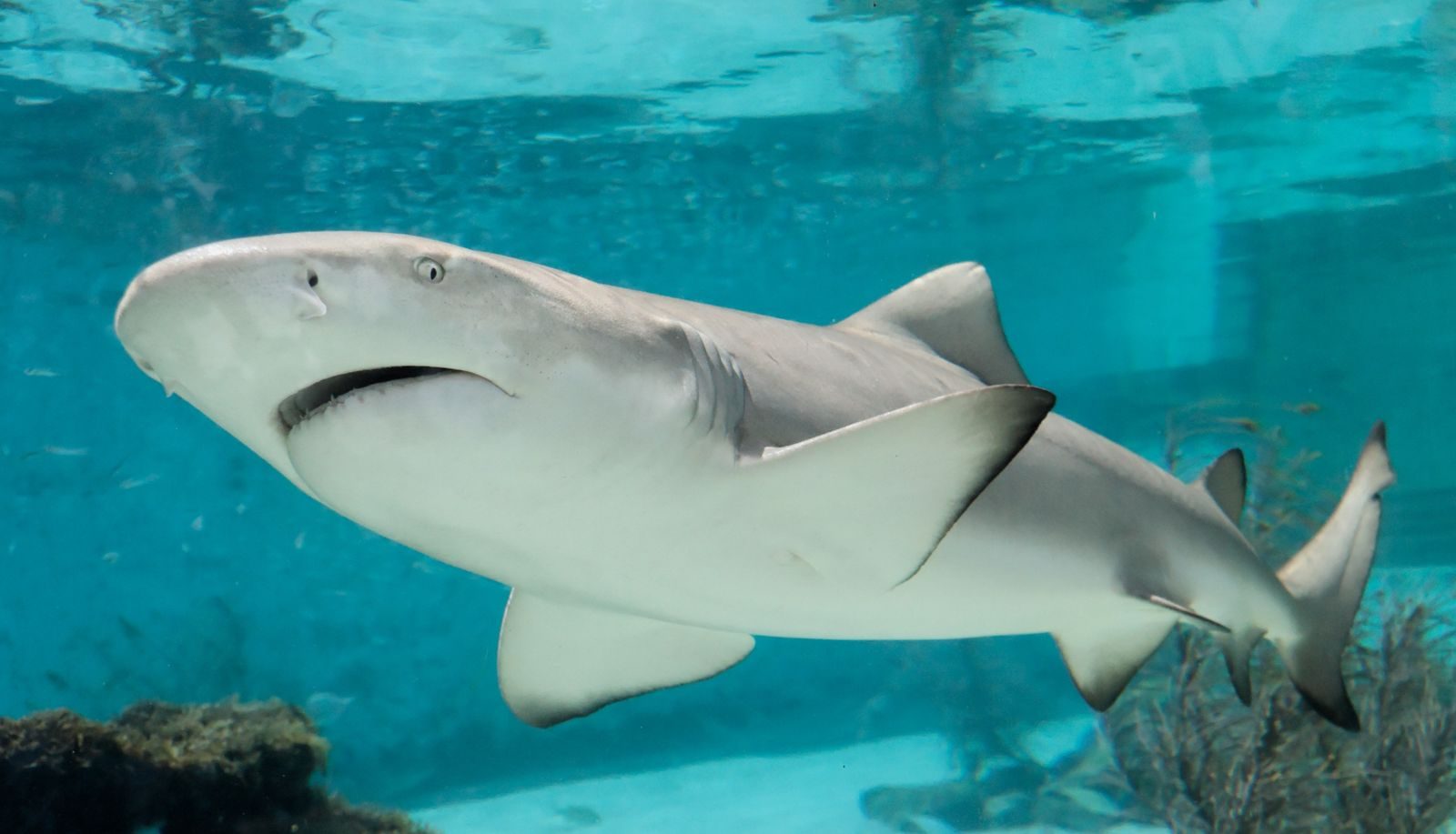
The exact attack described by the original title cannot be independently verified. However, sharks really have survived for years inside isolated freshwater lakes that looked nothing like normal shark habitat.
Bull sharks make such stories possible because they possess an unusual ability to move between saltwater and freshwater. One remarkable Australian population lived inside a golf-course lake for nearly two decades.
Bull Shark
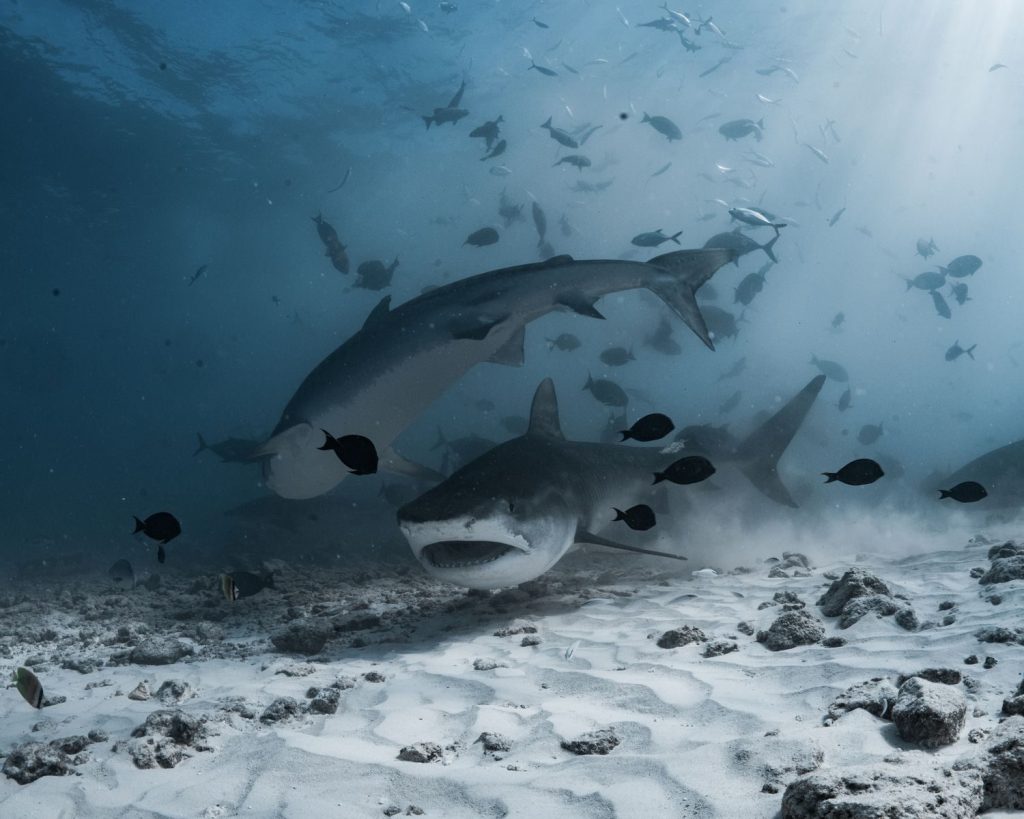
Bull sharks normally inhabit warm coastal and estuarine waters, but they are unusual among sharks because they can also enter rivers and survive in freshwater. Their range therefore extends into habitats where most people would never expect a large shark.
They are powerful predators that eat fishes and other animals available locally. Their freshwater ability does not mean ponds routinely contain sharks, but it makes genuine inland records biologically possible when rivers, flooding, and connected waterways provide an entry route.
Freshwater Adaptation

Most marine sharks must carefully maintain the balance of salts and water inside their bodies. Bull sharks have unusually flexible osmoregulation, using their kidneys, gills, rectal gland, liver, and changes in body chemistry to cope with different salinities.
In freshwater they reduce the concentration of urea in their tissues and produce very dilute urine, helping remove the excess water entering their bodies. This remarkable physiology lets them travel far beyond ordinary marine habitat without immediately suffering the salt-balance problems other sharks would face.
Carbrook Golf Course

One of the strangest documented cases occurred at Carbrook Golf Club near Brisbane, Australia. Researchers reported that six juvenile bull sharks became trapped inside a roughly 51-acre golf-course lake after major flooding connected it with nearby rivers in 1996.
When floodwaters withdrew, the sharks remained behind. Instead of quickly dying, they persisted in the isolated lake for years, becoming famous among golfers. The case demonstrated that bull sharks can survive long-term in a freshwater environment dramatically different from a normal coastal nursery.
Floods Brought Them In

The Carbrook sharks did not appear mysteriously in an isolated pond. Flooding from the nearby Logan and Albert river systems temporarily connected the lake with waters accessible to bull sharks, allowing young animals to enter during exceptionally high water.
Once the flood receded, that connection disappeared and the sharks were effectively stranded. Similar events show why unusual wildlife can suddenly appear in apparently isolated water after floods. The surrounding landscape may temporarily become one connected aquatic system before returning to separate lakes, channels, and rivers.
Seventeen Years in the Lake
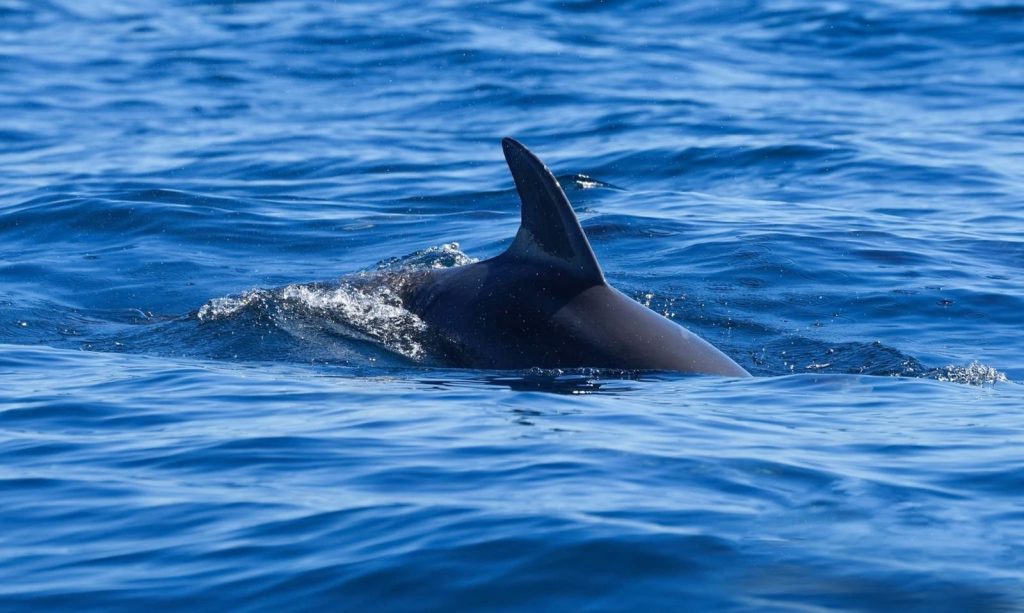
The Carbrook bull sharks were reported in the golf-course lake from 1996 until 2013. Their survival showed that freshwater was not merely something they could tolerate for a few hours while passing through a river.
Researchers reviewing the case found that the lake apparently provided enough food and suitable conditions for the animals to persist. Their eventual disappearance followed another period of flooding, although exactly what happened to every individual was not established. The extraordinary case remains one of the clearest examples of long-term bull shark survival in isolated freshwater.
Sharks Far Up Rivers

Golf-course lakes are unusual, but bull sharks entering rivers are not. Scientific reviews document freshwater appearances on several continents, including remarkable historical records from the Mississippi River basin far inland from the Gulf of Mexico.
Only a very small number have been confirmed so far upstream, so these records should not create panic about every American river. They demonstrate physiological capability rather than everyday abundance. Bull sharks normally remain much more associated with coastal, estuarine, and lower-river environments where warm shallow water and prey are readily available.
Shark Bites Remain Rare

Bull sharks are capable of seriously injuring people, particularly because they occupy shallow environments that humans also use. That does not mean discovering a bull shark automatically leads to an attack.
The International Shark Attack File investigated 105 alleged shark-human interactions worldwide during 2025 and confirmed 65 unprovoked bites involving all shark species combined. Shark bites therefore remain uncommon relative to the enormous number of people entering aquatic habitats annually. A viral “pond attack” should never be treated as genuine without independent evidence supporting the specific event.
Freshwater Shark Records

Bull sharks reveal why animal habitat labels are rarely absolute. A species strongly associated with the ocean can still possess adaptations allowing it to exploit estuaries, rivers, and occasionally isolated freshwater bodies when geography and flooding create the opportunity.
The Carbrook case is more remarkable than an invented monster story because six genuine sharks apparently survived for years beside a golf course. Their presence was not evidence that sharks are secretly filling ponds worldwide—it was an exceptional outcome produced by one exceptionally adaptable species and an unusual flooding event.
Featured Image: Photo by Holger Wulschlaeger on Pexels