Flying with a dog or cat can make travel feel easier for pet owners, but it also requires careful planning. Airline rules, health paperwork, carrier requirements, and your pet’s comfort all matter before booking a flight.
For some animals, flying may be manageable. For others, especially anxious, elderly, very young, or short-nosed pets, staying home with a sitter may be the safer choice.
Check Airline Rules Before Booking
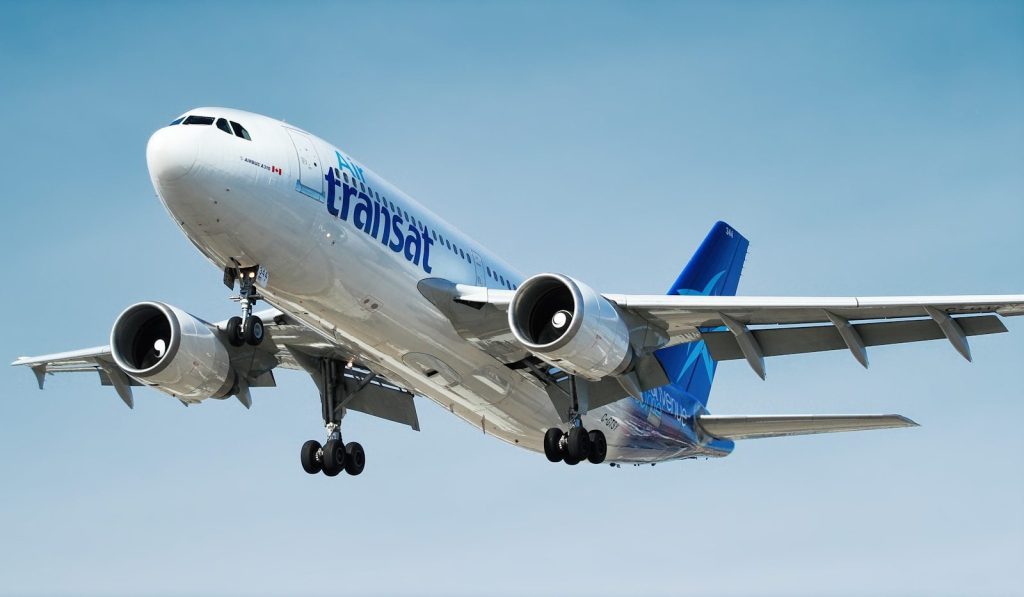
Every airline has its own pet policy, so owners should check the rules before buying a ticket. Some pets may travel in the cabin, while others may need to fly in cargo.
Airlines often limit the number of pets allowed on each flight. That means booking early is important, especially during busy travel seasons.
There may also be size, weight, breed, and age restrictions. Short-nosed breeds may face extra limits because of breathing risks during air travel.
Visit the Vet Before Travel
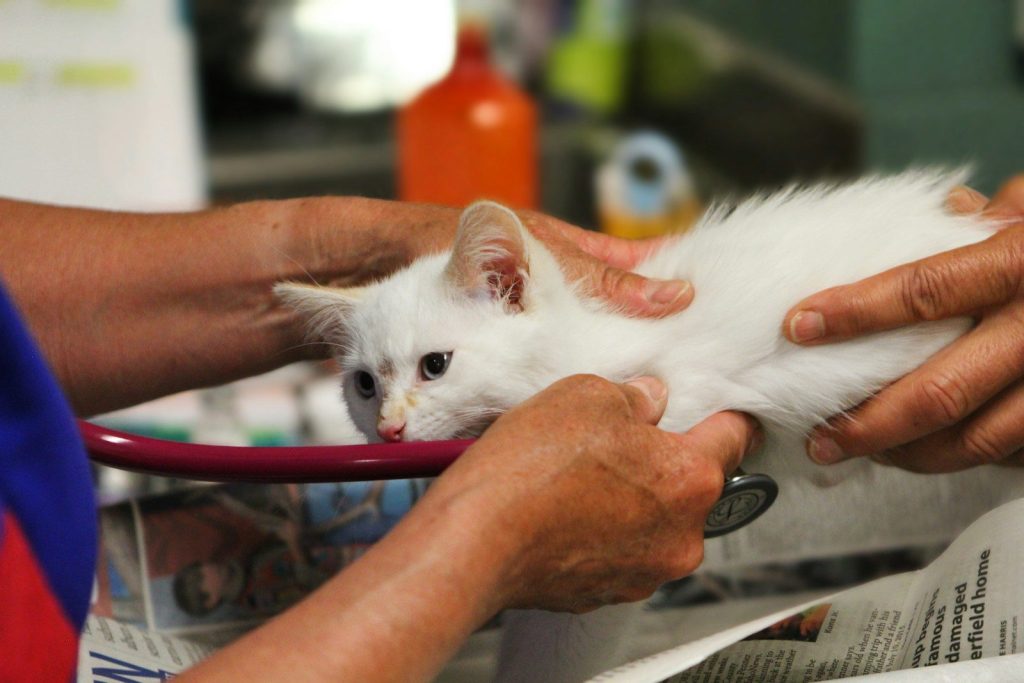
A vet visit is one of the most important steps before flying with a pet. Your veterinarian can confirm whether your dog or cat is healthy enough to travel.
Some airlines and destinations require a health certificate issued within a specific period before departure. International trips may also require vaccines, microchips, or additional documents.
Owners should also ask about feeding, hydration, anxiety, and medication. Sedatives should never be given without veterinary advice, as they can create health risks during flights.
Choose the Right Carrier
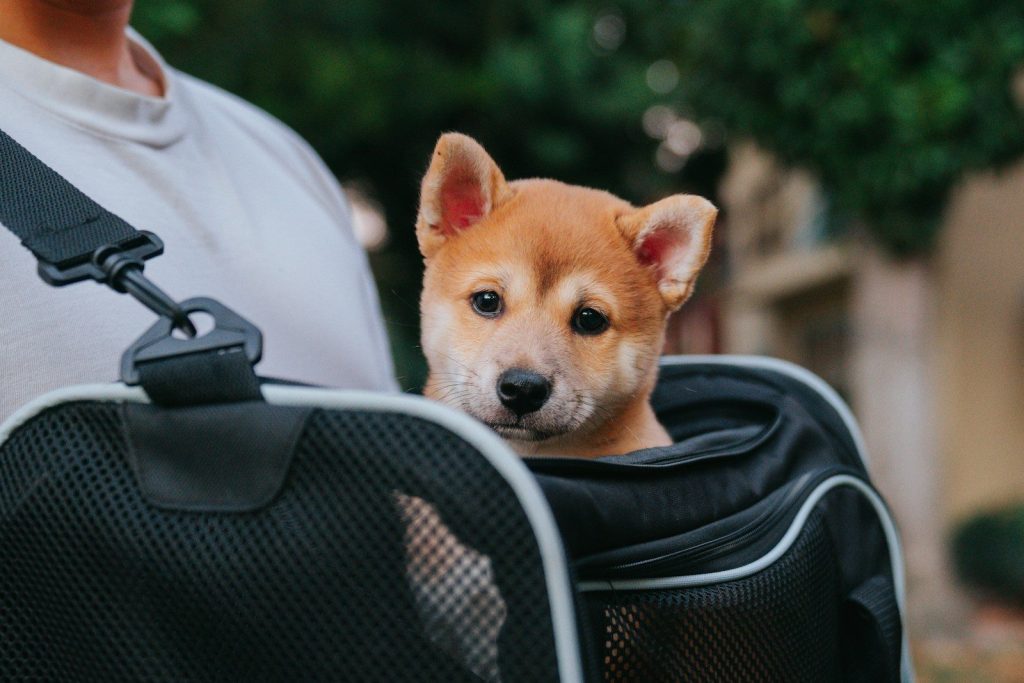
Pets traveling in the cabin usually need to remain inside an airline-approved carrier under the seat. The carrier should be well-ventilated, secure, leak-proof, and comfortable.
Your pet should be able to stand, turn around, and lie down inside. A familiar blanket or toy may help reduce stress during the journey.
Carrier training should begin before the trip. Letting a pet spend time inside the carrier at home can make the airport and flight experience less frightening.
Prepare for the Airport Process
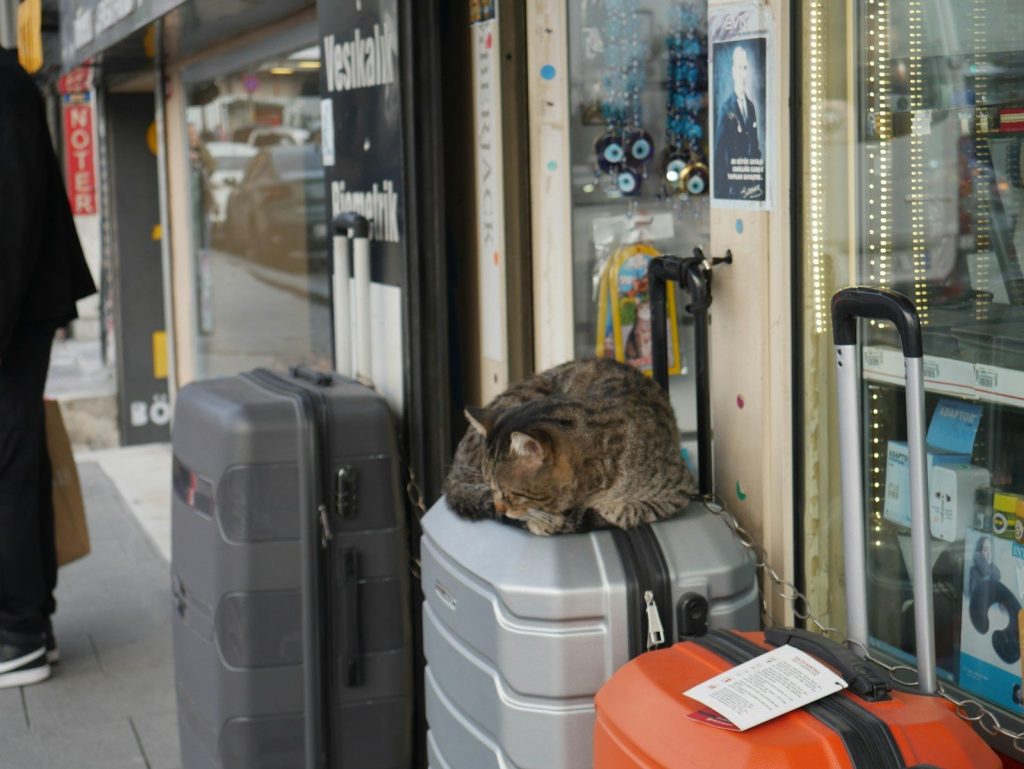
Traveling with a pet usually means arriving earlier than usual. Owners may need to check in at the airline counter and show required documents.
At security, pets are typically removed from the carrier while the carrier goes through screening. This can be stressful, so a secure leash or harness is important.
Many airports have pet relief areas, but their locations vary. Owners should check airport maps in advance and allow time for bathroom breaks before boarding.
Keep Comfort and Safety First

Pets should not eat a heavy meal right before flying. A light meal a few hours before departure may help reduce discomfort or motion sickness.
Owners should keep water available when possible and avoid unnecessary stress. Nonstop flights are often better because they reduce transfers, delays, and handling.
During the flight, pets should remain calm and inside their carrier. If a pet becomes highly distressed, owners should follow crew instructions and avoid opening the carrier.
Know When Not to Fly
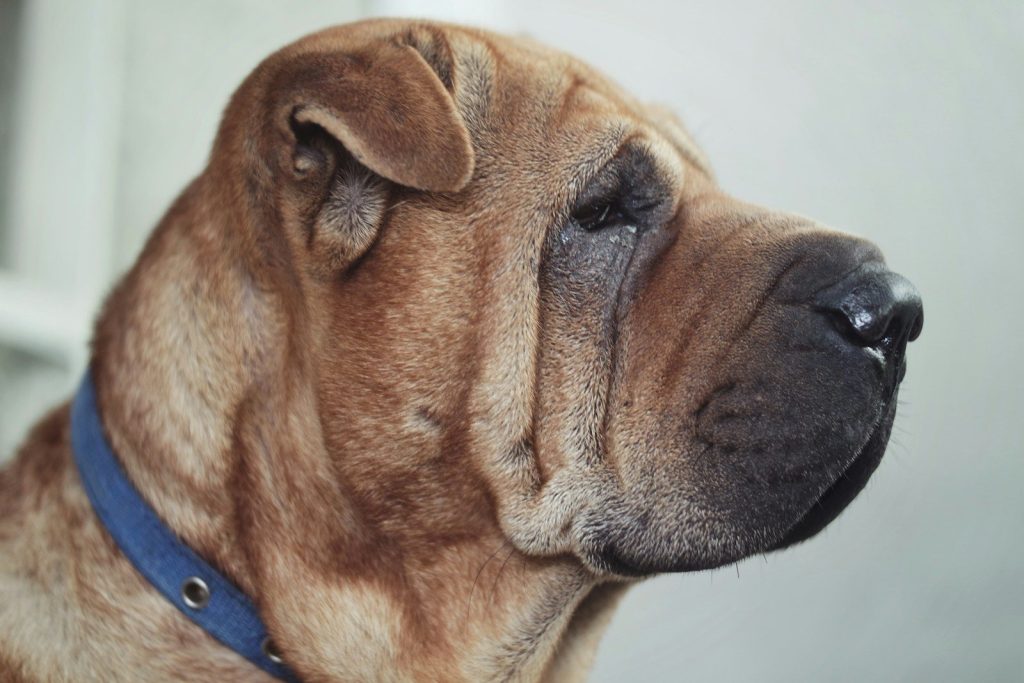
Not every pet is suited for air travel. Older animals, sick pets, very young puppies or kittens, and anxious animals may struggle with the experience.
Short-nosed dogs and cats can also face higher breathing risks, especially in cargo. For these pets, owners should discuss alternatives with a veterinarian.
Sometimes the kindest travel decision is leaving a pet at home with a trusted sitter, family member, or boarding facility. Flying should only be chosen when it is safe and necessary.