A tiny, abandoned foal’s fight for survival has done more than touch the hearts of the veterinary team who saved it. It has inspired them to take on the Great North Run, one of the UK’s biggest endurance events, to raise funds for animal welfare work.
What began as an emergency rescue has now evolved into a powerful fundraising mission driven by compassion, resilience, and hope for other vulnerable animals.
A Life Hanging in the Balance
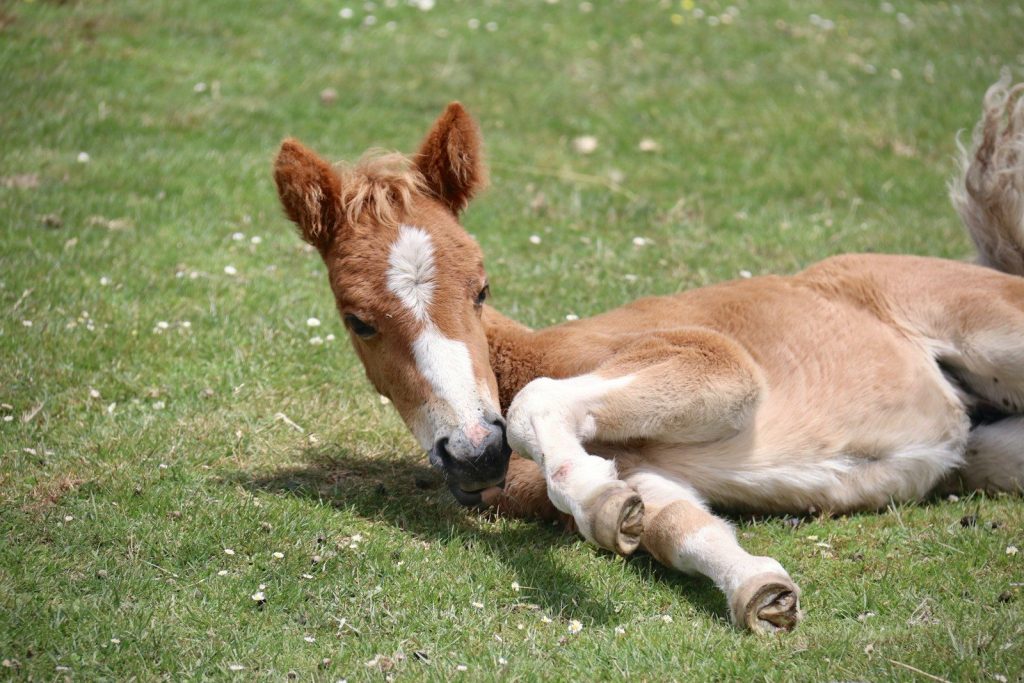
Newborn foals are extremely fragile in their earliest days, relying entirely on their mothers for nutrition and immune protection. Without that care, survival becomes uncertain.
This foal was found in a critical condition and required immediate intervention from veterinary professionals. Every hour mattered as the team worked to stabilize and support its early development.
Intensive Care and Round-the-Clock Attention
Caring for an orphaned foal is one of the most demanding tasks in veterinary medicine. It requires constant feeding, careful monitoring, and ongoing medical supervision.
The team had to manage hydration, nutrition, and growth while watching closely for complications. Despite the pressure, they continued providing steady care through the most delicate stages of recovery.
From Recovery to Inspiration
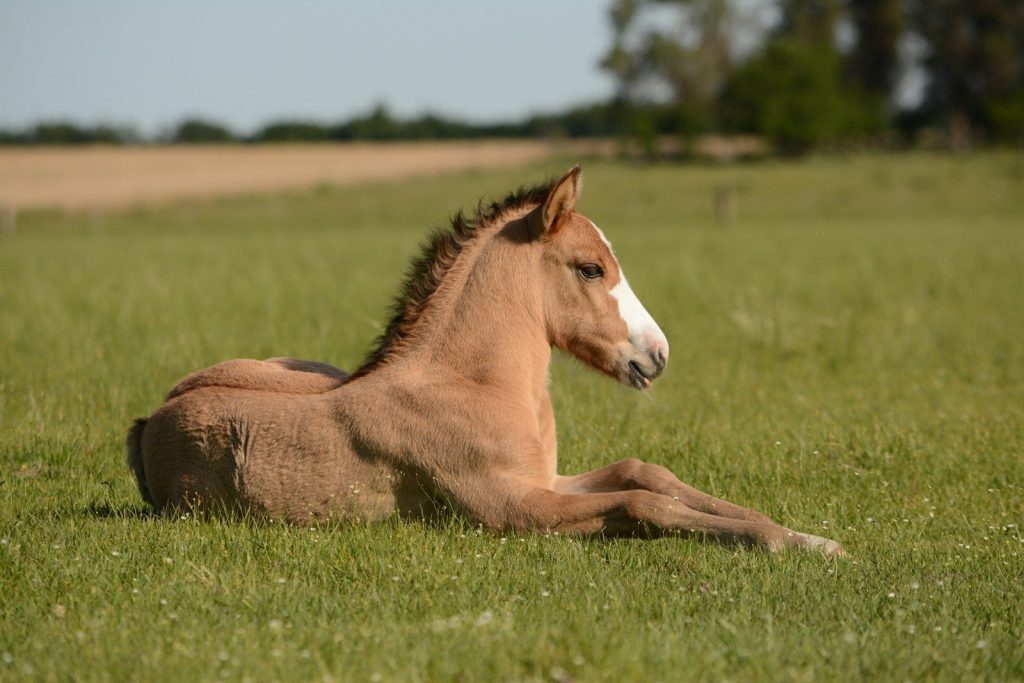
As the foal began to improve, its progress had a strong emotional impact on the people caring for it. Each small milestone became a reminder of what dedicated care can achieve.
That sense of progress eventually turned into motivation. The team decided to channel their experience into something larger than the individual case.
Running for a Cause That Matters
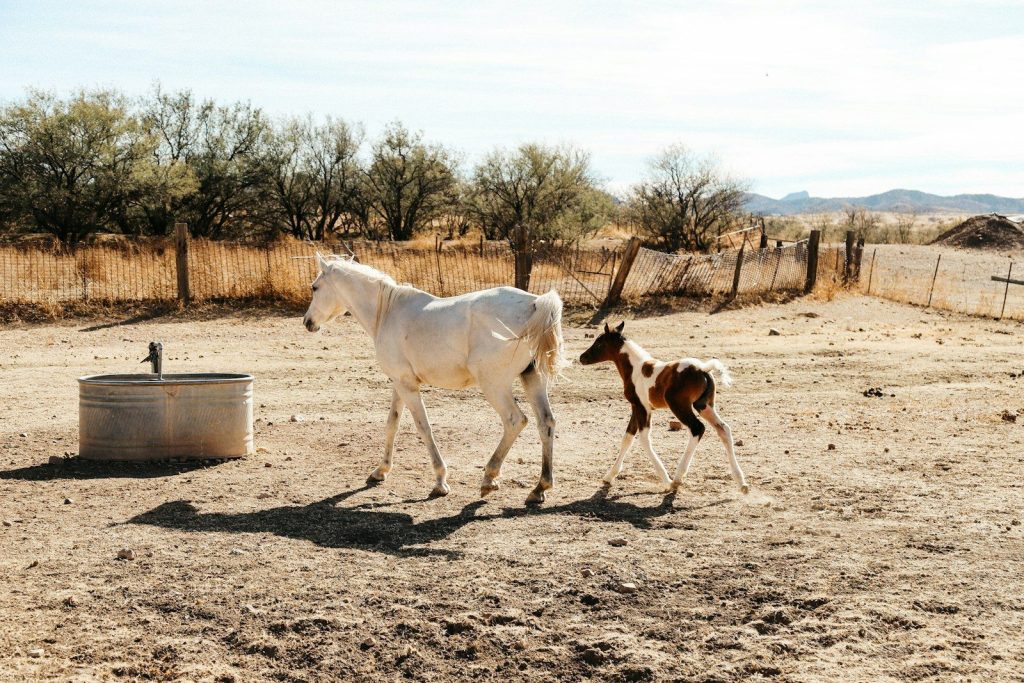
Inspired by the foal’s recovery, members of the veterinary team committed to participating in the Great North Run. The goal is to raise funds and awareness for animal rescue and rehabilitation.
The event brings together thousands of runners each year, and for this team, it represents more than a race. It is a way to support future animals who need urgent care and protection.
Why Fundraising Is Essential in Animal Rescue

Animal welfare organizations often rely on donations to operate. Medical treatment, emergency interventions, and long-term rehabilitation can be costly and continuous.
Young and abandoned animals require especially intensive resources. Fundraising ensures that shelters and veterinary teams can respond quickly when the next emergency arrives.
The Emotional Reality Behind Veterinary Work
Behind every rescue is a team that experiences both hardship and hope. Veterinary professionals regularly care for animals at their most vulnerable moments.
Seeing recovery after critical illness can be deeply rewarding. It reinforces the emotional commitment that drives many people in animal care.