Every spring and summer, the beaches and dunes of Lindisfarne, better known as Holy Island, become a vital sanctuary for some of Britain’s most remarkable coastal birds. Species such as Arctic terns, little terns, and ringed plovers return to these shores to breed, raise chicks, and continue life cycles that have unfolded for generations.
Yet these birds face growing challenges. As visitor numbers increase and coastal habitats come under pressure, conservationists and volunteers are stepping in to ensure these fragile species have the best possible chance of survival.
A Crucial Breeding Ground for Coastal Wildlife
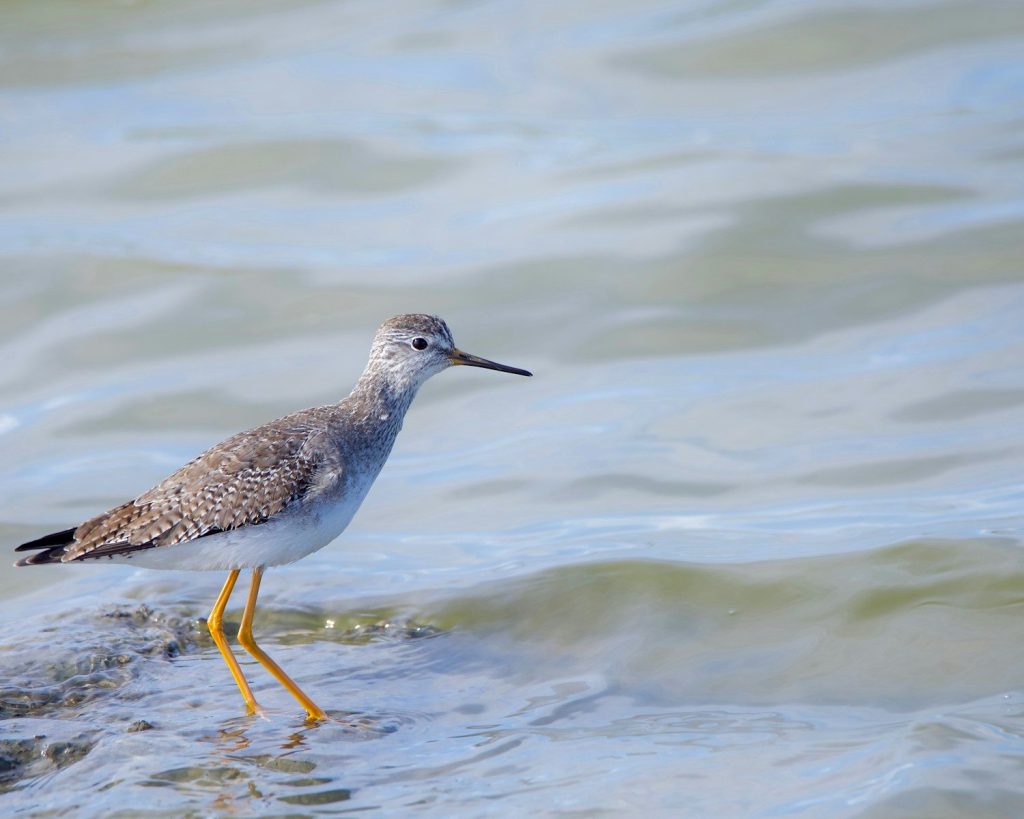
Holy Island’s coastline provides ideal nesting habitat for several shorebird species. The island’s beaches, dunes, and open stretches of shoreline offer safe places for birds to lay eggs and raise their young during the breeding season.
However, these same scenic locations attract thousands of visitors each year. Balancing public enjoyment with wildlife protection has become one of the key challenges facing conservation teams working in the area.
Why Shorebirds Are Especially Vulnerable
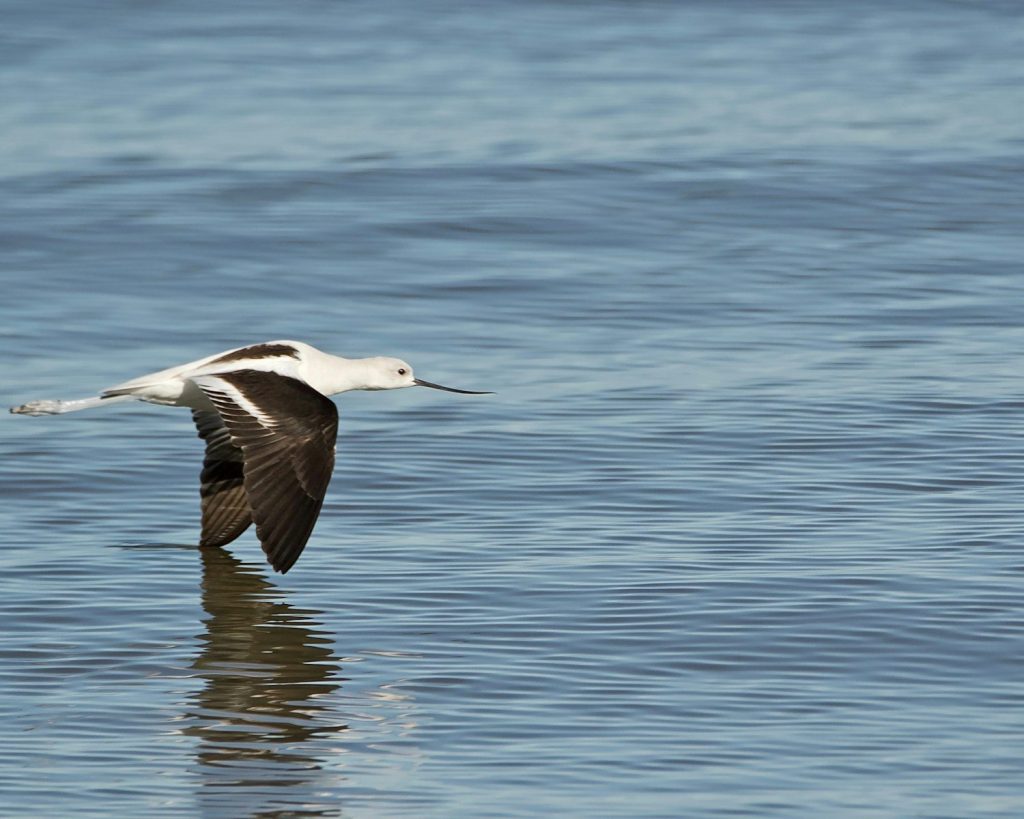
Many shorebirds nest directly on open ground rather than in trees or dense vegetation. Their eggs and chicks are often perfectly camouflaged against sand, gravel, and pebbles, making them difficult to spot even for experienced observers.
While camouflage helps protect them from natural predators, it leaves them vulnerable to accidental disturbance from walkers, dogs, cyclists, and other recreational activities. Even a brief disruption can force adult birds away from their nests, exposing eggs and chicks to predators or harsh weather conditions.
The Incredible Journey of Arctic Terns
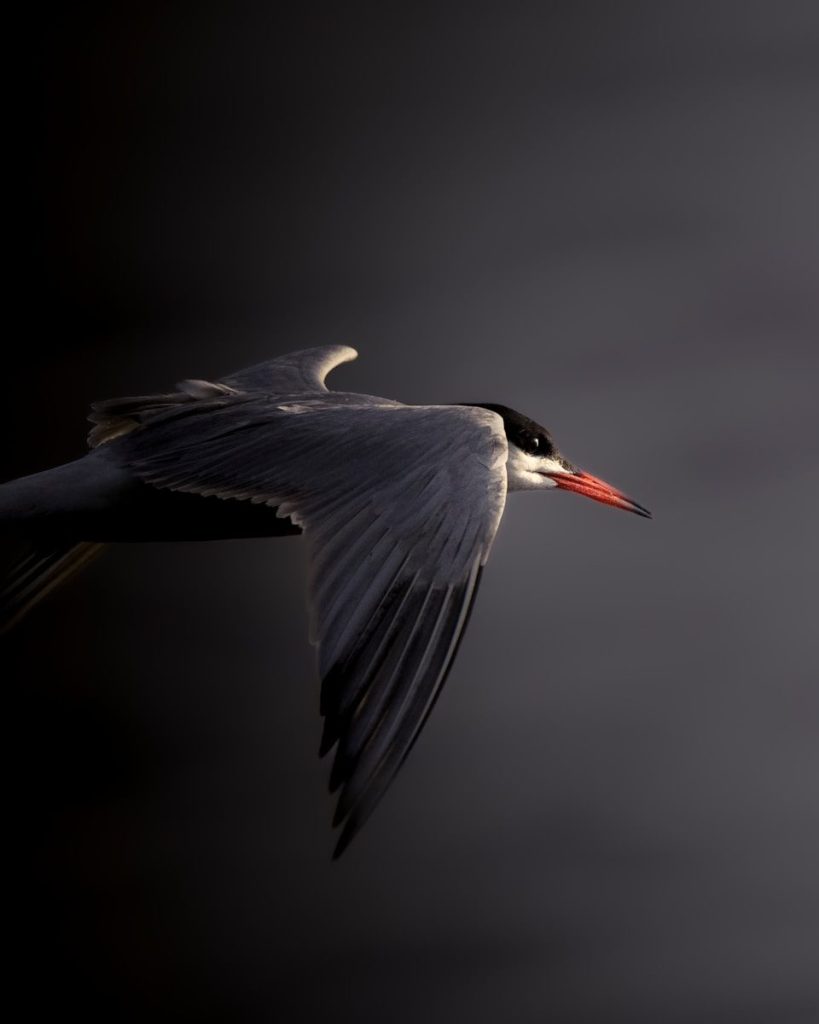
Among Holy Island’s most celebrated visitors is the Arctic tern, a species known for completing one of the longest migrations on Earth. These seabirds travel between Arctic breeding grounds and Antarctic waters every year, covering tens of thousands of miles during their annual journey.
After such an extraordinary migration, a successful breeding season is essential. Every nest represents the continuation of a remarkable life cycle that spans the globe.
Ringed Plovers Depend on Safe Beaches
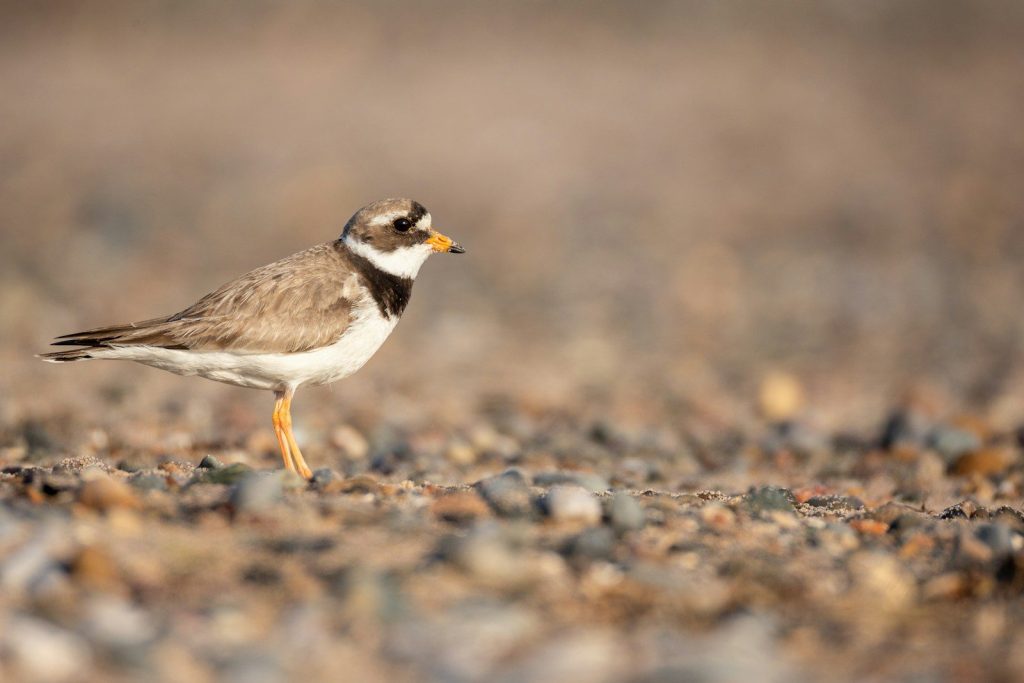
Ringed plovers face similar challenges during nesting season. These small birds create simple nests in shallow scrapes on open beaches, often close to the high-tide line.
Their chicks leave the nest shortly after hatching and begin moving independently, making them especially vulnerable in busy coastal areas. Protecting these nesting sites is critical to ensuring young birds survive long enough to fledge.
Volunteers Are Making a Real Difference
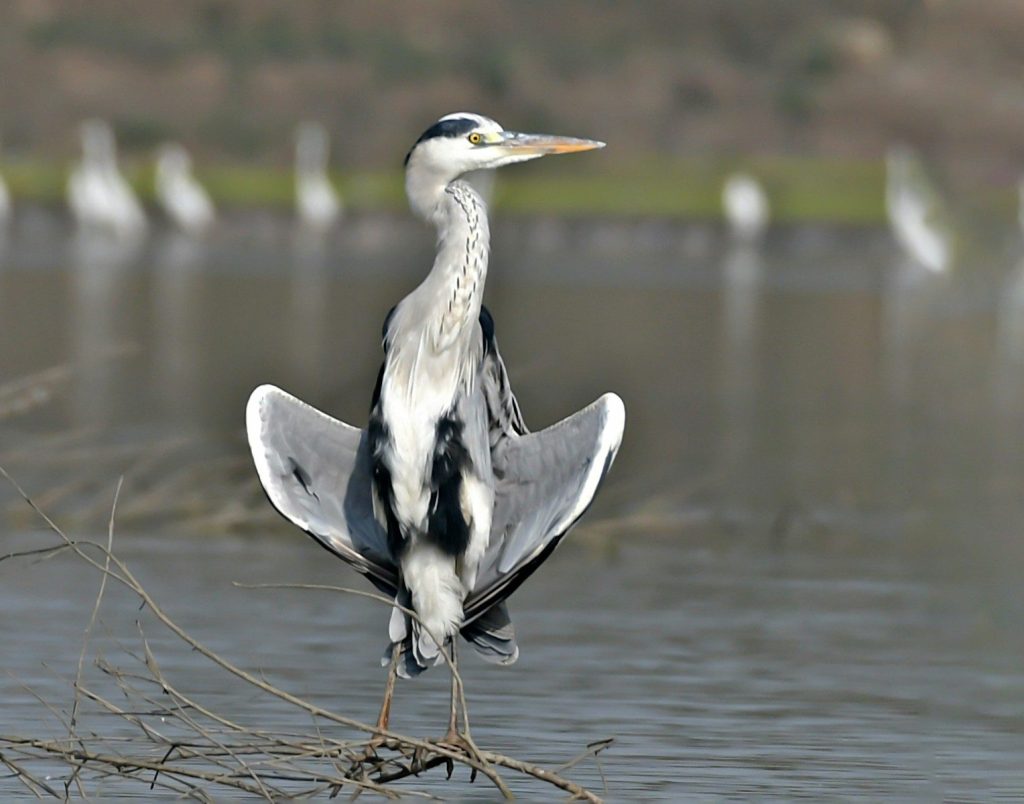
The protection of Holy Island’s shorebirds relies heavily on dedicated volunteers. Throughout the breeding season, they monitor nesting colonies, install temporary fencing, and engage with visitors to explain the importance of sensitive wildlife areas.
Much of their success comes through education rather than enforcement. Once visitors understand that seemingly empty stretches of beach may contain hidden nests and chicks, many are eager to help protect them.
Small Actions Create Lasting Impact
Conservation groups emphasize that simple actions can significantly improve breeding success. Following signs, respecting temporary barriers, keeping dogs under control, and avoiding marked nesting areas all help reduce disturbance.
These small efforts may seem minor, but they can make a significant difference for birds already facing pressures from habitat loss, climate change, and coastal development.