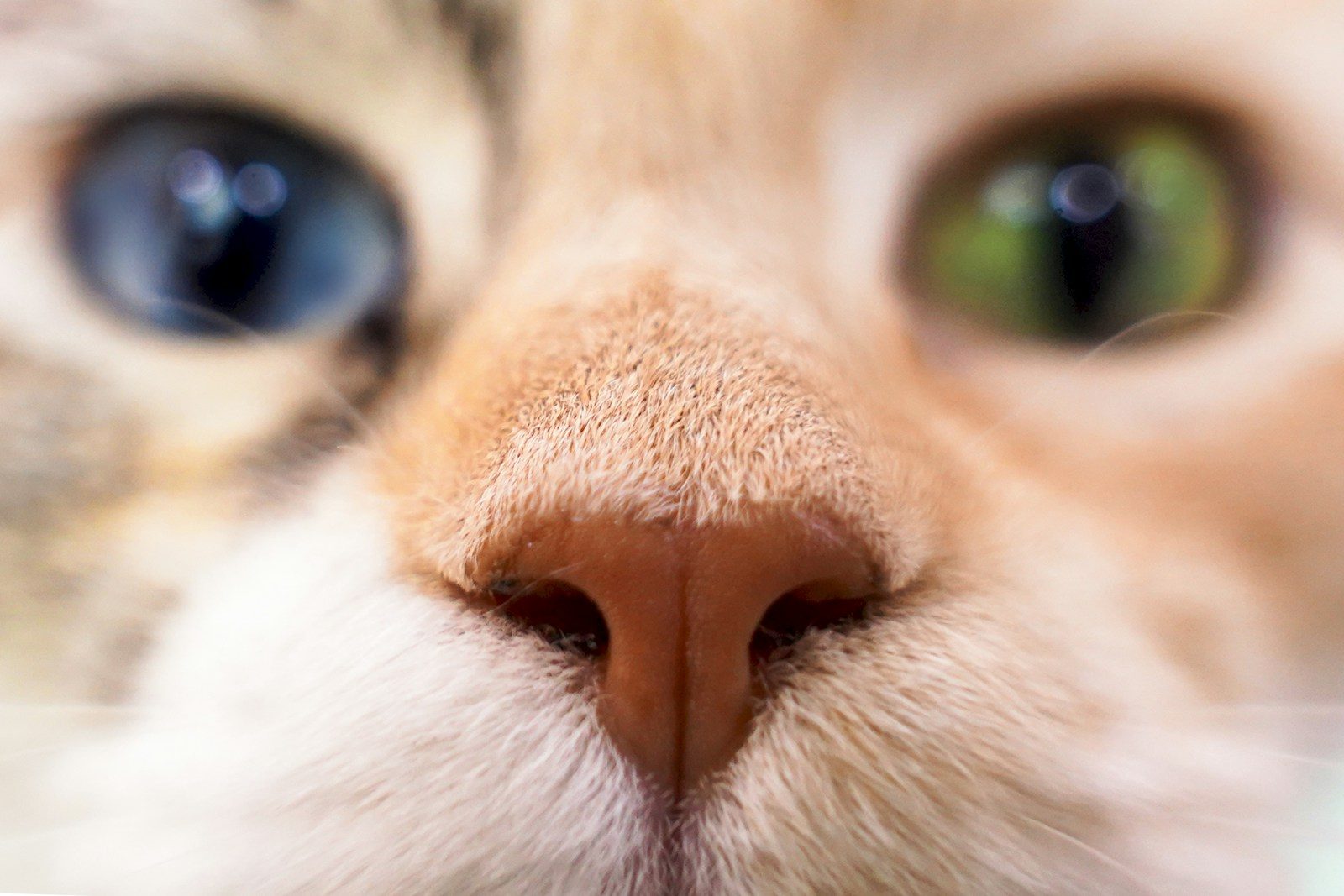
Cats are known for sharp hearing and strong eyesight, but a new study suggests their sense of smell may also play an important role in how they recognize humans.
Researchers in Japan found that domestic cats appeared able to tell the difference between their owner’s scent and the scent of a stranger. The findings add to growing evidence that cats pay close attention to human scent cues.
Cats Were Tested With Human Scent Samples
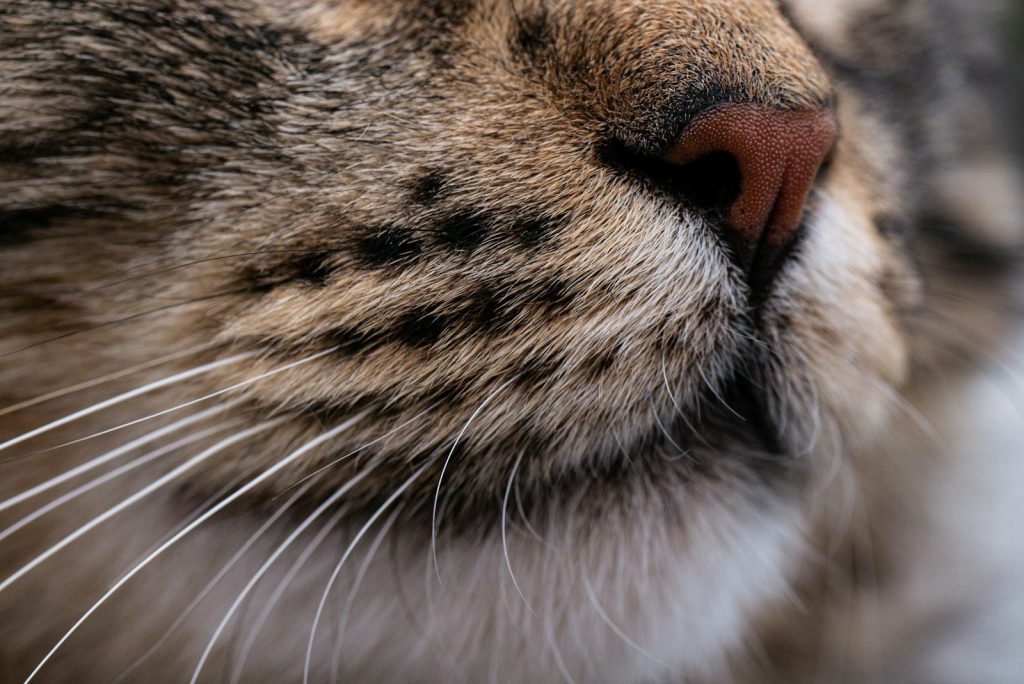
Researchers from the Tokyo University of Agriculture studied 30 domestic cats. Each cat was presented with three scent samples during the experiment.
One sample carried the scent of the cat’s owner, another came from an unfamiliar person of the same sex as the owner, and the third was a clean control sample.
The human scent samples were collected from body areas known to carry distinct odors, including behind the ears, under the arms, and between the toes.
Researchers then observed how long the cats sniffed each sample and how they behaved around them.
Cats Spent More Time Sniffing Strangers
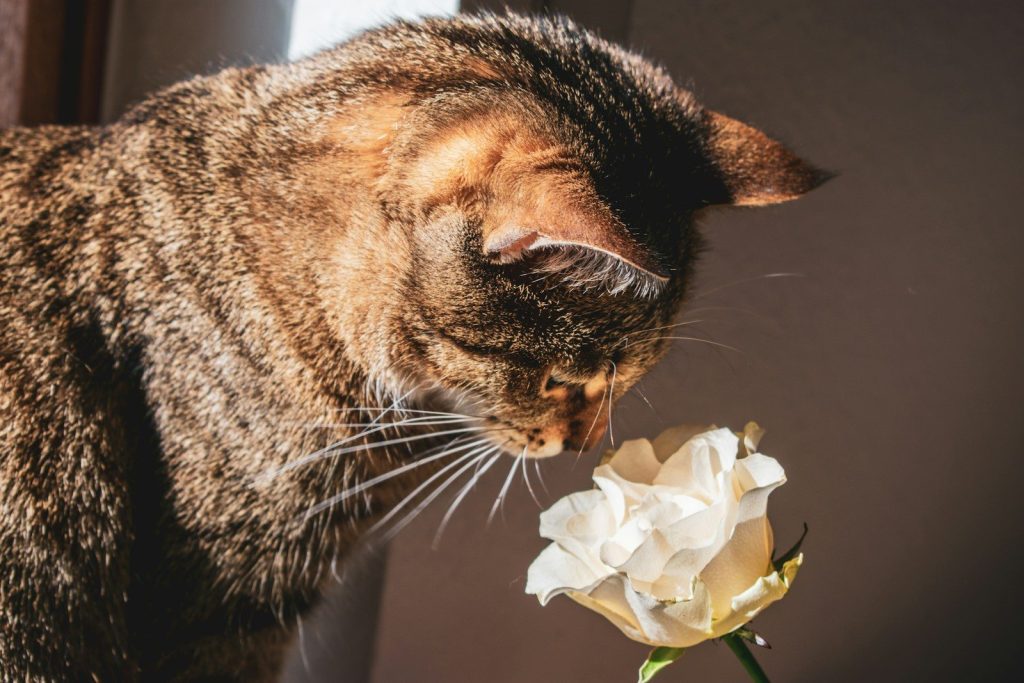
The cats spent significantly more time sniffing the scent of an unfamiliar person than they did their owner’s scent or the clean sample.
That difference suggests the cats could recognize that one scent was familiar while the other was new.
However, scientists say this does not necessarily mean the cats preferred the stranger’s scent. In animal behavior studies, unfamiliar objects or smells often attract more attention simply because they are new.
A cat may spend less time with its owner’s scent because it already knows it well. The longer sniffing time may show curiosity, not affection.
Smell Is Central to a Cat’s World

For cats, scent is one of the most important ways to understand the environment. They use smell to identify other cats, mark territory, find mates, and assess safety.
Many common cat behaviors are linked to scent communication. When cats rub their faces on furniture, people, or other animals, they may be leaving behind their own scent.
In the study, some cats rubbed their faces against the testing tubes after sniffing them. Researchers noted that this may be connected to scent marking.
This behavior suggests cats may not only investigate scents but also respond by adding their own scent signals.
The Study Has Limits
The research shows that cats can distinguish between familiar and unfamiliar human odors. But it does not prove that cats can identify one specific person by smell alone.
To test that, future studies would need to give cats scent samples from several people they already know and see whether the cats react differently to each one.
There were also possible limitations in the experiment. Because owners were present during testing, their scent may already have been in the room.
That could have affected how cats responded to the unfamiliar scent samples. More research will be needed to confirm exactly how cats use smell to recognize humans.
Cats May Be More Attentive Than They Seem
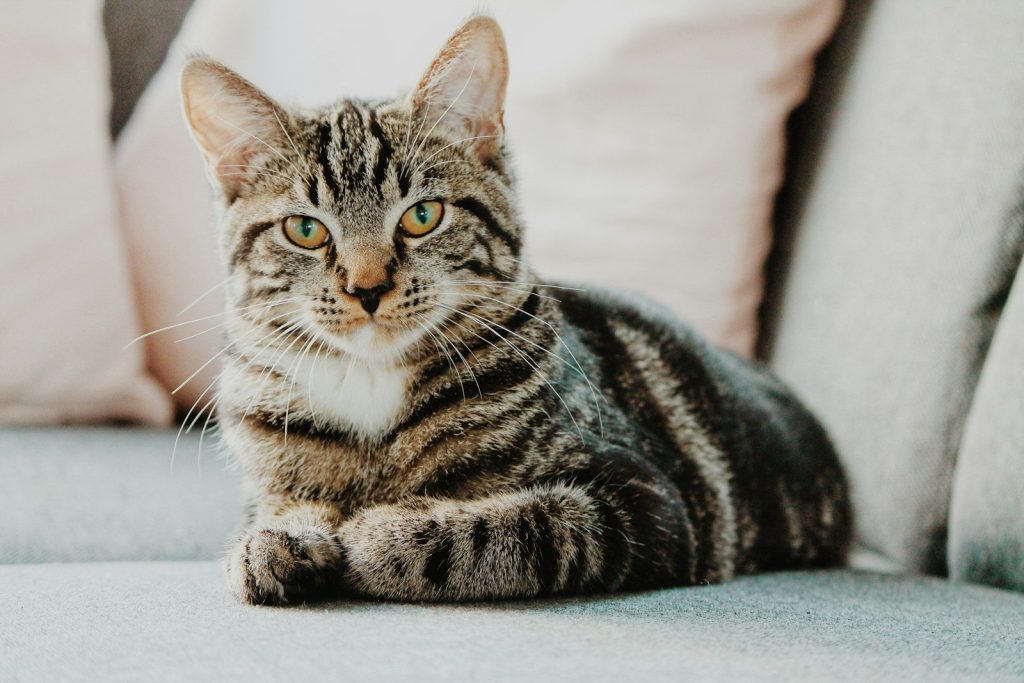
Cats are often described as independent or distant, but research continues to show a more complex picture.
Previous studies suggest cats can recognize familiar voices, respond to human emotions, and use human cues when solving problems.
This new study suggests scent may be another part of that connection. Cats may build their understanding of people through a mix of smell, sound, sight, and behavior.
For cat owners, the findings may explain why pets often sniff visitors, clothing, bags, or personal belongings.
What the Findings Really Mean

The study does not prove that cats identify their owners only by scent. But it does suggest they can tell when a human smell is familiar or unfamiliar.
That is an important clue in understanding how cats experience their relationships with people.
Their behavior may seem mysterious at times, but cats are likely paying closer attention than many owners realize.
And when they sniff your clothes, shoes, or hands, their noses may be helping them read far more than humans can detect.