A majestic bird of prey is fighting for its life after a devastating incident involving an aircraft at Jersey Airport, highlighting the growing challenges wildlife face in landscapes increasingly shaped by human infrastructure.
The injured bird, a marsh harrier, was rescued and taken into the care of the Jersey Society for the Prevention of Cruelty to Animals (JSPCA), where veterinarians and wildlife specialists are working around the clock to stabilize its condition. The male harrier suffered severe injuries, and conservationists say its chances of survival remain uncertain.
A Shocking Discovery
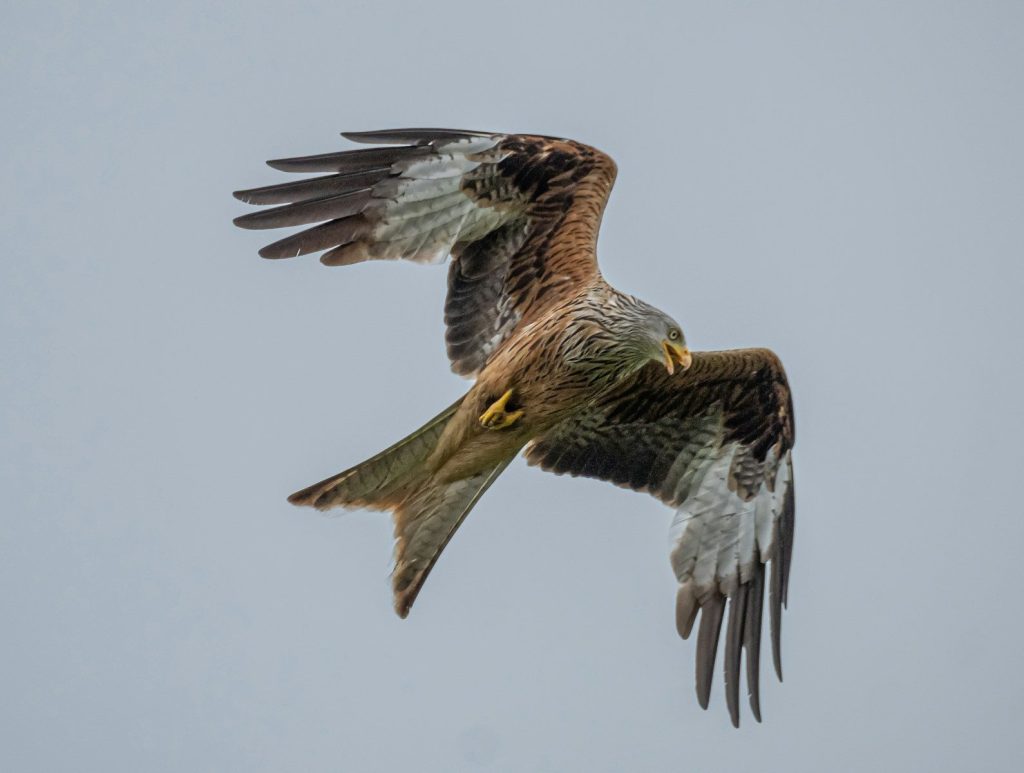
The marsh harrier was found after what experts believe was a violent encounter involving an aircraft. Although the exact circumstances are still unclear, wildlife rescuers suspect the bird may have either been struck directly by a plane or caught in the powerful turbulence generated by aircraft engines before being thrown to the ground.
Either scenario would have subjected the bird to immense force. The JSPCA described the injuries as serious, with staff warning that the coming days will be critical in determining whether the harrier can recover.
For wildlife rehabilitation teams, such cases are among the most challenging they face. Birds suffering from high-impact trauma often experience broken bones, internal injuries, or neurological damage that may not be immediately visible.
Why Airports Can Be Dangerous for Wildlife
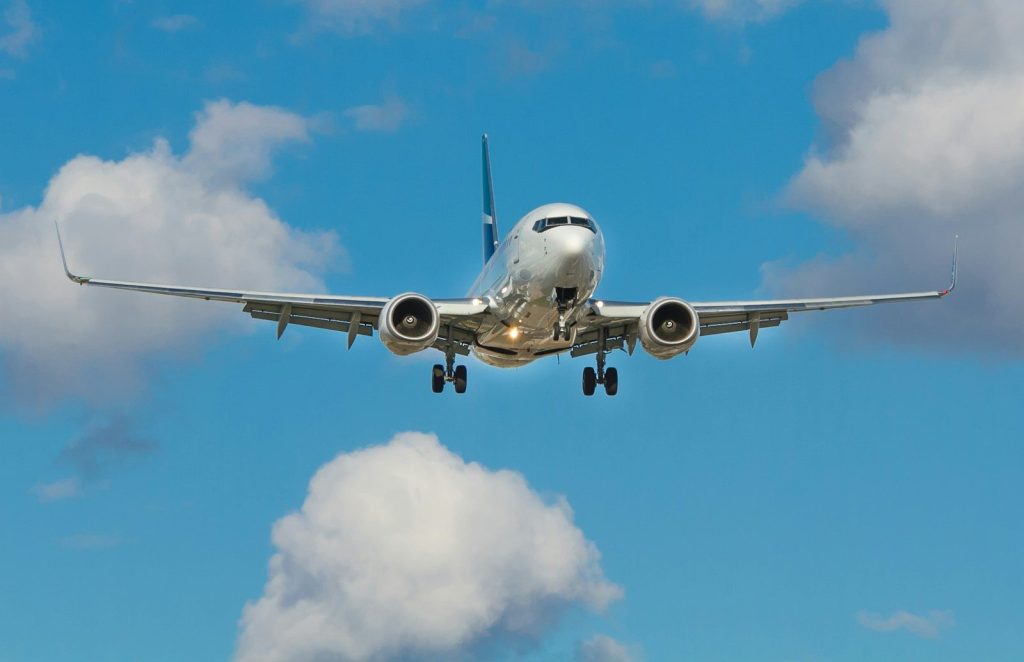
Airports are designed to ensure the safe movement of aircraft, but they can also become unexpected hotspots for wildlife activity. Many airports are located near open grasslands, wetlands, coastal areas, or agricultural land, habitats that naturally attract birds and other animals.
Birds of prey, including marsh harriers, are particularly drawn to these areas because they provide hunting opportunities. Rodents, small birds, and other prey species often thrive in the open spaces surrounding airports.
While bird strikes and wildlife incidents are relatively rare compared with the millions of flights that operate worldwide each year, they can have serious consequences. Aircraft safety is the primary concern, but the impact on wildlife can be devastating, especially for larger birds.
Meet the Marsh Harrier
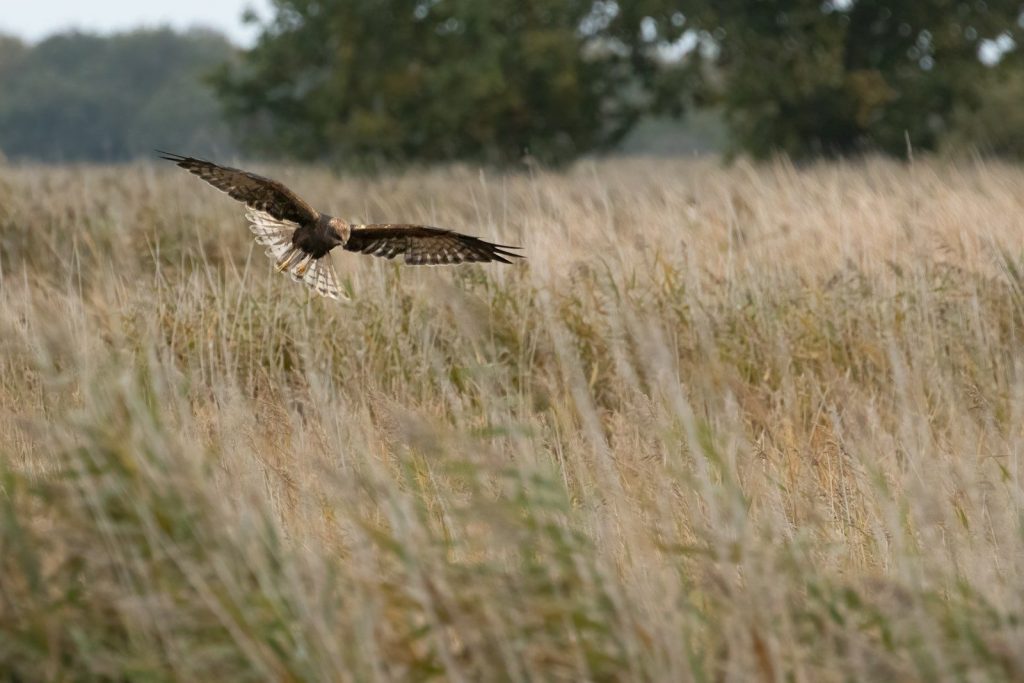
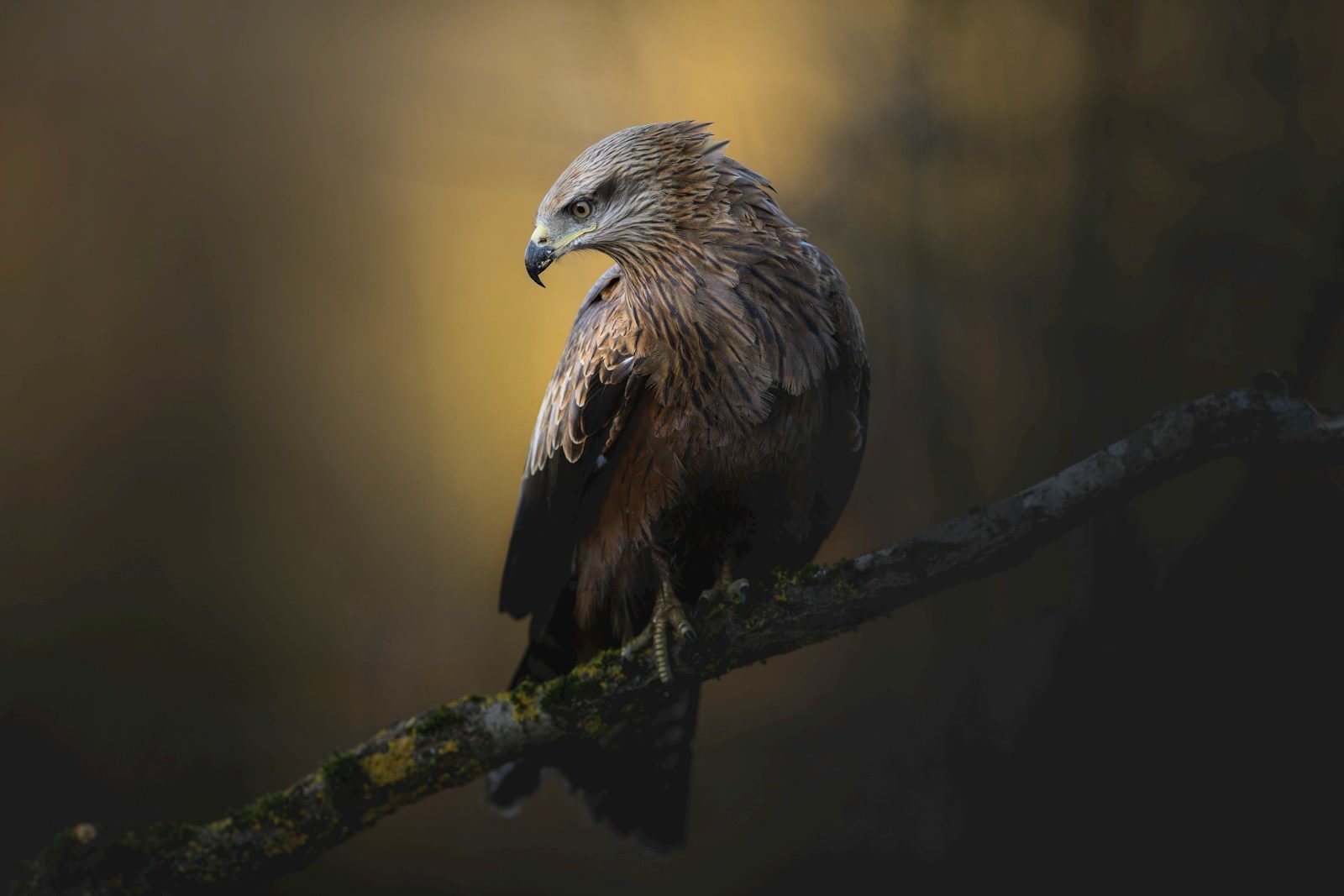
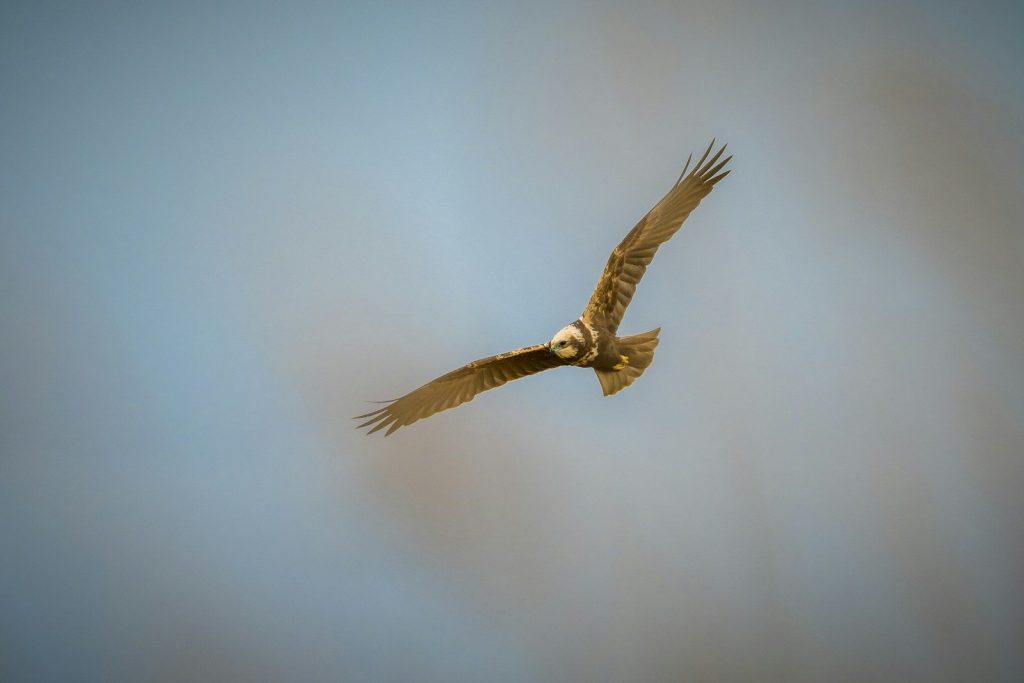
The marsh harrier is one of Europe’s most distinctive birds of prey. Known for its long wings and graceful, low-level hunting flight, the species is closely associated with wetlands, reedbeds, and marshy landscapes.
Unlike many raptors that soar high overhead, marsh harriers often glide just above vegetation while searching for prey. Their unique hunting style makes them a fascinating sight for birdwatchers and nature enthusiasts.
The species has faced significant challenges in the past, including habitat loss and persecution. Conservation efforts and habitat restoration projects have helped populations recover in some regions, but marsh harriers still depend heavily on healthy wetland ecosystems.
The Long Road to Recovery
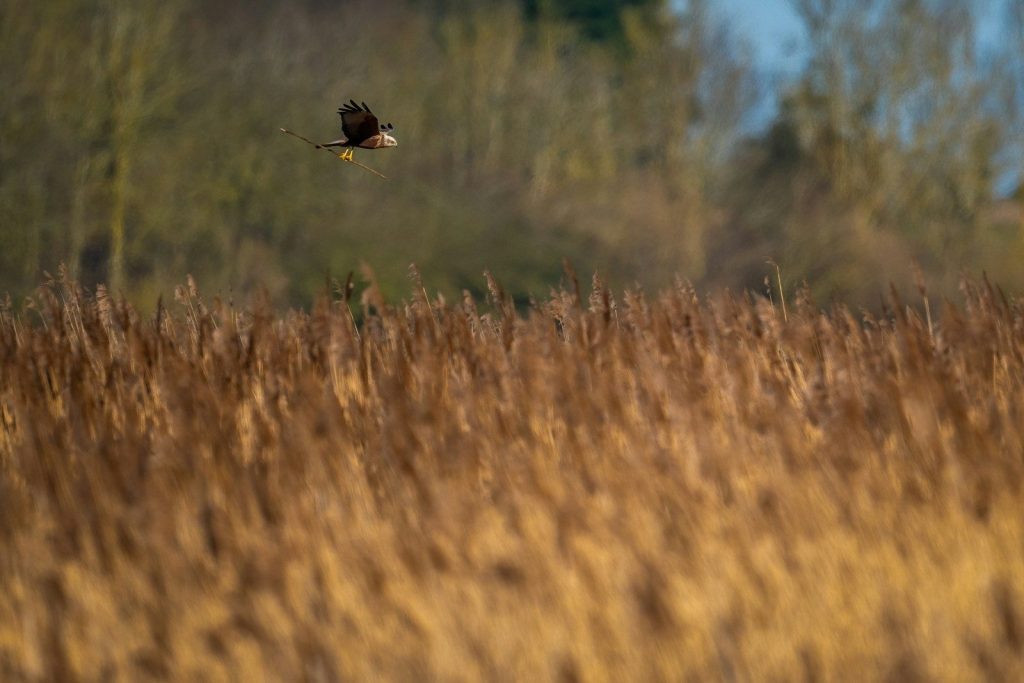
Even if the injured bird survives its initial injuries, the recovery process could be lengthy. Wildlife rehabilitators must ensure that a bird of prey can fully regain its strength, flight ability, and hunting skills before it can be released back into the wild.
Unlike domestic animals, wild raptors must be capable of surviving entirely on their own. Any lasting impairment could reduce their chances of finding food or avoiding danger after release.
For now, the marsh harrier remains under close observation as specialists assess the full extent of its injuries.
A Reminder of Wildlife’s Challenges
This incident serves as a reminder of the complex relationship between wildlife and modern development. As natural habitats overlap more frequently with roads, airports, power lines, and other infrastructure, animals increasingly encounter hazards they never evolved to navigate.
Birds of prey play an essential role in maintaining ecological balance by controlling prey populations and contributing to healthy ecosystems. Protecting these species requires not only conservation efforts but also thoughtful planning that reduces conflicts between wildlife and human activity.
Whether this marsh harrier ultimately recovers remains unknown. What is certain, however, is that its struggle has drawn attention to the hidden dangers many wild animals face every day and the dedicated people working to give them a second chance at survival.