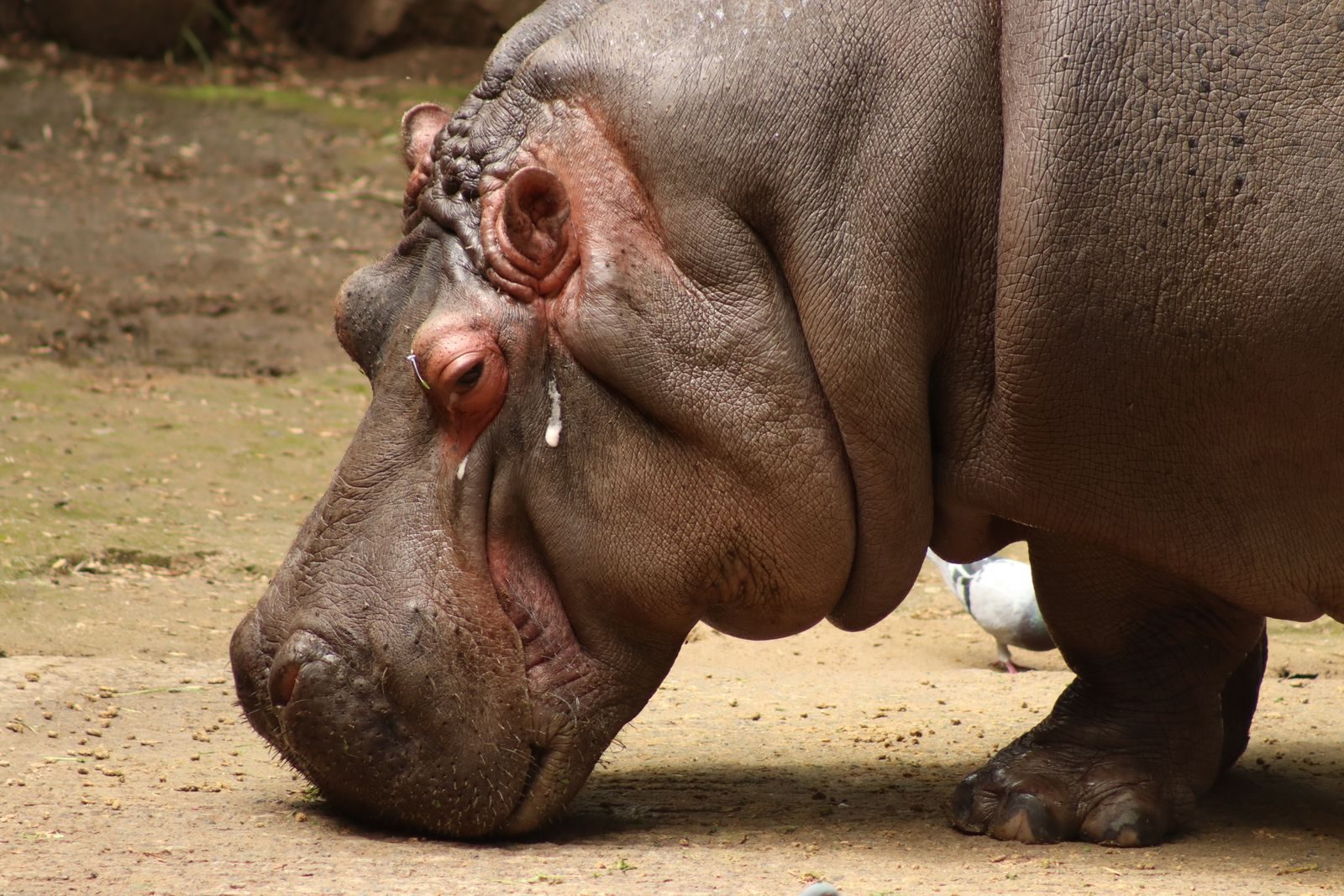
Some people believe wild animals can become completely tame if raised around humans from a young age.
But even after years in captivity, many dangerous species still retain the instincts that helped them survive in the wild. In some tragic cases, those instincts can suddenly reappear without warning.
One shocking story involving a captive hippo became a chilling reminder of that reality.
A dangerous misunderstanding
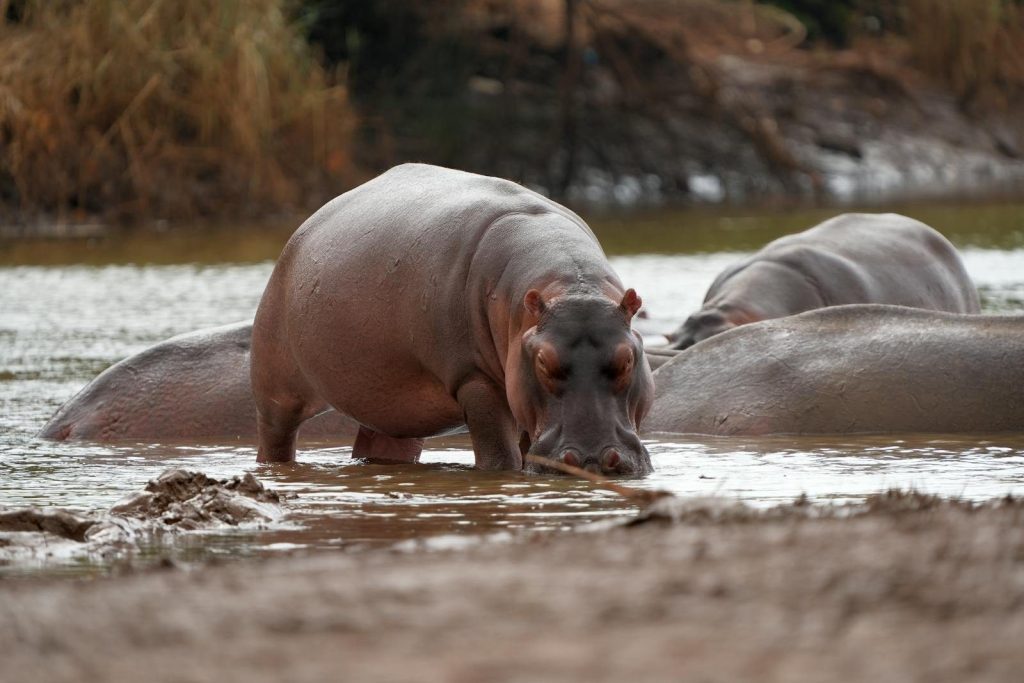
Hippos are often viewed as calm or even comical animals because of their appearance, but they are actually among the deadliest large mammals in Africa.
Despite this reputation, some individuals have attempted to keep them in private environments, believing trust and familiarity would prevent aggression.
Experts warn that this assumption can be extremely dangerous.
The terrifying attack
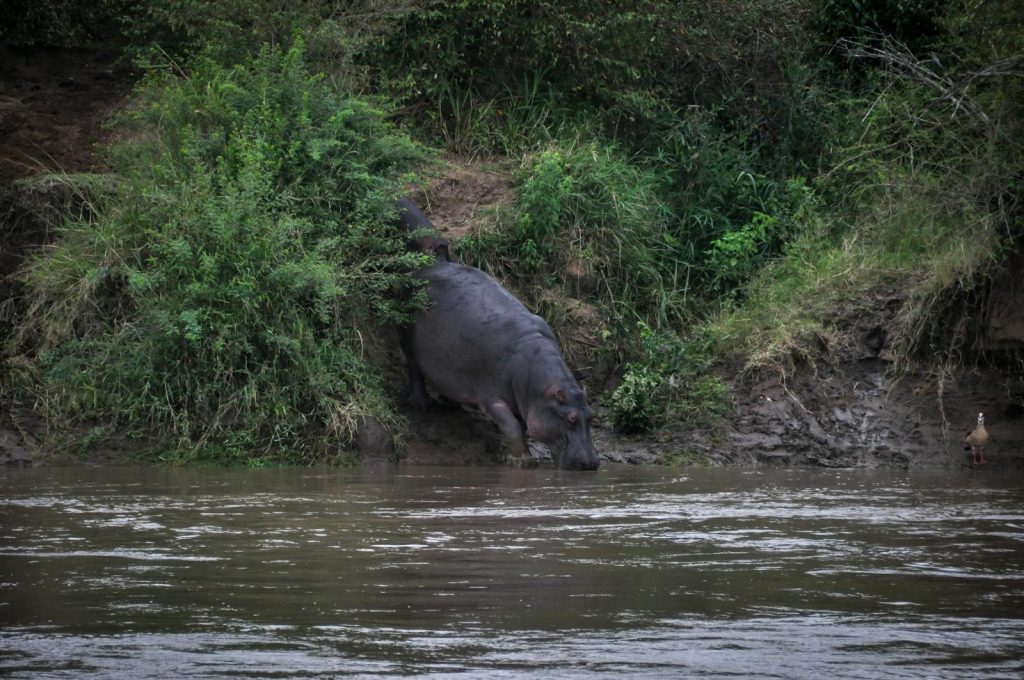
According to reports surrounding the viral incident, a captive hippo suddenly attacked its owner during what appeared to be a routine interaction.
Witnesses were left horrified as the massive animal turned violent, demonstrating the overwhelming strength and unpredictability that hippos possess.
The situation escalated so quickly that people nearby were unable to intervene safely.
Why hippos are so dangerous
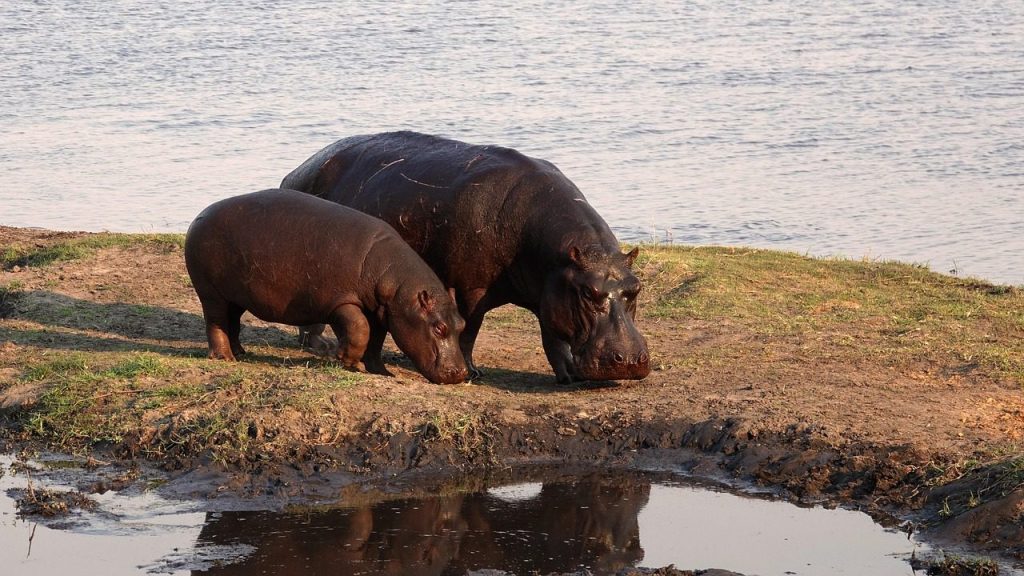
Although they are herbivores, hippos are highly territorial and extremely aggressive when threatened or stressed.
Adult hippos can weigh several tons, move surprisingly fast, and possess enormous jaws capable of crushing bones with ease.
In the wild, they are responsible for more human fatalities in Africa than many large predators.
Wild instincts never fully disappear
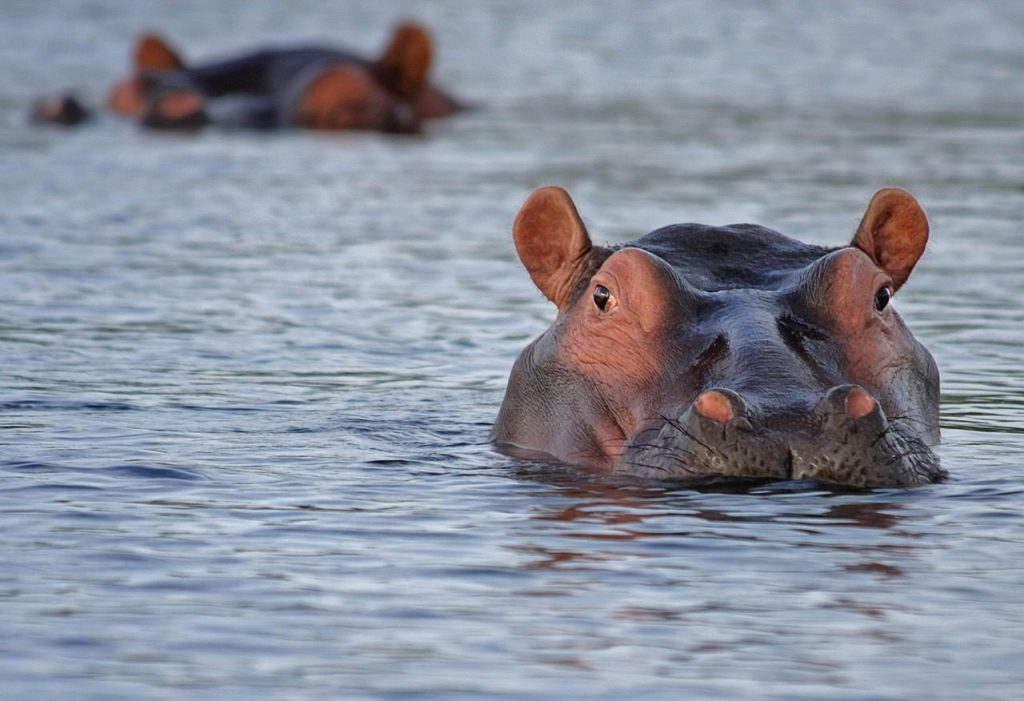
Animal behavior experts frequently stress that captivity does not erase millions of years of instinct.
Even animals raised by humans may react unpredictably due to fear, territorial behavior, stress, or sudden environmental changes.
This is especially true for large apex animals capable of causing fatal injuries within seconds.
The risks of keeping exotic animals
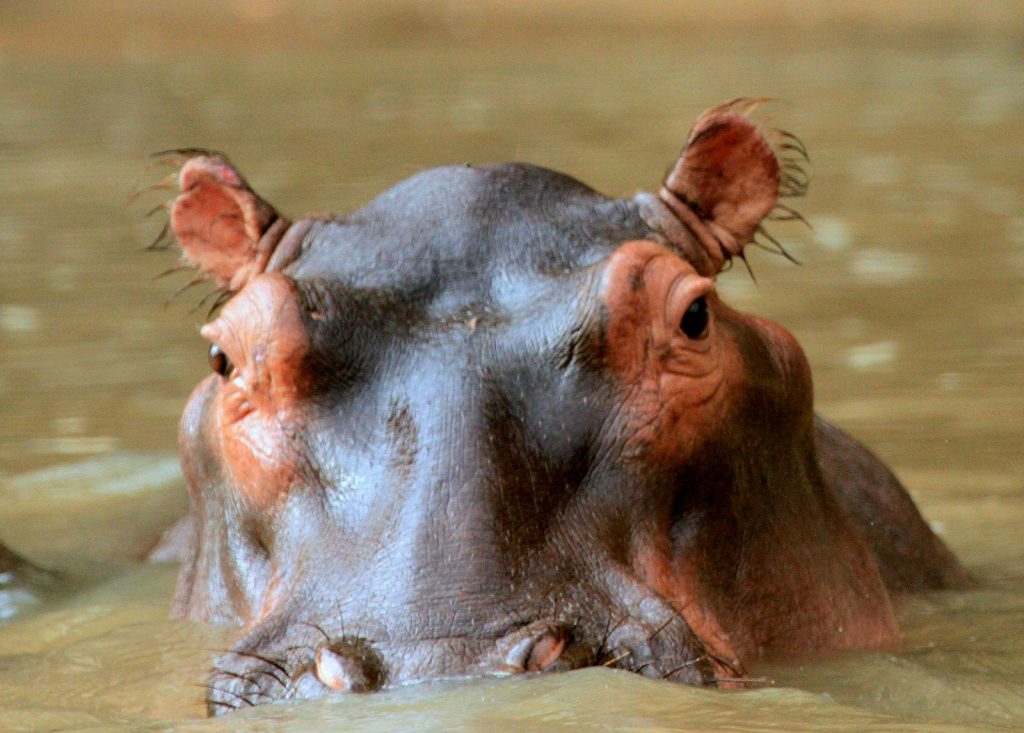
Stories like this continue fueling debate about private ownership of dangerous wildlife.
Keeping powerful animals outside of specialized conservation or rehabilitation environments can place both humans and animals in dangerous situations.
Many species require complex habitats, social structures, and environmental conditions that are nearly impossible to recreate safely in captivity.


