Skip to content

Recent Posts

  • How Care Builds Trust Between Animals and People
  • 8 Dinosaur Features Seen in Animals Today
  • 8 Jungle Animals That Can Seriously Harm People
  • Seven Giant Snakes and Their Verified Size Records
  • 8 of the Oldest Animals Ever Documented

Most Used Categories

  • Nature & Wildlife (710)
  • Risk (61)
  • Human Interest (37)
  • Exotic Animals (22)
  • Hunting (19)
  • Survival (18)
  • Bees/Swarms fear (14)
  • Suspense (10)
  • Adventure (3)
  • Gears (2)
Skip to content
  • About Us
  • Contact Us
  • Disclaimer
  • Privacy Policy
  • Terms & Conditions

Hive Hunters Tales

  • Suspense
  • Nature & Wildlife
  • Human Interest
  • Hunting
  • Bees/Swarms fear
  • Exotic Animals
  • Risk
  • Survival
  • Adventure
  • Gears
  • Home
  • Risk
  • 8 Jungle Animals That Can Seriously Harm People
Detailed shot of a crocodile with open mouth showcasing its natural habitat and textured skin.

8 Jungle Animals That Can Seriously Harm People

JakeAugust 6, 2026August 6, 2026

“Jungle” is not a precise scientific habitat, and no universal ranking covers every tropical forest. Risk also depends on location, medical access, human behaviour, and how often people encounter each animal.

The greatest dangers are often small disease carriers rather than famous predators. Large animals remain capable of severe injury, but attacks are generally less common than mosquito-borne illness or venomous snakebite.

Mosquitoes
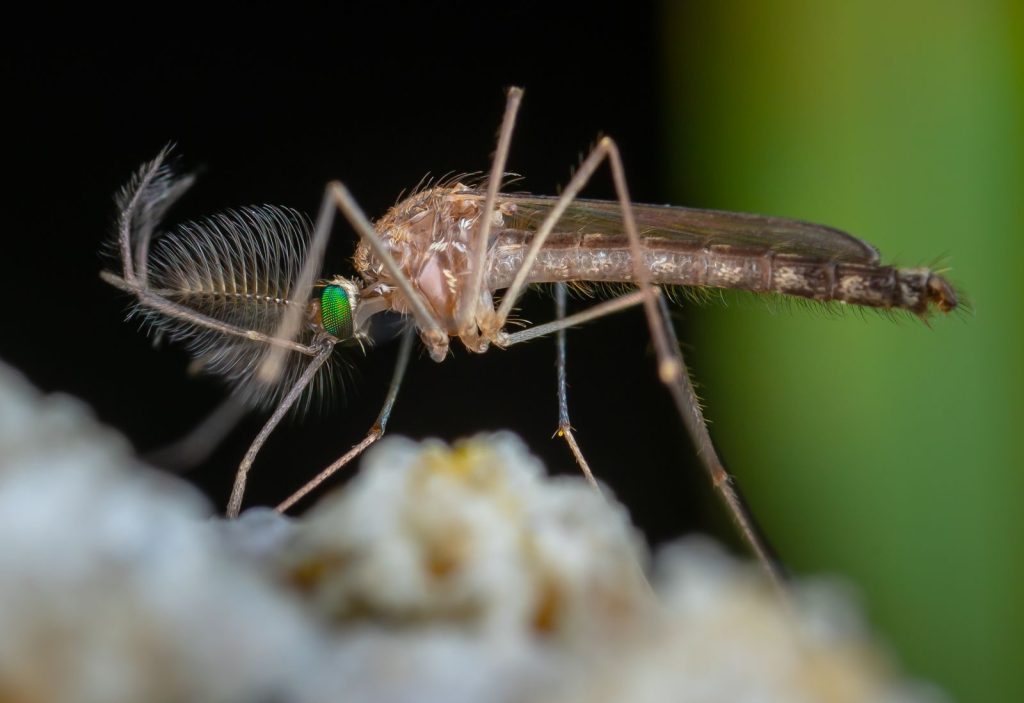
Detailed macro image of a mosquito showing fine details and vibrant colors.
Photo by Egor Kamelev on Pexels

Mosquitoes are the most serious animal-related threat in many tropical regions because they transmit malaria, dengue, yellow fever, and other diseases. The World Health Organization estimated 282 million malaria cases and approximately 610,000 deaths in 2024, with the heaviest burden in Africa.

Venomous Snakes

Detailed image of a coiled snake resting on grass in the wild.
Photo by Catalin Buescu on Pexels

Snakebite causes an estimated 81,410 to 137,880 deaths worldwide each year. Rural workers are especially vulnerable because bites may happen far from hospitals and antivenom. Cobras, kraits, vipers, and other venomous snakes occur in tropical forests, farms, and villages across several continents.

Tigers

Two Bengal tigers standing in vibrant greenery with wildflowers. Captivating wildlife imagery.
Photo by BabijaPhoto JB on Pexels

Tigers are powerful ambush predators capable of killing large prey. Encounters with people can become dangerous when habitats overlap, natural prey declines, or an animal is injured or surprised. However, tigers do not normally hunt every human they see, and avoiding close contact remains the safest response.

Jaguars

A stunning close-up of a jaguar resting in the grass, showcasing its distinct fur patterns.
Photo by Diego F. Parra on Pexels

Jaguars have compact bodies and exceptionally powerful jaws. They can pierce thick skulls and shells that many other cats would avoid. Attacks on people are uncommon, but a cornered, wounded, or habituated jaguar can cause fatal injuries, making distance essential in its tropical American habitat.

Crocodilians
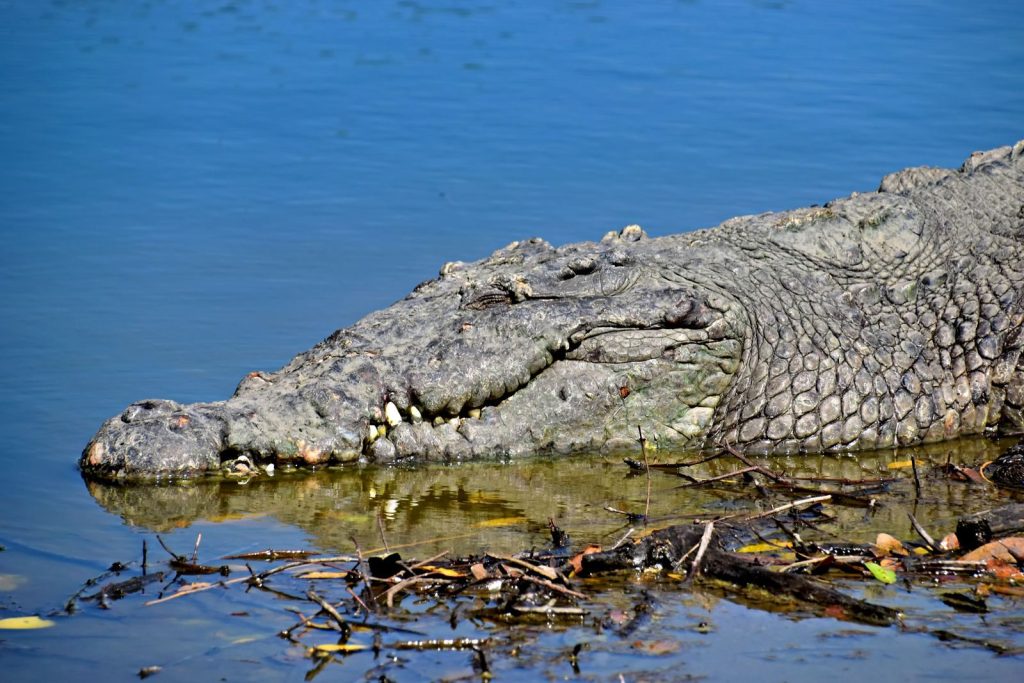
Close-up of a crocodile resting by the waterside in Puerto Vallarta, Mexico.
Photo by Jeffrey Eisen on Pexels

Crocodilians wait near rivers, wetlands, and forest waterways before making sudden attacks. A large saltwater crocodile produced the strongest directly measured bite of any living animal at 16,414 newtons. People should obey local warnings and remain well away from banks in known crocodile habitat.

Asian Elephants

Captivating photo of a wild Asian elephant in Bandipur forests, Karnataka, India.
Photo by Venkat Ragavan on Pexels

Asian elephants may live in tropical forests, grasslands, and agricultural landscapes. Adults can weigh several tons, so even a defensive charge can be deadly. Conflict is more likely where farms and roads divide elephant habitat. People should never approach a wild herd or block its escape route.

Poison Frogs

Detailed close-up of a blue poison dart frog amidst colorful foliage, shot in Taipei, Taiwan.
Photo by Klub Boks on Pexels

Several poison frog species carry powerful skin toxins obtained from their natural diets. They do not chase or bite people, but handling a highly toxic wild frog can be dangerous if poison enters the mouth, eyes, or an open wound. Frogs raised in managed care usually lose much of their toxicity.

Scorpions

Detailed shot of a scorpion with raised stinger on sandy ground, showcasing its natural habitat.
Photo by Sharath G. on Pexels

More than one million scorpion stings are estimated to occur globally each year. Most cause local pain, but venom from certain species can trigger severe nervous-system or heart effects, particularly in children. Shoes, bedding, firewood, and dark hiding places should be checked in regions where dangerous scorpions occur.

Featured Image: Photo by Rutpratheep Nilpechr on Pexels

Post navigation

Previous: Seven Giant Snakes and Their Verified Size Records
Next: 8 Dinosaur Features Seen in Animals Today

Related Posts

A raccoon stands on a mossy riverbank, captured in its natural habitat with tranquil water reflections.

Four Familiar Animals Settlers Released, and the Damage They Caused

August 5, 2026August 5, 2026 Jake
brown lion on green grass field

The World’s Most Dangerous Animals, Ranked by Verified Human Deaths

August 4, 2026 Jake
penguins on snow covered fields during daytime

Antarctica Heatwave Pushes Winter Temperatures 15°C Above Normal, Raising Alarm for Wildlife

July 17, 2026July 17, 2026 Jake

Leave a Reply Cancel reply

Your email address will not be published. Required fields are marked *

Recent Posts

  • How Care Builds Trust Between Animals and People
  • 8 Dinosaur Features Seen in Animals Today
  • 8 Jungle Animals That Can Seriously Harm People
  • Seven Giant Snakes and Their Verified Size Records
  • 8 of the Oldest Animals Ever Documented
Copyright All Rights Reserved | Theme: BlockWP by Candid Themes.