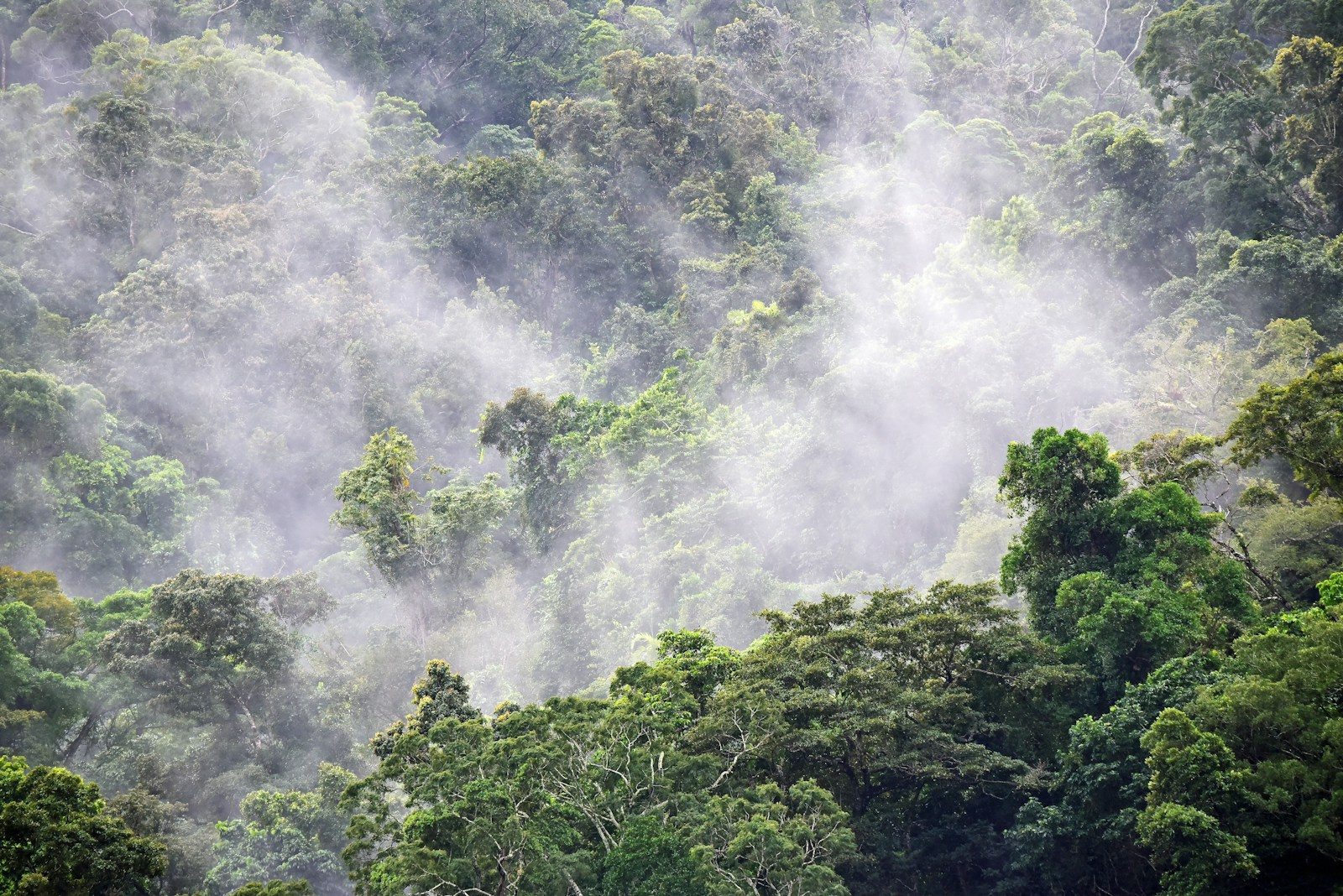
Some animals today look almost unchanged from their ancient ancestors that lived hundreds of millions of years ago. These “living fossils” have survived major extinction events and environmental changes with surprisingly little visible evolution. While they have still evolved biologically, their overall body structures remain remarkably similar to prehistoric forms.
Horseshoe Crabs
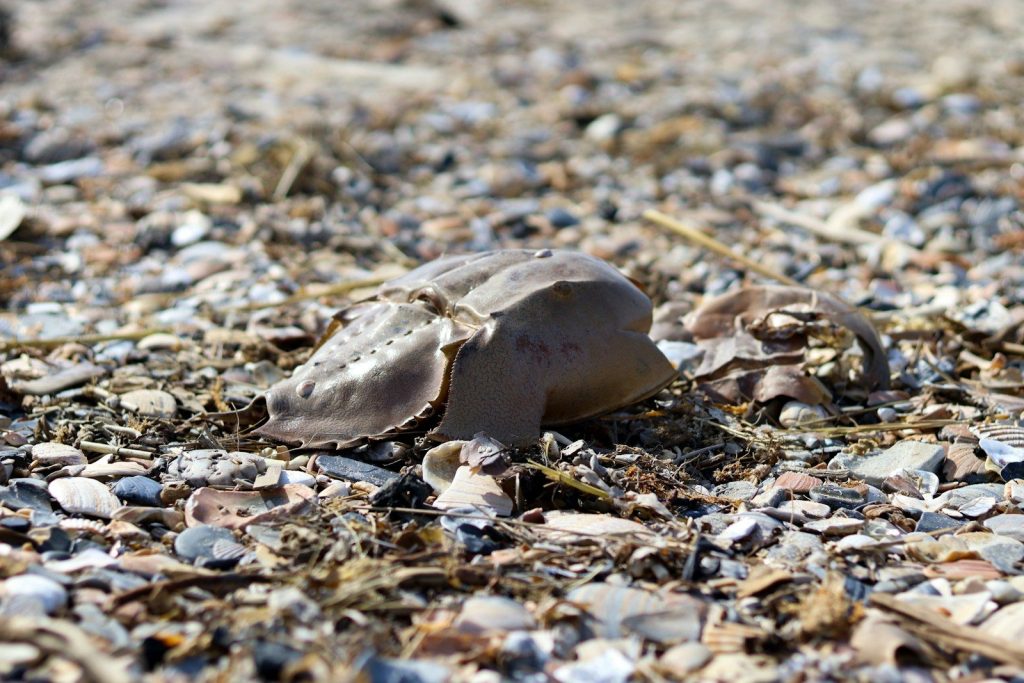
Horseshoe crabs are often called one of the best examples of living fossils. They have existed for over 400 million years and have changed very little in appearance. Despite their name, they are more closely related to spiders than true crabs, and their simple armored body has helped them survive across geological eras.
Coelacanth
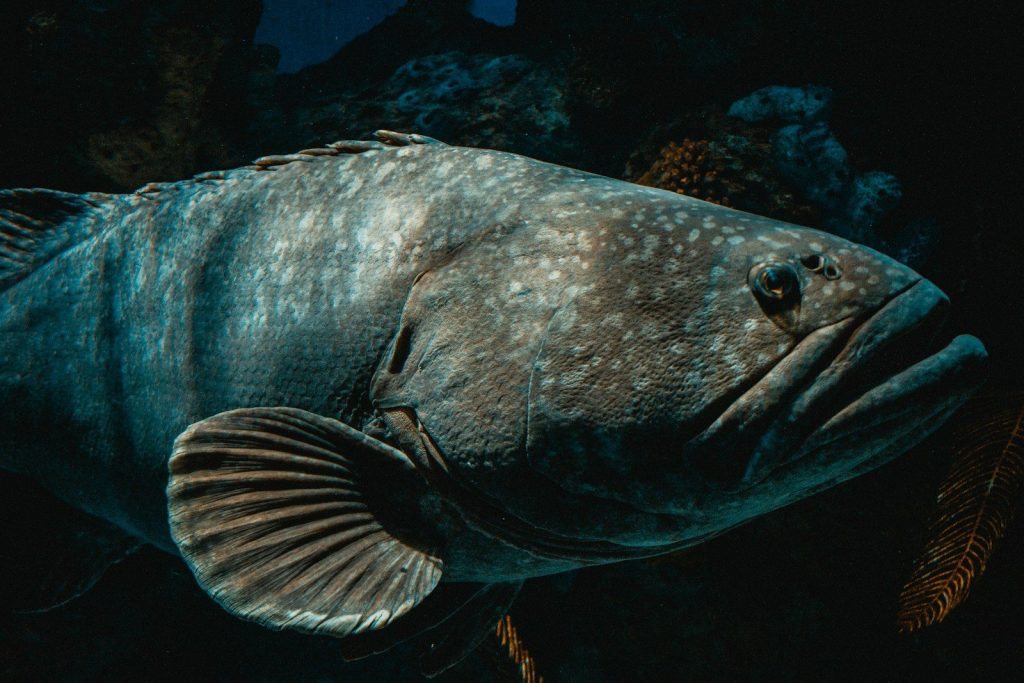
The coelacanth was once believed to be extinct for millions of years until it was rediscovered in 1938. This deep-sea fish has lobed fins that resemble early evolutionary steps toward land animals. Its body structure has remained largely unchanged for a very long time.
Nautilus
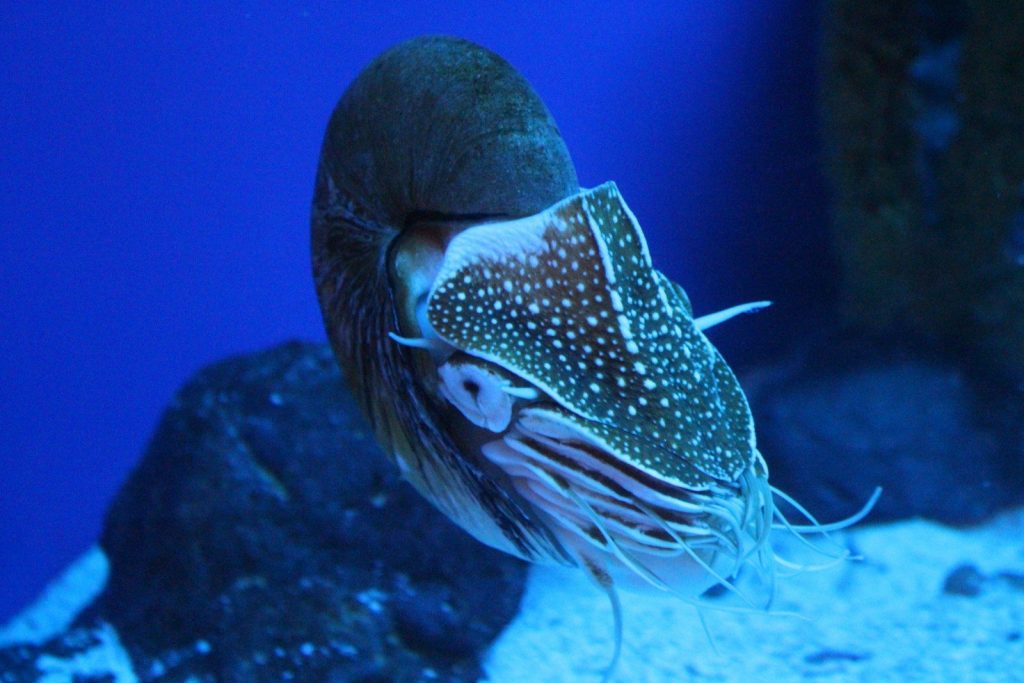
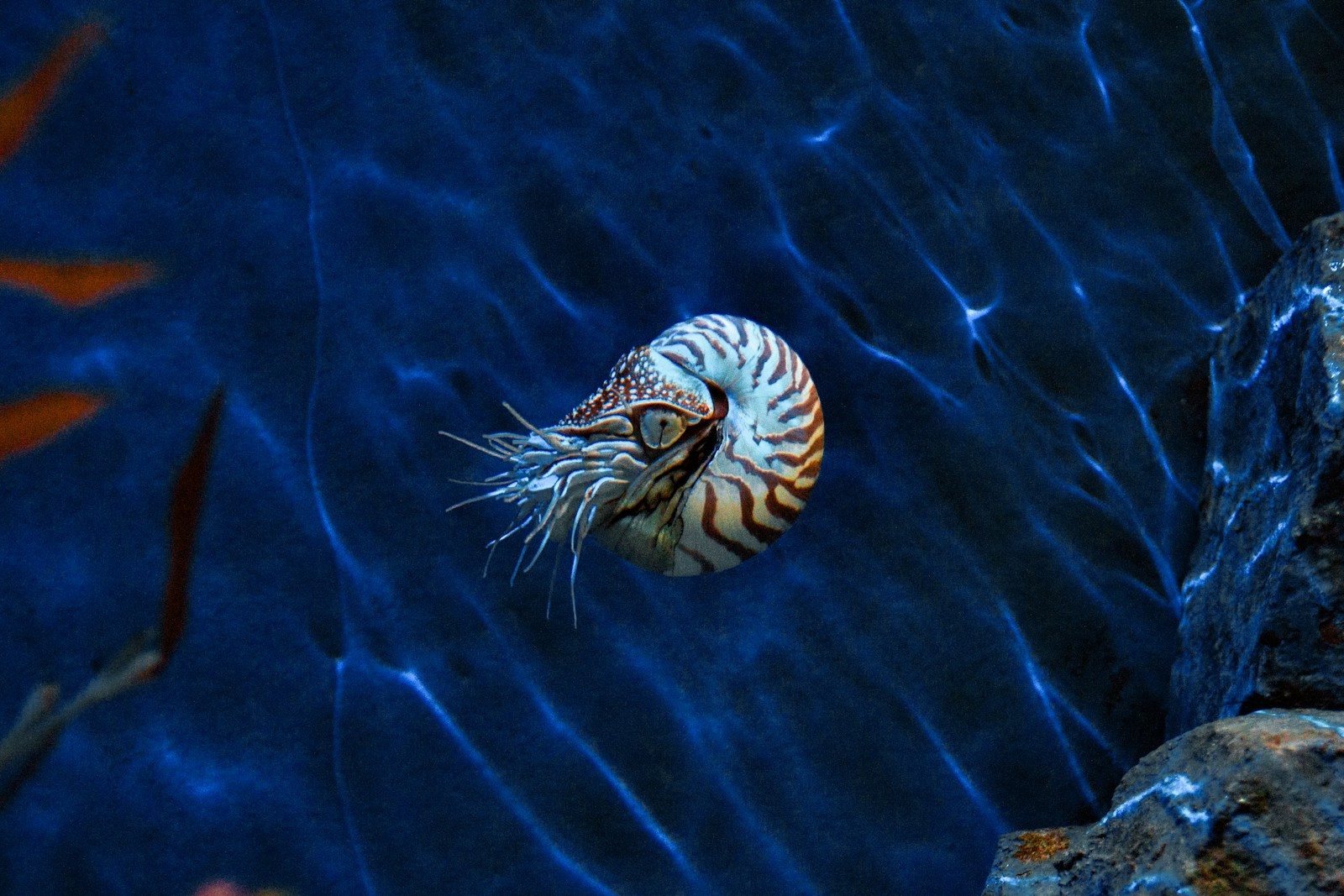
The nautilus is a deep-sea mollusk with a spiral, chambered shell used for buoyancy control. Fossils show that ancient nautilus-like species existed hundreds of millions of years ago, and modern versions still closely resemble them today.
Crocodiles
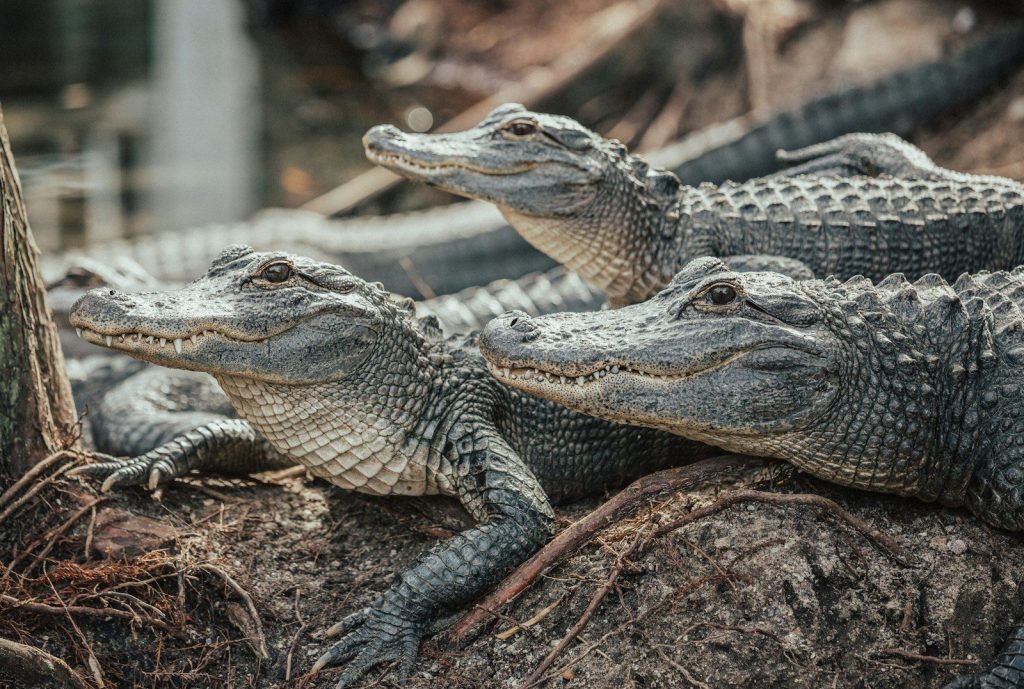
Crocodiles are often described as living links to the age of dinosaurs. Their powerful jaws, armored bodies, and semi-aquatic lifestyle have remained highly successful for survival over millions of years with relatively little change.
Tuatara
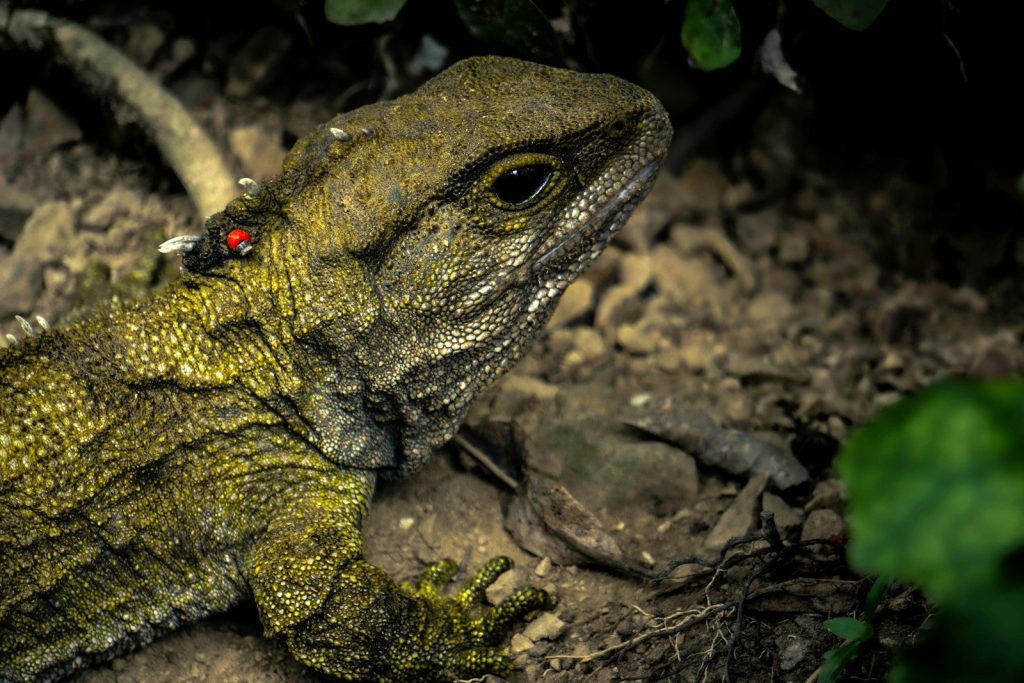
The tuatara, native to New Zealand, is the only surviving member of an ancient reptile lineage. It has unique biological traits such as a slow metabolism and a “third eye” structure in early life stages, making it a rare example of an ancient reptile form still alive today.
Jellyfish
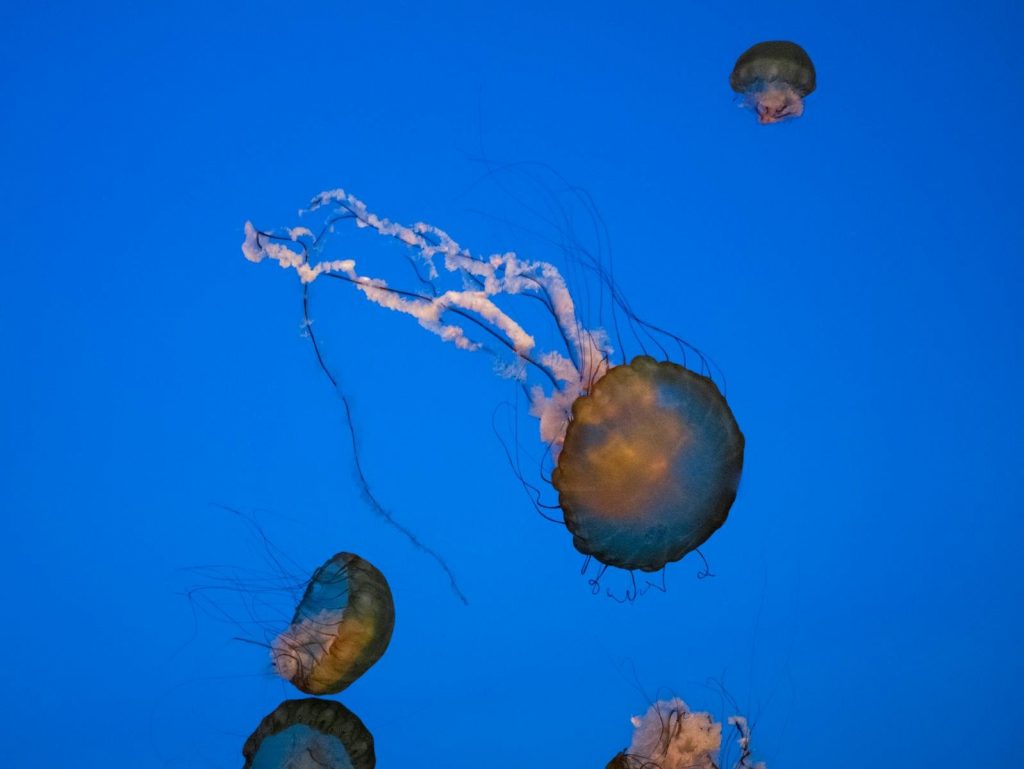
Jellyfish are among the oldest known animal groups on Earth, existing for over 500 million years. Their simple body structure—lacking bones, a brain, or a heart—has remained effective for survival in oceans around the world for an extremely long time.
Horseshoe Shark (Frilled Shark)
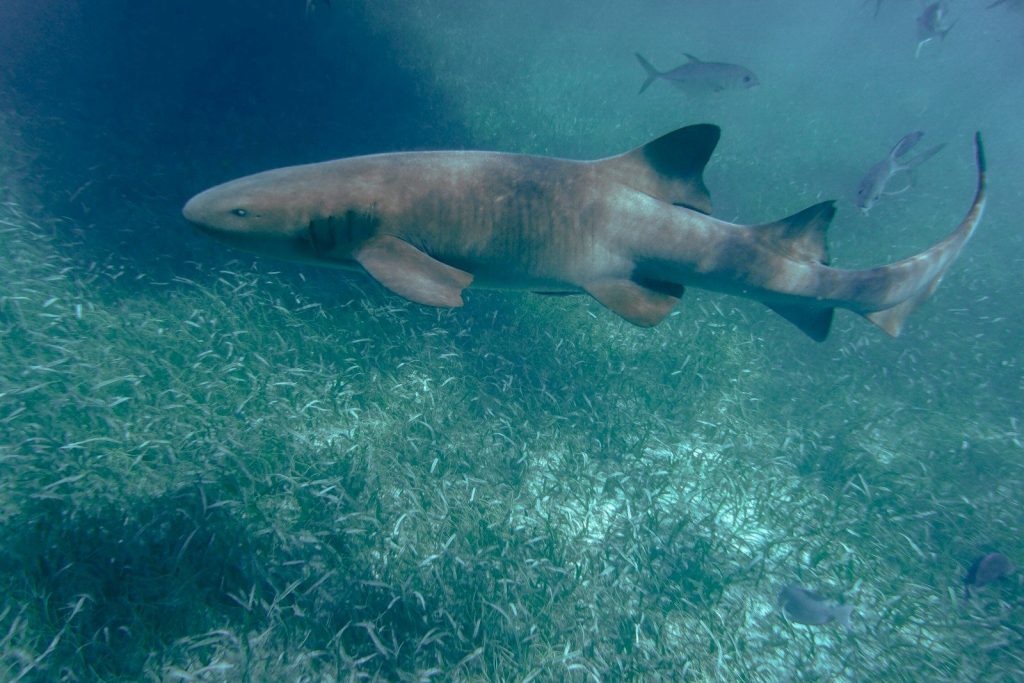
Often called a “living fossil,” the frilled shark has an eel-like body and rows of needle-like teeth. It lives in deep ocean waters and resembles prehistoric shark species that existed long before modern sharks evolved.