A 2025 study gave an old urban joke a serious scientific twist. Researchers examining nearly 20,000 citizen-science photographs found that raccoons from more urban environments had slightly shorter snouts than rural raccoons. Reduced facial length is one trait sometimes associated with domestication syndrome, raising the possibility that cities are producing conditions resembling the earliest stages of animal domestication.
That does not mean raccoons are becoming dogs or that people should start treating them as pets. The animals remain wild, and the study examined one physical trait rather than demonstrating a complete domestication process. Climate also affected snout length. The finding is best understood as evidence that human environments may be shaping raccoon anatomy in a direction consistent with some domestication hypotheses.
Urban Raccoons
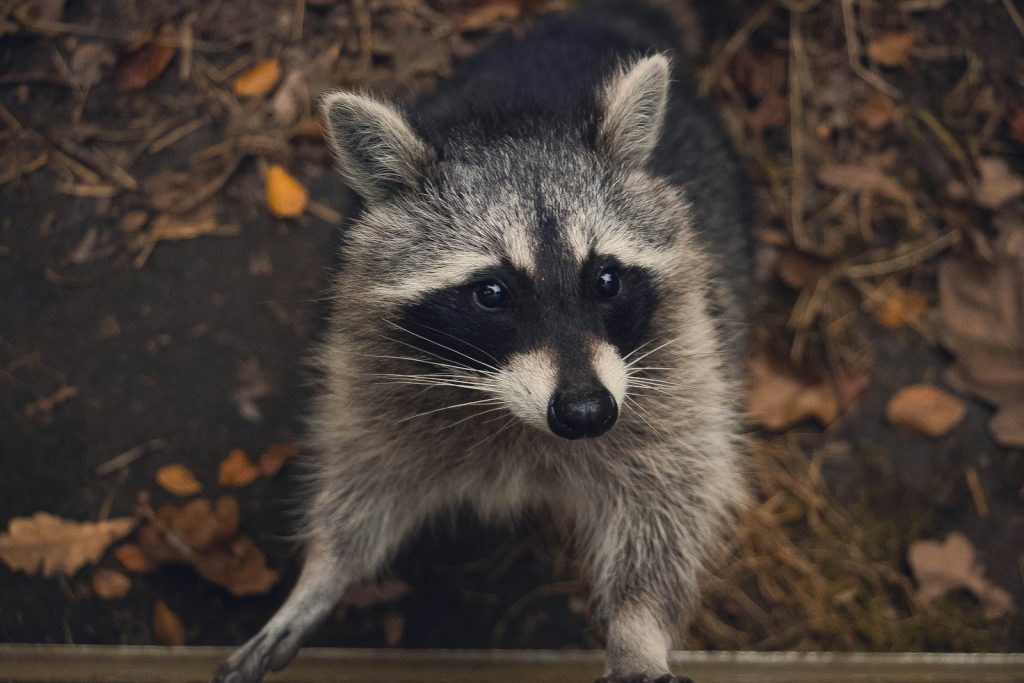
North American raccoons are unusually successful in cities because they can exploit food, shelter, and structures created by people. Garbage, pet food, gardens, storm drains, attics, and other urban resources can reward individuals willing to live close to humans. The 2025 study treated this human-dominated environment as a possible evolutionary filter. Raccoons that tolerate people may gain easier access to food, potentially creating selection pressures different from those experienced by animals living in rural areas with less human contact.
Shorter Snouts
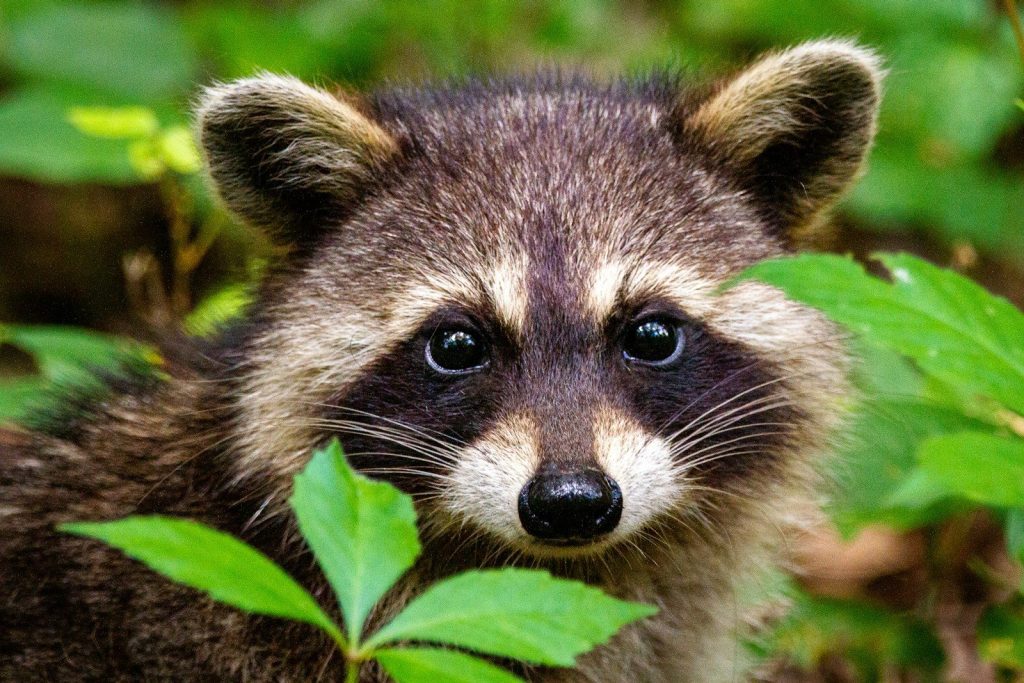
Researchers analyzed 19,495 raccoon photographs from iNaturalist across the contiguous United States. After comparing snout length relative to a skull-size proxy, they found an overall 3.56 percent reduction from rural to urban raccoons. The difference was statistically associated with the rural-to-urban gradient even after considering climate zones. That is a relatively small anatomical shift, not a transformation into a new domestic animal. Still, it matched a prediction researchers expected if human environments were producing domestication-related pressures.
Domestication Syndrome
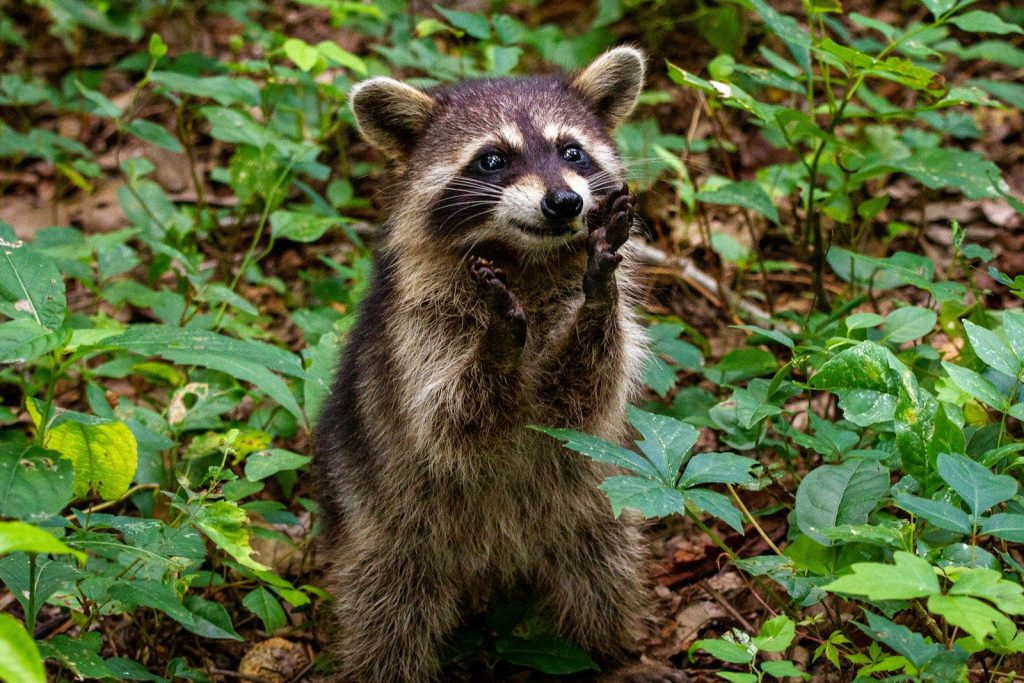
Domestication syndrome describes a collection of traits repeatedly observed in some domesticated animals, including reduced facial skeletons, altered pigmentation, smaller teeth, floppy ears, and behavioral changes. Scientists continue debating how universal the syndrome is and exactly what developmental mechanisms produce it. The raccoon research focused specifically on shorter snouts, not the entire package. Finding one matching trait is interesting because it generates testable questions, but it does not prove that urban raccoons have already entered the same evolutionary pathway that produced domestic dogs.
Human Trash
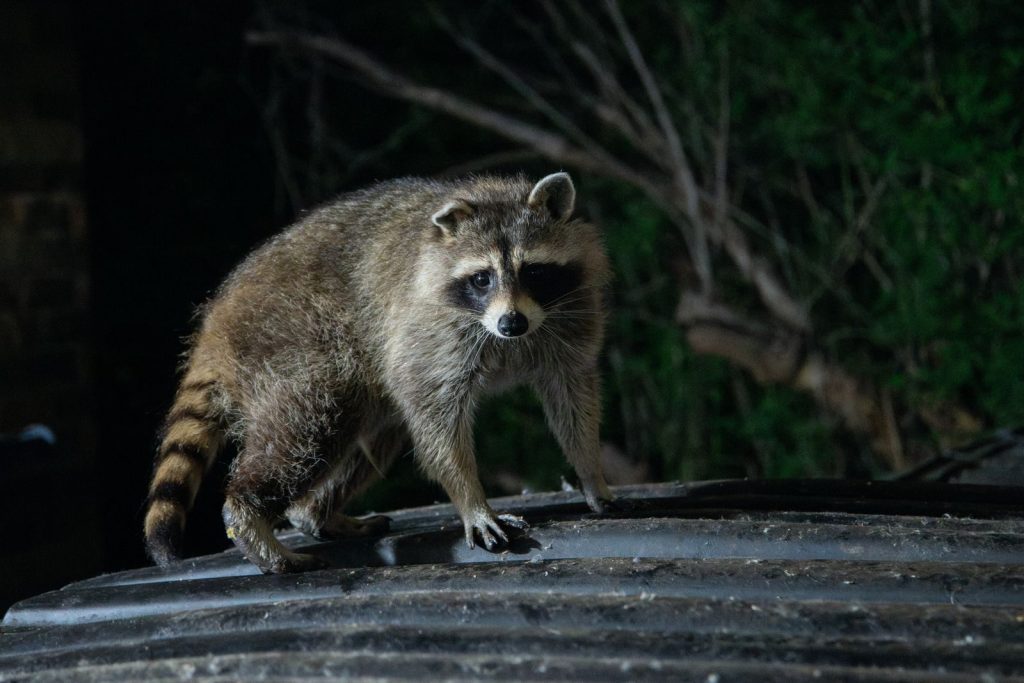
The researchers highlighted human food waste as one possible force behind the pattern. An urban raccoon willing to tolerate people can gain access to abundant garbage without having to hunt or forage entirely in natural habitats. Over generations, that could favor animals with lower reactivity around humans if those individuals obtain more food and reproduce successfully. The study did not directly demonstrate that trash caused shorter snouts, however. It identified a plausible ecological mechanism that future behavioral, genetic, and developmental research can test.
Climate Effects

One reason the finding requires caution is that urbanization was not the only factor associated with skull shape. Climate zones also predicted snout length, with warmer environments linked to shorter snouts overall. Urban raccoons still tended to have shorter snouts than rural animals within comparable climate conditions, but geography and temperature clearly matter. Evolution rarely responds to only one pressure. The researchers therefore emphasized that possible domestication-related effects must be considered alongside other environmental influences shaping the same physical trait.
Not Domestic
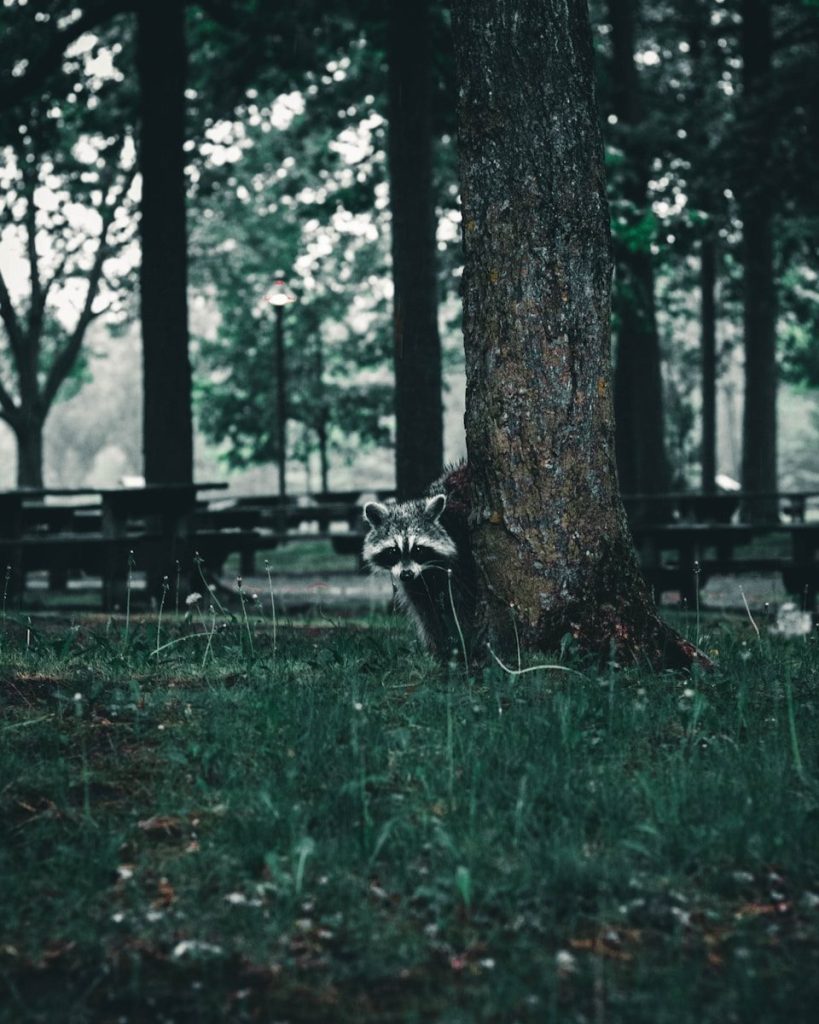
A raccoon approaching a garbage can is habituated to human environments, not necessarily domesticated. Domestication usually involves heritable changes accumulated across generations, often under deliberate or indirect selection associated with humans. Individual tameness and species-level domestication are different things. The 2025 authors described raccoons as a potential model for studying early domestication patterns in a mammal that remains undomesticated. That wording is much more cautious than headlines claiming raccoons are already turning into household pets or becoming the next dogs.
Future Research

The next step is determining whether urban raccoons show other changes predicted by domestication hypotheses. Researchers could compare behavior, stress physiology, genetics, pigmentation, reproduction, and cranial development across urban and rural populations. Long-term studies would also need to show whether traits persist across generations rather than simply reflecting flexible responses to local conditions. The current work is valuable because it identifies a measurable pattern across a huge geographic dataset. It opens a research question rather than delivering the final answer about raccoon domestication.
Still Wildlife
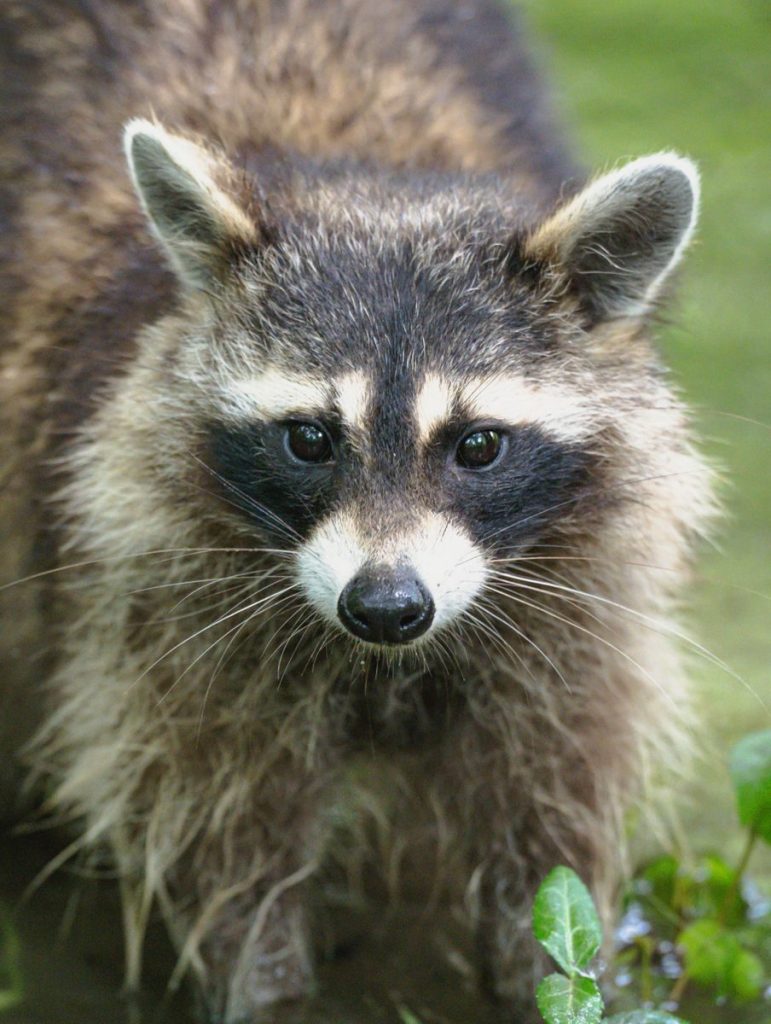
Whatever future evolution brings, raccoons living in cities today are wild animals. They can bite, damage buildings, spread disease, and become problematic when people intentionally feed them. Treating them like emerging pets could increase exactly the human-wildlife conflicts scientists are trying to understand. The fascinating part of the research is not that everyone may someday own a raccoon. It is that cities themselves may act as evolutionary environments, subtly changing animals that learn to exploit the opportunities people create.
Featured Image: Photo by David Selbert on Pexels