The exact viral clip described by this title could not be reliably authenticated, so it would be misleading to invent the child, location, or outcome. The safer story is what documented elephant behavior shows when people enter an elephant’s space.
Elephants often avoid conflict, but their size means a warning display can become dangerous very quickly. Children are especially vulnerable because they may not recognize behavioral signals or understand why approaching, touching, feeding, or blocking a wild elephant is risky.
Close Elephant Encounters

A close elephant encounter can look calm right up until the animal decides it needs more space. Elephants assess people, vehicles, predators, and other disturbances through sight, smell, sound, and movement. Their response depends on context, individual history, age, sex, and whether calves are nearby.
That variability is why a short video cannot reliably reveal what an elephant “wanted” or “thought.” The safest interpretation focuses on visible behavior and distance. An animal that tolerates a person for several seconds has not given permission to approach closer, and calm behavior can change when the situation changes.
Elephant Warning Displays

Elephants have a large vocabulary of visual and vocal signals. Threat displays can include standing tall, spreading or stiffening the ears, raising the head, directing attention toward a perceived threat, shaking the head, tossing vegetation, trumpeting, rumbling, or advancing.
No single signal guarantees that a charge will follow, and playful behavior can sometimes resemble more serious movement. Context matters. For tourists, the practical lesson is simpler than trying to become an instant behavior expert: increasing distance early is safer than waiting to discover whether a display is a bluff or an escalation.
Elephant Charges

South African National Parks explains that elephants may run toward a threat in either a demonstration or a real charge. Many charges are broken off before contact, but a charge that continues can injure or kill people and can seriously damage a vehicle.
The phrase “mock charge” can sound harmless, but it is still a warning from a multi-ton animal. A person on foot, especially a child, should never treat one as entertainment or stand closer for a better video. The purpose of safe wildlife viewing is to avoid provoking the situation in the first place.
Elephant Family Groups

Female elephants and their young live in socially complex family groups, and adults may respond strongly when they perceive danger near calves. Herd members can bunch together, position themselves around younger animals, retreat, threaten, or charge depending on the circumstances.
That does not mean every elephant near a calf will attack, but approaching a family group removes the margin needed for animals to choose distance. A child moving unpredictably toward elephants can also be difficult for the animals to interpret. Keeping people together and following guide instructions reduces unnecessary pressure on the herd.
Elephant Vehicle Encounters
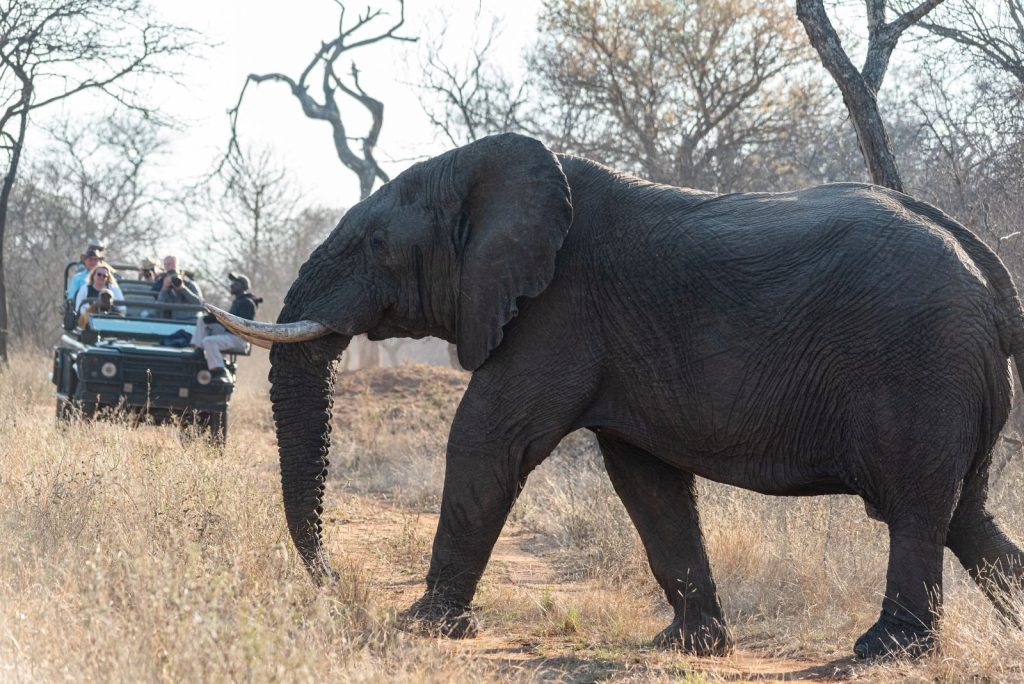
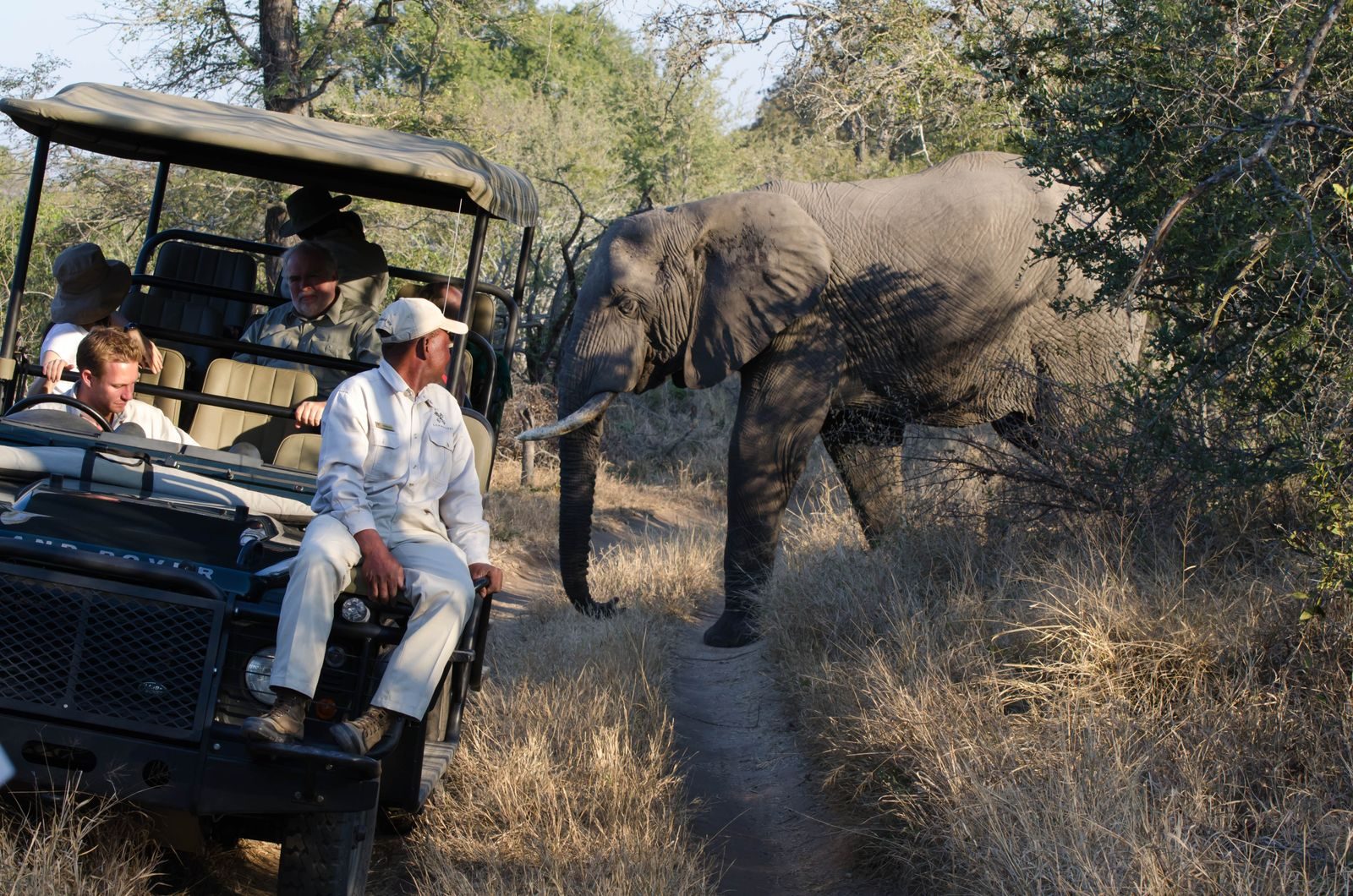
Vehicles provide some separation from wildlife, but they do not make close elephant encounters risk-free. SANParks requires visitors in Kruger National Park to remain inside vehicles except in designated areas and prohibits disturbing or feeding animals. Those rules are designed around genuinely wild behavior.
Drivers should avoid crowding elephants, blocking their travel path, or using a vehicle to pressure them for photographs. If an elephant chooses to approach, passengers should stay quiet and follow experienced local guidance. Leaving room for the animal to move away is generally safer than trapping it between vehicles or obstacles.
Feeding Wild Elephants
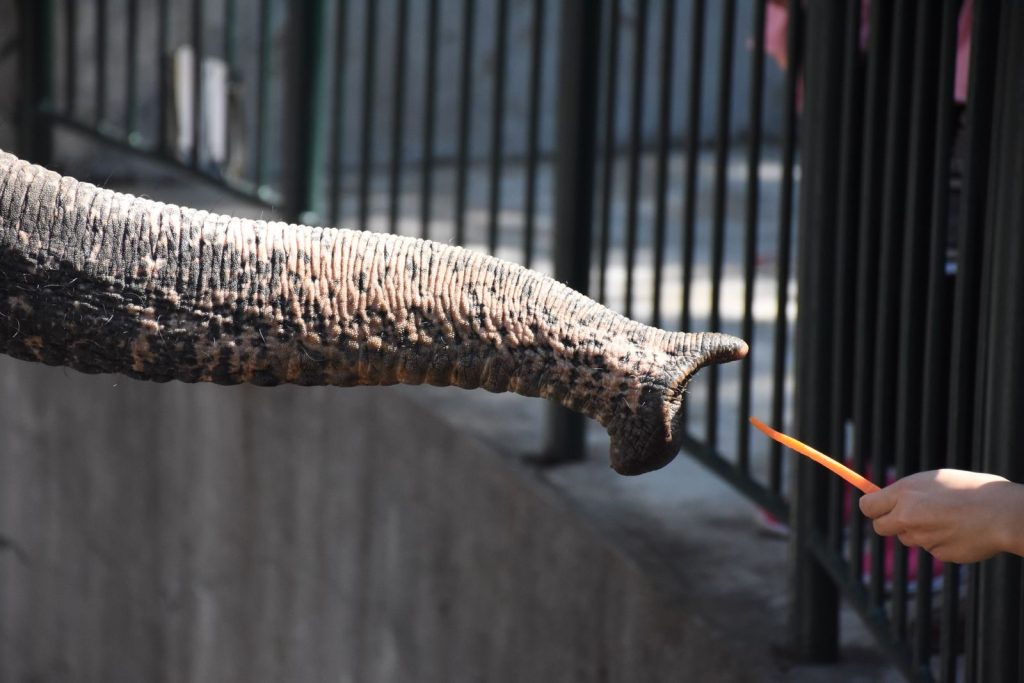
Feeding wildlife can change how animals respond to people and vehicles. Elephants that learn to associate humans with food may approach more closely, creating situations that are unsafe for visitors and difficult for managers. Protected areas commonly prohibit feeding for both safety and conservation reasons.
A child offering food may appear harmless, but the elephant is far stronger and may reach, push, or compete for the item without understanding human vulnerability. Safe viewing means allowing elephants to forage naturally rather than encouraging contact. A memorable encounter should not depend on changing the animal’s behavior.
Elephant Tourism

A 2026 study of wild elephants in a protected area examined tourism pressure using factors including the number of people, vehicles, distance, and noise at sightings. The research reflects a broader principle: wildlife viewing itself can become a disturbance when intensity rises.
Good elephant tourism therefore depends on more than avoiding obvious attacks. Distance, crowding, noise, and repeated approaches can all alter an encounter. Guides and park rules are there to manage those pressures. Families should treat a quiet elephant as wildlife that still needs space, not as a tame animal available for close interaction.
Safe Elephant Viewing

The most reliable safety rule is also the least dramatic: keep a respectful distance and never send a child toward a wild elephant for a photograph. In protected areas, remain where rules require, obey guides and rangers, and leave vehicles only where the location specifically permits it.
If an elephant shows focused attention, approaches, blocks the route, or displays threatening behavior, do not test how serious it is. Create space when that can be done safely and follow local professional instructions. The goal is not to win an encounter; it is to avoid turning normal wildlife viewing into a confrontation.
Featured Image: Photo by loek fernengel on Pexels