Skip to content

Recent Posts

  • This Delicacy Is Driving a Rare Animal Toward Extinction
  • Unforgettable Wildlife Experiences Across British Columbia
  • Canada’s Wild Horse National Park Hidden in the Atlantic
  • Hunters Flock to These US States Every Deer Season
  • Vultures May Be Helping Florida Fight Invasive Burmese Pythons

Most Used Categories

  • Nature & Wildlife (102)
  • Risk (25)
  • Hunting (17)
  • Human Interest (15)
  • Survival (13)
  • Bees/Swarms fear (12)
  • Exotic Animals (7)
  • Suspense (6)
  • Adventure (3)
  • Gears (2)
Skip to content
  • About Us
  • Contact Us
  • Disclaimer
  • Privacy Policy
  • Terms & Conditions

Hive Hunters Tales

  • Suspense
  • Nature & Wildlife
  • Human Interest
  • Hunting
  • Bees/Swarms fear
  • Exotic Animals
  • Risk
  • Survival
  • Adventure
  • Gears
  • Home
  • Nature & Wildlife
  • 7 Animal Myths That Fooled the World
two brown yaks standing on ground

7 Animal Myths That Fooled the World

JakeMay 31, 2026May 31, 2026

For centuries, people have passed down stories about animals that sounded believable but turned out to be completely false. Some of these myths came from misunderstanding behavior, while others were exaggerated over time. Modern science has now cleared up many of these misconceptions.

Myth: Bats Are Blind
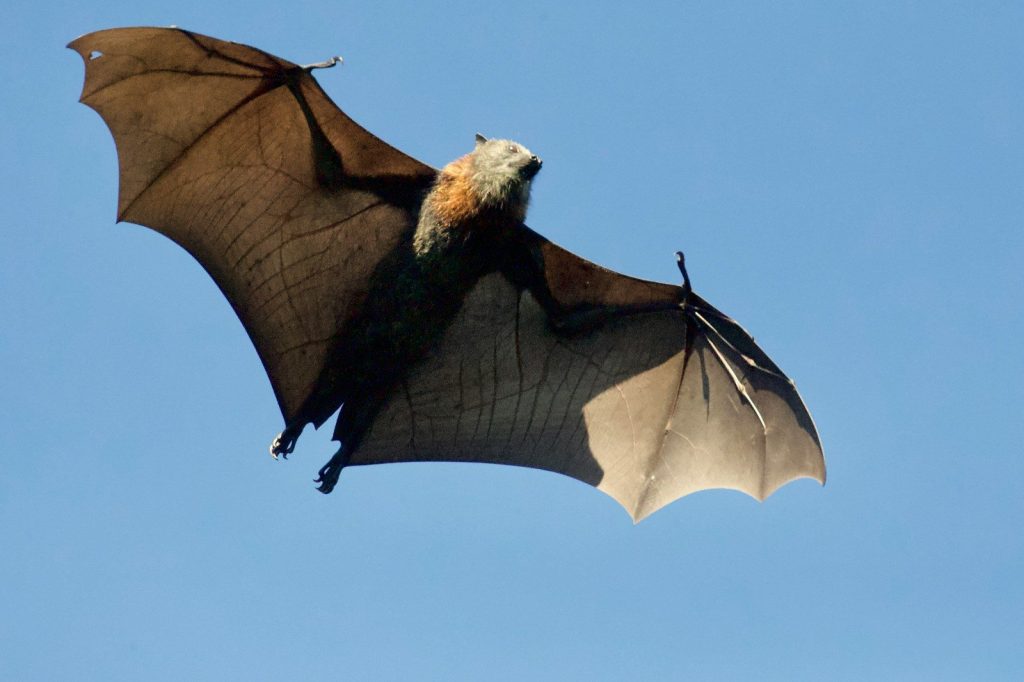
brown bat
Photo by James Wainscoat on Unsplash

Despite the saying “blind as a bat,” bats are not blind at all. Most species can see quite well. They also use echolocation to navigate in the dark, combining vision and sound-based navigation for precision flying.

Myth: Goldfish Have a Three-Second Memory
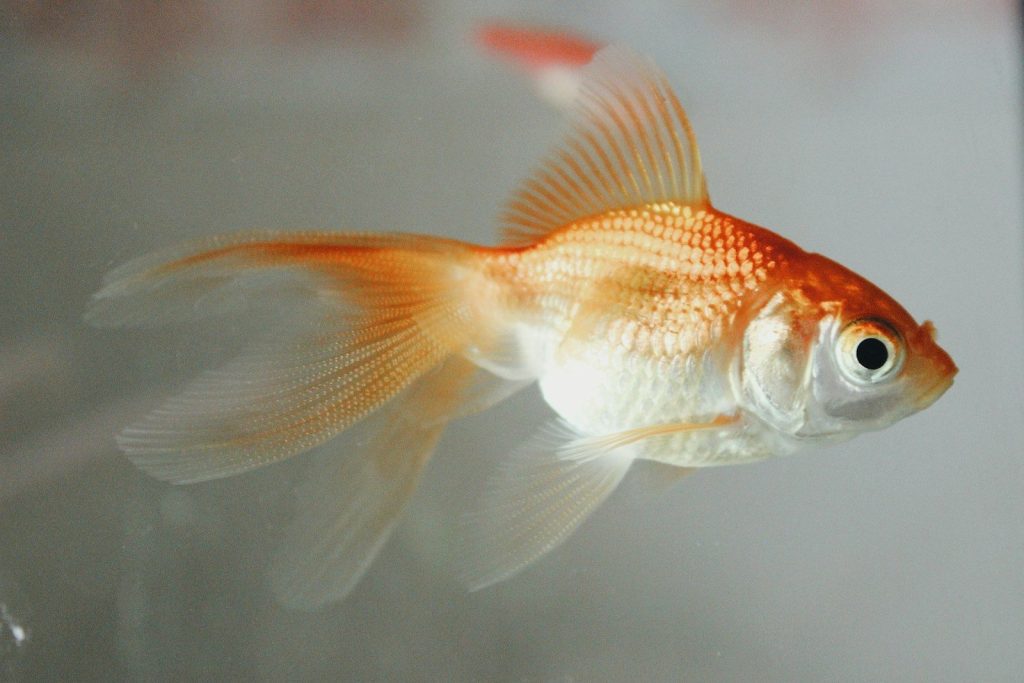
a goldfish swimming in water
Photo by Hale Tat on Unsplash

Goldfish actually have much better memory than people assume. Studies show they can remember information for months and can even be trained to respond to cues and recognize patterns.

Myth: Ostriches Bury Their Heads in the Sand
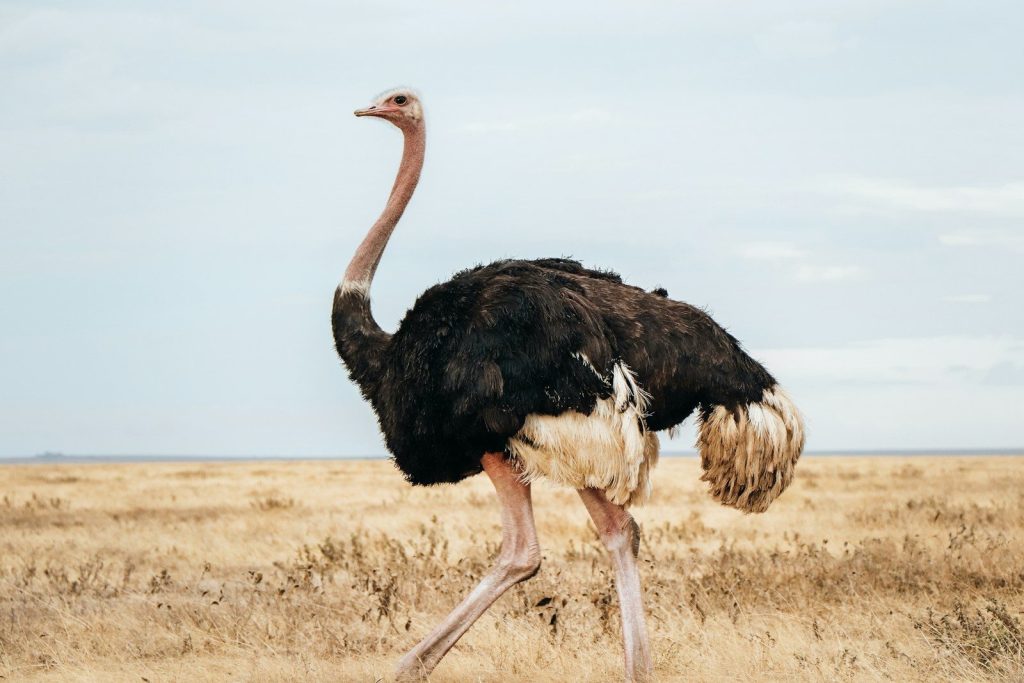
an ostrich walking in a field of dry grass
Photo by Team Mfina on Unsplash

Ostriches do not bury their heads in the sand when scared. Instead, they may lower their heads close to the ground to blend in with their surroundings or check on eggs in nests.

Myth: Chameleons Change Color for Camouflage Only
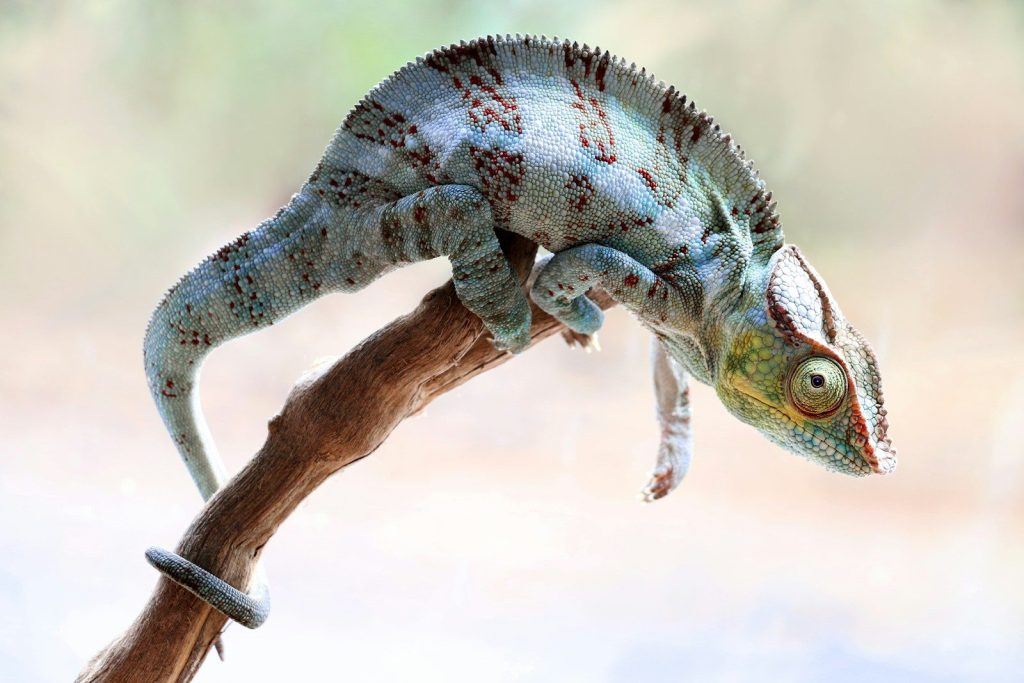
a lizard on a branch
Photo by Pierre Bamin on Unsplash

Chameleons do change color for camouflage, but that is not their only reason. They also shift colors to communicate emotions, regulate temperature, and respond to environmental changes.

Myth: Bulls Get Angry When They See Red
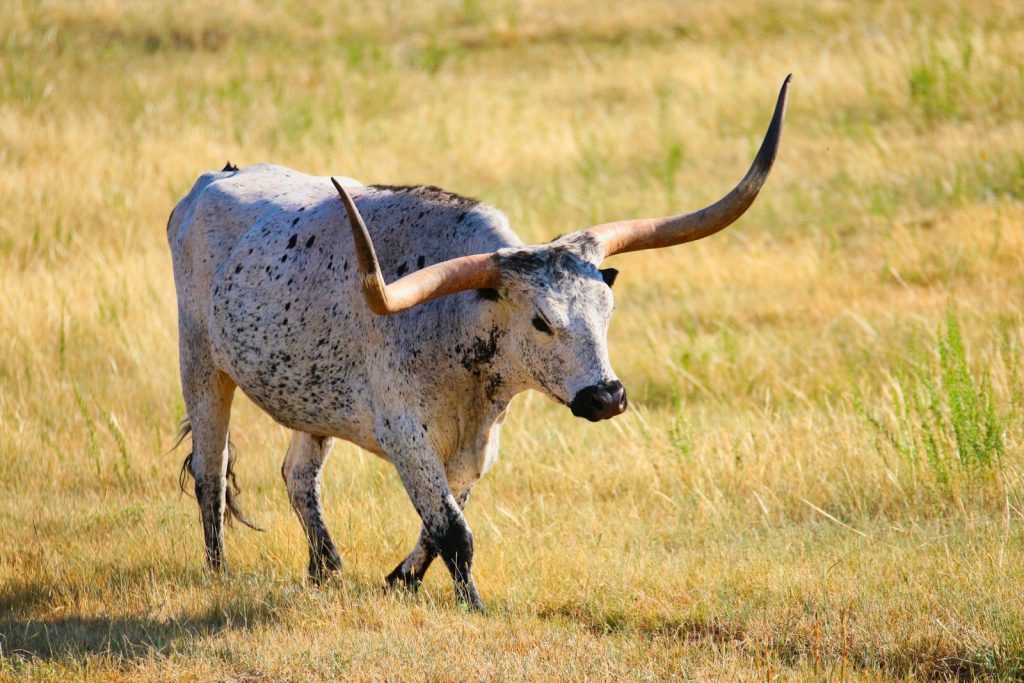
gray four legged animal on green grass field
Photo by Thomas M. Evans on Unsplash

Bulls are not triggered by the color red. In fact, bulls are colorblind to red tones. They react to movement, especially the motion of the matador’s cape.

Myth: Camels Store Water in Their Humps
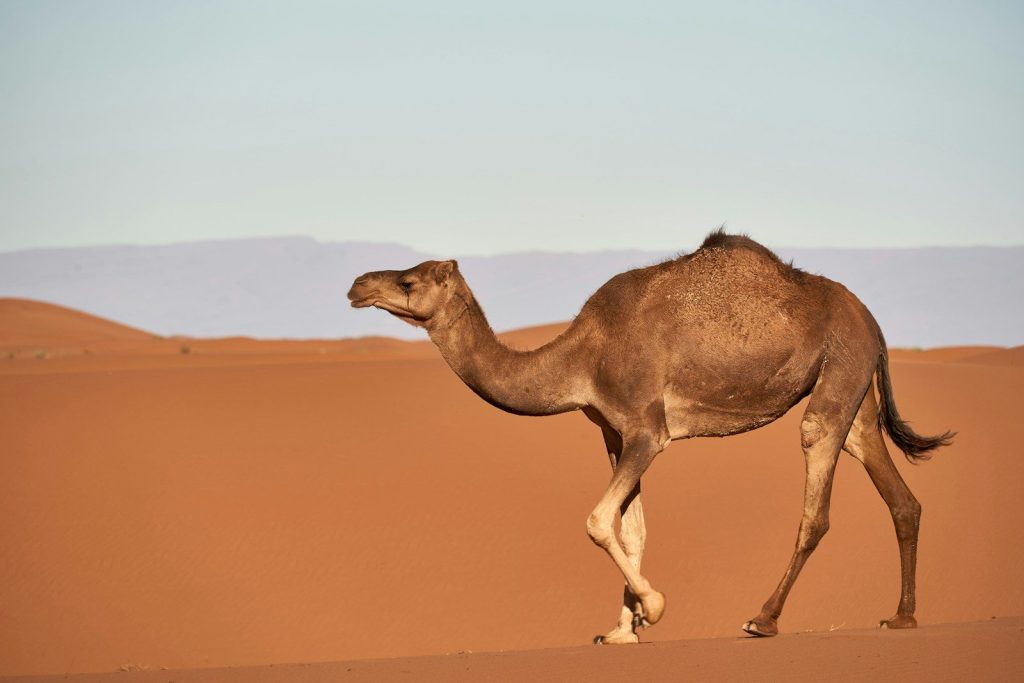
brown camel on desert during daytime
Photo by Wolfgang Hasselmann on Unsplash

Camels do not store water in their humps. Their humps store fat, which can be converted into energy and water when needed during long periods without food or hydration.

Myth: Sharks Can Smell a Single Drop of Blood from Miles Away
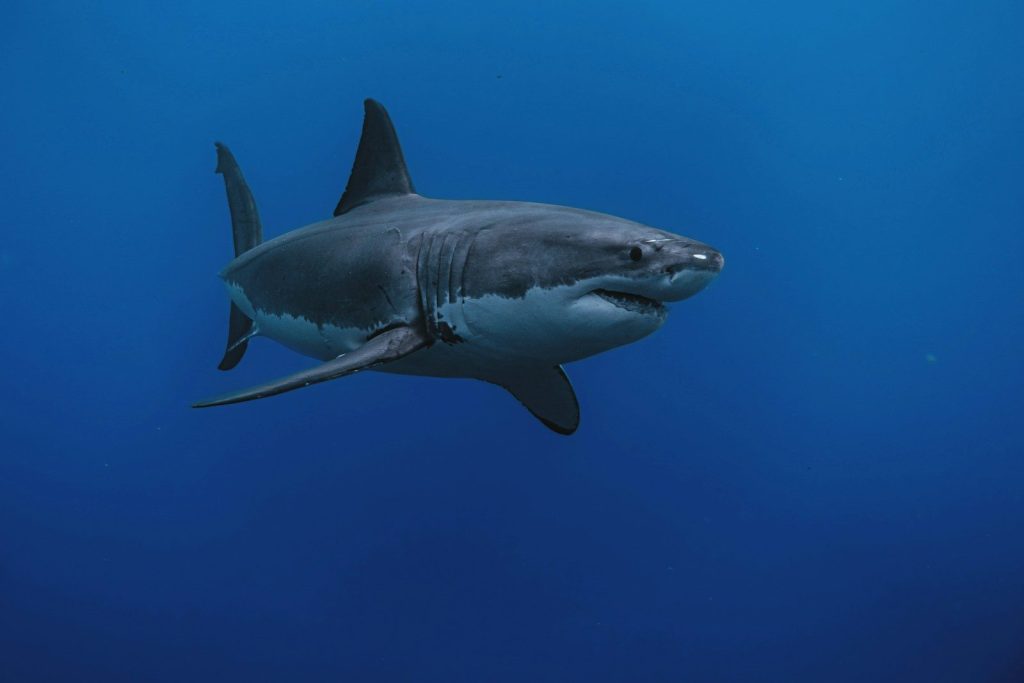
a great white shark swimming in the ocean
Photo by Gerald Schömbs on Unsplash

Sharks have a strong sense of smell, but the idea that they can detect a single drop of blood from miles away is exaggerated. Their detection range is much shorter and depends on water currents and concentration.

These myths show how easily animal behavior can be misunderstood. As science continues to study wildlife more closely, many long-held beliefs are being replaced with fascinating truths.
Post navigation

Previous: Pets That Become Loyal Almost Instantly
Next: Dutton Ranch Filming Hit by Rattlesnake Surprises in Texas

Related Posts

Pigeons surround a person's legs on a brick ground.

Unforgettable Wildlife Experiences Across British Columbia

June 3, 2026June 3, 2026 Jake
three assorted-color horses running away from a mountain

Canada’s Wild Horse National Park Hidden in the Atlantic

June 3, 2026June 3, 2026 Jake
flock of birds on green grass field during daytime

Vultures May Be Helping Florida Fight Invasive Burmese Pythons

June 3, 2026June 3, 2026 Jake

Leave a Reply Cancel reply

Your email address will not be published. Required fields are marked *

Recent Posts

  • This Delicacy Is Driving a Rare Animal Toward Extinction
  • Unforgettable Wildlife Experiences Across British Columbia
  • Canada’s Wild Horse National Park Hidden in the Atlantic
  • Hunters Flock to These US States Every Deer Season
  • Vultures May Be Helping Florida Fight Invasive Burmese Pythons
Copyright All Rights Reserved | Theme: BlockWP by Candid Themes.