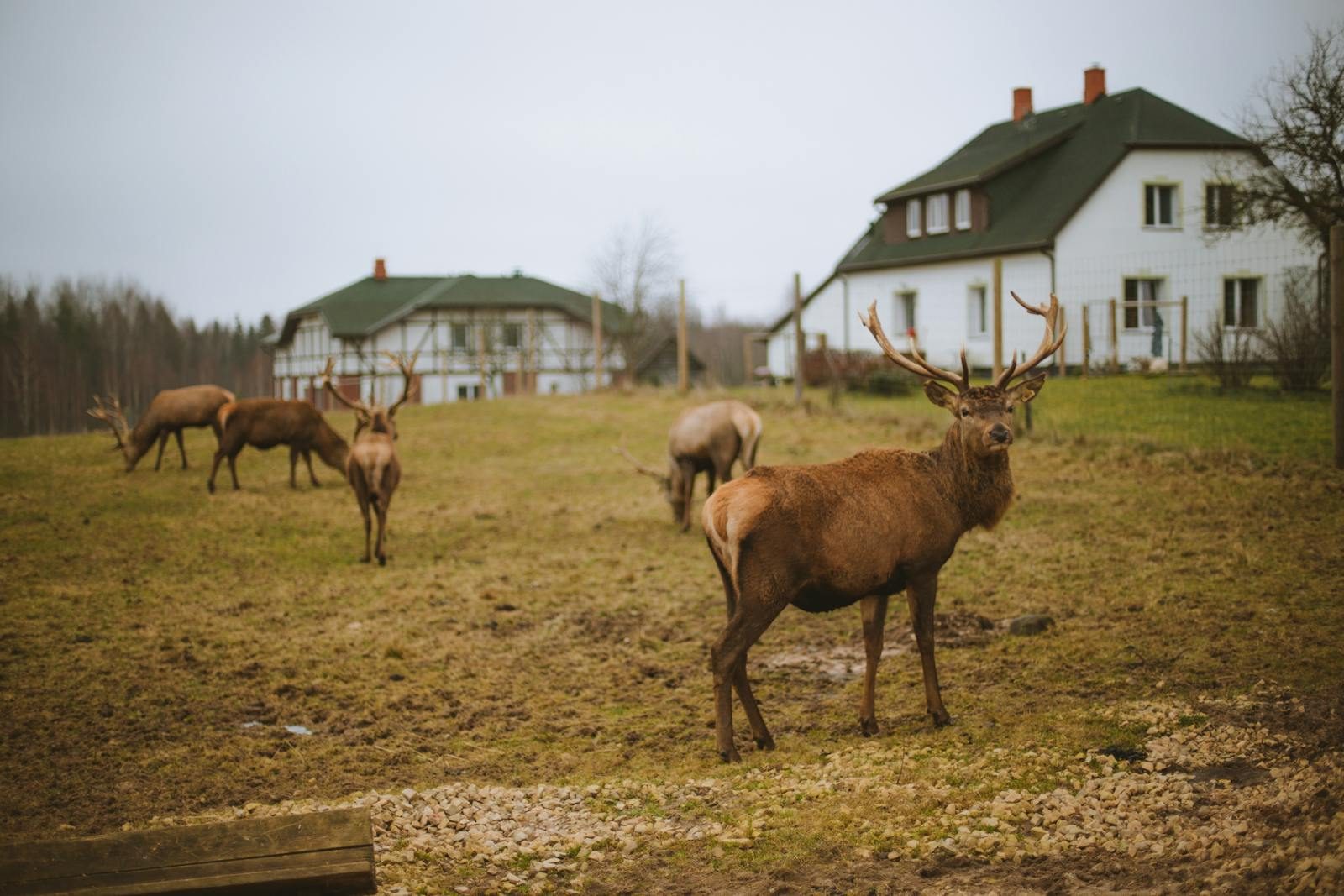
Deer may look harmless, but they can cause serious damage to residential gardens and landscaping when they begin feeding regularly in a yard. Wildlife biologists warn that without proper barriers or deterrents, the problem often grows worse over time rather than improving.
Once deer identify a reliable food source, they tend to return frequently and in larger numbers. This repeated activity can quickly turn a well-kept yard into a heavily damaged landscape.
Deer Quickly Learn Where Easy Food Is Available
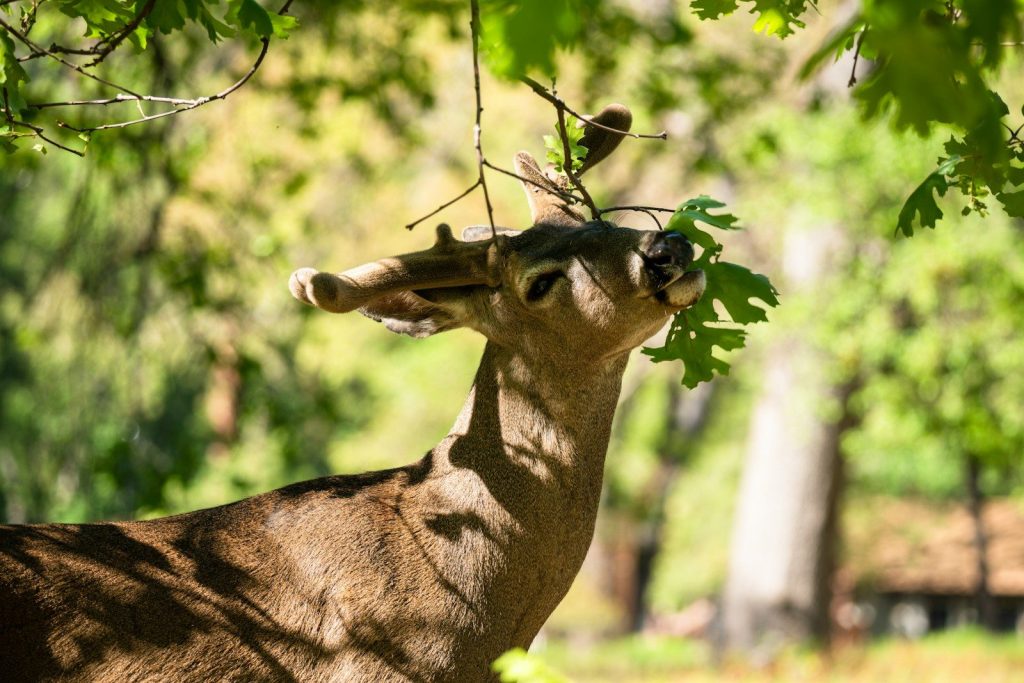
Deer are highly intelligent feeders that remember locations where they have previously found food. Once they discover a garden or yard with accessible plants, they are likely to return.
Over time, this behavior becomes habitual and predictable. What starts as occasional grazing can turn into daily visits during peak feeding seasons.
Damage Increases When No Physical Barriers Are Used
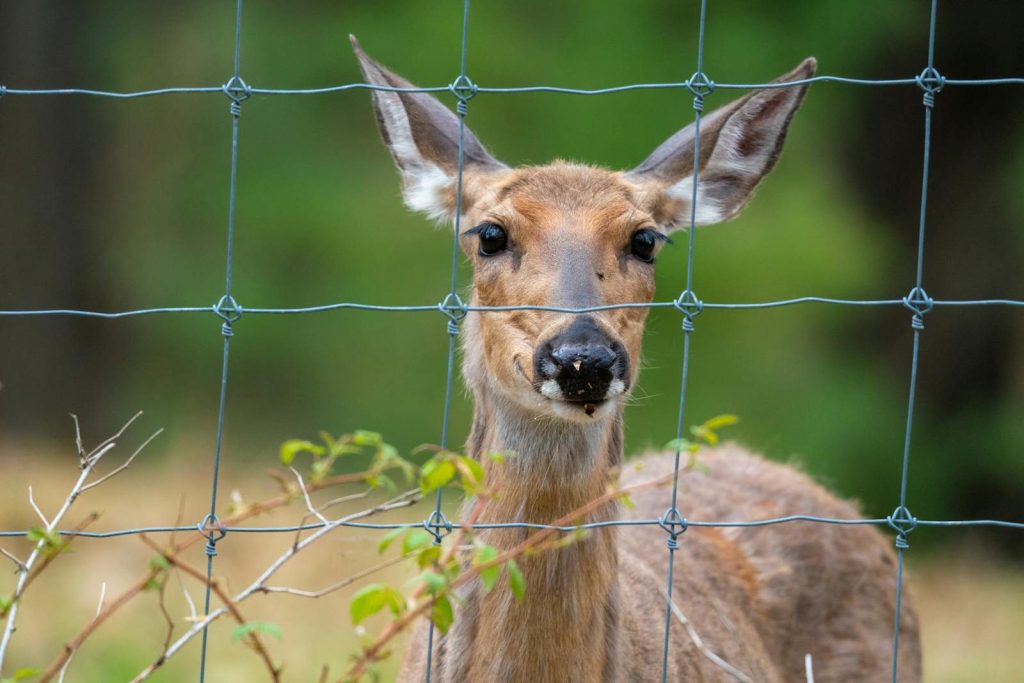
Without fencing or protective barriers, deer can freely enter residential spaces. This gives them constant access to shrubs, flowers, and vegetables.
Biologists note that unprotected yards often suffer the most severe long-term damage. Even fast-growing plants struggle to recover under repeated feeding pressure.
Seasonal Food Shortages Drive Deer Into Neighborhoods
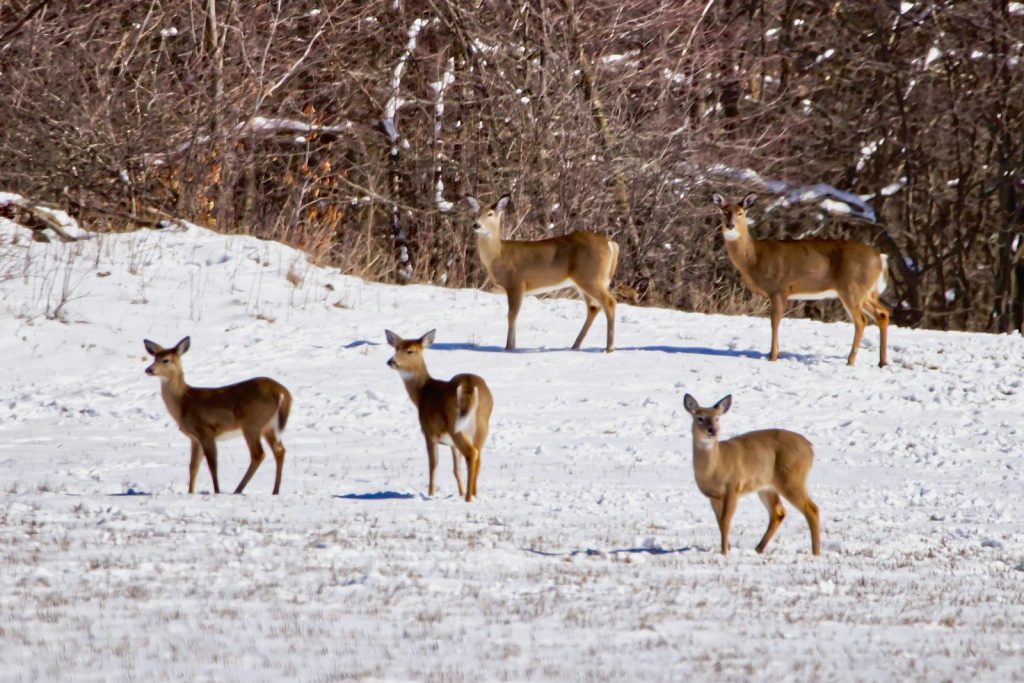
During colder months, natural food sources become limited in the wild. As a result, deer move closer to human homes in search of easier meals.
This seasonal shift increases the likelihood of repeated yard visits. Suburban areas near forests or open land are especially affected.
Garden Plants Are Often the First Targets

Deer tend to prefer tender plants, ornamental flowers, and young shoots. These are often found in well-maintained residential gardens.
Once feeding begins, plants can be stripped quickly and repeatedly. This prevents proper growth and can destroy landscaping within a short time.
Repellents Alone Are Not Always Enough
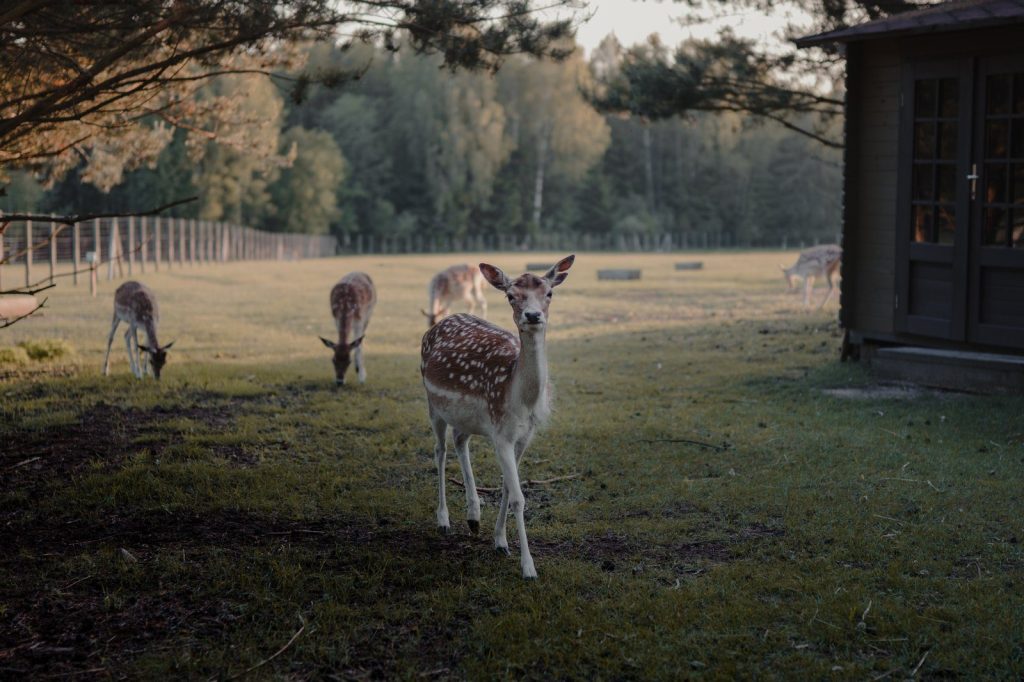
Many homeowners rely on sprays or scent-based deterrents to keep deer away. While these methods can help, they often lose effectiveness over time.
Experts caution that deer can become accustomed to repellents. This is why additional physical protection is usually recommended.
Prevention Is More Effective Than Repair
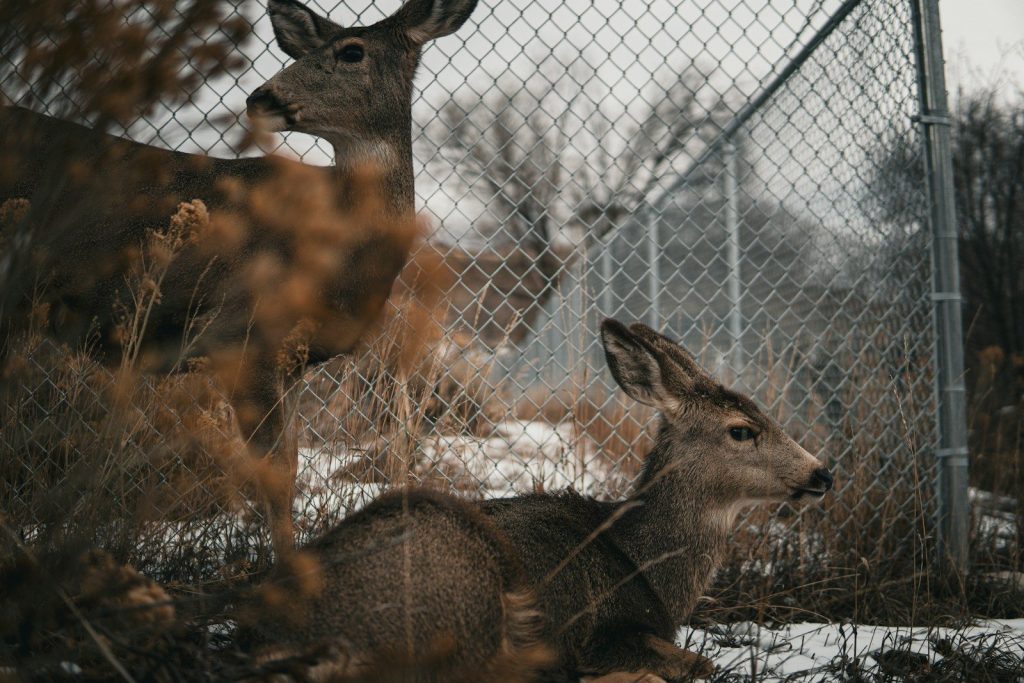
Wildlife experts emphasize that preventing deer access is far easier than fixing long-term damage. Installing barriers early can stop feeding patterns before they start.
Once deer establish a routine, removing them becomes significantly more difficult. Consistent prevention remains the most reliable strategy for protecting yards.