Calling animal mothers “patient” or youngsters “bossy” gives their behavior a human interpretation that video footage cannot establish. What biology clearly shows is that some young animals demand extraordinary amounts of maternal time, milk, transport, protection, and teaching.
These eight examples show what intensive parental care actually looks like without pretending we know whether the mothers find their demanding youngsters amusing, annoying, or exhausting.
Cheetah Cubs
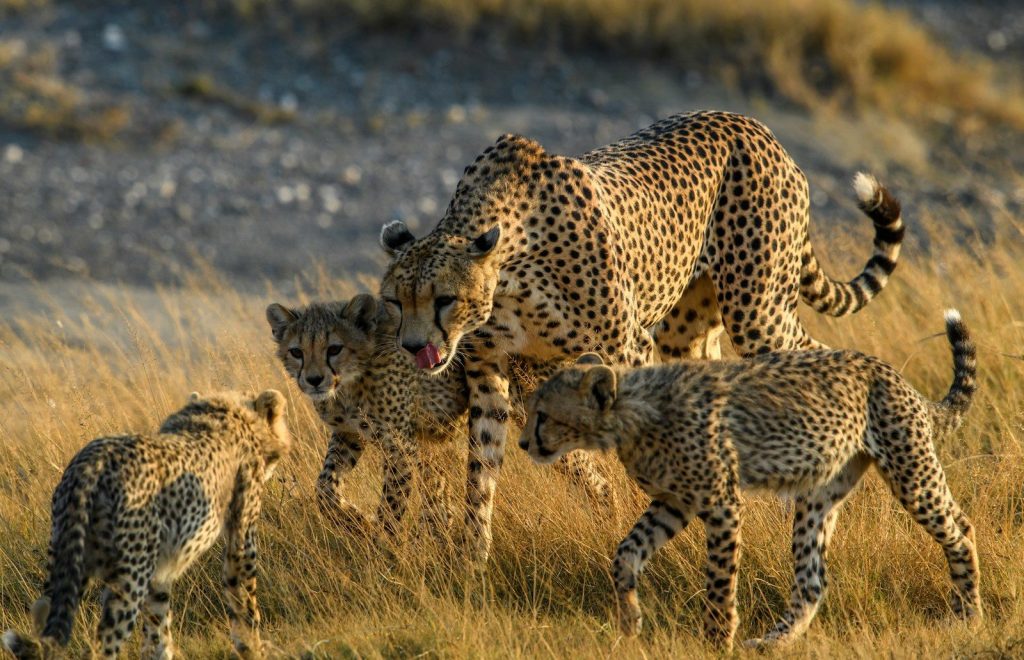
Cheetah mothers raise their cubs without help from adult males. They frequently move young litters between hiding places to reduce the chance that lions, hyenas, and other predators will discover them.
At around six months, cubs begin learning hunting and predator-avoidance skills from their mother. They normally remain with her for about 18 months before becoming independent. That lengthy apprenticeship means a mother must provide food while simultaneously giving several increasingly active youngsters opportunities to practice the behaviors needed for adulthood.
Gorilla Infant
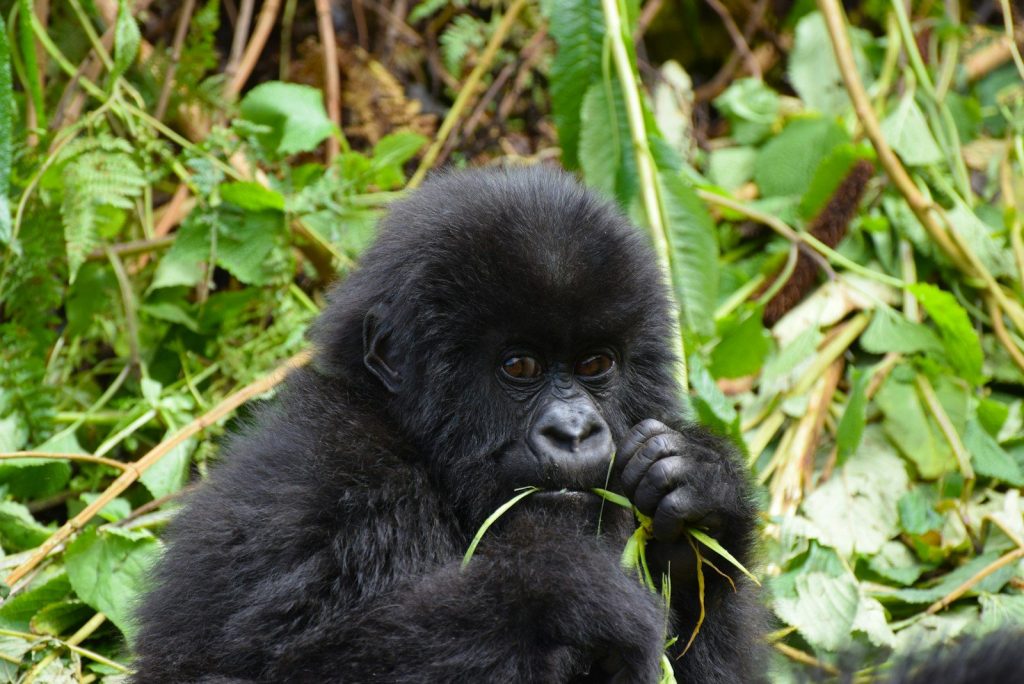
A newborn gorilla spends much of its early life physically attached to its mother. As it becomes older, the infant transitions from clinging beneath her body to riding on her back while she travels through dense forest.
Gorillas may nurse for up to three years, and youngsters can remain close to their mothers until four to six years old. During that long period they learn by watching adults, playing, exploring, and gradually moving more independently. The “ride” is therefore part of a prolonged developmental relationship rather than simple laziness.
Lion Cubs
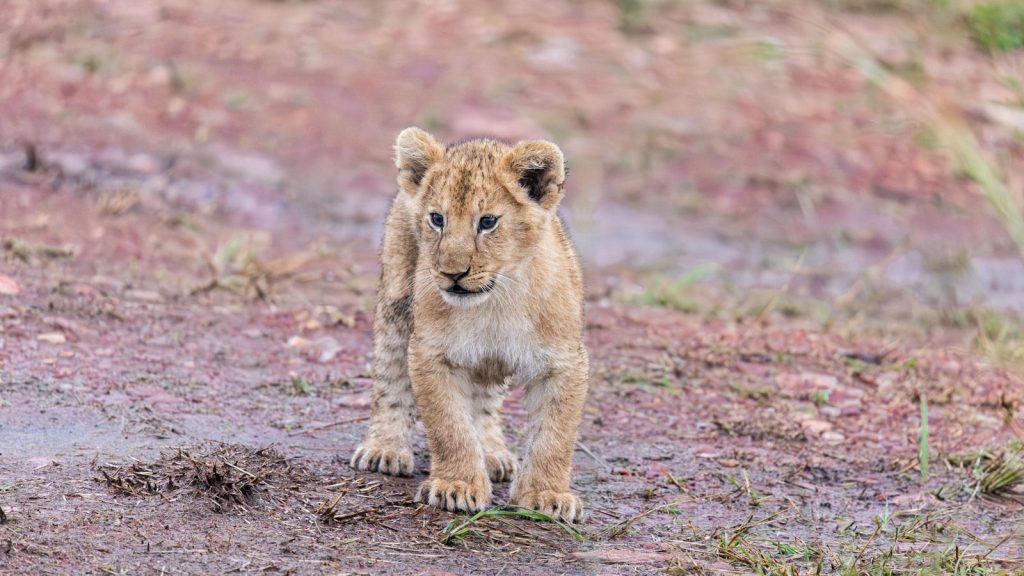
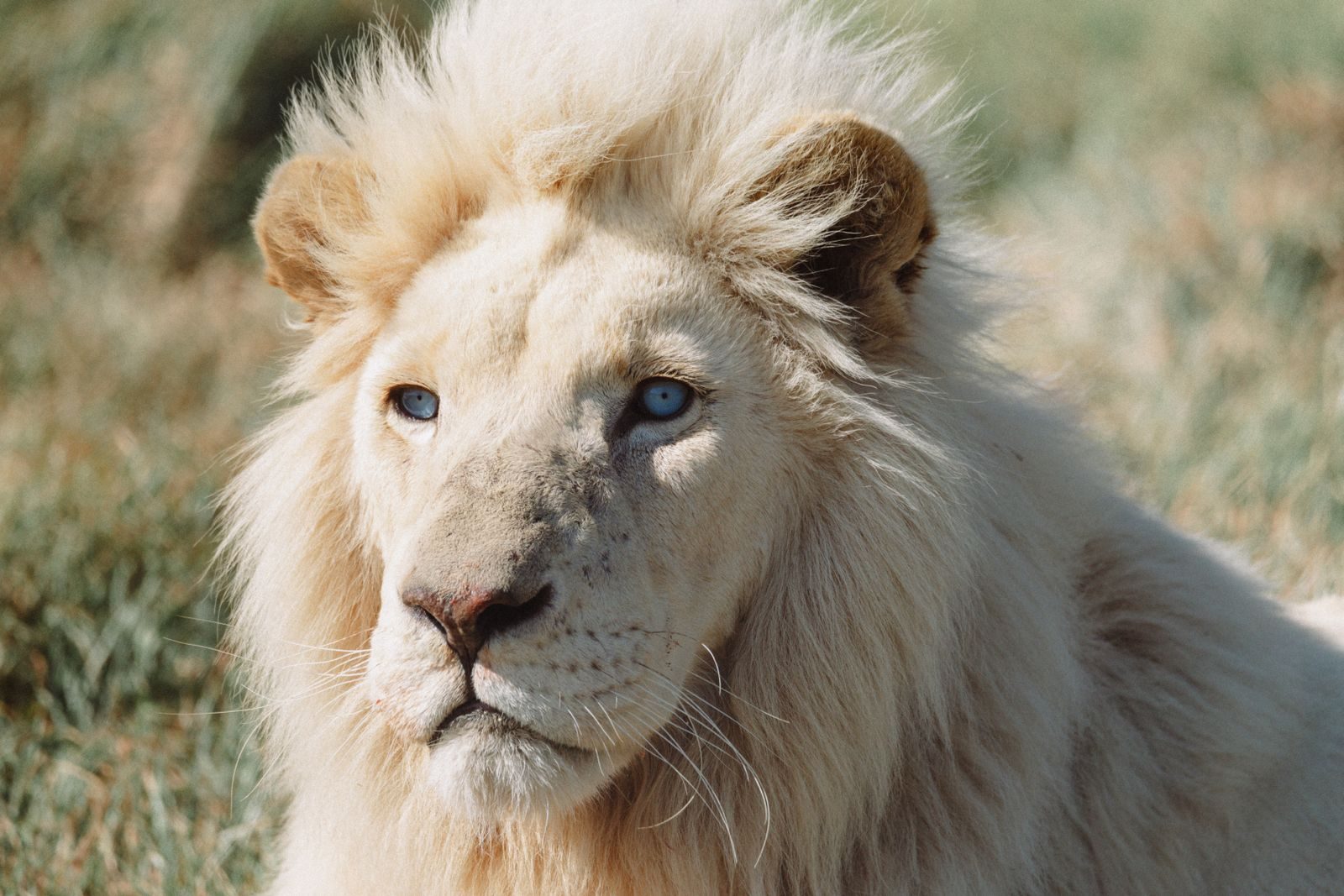
Lion cubs are born dependent on milk and adult protection. By about three months, they can follow their mother more consistently, while weaning generally occurs around six months.
Maternal care continues long after milk disappears. San Diego Zoo Wildlife Alliance notes that lionesses commonly care for offspring until around two years of age, although social life within a pride can involve other females as well. Young cubs spend substantial time playing, following adults, and learning skills while the lionesses still carry much of the responsibility for obtaining food.
Kangaroo Joey
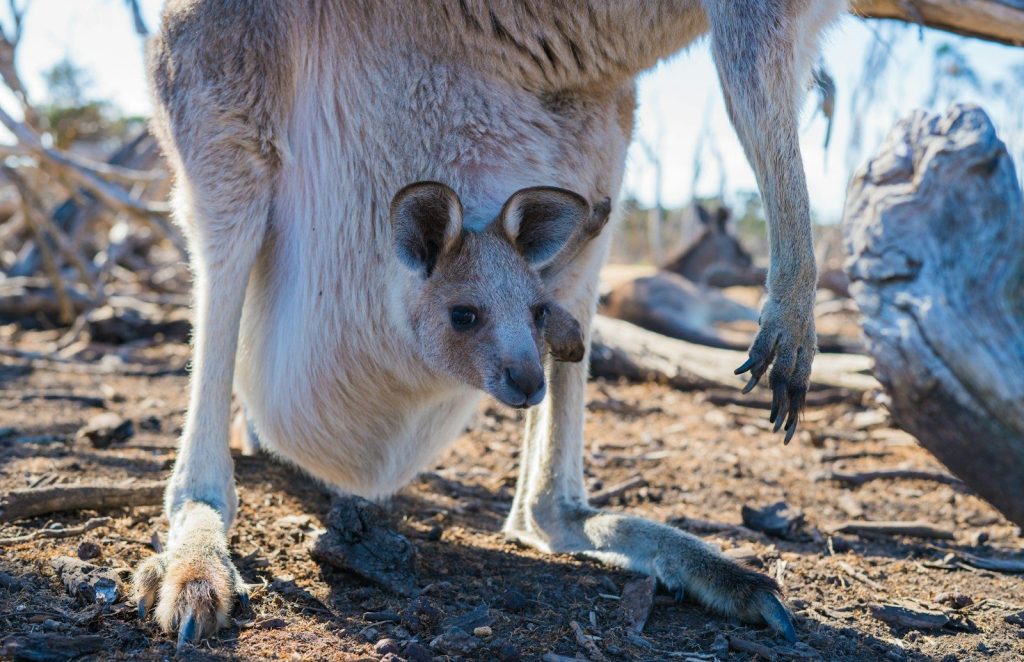
A newborn kangaroo is extraordinarily undeveloped. After birth, the tiny joey reaches its mother’s pouch and attaches to a nipple, where it remains protected while continuing much of the development that placental mammals complete before birth.
The joey eventually begins peeking outside and making short trips before becoming fully independent. The pouch requires maternal maintenance too; San Diego Zoo notes that females periodically clean it. Carrying, nursing, protecting, and cleaning up after a growing joey makes marsupial motherhood much more involved than the famous pouch photograph suggests.
Leopard Cubs
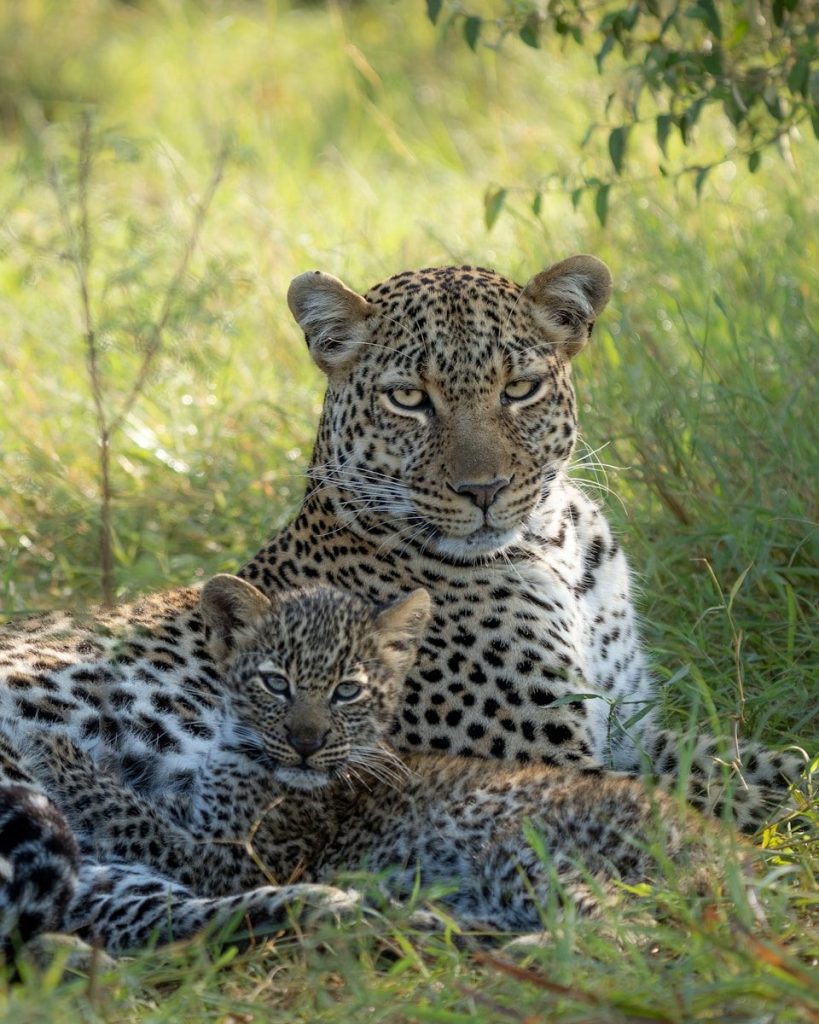
Young leopard cubs practice hunting behaviors long before they must survive alone. San Diego Zoo describes them stalking, pouncing on, and chasing siblings—and sometimes practicing those movements on their resting mother.
Play provides a relatively safe way to develop coordination and predatory technique. The mother still supplies food and protection while her increasingly capable cubs experiment with adult behavior. Leopards usually become independent between roughly 12 and 18 months, meaning the mother tolerates months of energetic practice before her youngsters are genuinely ready to hunt and live on their own.
Tiger Cubs
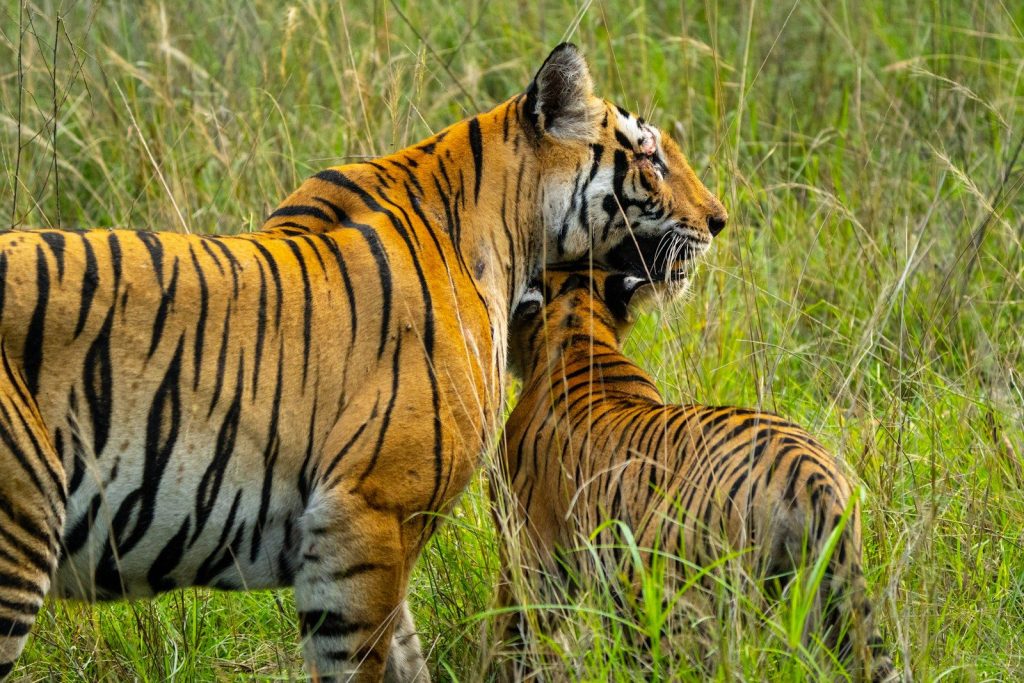
Tiger cubs begin accompanying their mother while still remarkably young and gradually learn the skills needed to capture prey. San Diego Zoo reports that they begin joining her at around eight weeks and practice hunting extensively through play.
Cubs may ambush their resting mother, chase siblings, wrestle, and gradually participate in real hunting situations. They are generally weaned at five or six months but remain with their mother for around two years. She must therefore obtain enough prey for herself and growing offspring while those cubs develop into independent predators.
Jaguar Cubs

A female jaguar normally raises her cubs alone. Newborns begin life with closed eyes and remain dependent on their mother while developing the mobility and coordination needed to follow her through increasingly complex surroundings.
Cubs can begin following their mother at around six to eight weeks and nurse for approximately five or six months. They do not normally begin hunting independently until around 15 to 18 months and may remain near her until about two years old. That extended care gives young jaguars time to develop the skills required of solitary predators.
Orangutan Infant

Orangutans have the longest childhood of the great apes. Youngsters can remain with their mothers and continue nursing for as long as seven years while learning the complicated skills needed for independent rainforest life.
A mother provides much more than milk. Young orangutans learn where seasonal fruits grow, which forest foods are edible, how to travel safely through the canopy, and how to construct night nests. What looks like one baby endlessly following its mother is actually a years-long education in navigating one of Earth’s most complex habitats.
Featured Image: Photo by Gaetano Cessati on Unsplash