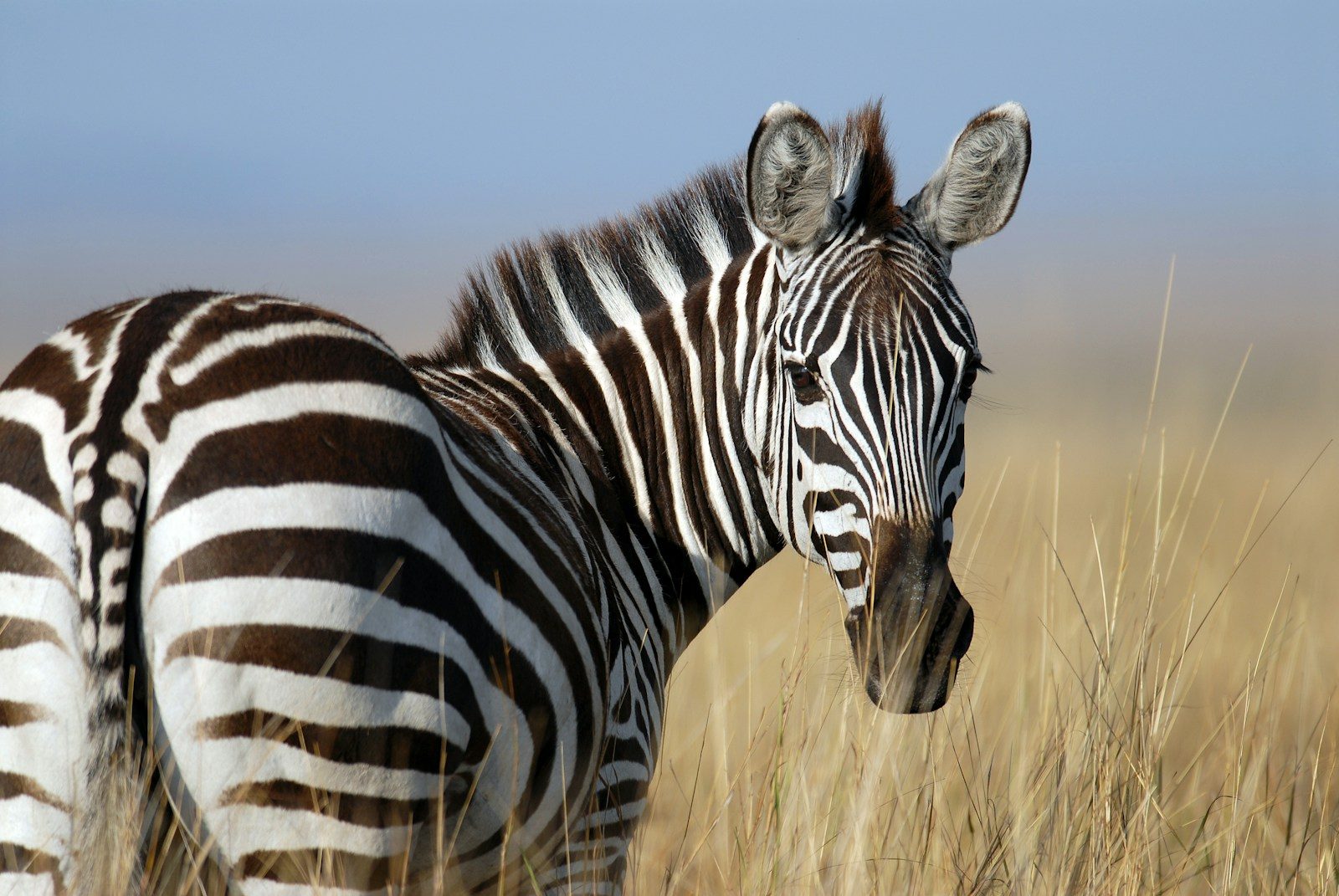
Wild animals may look calm from a distance, but getting too close can quickly turn dangerous. One recent encounter involving a woman attempting to feed a wild zebra is a reminder that even animals that resemble horses can react unpredictably when humans invade their space.
Zebras are not domesticated animals. Despite their familiar appearance, they are powerful, defensive, and known for aggressive behavior when threatened or startled. Unlike horses, zebras evolved in harsh environments filled with predators, which made them naturally cautious and quick to react.
Wild Zebras Are Extremely Strong
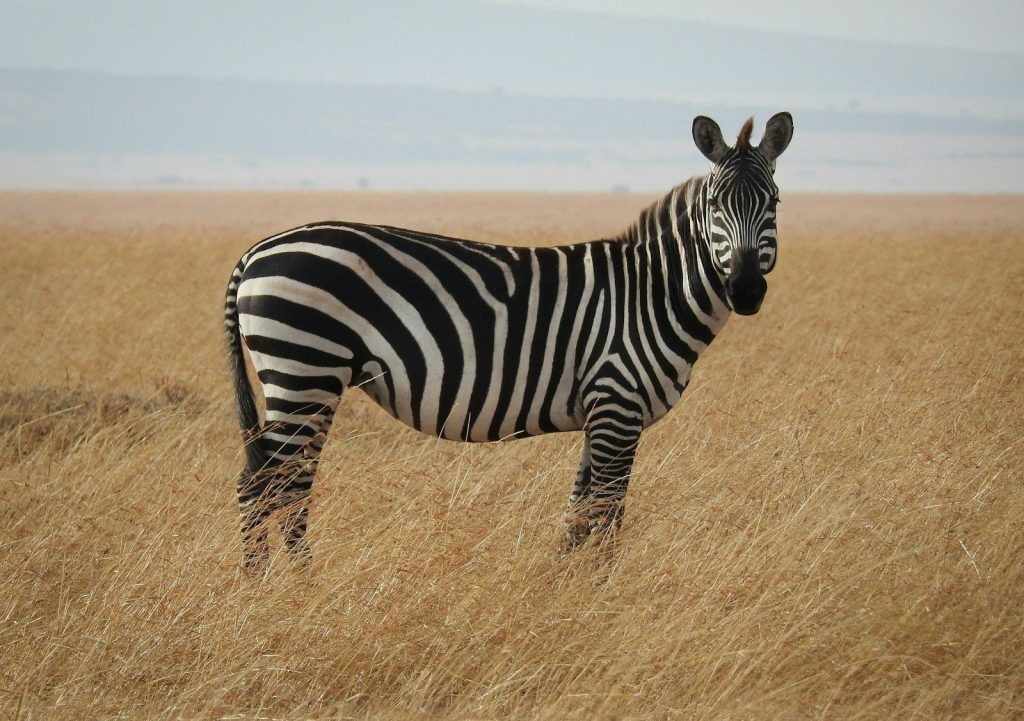
A zebra’s bite is powerful enough to cause serious injury. They can also kick with tremendous force and move suddenly without warning. In the wild, zebras often defend themselves from lions, hyenas, and other predators, so their survival instincts are highly developed.
Trying to hand feed one can place a person dangerously close to sharp teeth and powerful legs.
Why Feeding Wildlife Is Risky
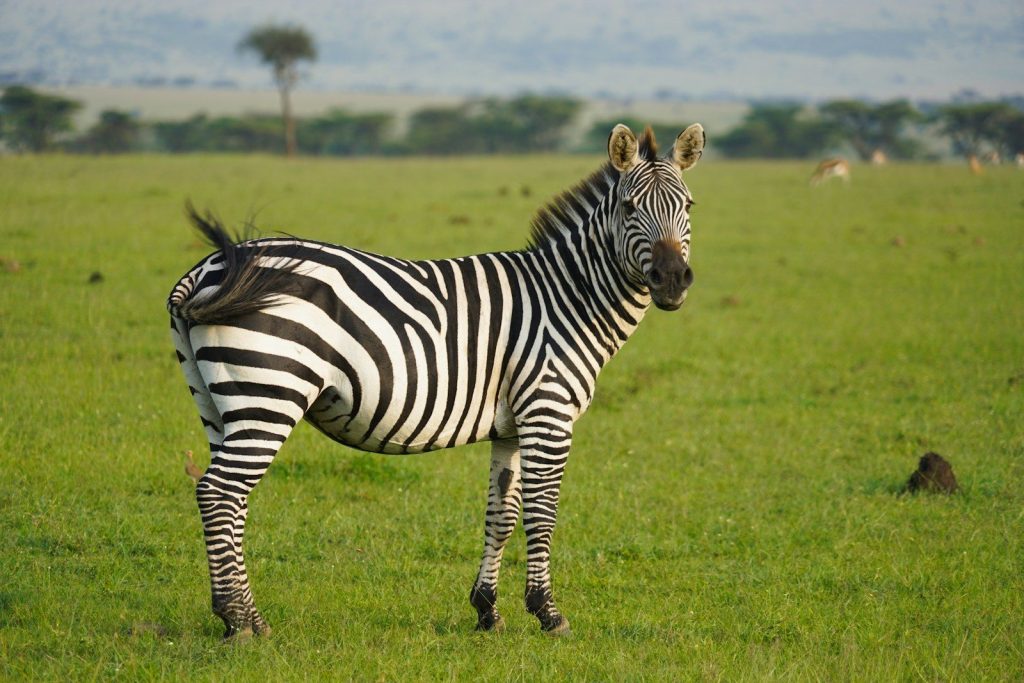
Feeding wild animals changes their natural behavior. Animals that become comfortable around humans may start approaching roads, campsites, or tourist areas more often. This can increase conflicts between humans and wildlife.
Food offered by people may also be unhealthy or harmful for the animal itself.
Zebras Are Not Tame Animals
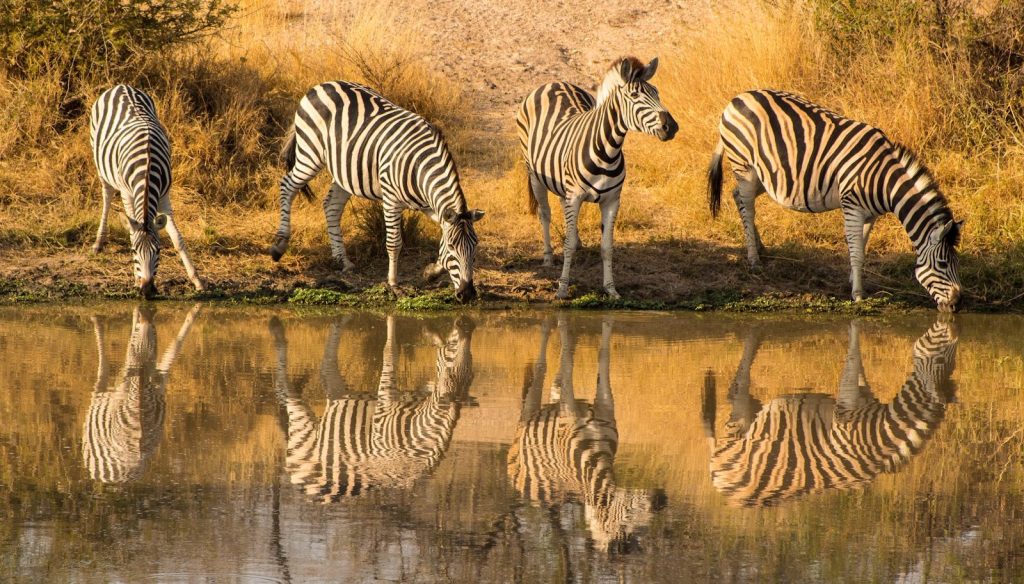
Many people assume zebras behave similarly to horses because they belong to the same animal family. However, zebras have never truly been domesticated on a large scale. They are known for being harder to train and far more aggressive than horses.
Even wildlife experts handle zebras carefully because of their unpredictable nature.
Close Encounters Can End Badly
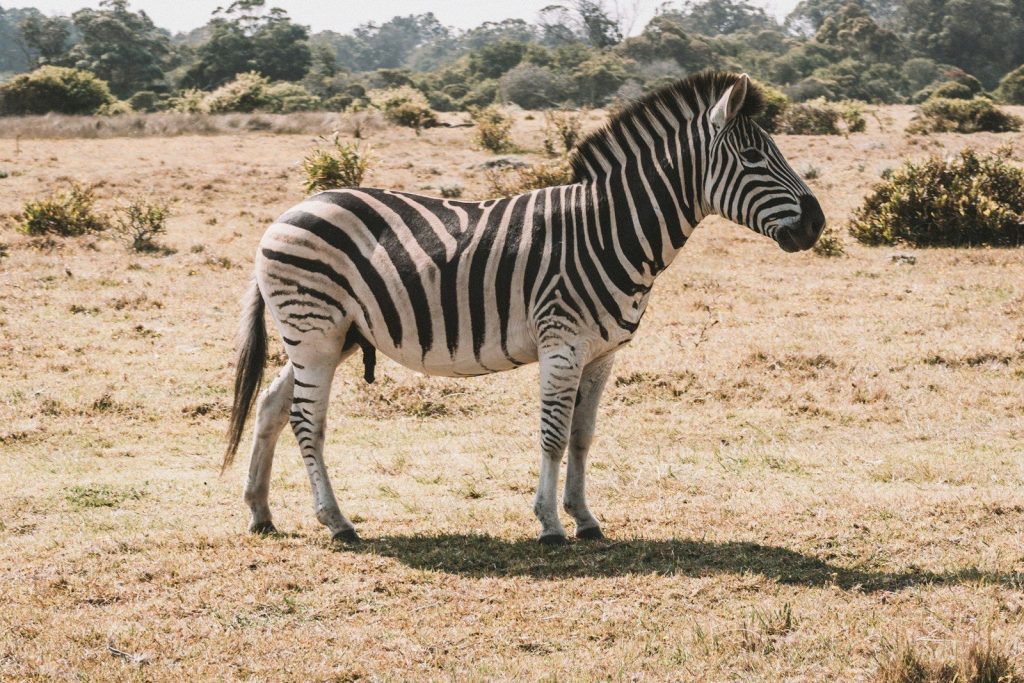
Videos of people approaching wild animals often spread online because they seem exciting or funny. But these situations can become dangerous in seconds. A startled zebra may charge, bite, or kick before a person has time to react.
Wildlife experts strongly advise observing animals from a safe distance rather than attempting direct interaction.
Respecting Wildlife Matters
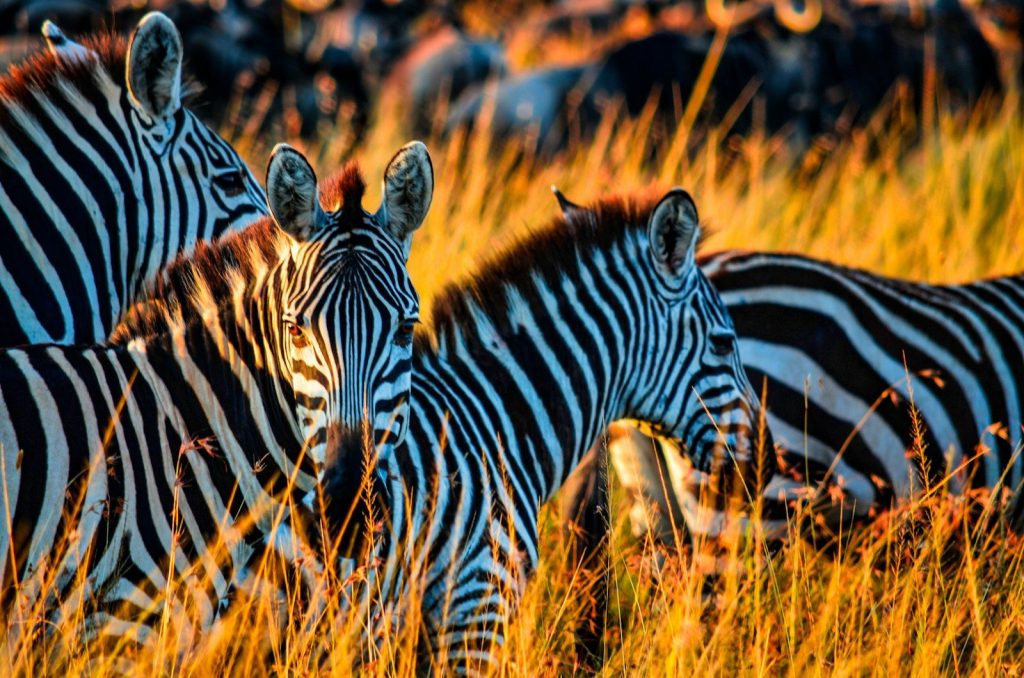
Seeing wild animals in their natural environment is an incredible experience, but respecting boundaries is essential. Keeping distance protects both people and animals from unnecessary harm.
The safest and most responsible way to enjoy wildlife is simply to observe without interfering.
Keep a Safe Distance
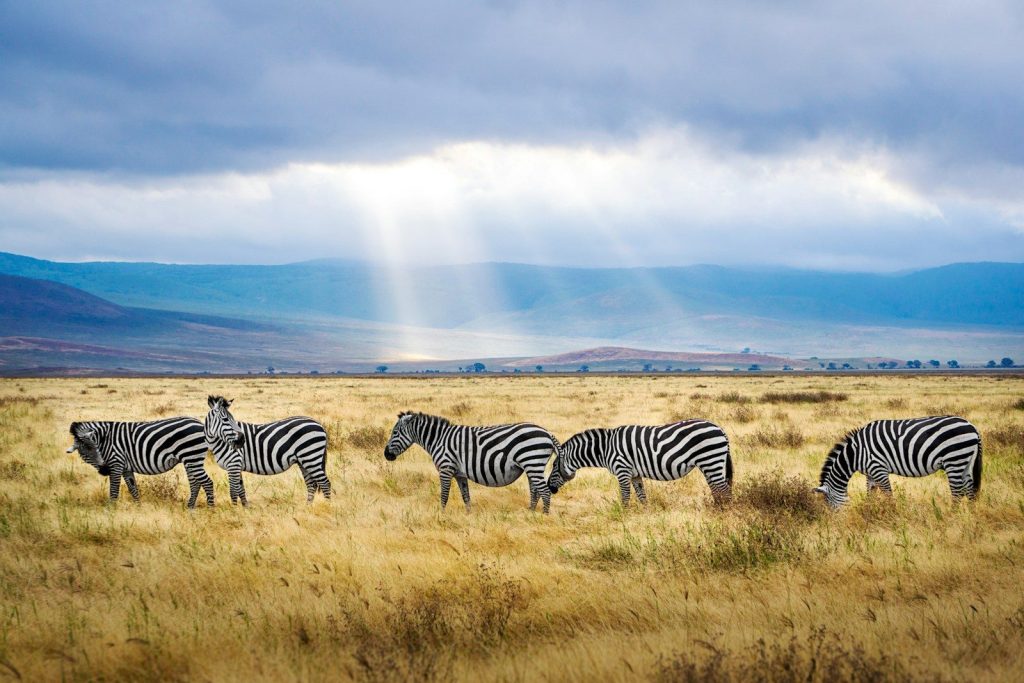
Feeding a wild zebra may seem harmless at first, but wild animals are never fully predictable. Their instincts, strength, and defensive behavior can quickly turn a close encounter into a dangerous one. Admiring wildlife from a safe distance is always the smarter choice.