Skip to content

Recent Posts

  • What To Do If You Discover a Skunk Living in Your Yard
  • What Happens When a Hungry Polar Bear Approaches Humans in the Arctic
  • Are We Living Through Earth’s Sixth Mass Extinction?
  • Cows Shock Farmer by Protecting Wild Duck Eggs From Predators
  • The Snake Filled National Parks Every Hiker Should Know About

Most Used Categories

  • Nature & Wildlife (52)
  • Risk (19)
  • Hunting (15)
  • Bees/Swarms fear (10)
  • Survival (9)
  • Exotic Animals (7)
  • Suspense (6)
  • Human Interest (4)
  • Adventure (3)
  • Gears (2)
Skip to content
  • About Us
  • Contact Us
  • Disclaimer
  • Privacy Policy
  • Terms & Conditions

Hive Hunters Tales

  • Suspense
  • Nature & Wildlife
  • Human Interest
  • Hunting
  • Bees/Swarms fear
  • Exotic Animals
  • Risk
  • Survival
  • Adventure
  • Gears
  • Home
  • Nature & Wildlife
  • Invasive Species Taking Over North America
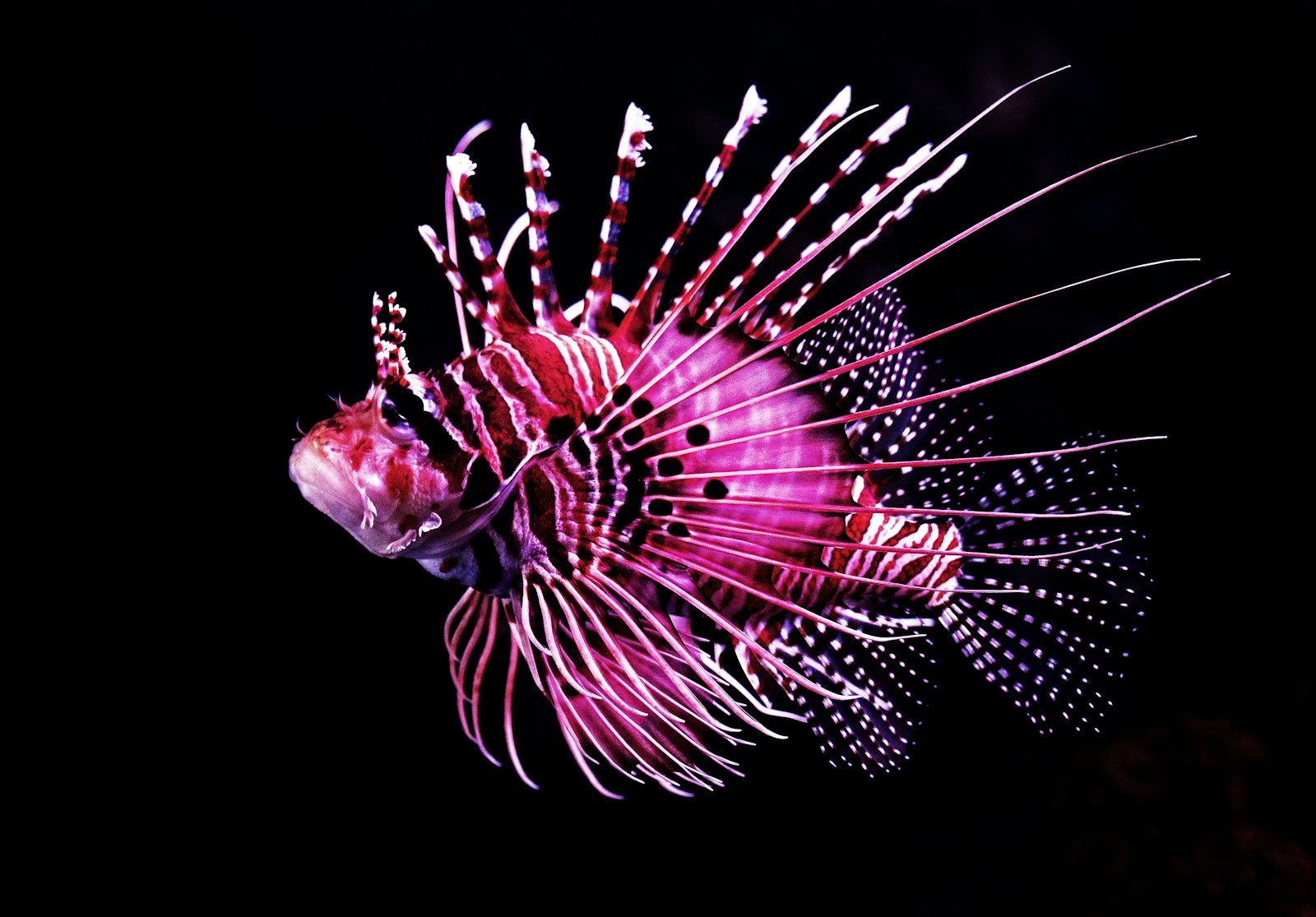
pink tiger fish

Invasive Species Taking Over North America

JakeMay 21, 2026May 22, 2026

North America is home to thousands of native plants and animals, but many ecosystems are now under pressure from invasive species brought in from other parts of the world. These organisms spread rapidly, outcompete native wildlife, and often cause serious environmental damage. Some were introduced accidentally, while others arrived through trade, travel, or even the pet industry.

Here are some of the most destructive invasive species changing North America’s landscapes and waterways.

Burmese Python
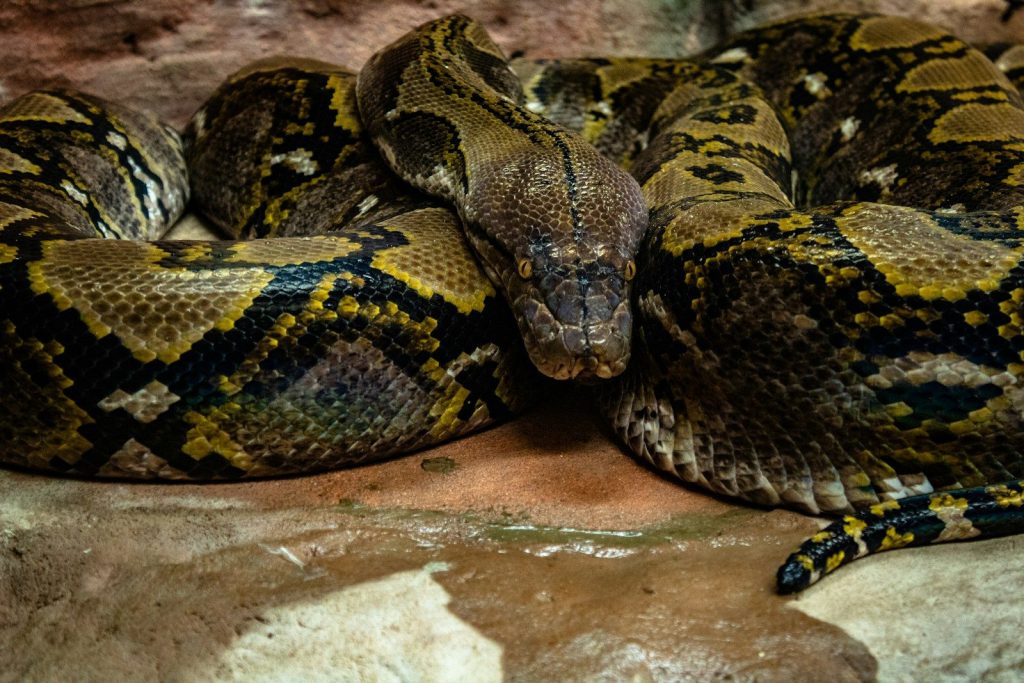
brown and green snake
Photo by Joshua J. Cotten on Unsplash

The Burmese python has become one of the most infamous invasive predators in the United States, especially in Florida’s Everglades. Originally brought in through the exotic pet trade, many escaped or were released into the wild.

These giant snakes now prey on birds, rabbits, raccoons, and even deer, severely disrupting local ecosystems.

Zebra Mussel
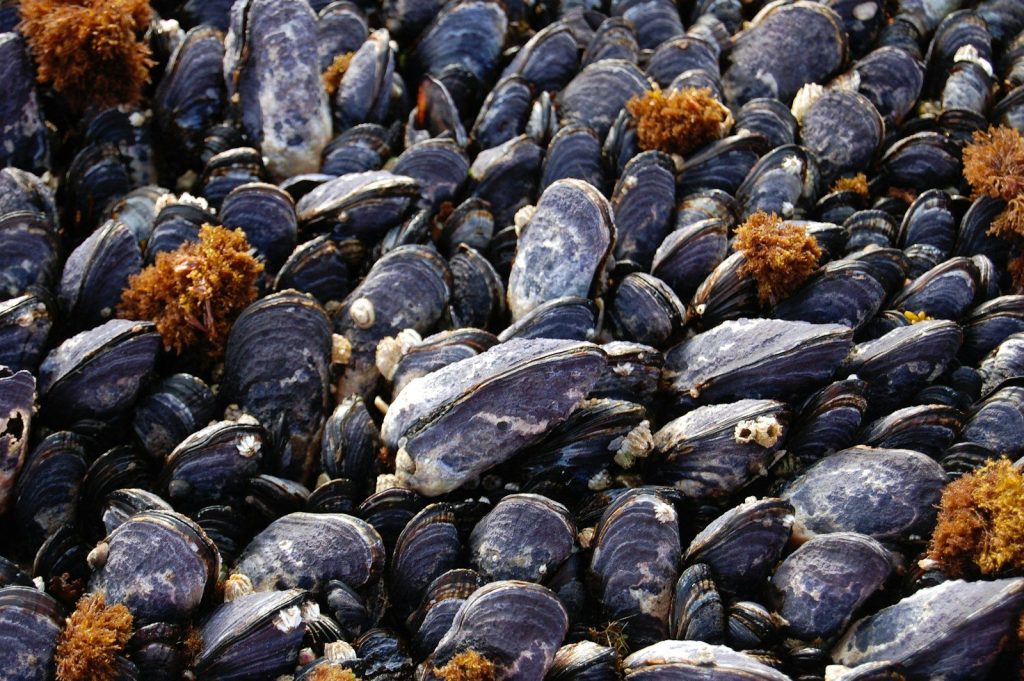
a bunch of mussels that are laying on the ground
Photo by NOAA on Unsplash

Zebra mussels are small freshwater shellfish that spread aggressively through lakes and rivers. They attach themselves to boats, pipes, and underwater structures in huge numbers.

Their rapid spread damages infrastructure and harms native aquatic species by filtering enormous amounts of plankton from the water.

Feral Hogs
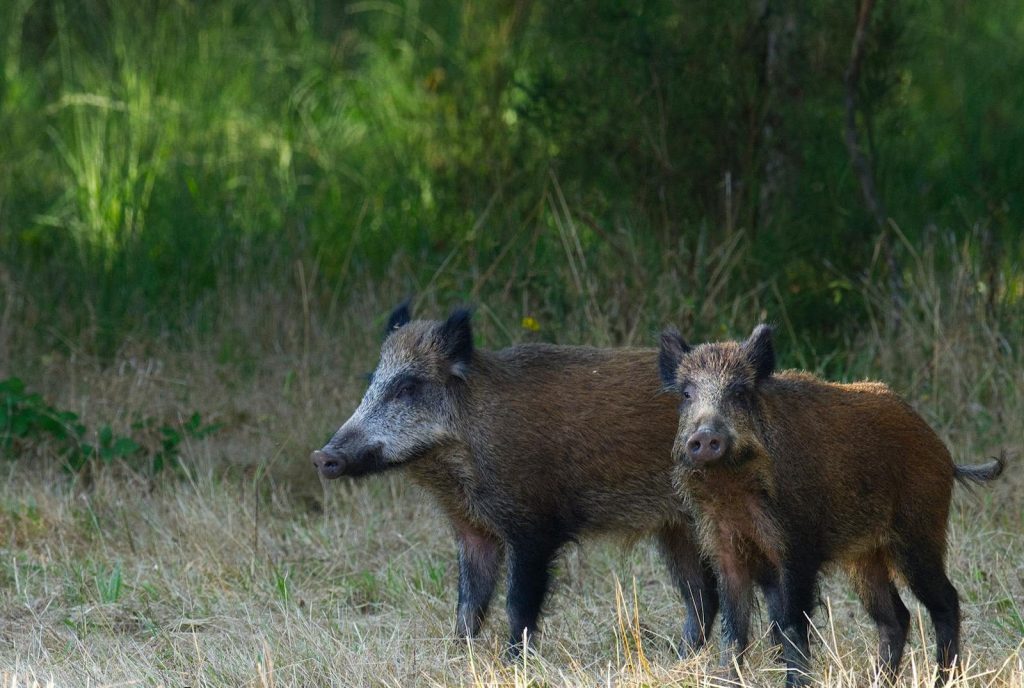
Two wild boars standing in a grassy forest clearing during daytime.
Photo by RODOLPHE ASENSI on Pexels

Feral hogs are highly destructive animals found across many parts of North America. They tear up farmland, damage forests, and compete with native wildlife for food.

These animals reproduce quickly and are extremely difficult to control once populations become established.

Lionfish
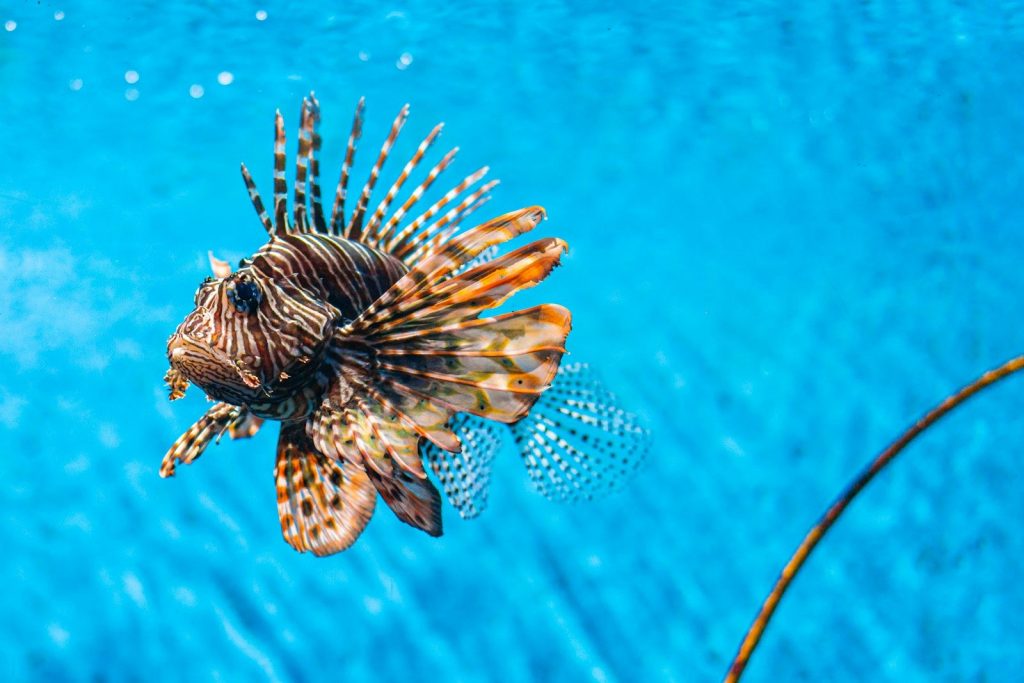
brown fish underwater
Photo by Wai Siew on Unsplash

Lionfish are beautiful but dangerous invaders now common in Atlantic and Caribbean waters. Native to the Indo Pacific region, they likely entered local waters through aquarium releases.

They consume huge numbers of small fish and have few natural predators in their new environment.

Emerald Ash Borer
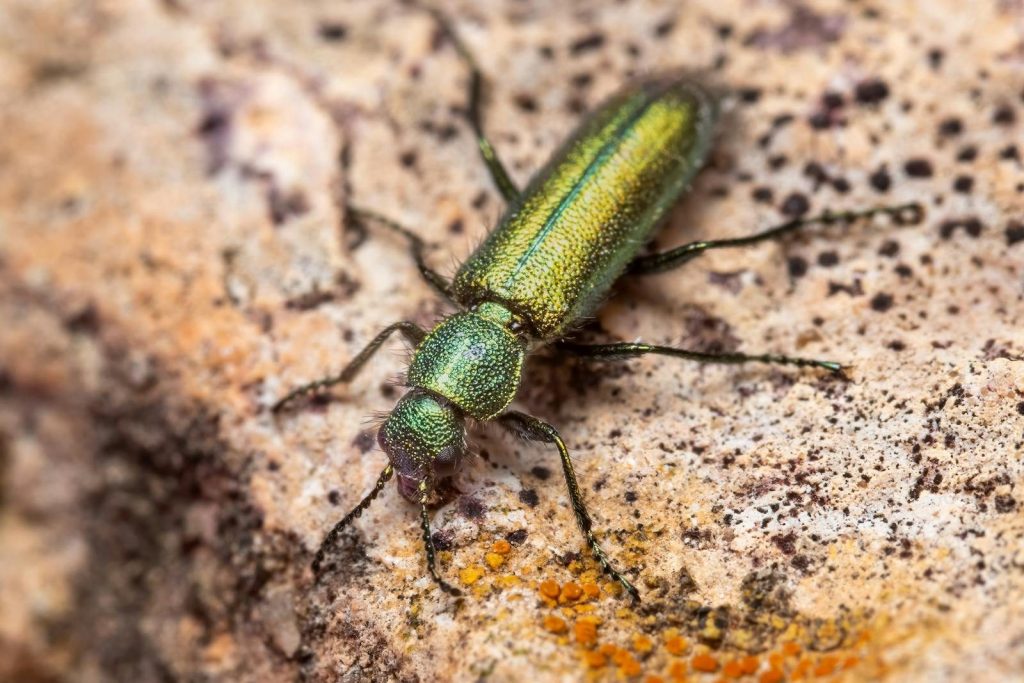
Detailed macro shot of a jewel beetle with iridescent shine and textured exoskeleton.
Photo by Rafael Minguet Delgado on Pexels

This tiny green beetle has devastated ash tree populations across North America. Originally from Asia, the insect burrows beneath tree bark and disrupts the flow of nutrients.

Millions of ash trees have already died because of this invasive pest.

European Starling
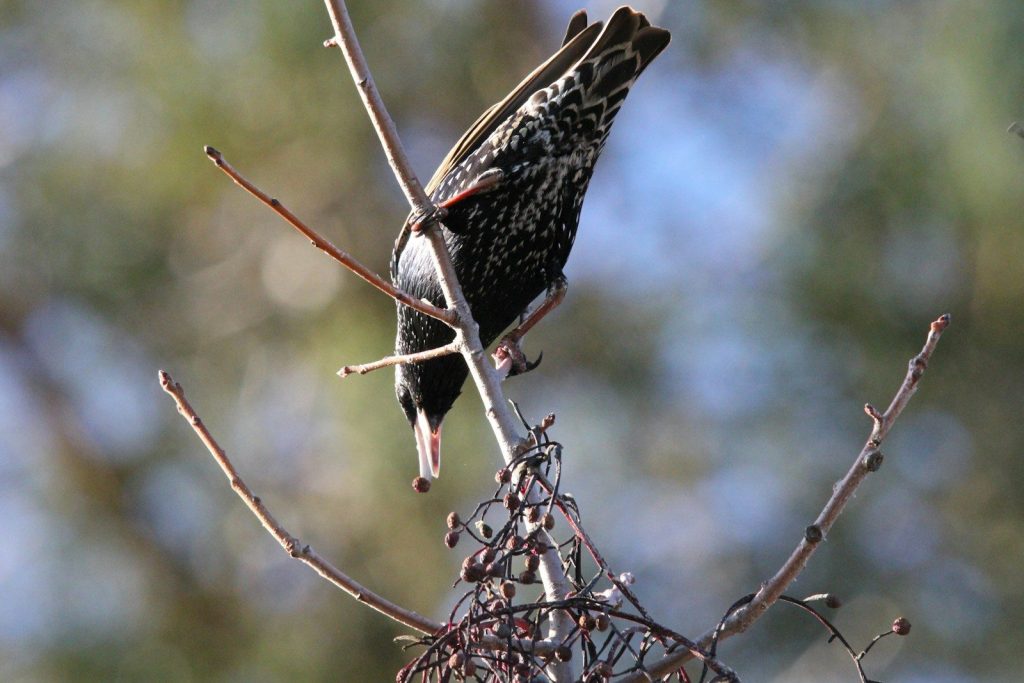
a small bird perched on a branch of a tree
Photo by anish lakkapragada on Unsplash

European starlings were introduced intentionally to North America in the 1800s. Today they number in the hundreds of millions.

These aggressive birds compete with native species for nesting spaces and often overwhelm local bird populations.

Asian Carp
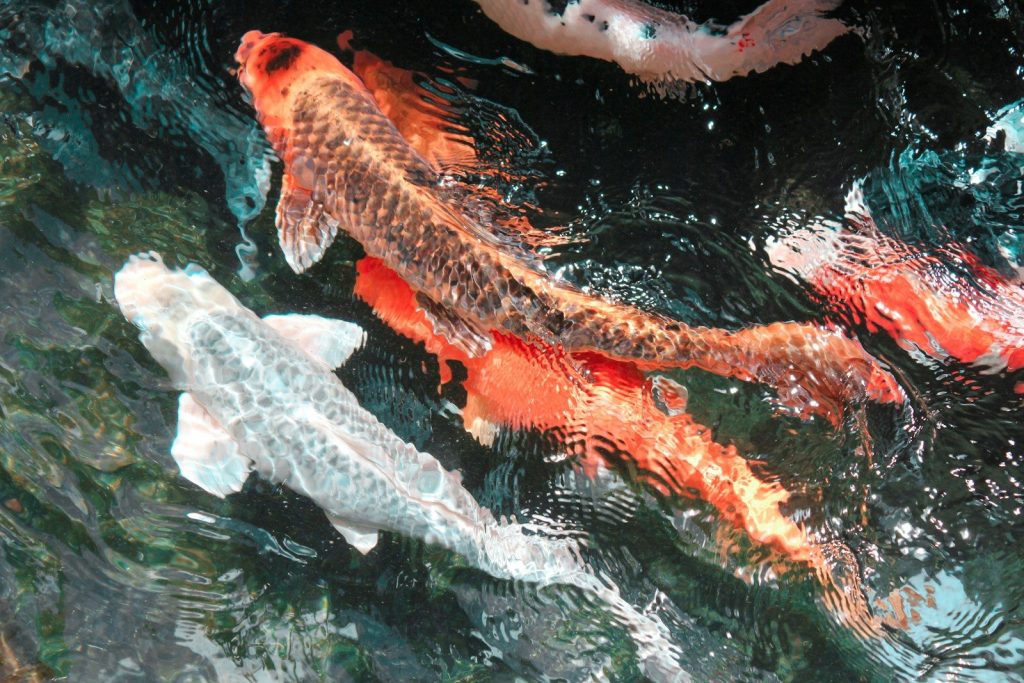
orange and white koi fish
Photo by Catherine Campbell on Unsplash

Several species of Asian carp were introduced to help control algae in fish farms but escaped into rivers and lakes. They grow rapidly and consume massive amounts of food.

Their spread threatens native fish populations and disrupts freshwater ecosystems.
Post navigation

Previous: When the Last Animal Dies: The Tragic End of a Species
Next: Why You Should Never Try to Feed a Wild Zebra

Related Posts

black and white animal on brown tree trunk during daytime

What To Do If You Discover a Skunk Living in Your Yard

May 26, 2026May 25, 2026 Jake
a cow standing in a field with a bird on top of it

Cows Shock Farmer by Protecting Wild Duck Eggs From Predators

May 25, 2026May 25, 2026 Jake
white and brown snake on brown sand

The Snake Filled National Parks Every Hiker Should Know About

May 25, 2026May 25, 2026 Jake

Leave a Reply Cancel reply

Your email address will not be published. Required fields are marked *

Recent Posts

  • What To Do If You Discover a Skunk Living in Your Yard
  • What Happens When a Hungry Polar Bear Approaches Humans in the Arctic
  • Are We Living Through Earth’s Sixth Mass Extinction?
  • Cows Shock Farmer by Protecting Wild Duck Eggs From Predators
  • The Snake Filled National Parks Every Hiker Should Know About
Copyright All Rights Reserved | Theme: BlockWP by Candid Themes.