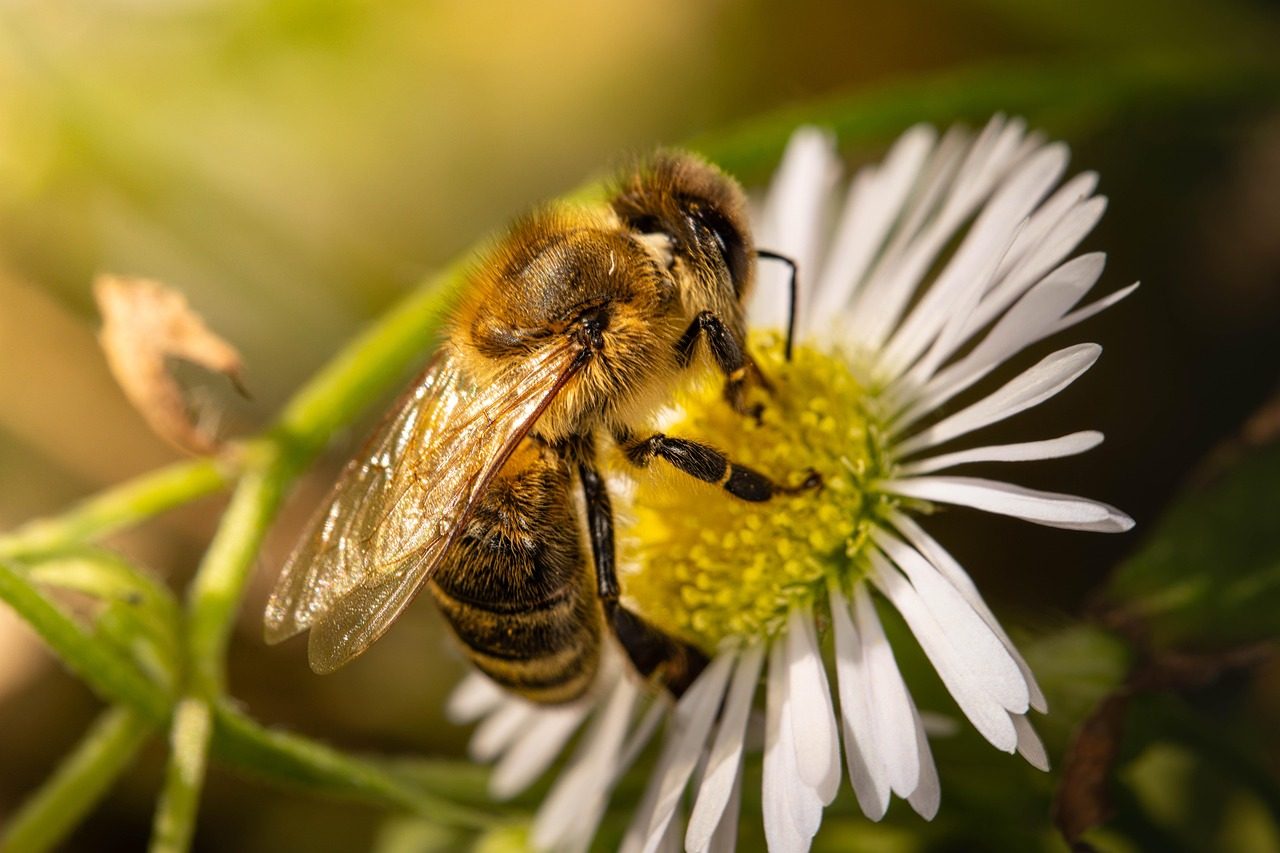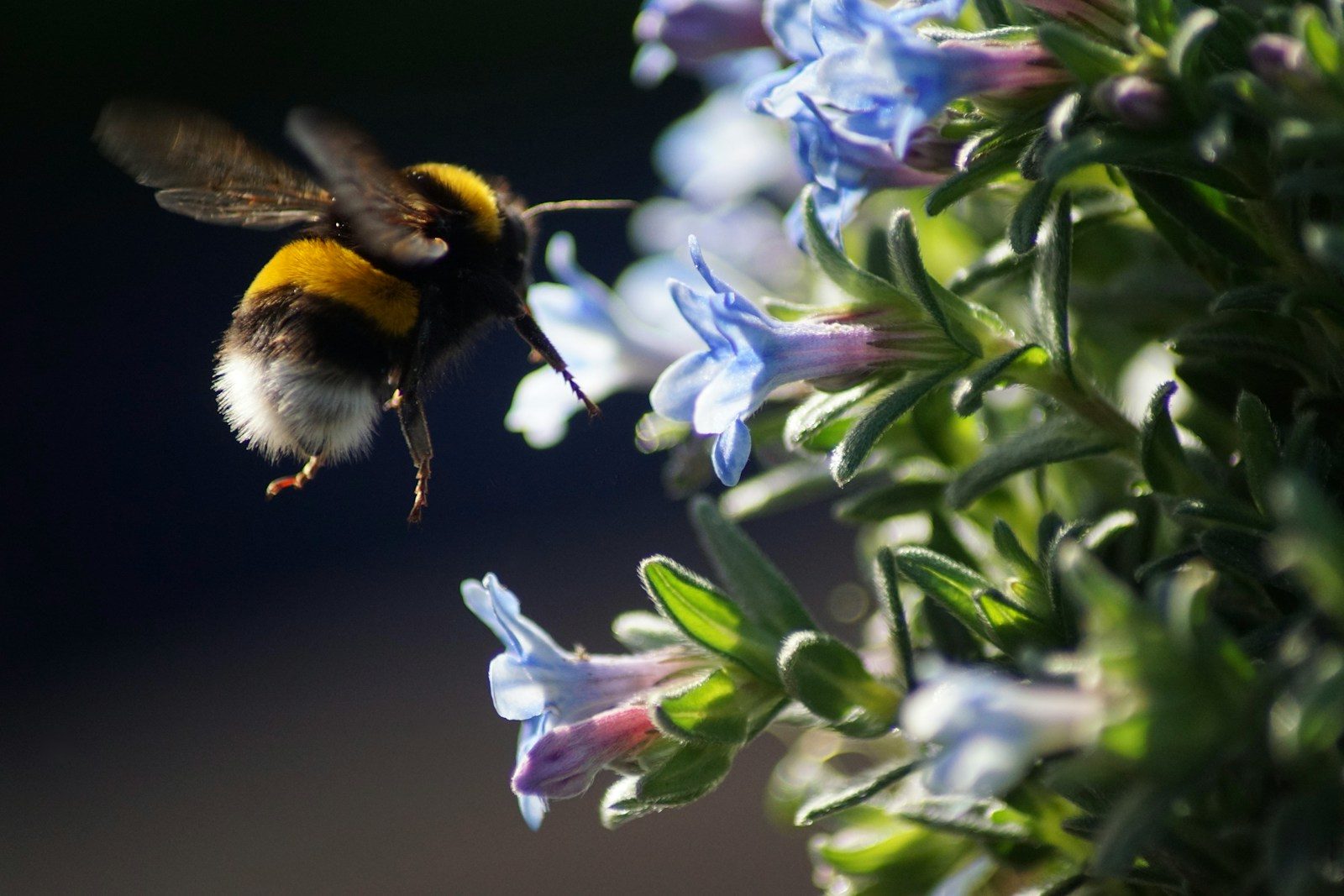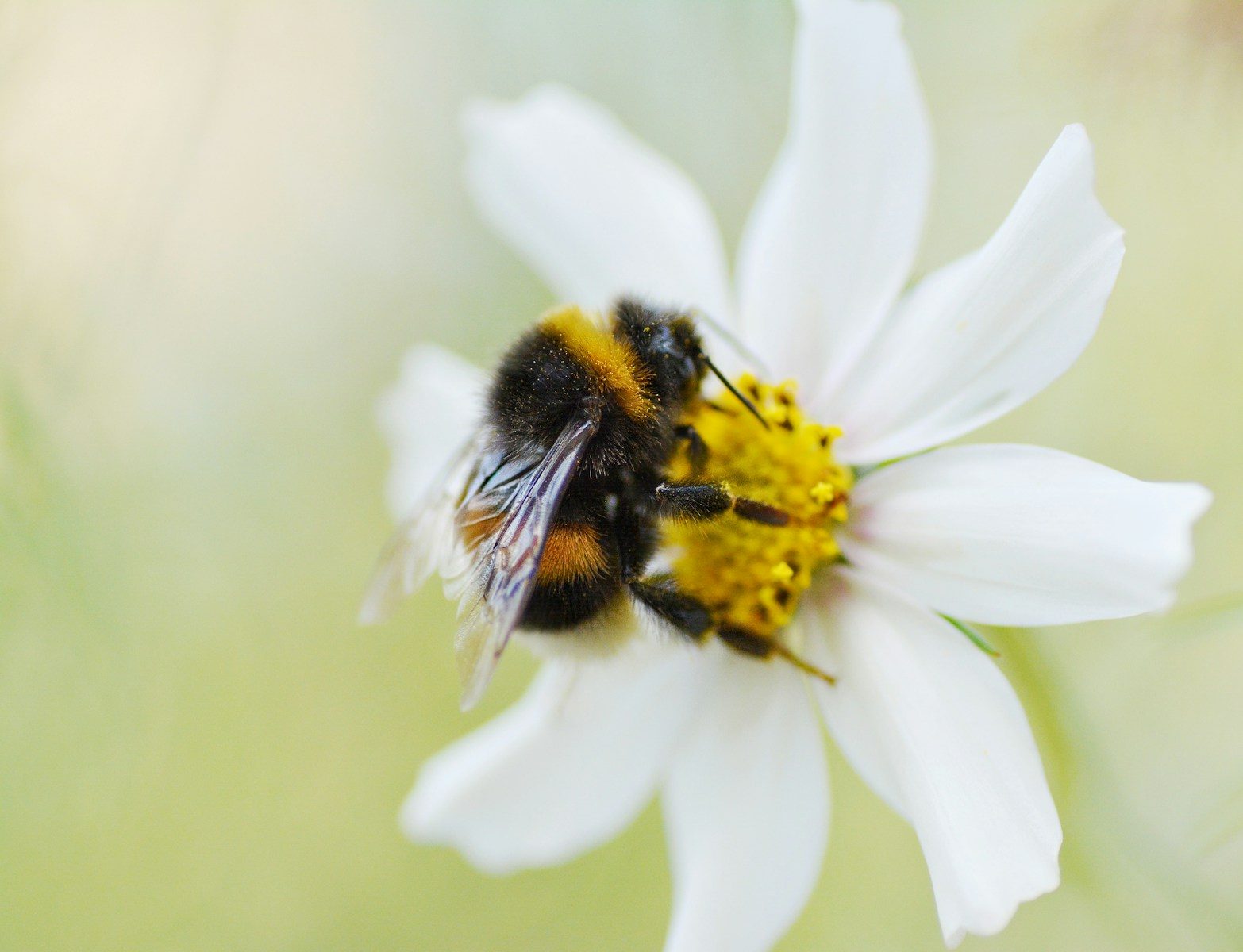
When people think about bees, they usually picture honeybees buzzing around hives or producing honey. But across North America, hundreds of native bee species quietly play a much bigger role in pollinating wild plants, gardens, and food crops than many people realize.
Unlike honeybees, most native bees live alone rather than in colonies, and many rarely sting humans at all. Scientists say these overlooked pollinators are essential for healthy ecosystems and agriculture, especially as pollinator populations continue facing pressure from habitat loss, pesticides, and climate change.
Native Bees Are Different From Honeybees
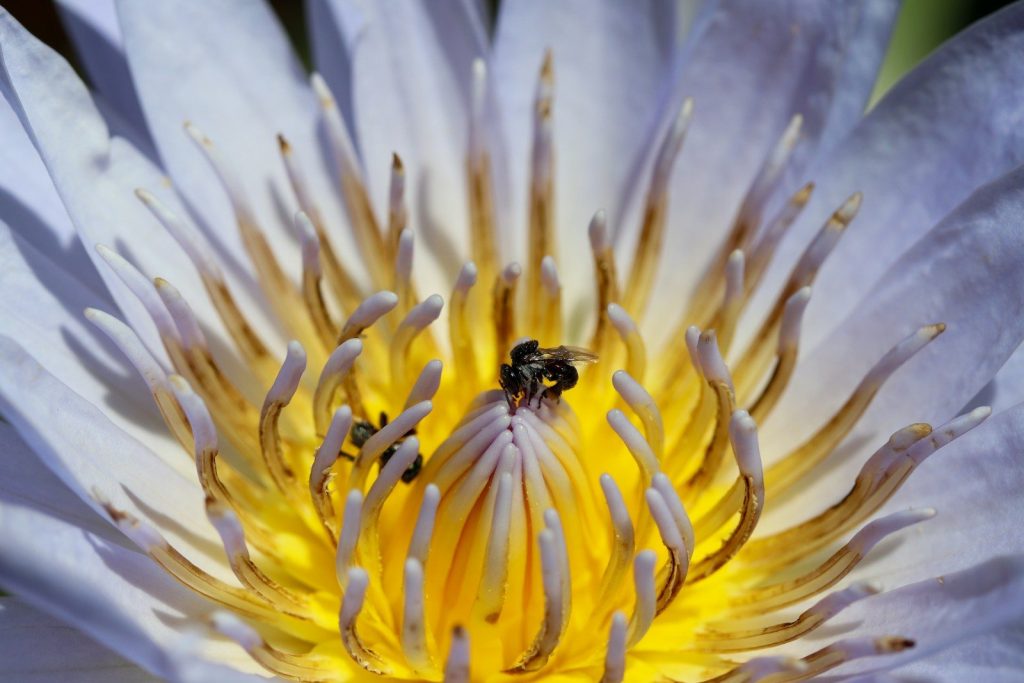
Honeybees are not native to North America and were originally introduced from Europe. Native bees, on the other hand, evolved alongside local plants and ecosystems for thousands of years.
Most native bee species are solitary rather than social. Instead of living in large hives with queens and workers, many build small nests underground, inside hollow stems, or in tree cavities where they raise their young alone.
There Are Hundreds of Native Bee Species
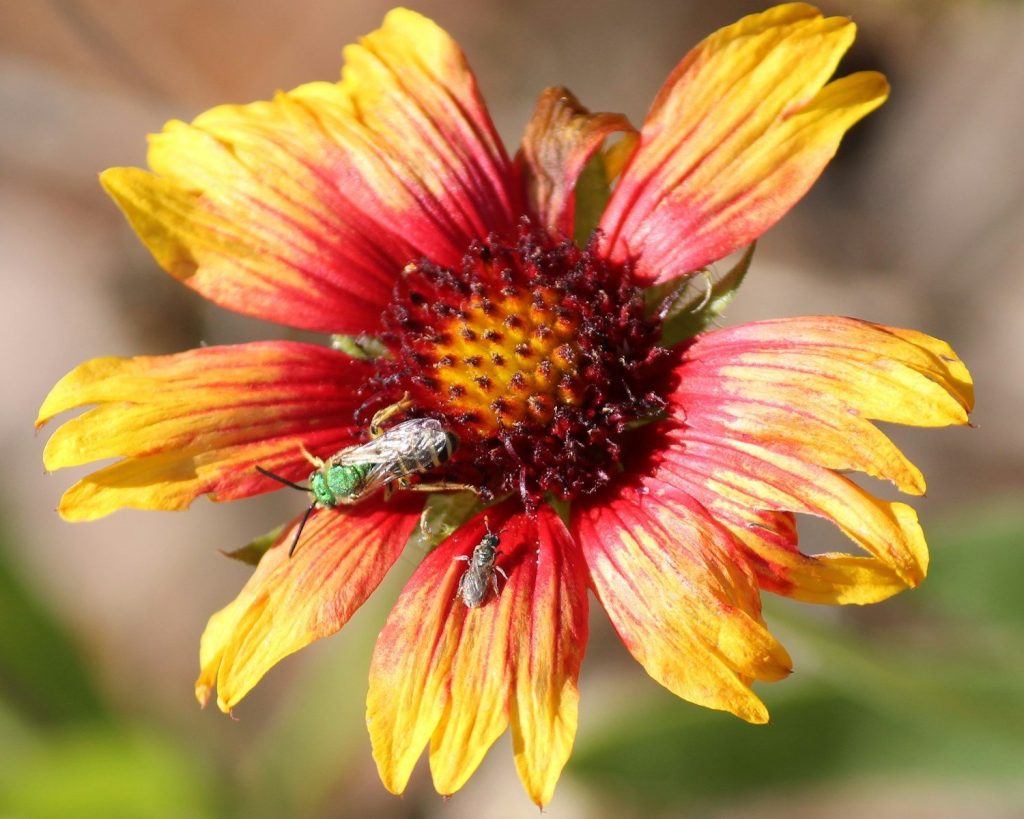
New York alone is home to more than 400 species of native bees, and thousands exist across North America. These include mason bees, carpenter bees, leafcutter bees, mining bees, and sweat bees.
Many people never notice them because native bees often look very different from honeybees. Some are metallic green or blue, while others are tiny, fuzzy, or striped in unusual patterns.
Native Bees Are Powerful Pollinators
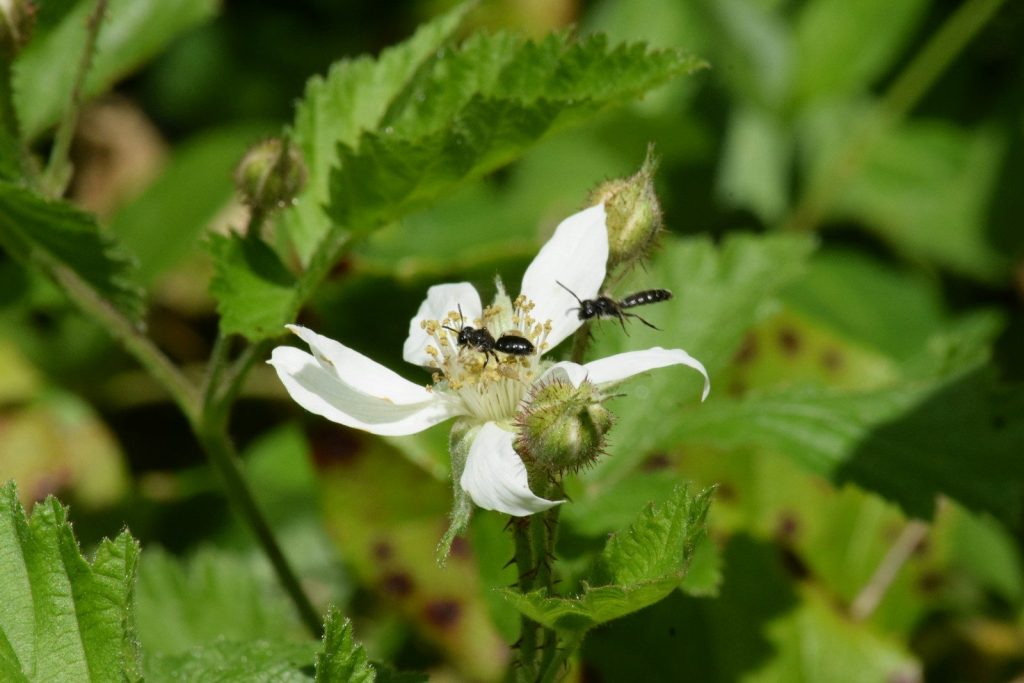
Native bees are incredibly efficient pollinators and are critical for both wild plants and agriculture. Some species perform “buzz pollination,” a process where they vibrate flowers rapidly to release pollen.
This type of pollination is especially important for crops like tomatoes, blueberries, peppers, and eggplants. Honeybees cannot perform buzz pollination as effectively, making native bees essential for certain foods.
Most Native Bees Rarely Sting Humans
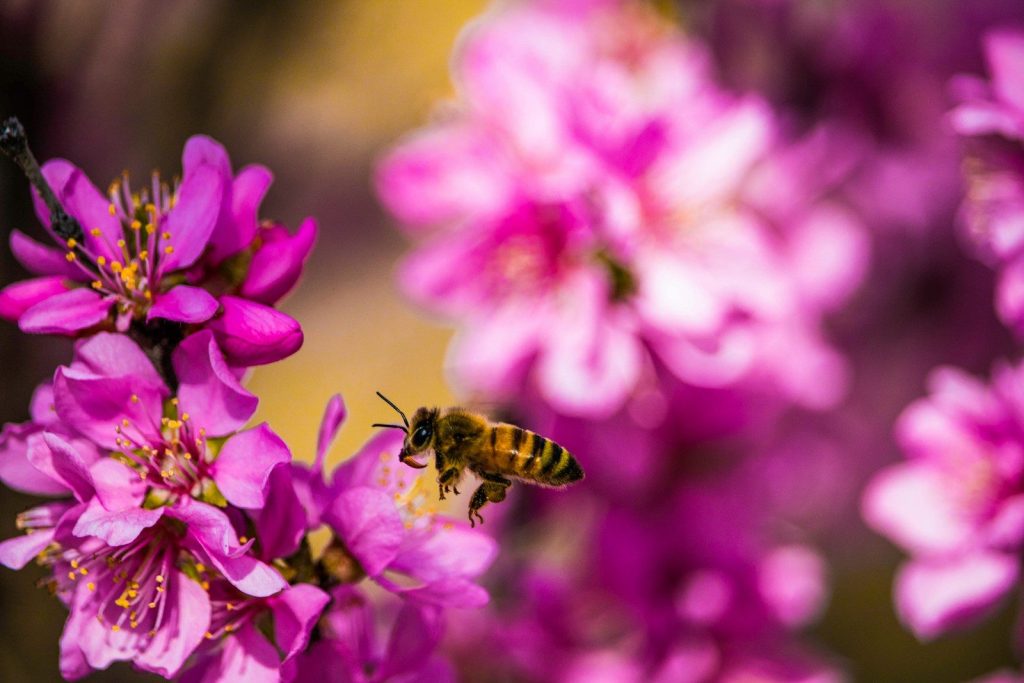
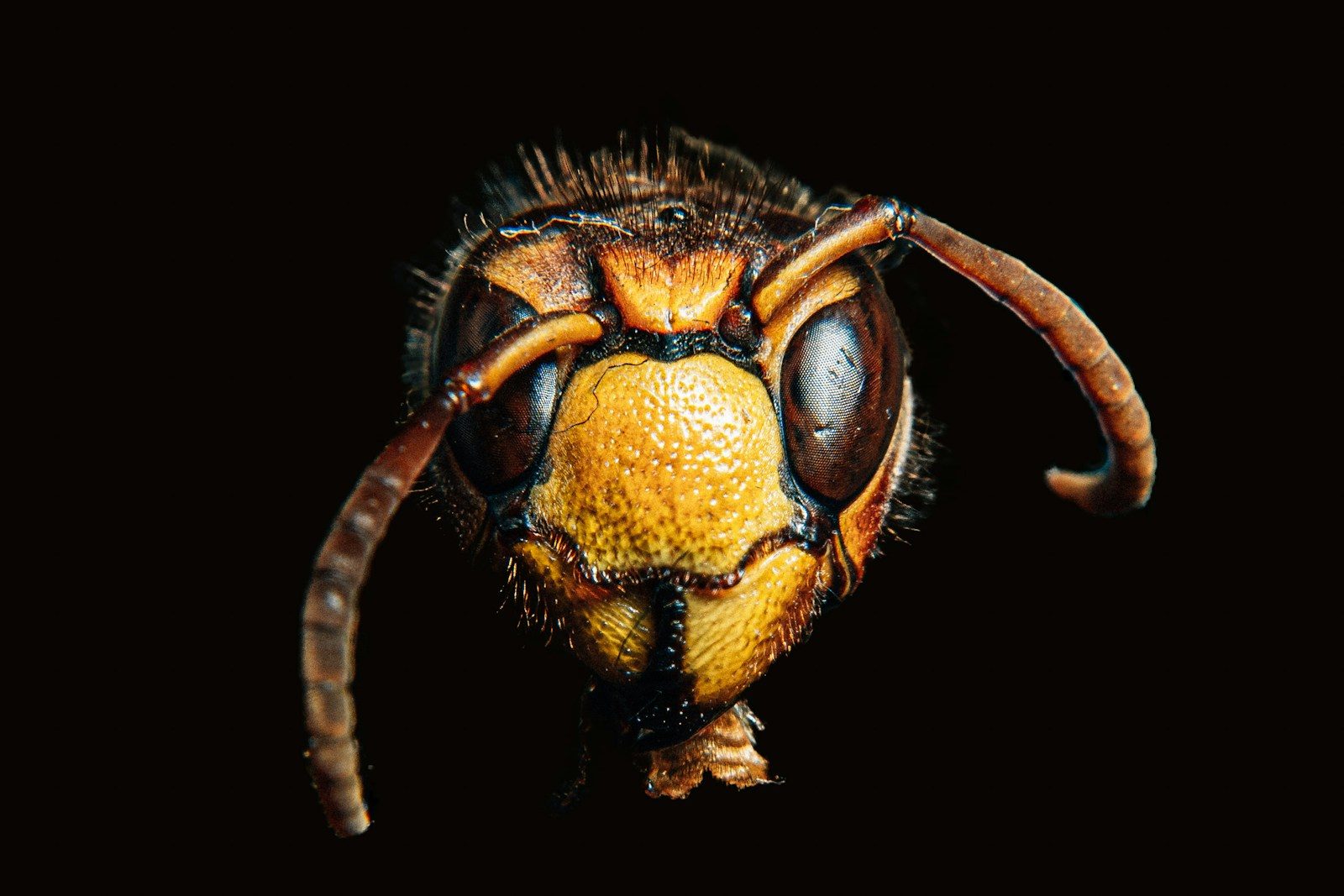
Despite common fears about bees, most native species are very gentle and unlikely to sting. Many solitary bees do not aggressively defend nests because they do not live in large colonies like honeybees or wasps.
Some native bees are even physically incapable of delivering a painful sting. Experts say they are generally far more interested in collecting pollen and nectar than interacting with people.
Native Plants Help Native Bees Thrive
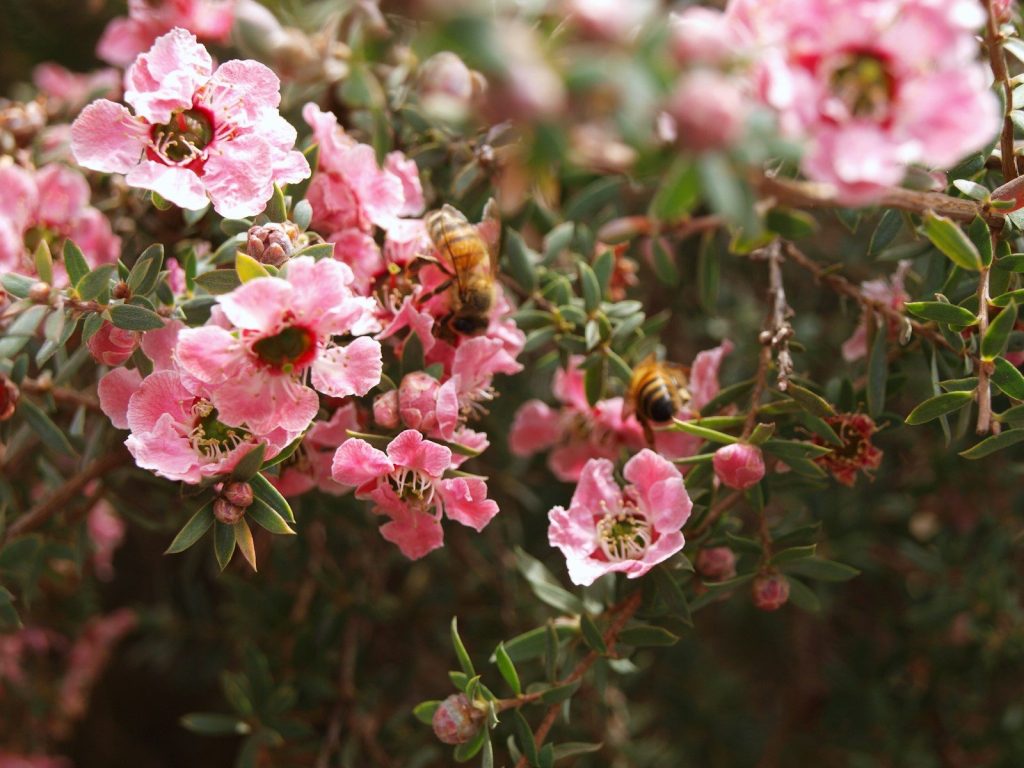
Researchers have found that native plants are far more attractive to native bees than many ornamental flowers. Planting local wildflowers and flowering shrubs can provide food sources throughout the growing season.
Leaving portions of gardens slightly wild can also help. Dry stems, bare soil, fallen branches, and hollow plants provide nesting sites for many species that struggle to survive in heavily manicured landscapes.
Small Changes Can Protect Pollinators
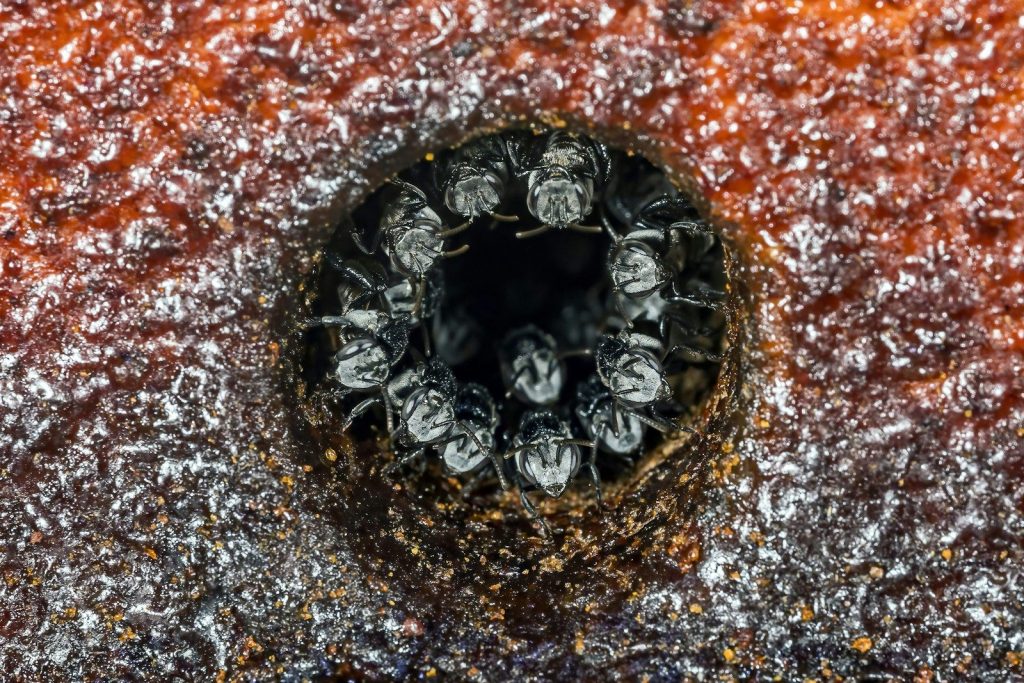
Conservationists say simple backyard changes can make a major difference for native bees. Avoiding pesticides, planting diverse flowers, and providing shallow water sources all help support pollinator populations.
Even delaying fall garden cleanup can protect overwintering bees hidden inside stems or underground nests. Scientists say protecting native bees is one of the easiest and most effective ways people can support biodiversity close to home.
Native Bees Are the Unsung Heroes of Ecosystems
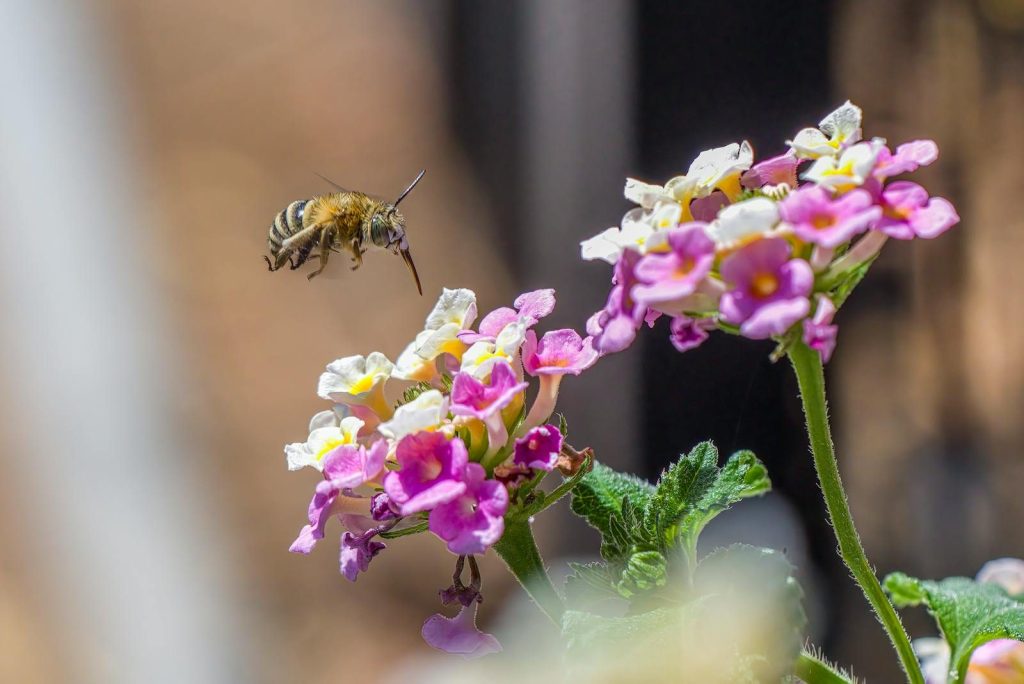
While honeybees often receive most of the attention, native bees quietly support ecosystems every day by pollinating wildflowers, crops, and native plants. Their work helps sustain birds, mammals, insects, and entire food webs.
Experts warn that pollinator declines could have serious environmental consequences in the future. Protecting native bees now may play a major role in preserving healthy ecosystems and food supplies for generations to come.