They are small, noisy, and often feared, but scientists say one tiny creature may be more important to life on Earth than almost any other animal. Without them, ecosystems could begin collapsing, food supplies would shrink dramatically, and countless plant and animal species could disappear in a chain reaction felt across the planet.
That creature is the bee. Despite their size, bees play an enormous role in maintaining biodiversity and global agriculture through pollination. Researchers have repeatedly warned that declining bee populations could create serious environmental and economic consequences that would affect both wildlife and humans alike.
Bees Help Pollinate Much of the World’s Food
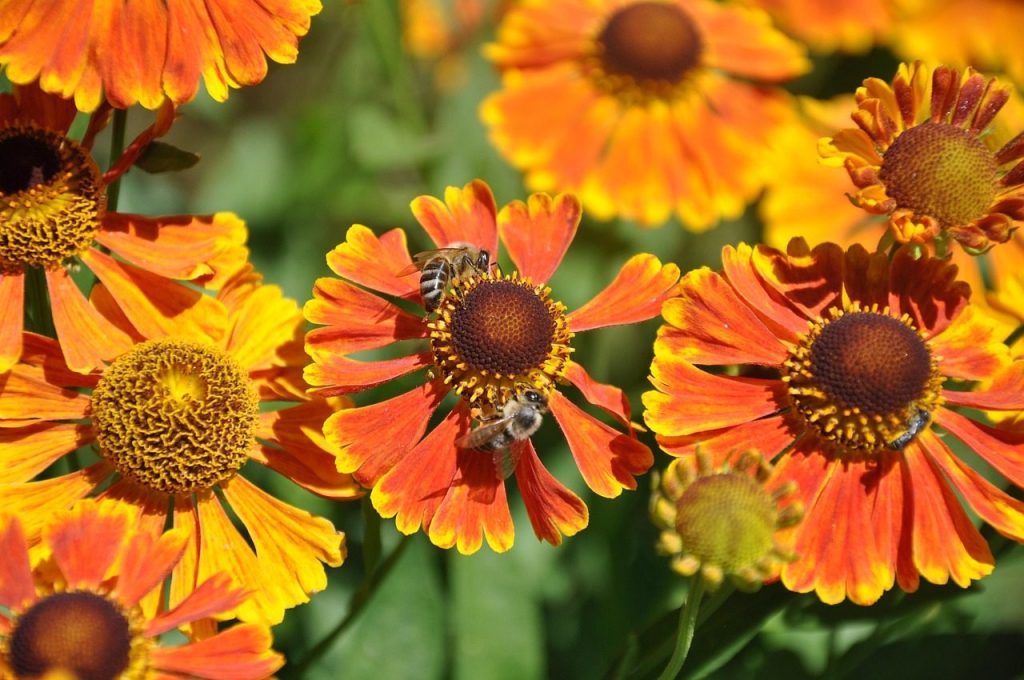
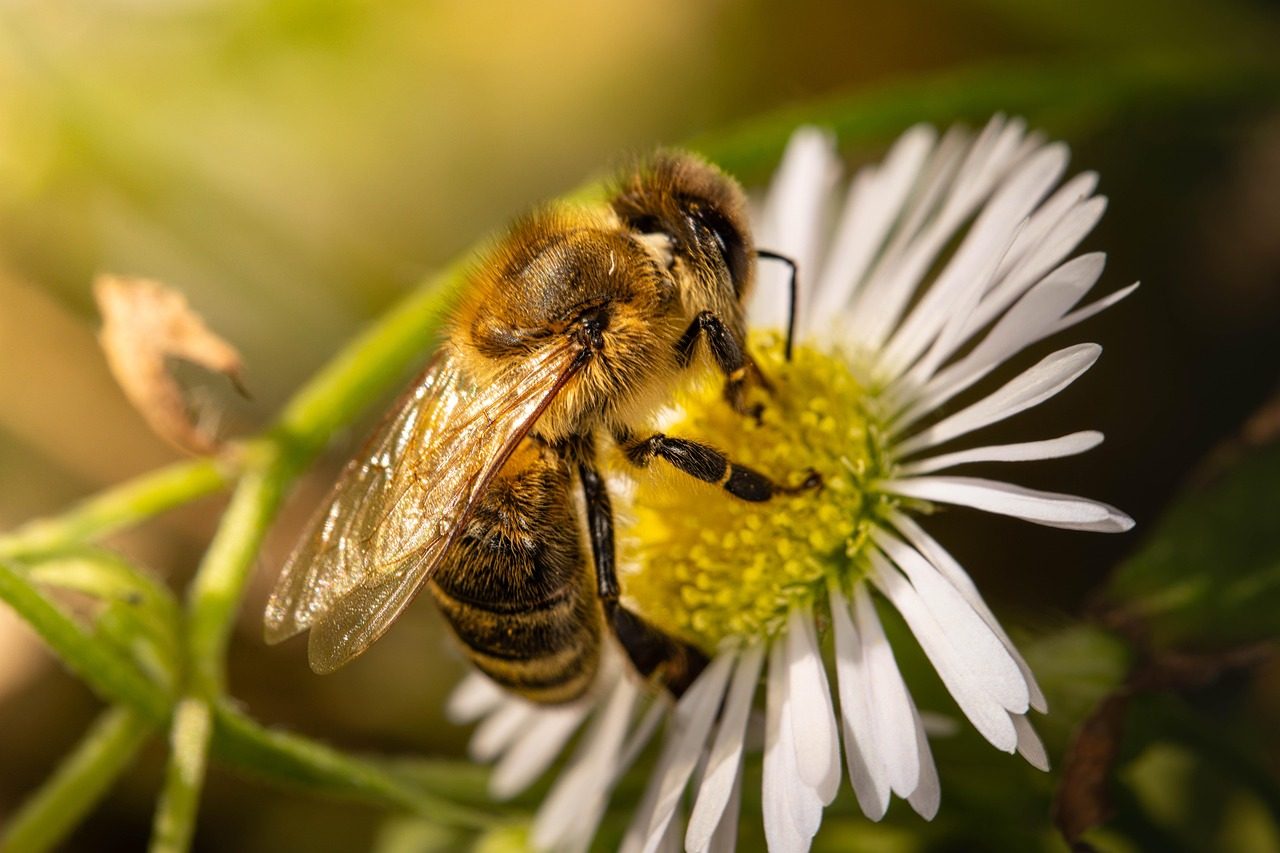
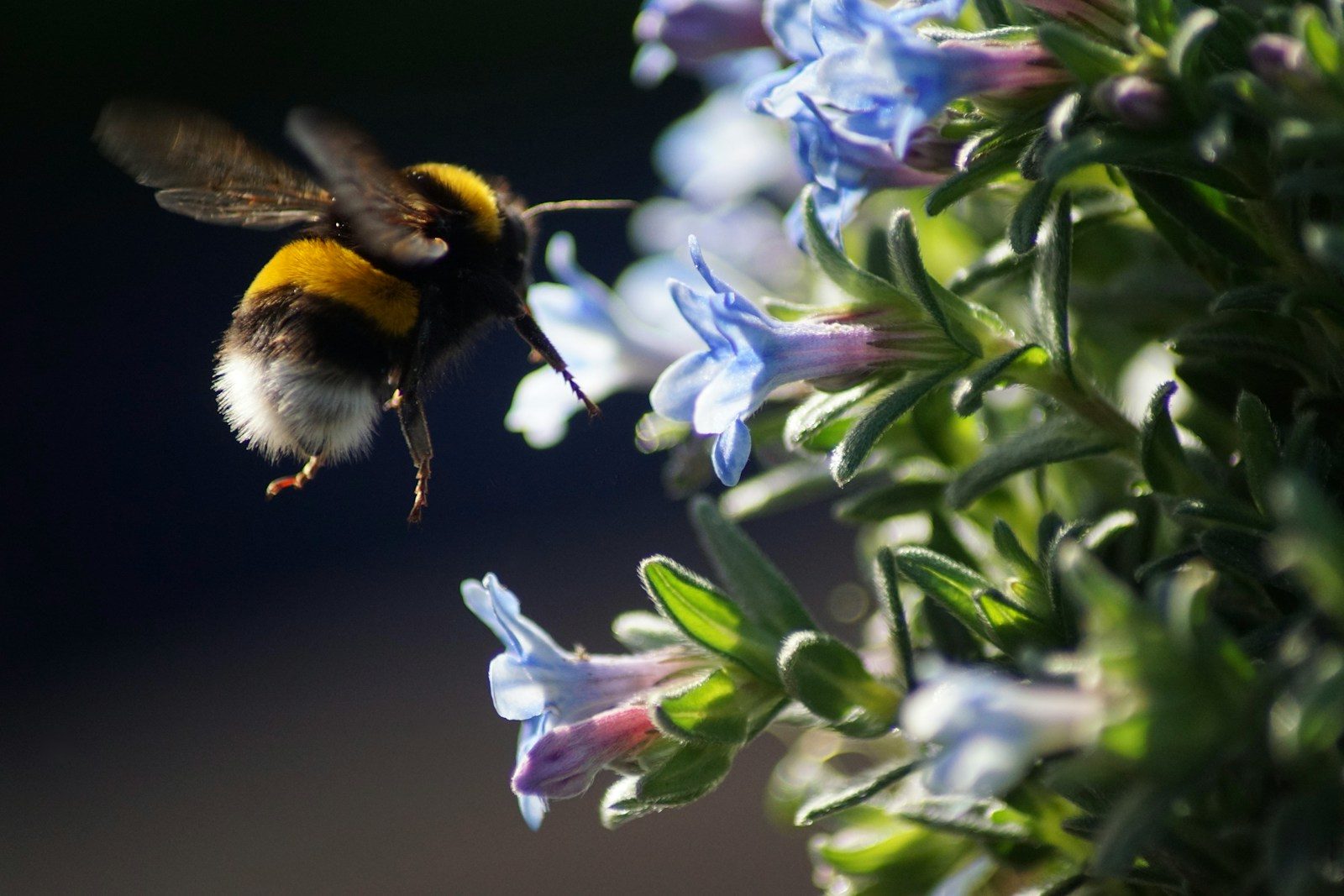
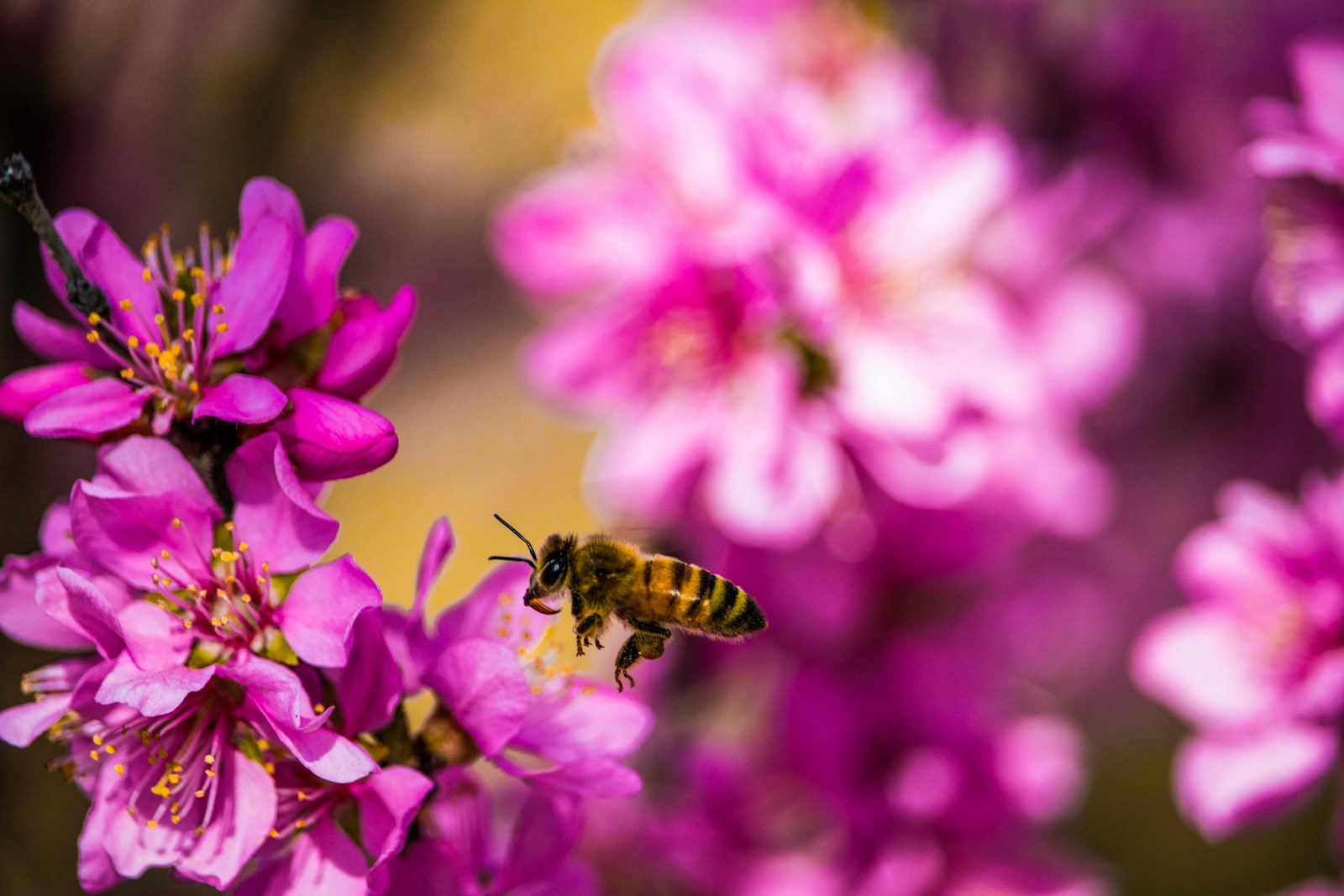
Bees are among the planet’s most important pollinators. As they move from flower to flower collecting nectar and pollen, they transfer pollen between plants, allowing fruits, vegetables, nuts, and seeds to grow.
Scientists estimate that roughly one-third of the world’s food production depends at least partly on pollinators like bees. Crops such as apples, almonds, blueberries, cucumbers, and pumpkins rely heavily on bee activity to produce healthy harvests.
Entire Ecosystems Depend on Pollination
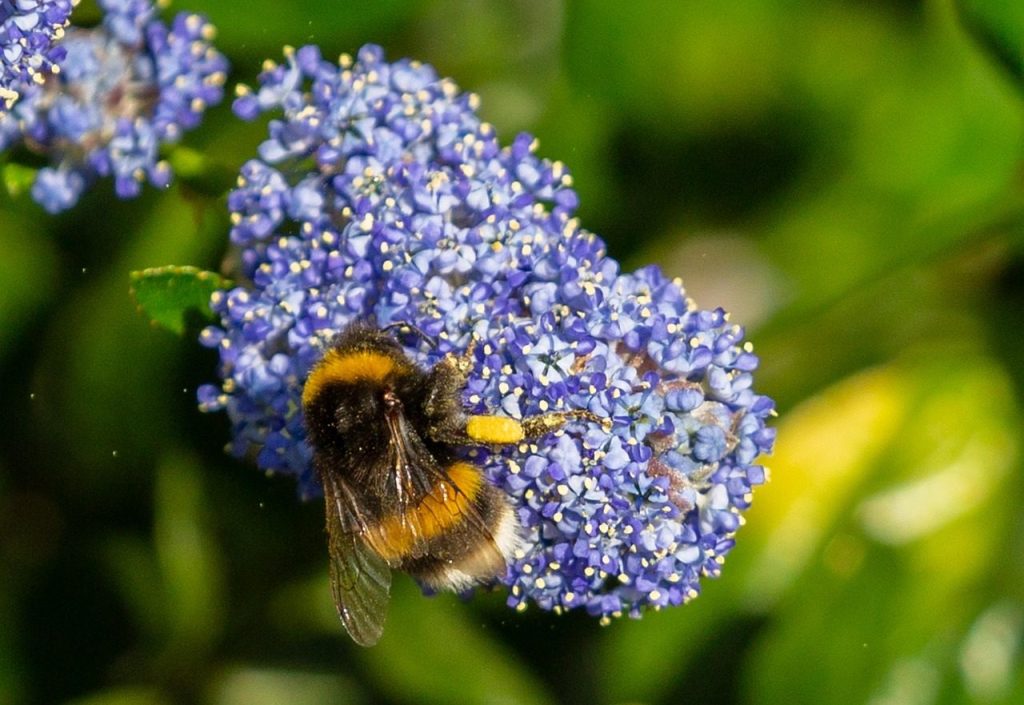
The importance of bees goes far beyond human agriculture. Wild plants also depend on pollination to reproduce, and those plants form the foundation of countless ecosystems around the world.
When bees pollinate forests, grasslands, and flowering plants, they help provide food and shelter for birds, insects, mammals, and other wildlife. If pollinator populations collapse, many plant species could decline as well, creating ripple effects throughout entire food chains.
Bee Populations Are Declining Worldwide
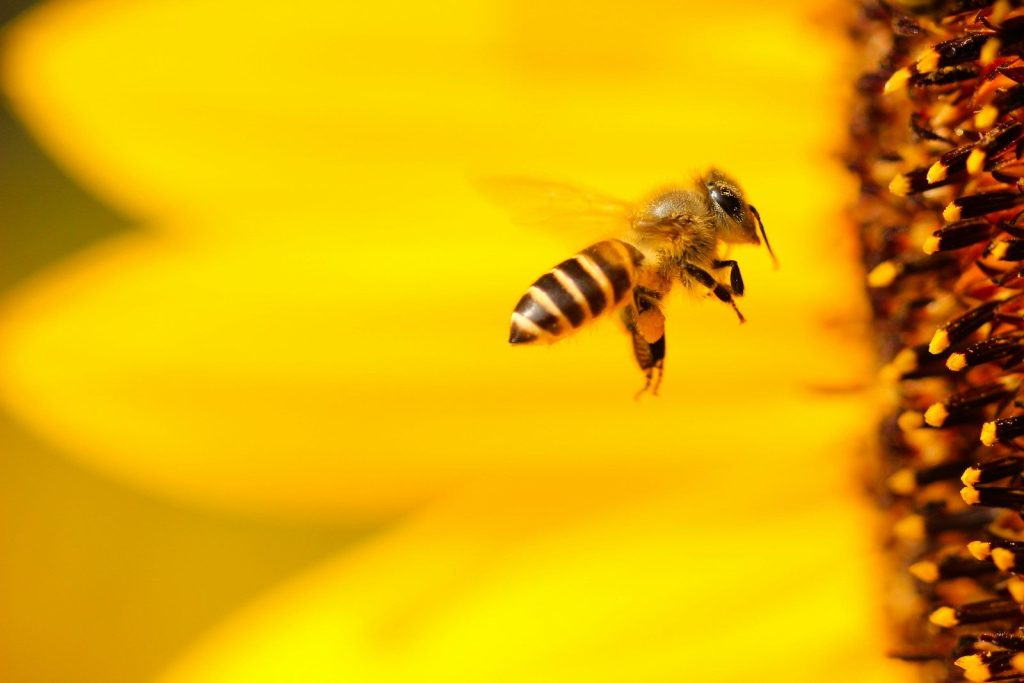
Over the past few decades, scientists have documented alarming declines in bee populations across many regions. Habitat destruction, pesticide exposure, climate change, disease, and parasites have all contributed to the problem.
One major concern has been colony collapse disorder, a phenomenon where large numbers of worker bees suddenly disappear from hives. Researchers are still studying the exact causes, but environmental stressors appear to play a significant role.
Losing Bees Would Affect Human Food Supplies
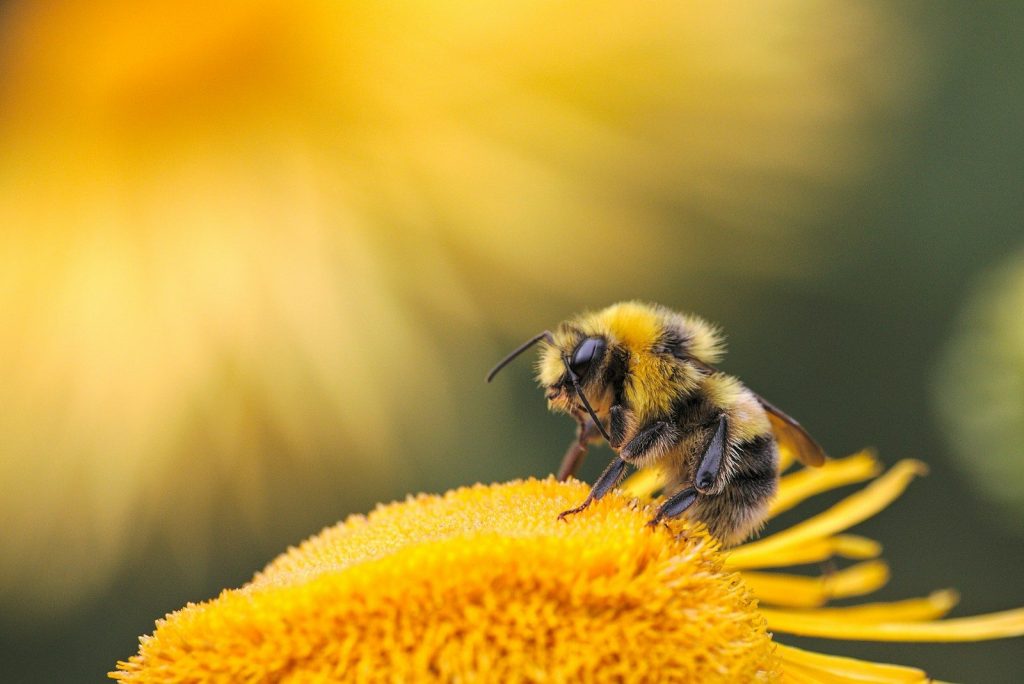
If bees disappeared entirely, many crops would become far more difficult and expensive to grow. Some plants could still be pollinated manually or by other insects, but yields would likely drop sharply in many parts of the world.
That could lead to higher food prices, shortages of certain fruits and vegetables, and reduced nutritional diversity in human diets. While humanity would not instantly go extinct without bees, global agriculture and ecosystems would face enormous disruption.
Bees Are Not the Only Important Pollinators
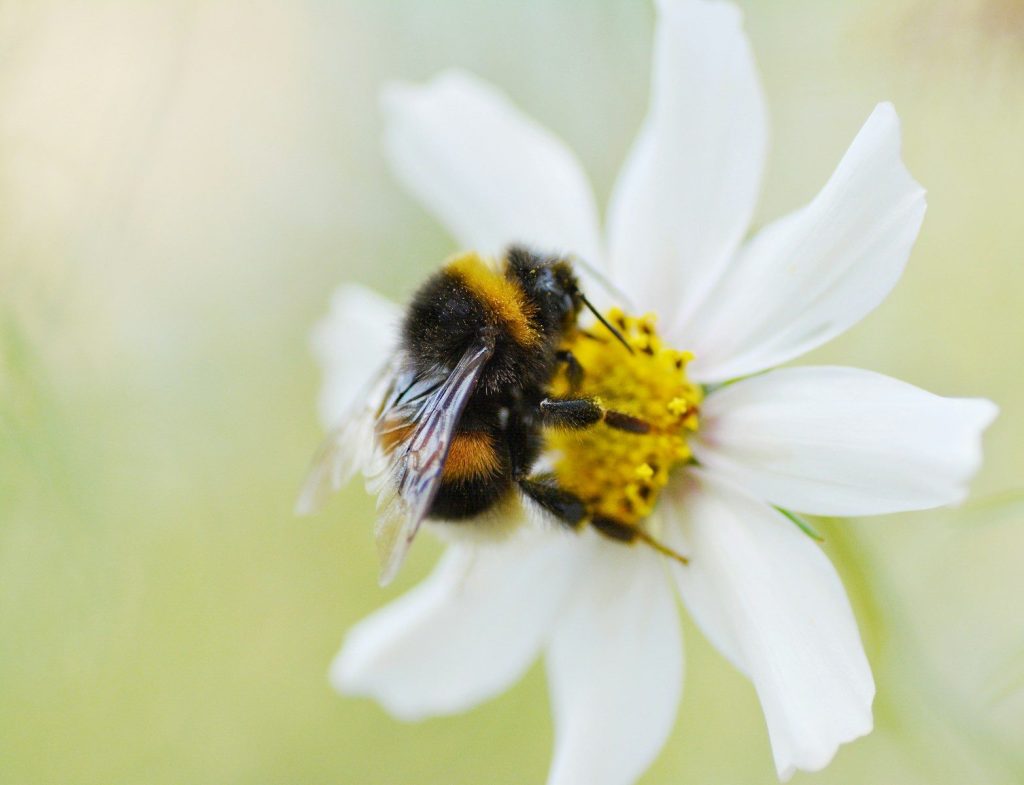
Although bees receive the most attention, they are part of a much larger pollinator network. Butterflies, moths, bats, beetles, hummingbirds, and other insects also help pollinate plants around the world.
However, bees are considered especially efficient pollinators because of their behavior and anatomy. Some species even specialize in pollinating specific plants, making them irreplaceable in certain ecosystems.
Scientists Say Protecting Bees Helps Protect the Planet
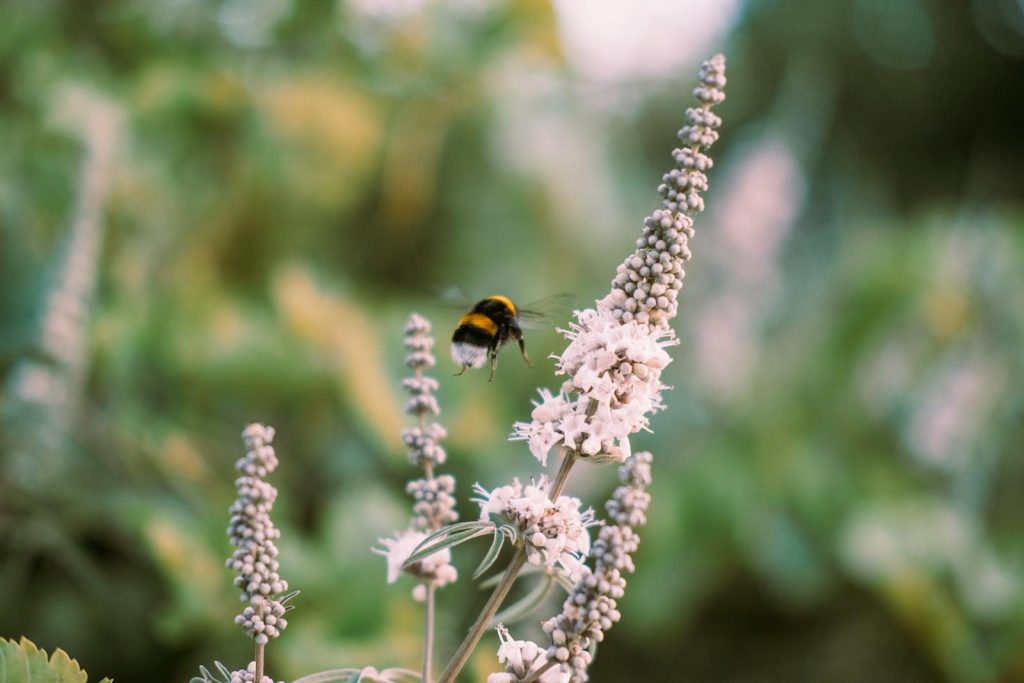
Conservation efforts aimed at helping bees often benefit many other species as well. Planting native flowers, reducing pesticide use, protecting natural habitats, and supporting biodiversity can improve conditions for pollinators across entire ecosystems.
Researchers say the survival of bees is closely tied to the health of the environment itself. Protecting them is not just about saving one insect — it is about preserving the complex web of life that supports ecosystems, agriculture, and ultimately humanity.