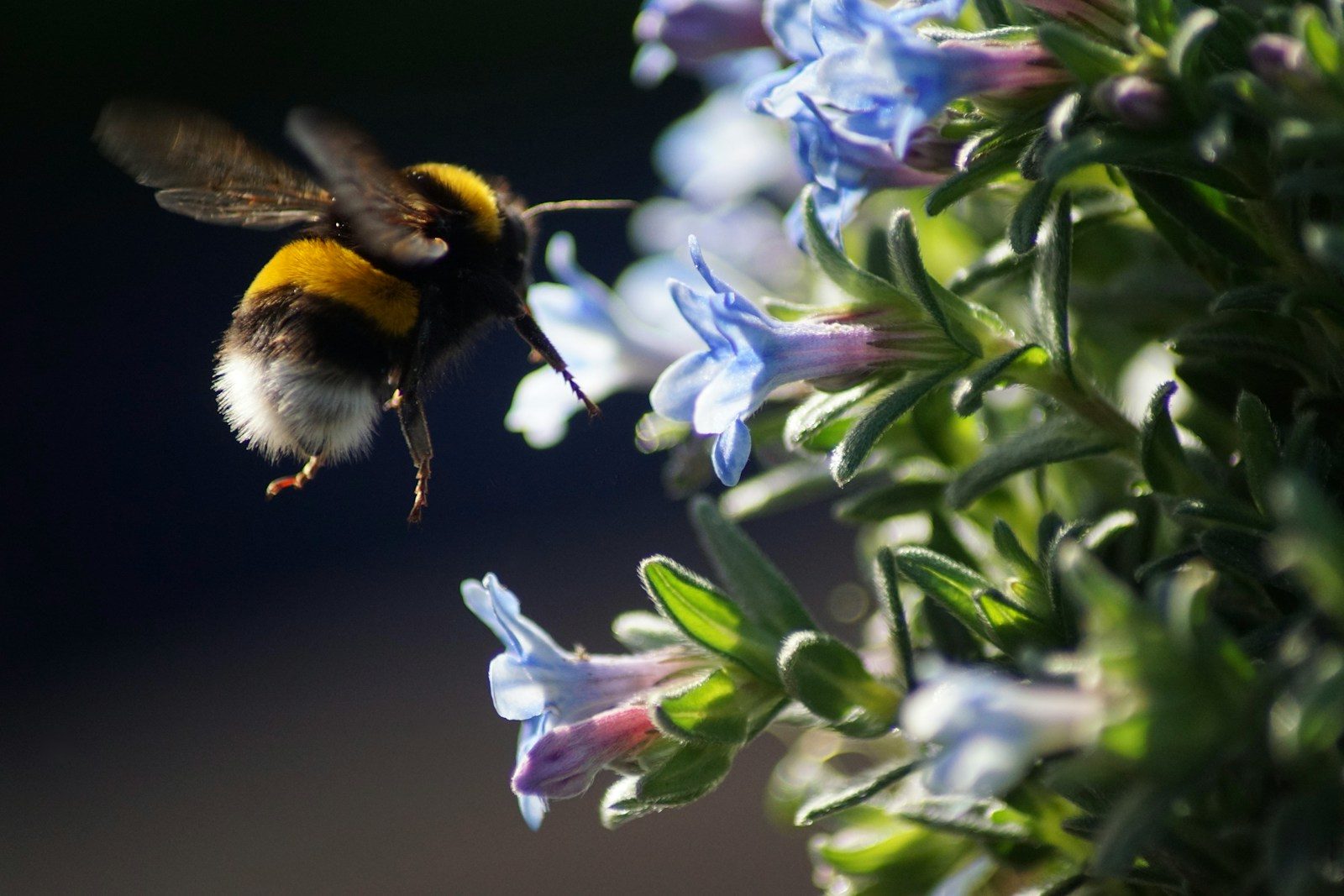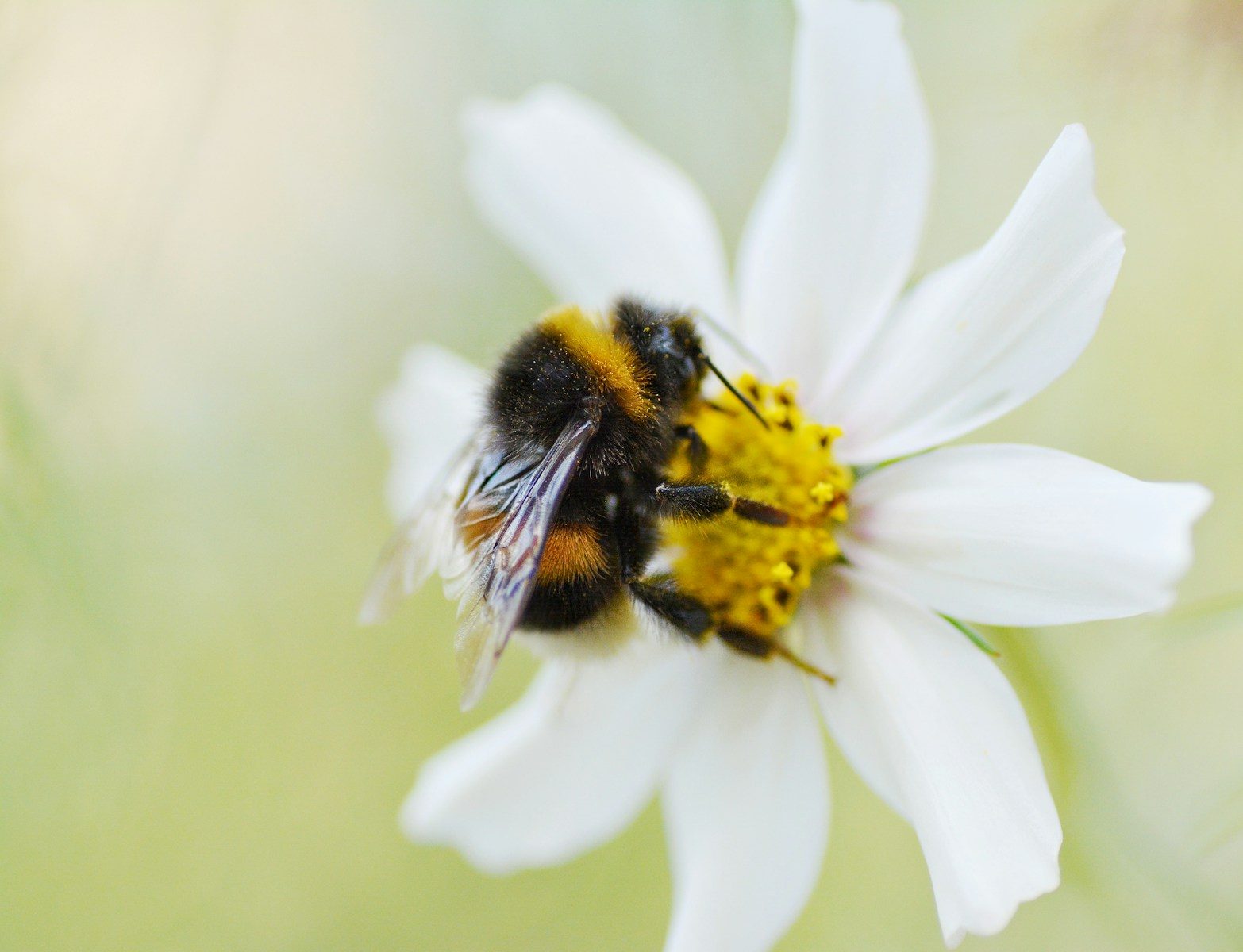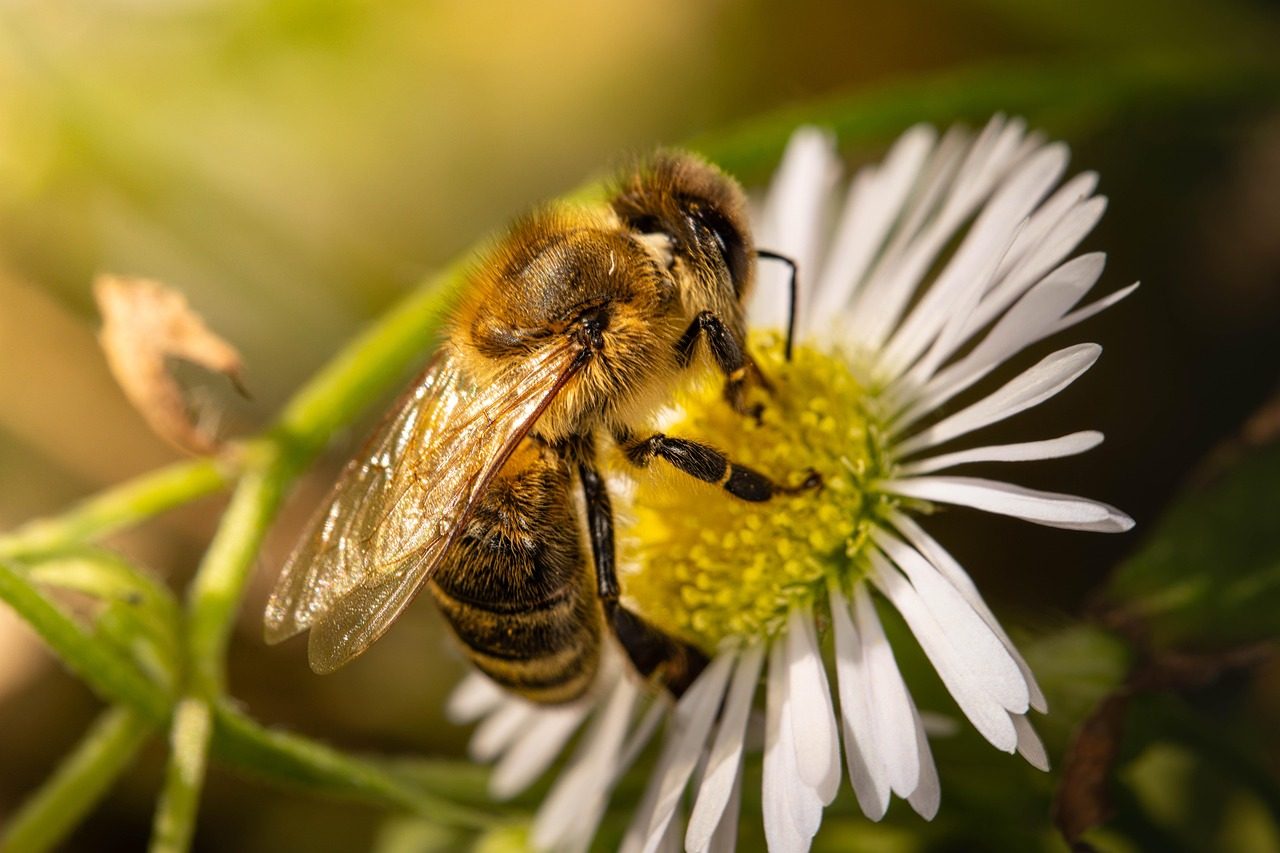
Bees are essential pollinators that support ecosystems, agriculture, and biodiversity. They help plants grow, produce food, and maintain healthy natural environments. However, bee populations are declining due to habitat loss, pesticide use, and climate-related changes. Fortunately, small everyday actions can help protect them.
Support and Protect Natural Habitats
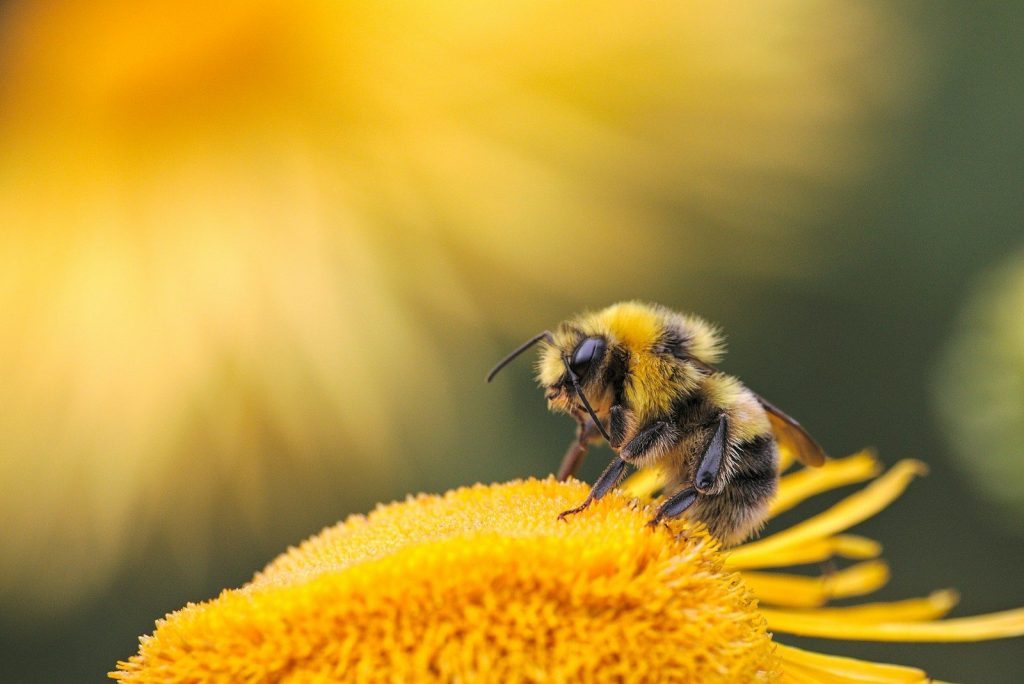
One of the most effective ways to help bees is to preserve and restore natural spaces. Parks, gardens, meadows, and wild areas provide food and nesting sites for pollinators. Even small green spaces can make a difference when planted with native flowering plants.
Avoid Harmful Chemicals
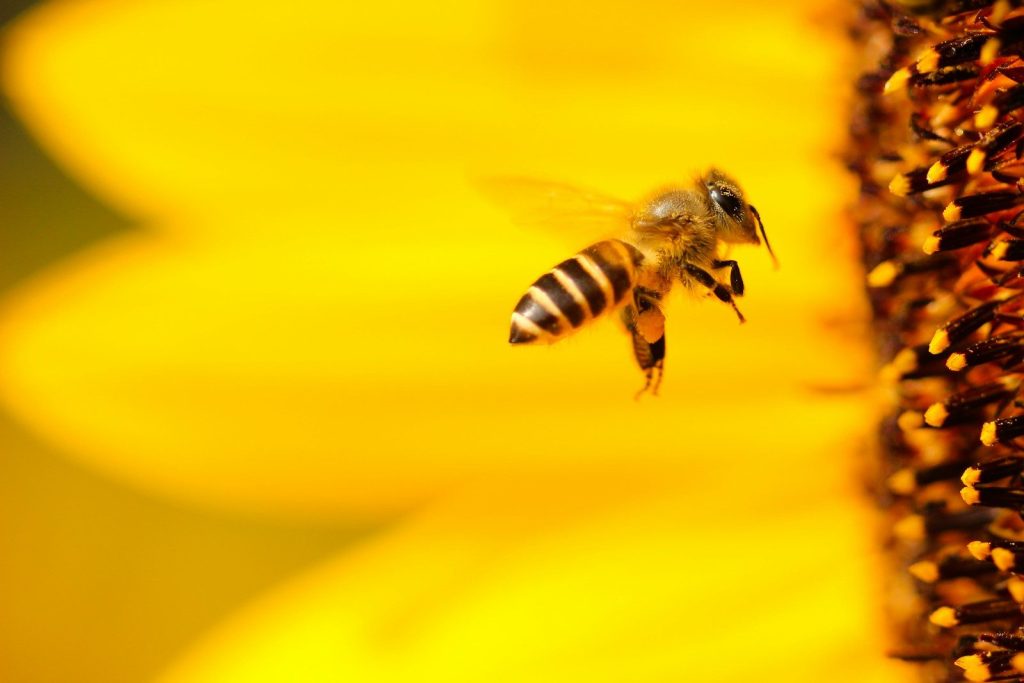
Pesticides, herbicides, and other synthetic chemicals can be dangerous to bees and other pollinators. Reducing or eliminating their use in gardens helps create a safer environment. Natural gardening methods also support healthier soil and ecosystems.
Plant Bee-Friendly Flowers and Trees
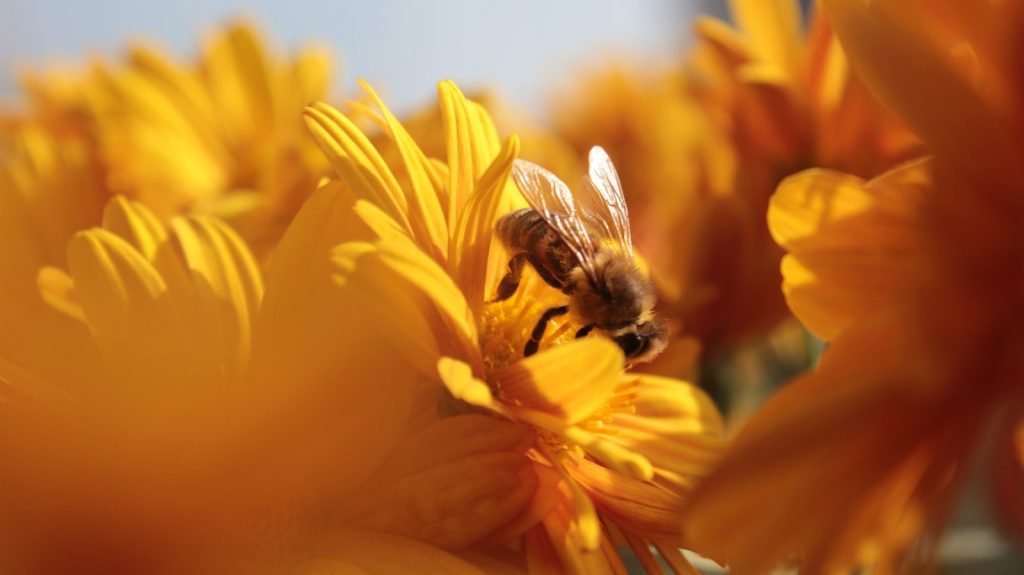
Native plants that produce nectar and pollen are the best food sources for bees. Choosing a variety of flowers that bloom at different times of the year ensures a steady supply of food. Trees are especially valuable, offering large numbers of blossoms and early-season nutrition.
Create Safe Nesting Spaces
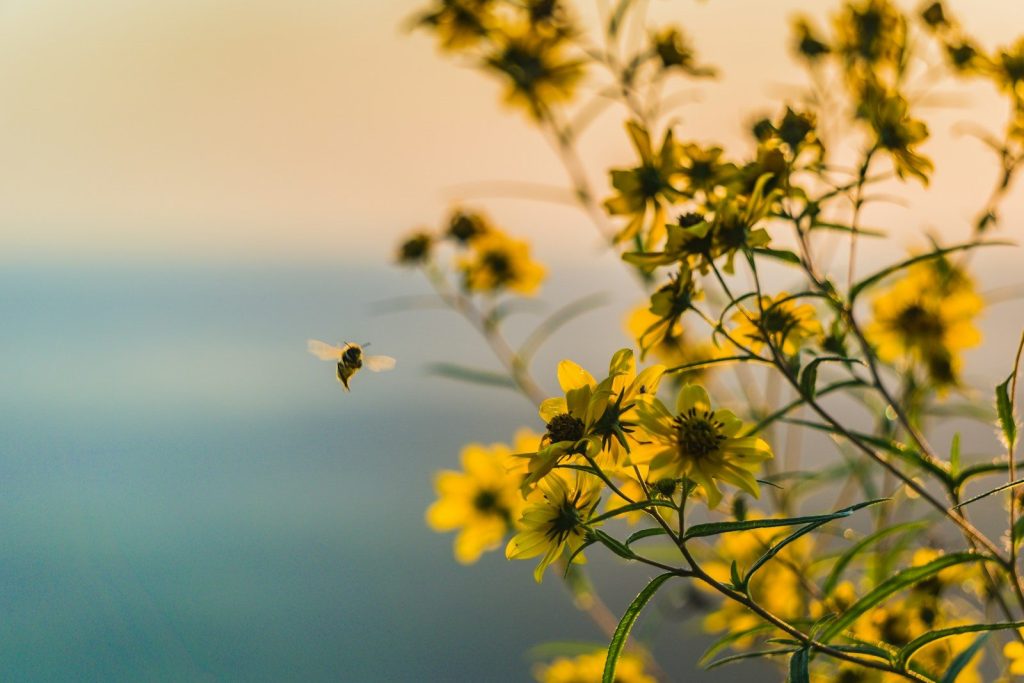
Many bee species nest in soil, stems, or tree cavities. Leaving small patches of bare ground, avoiding heavy mulch in certain areas, and allowing plant stems to remain can provide important nesting habitats. These simple choices help support wild bee populations.
Educate and Support Conservation Efforts
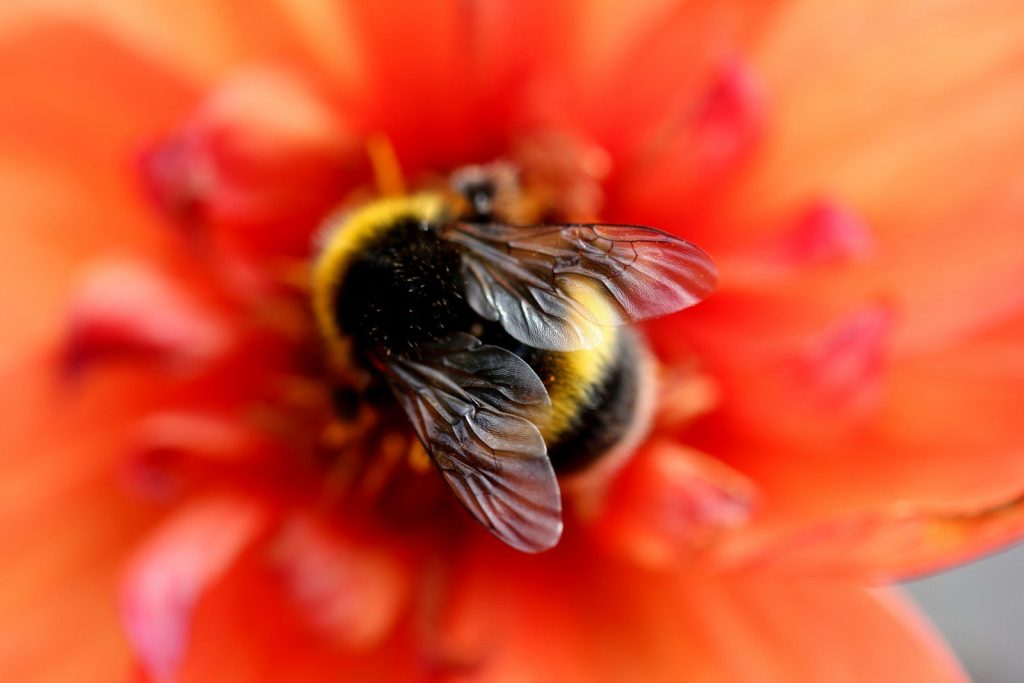
Learning about bees and sharing knowledge with others helps raise awareness of their importance. Supporting conservation organizations, participating in community projects, and encouraging pollinator-friendly practices all contribute to long-term protection efforts.