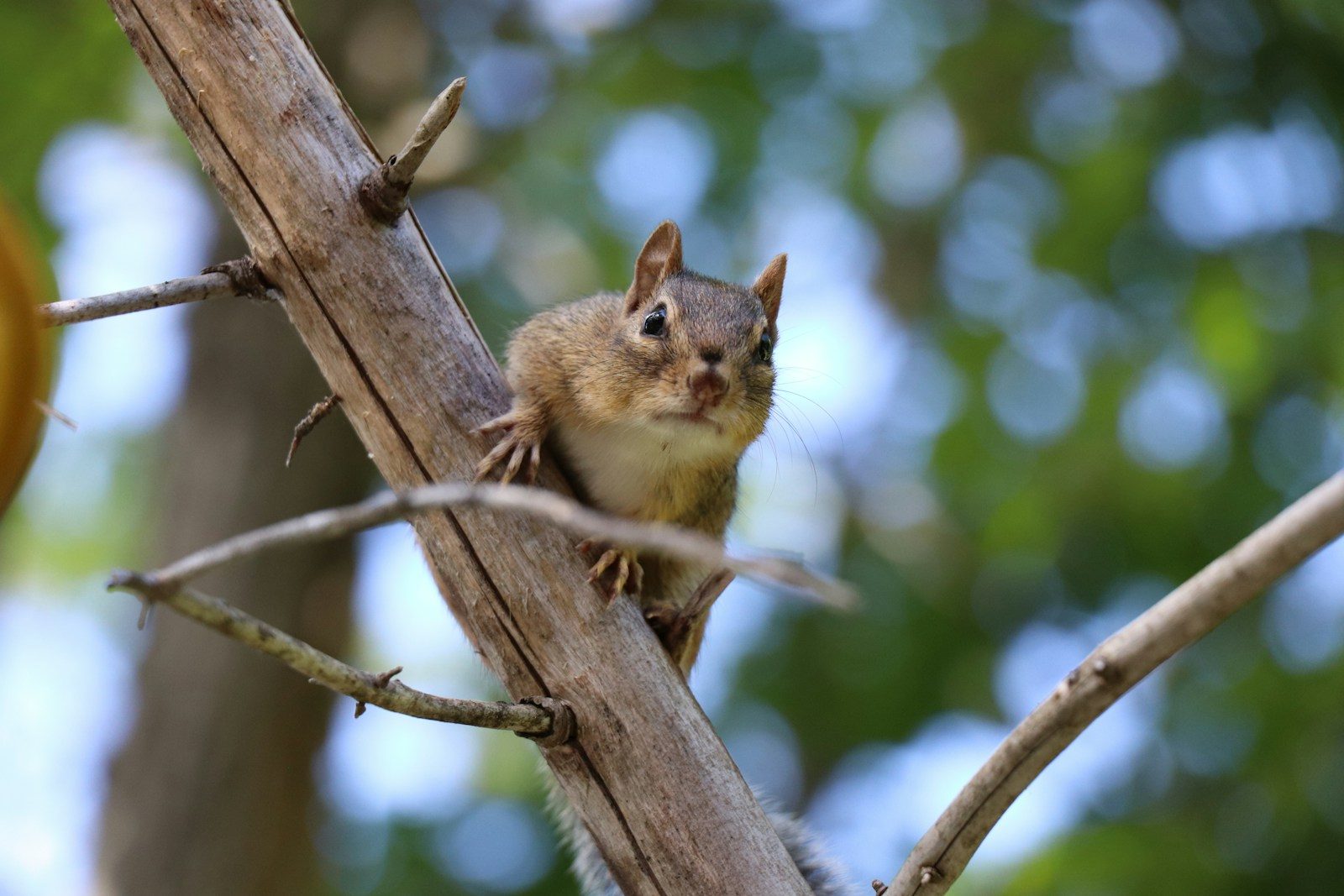
Squirrels and chipmunks may look cute darting across the yard, but they can quickly become a problem once they start digging up flower beds, stealing birdseed, or chewing through gardens. Fortunately, there are several natural scents these small animals strongly dislike, and many homeowners use them to discourage unwanted visits without harming wildlife.
Because squirrels and chipmunks rely heavily on their sense of smell to locate food and identify danger, certain strong odors can make an area feel unsafe or unpleasant. Using these scents strategically can help protect gardens, patios, and landscaping while allowing wildlife to move elsewhere naturally.
Peppermint Is One of the Most Effective Natural Repellents
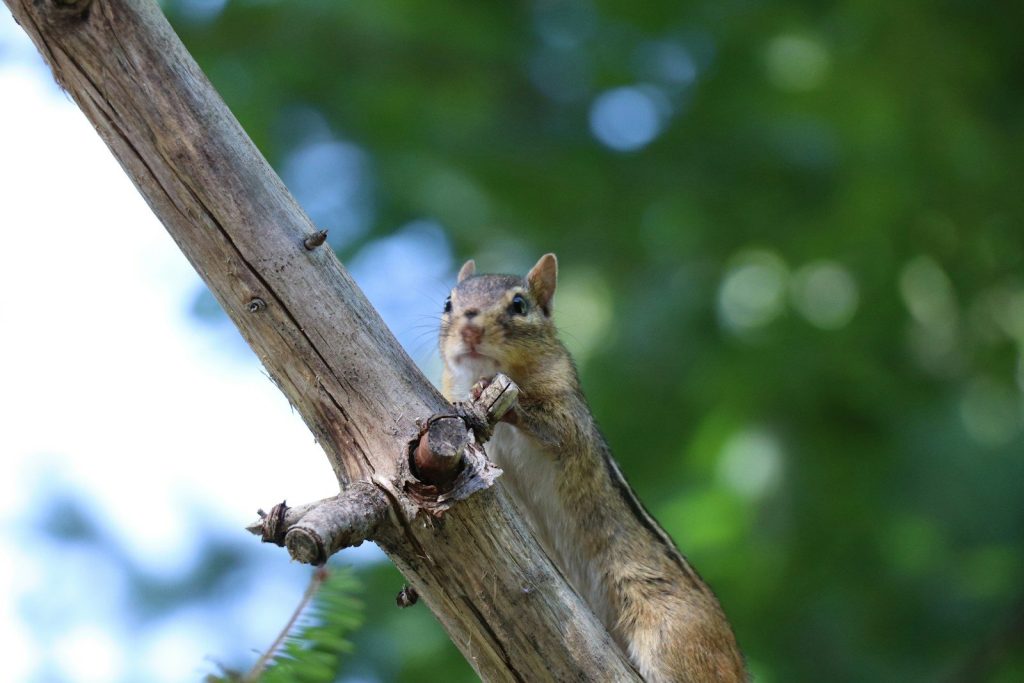
Peppermint has a powerful scent that many rodents dislike, including squirrels and chipmunks. The strong menthol smell can overwhelm their sensitive noses and discourage them from lingering near treated areas.
Many homeowners soak cotton balls in peppermint oil and place them near gardens, entry points, bird feeders, or flower pots. Fresh peppermint plants may also help create a mild natural barrier around outdoor spaces.
Garlic and Onion Smells Can Drive Them Away
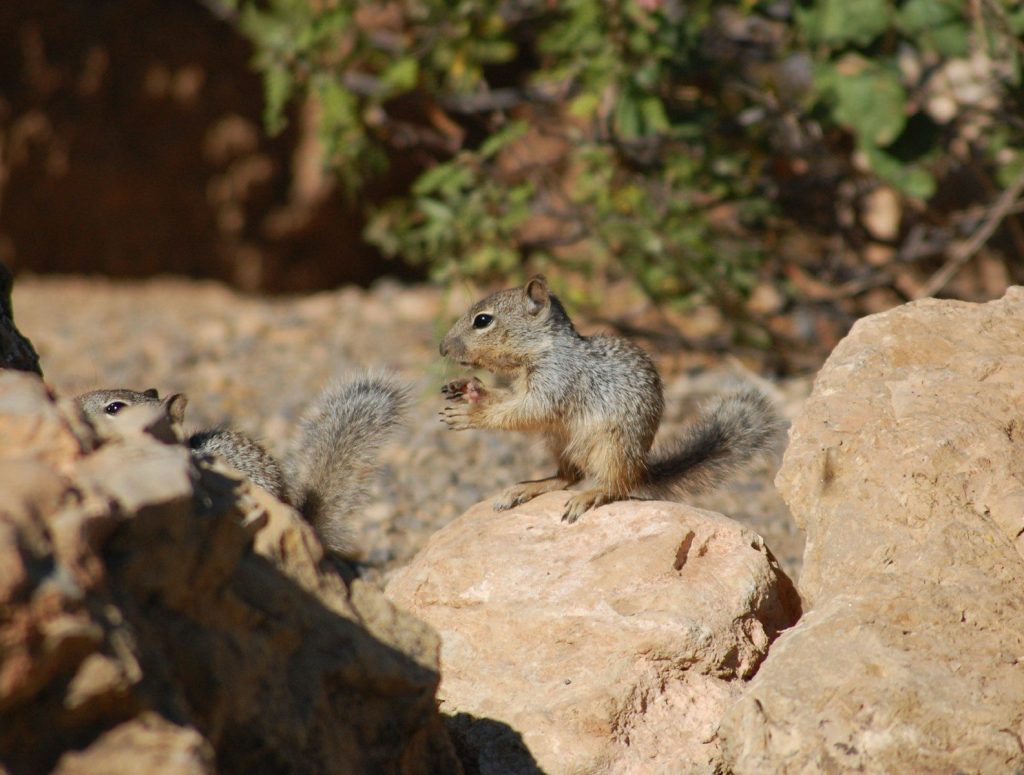
The sharp sulfur compounds found in garlic and onions are unpleasant to many small mammals. These strong odors can interfere with how squirrels and chipmunks search for food and navigate familiar spaces.
Some gardeners scatter crushed garlic cloves around vulnerable plants or use homemade sprays containing garlic and water. Onion peels and strong onion-based mixtures are also commonly used near digging areas.
Vinegar Creates an Unpleasant Environment
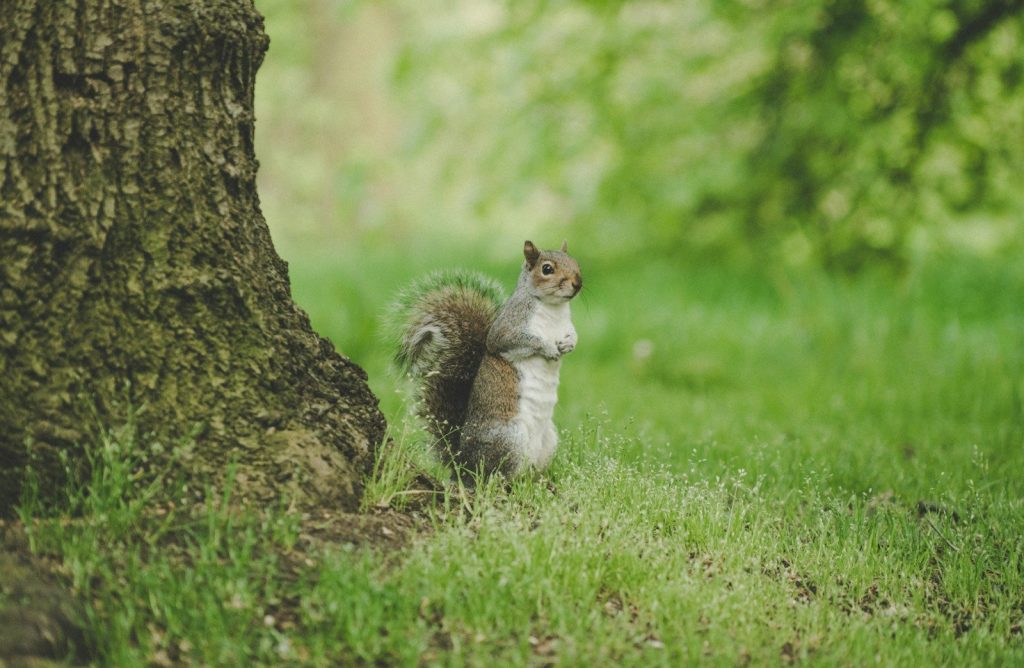
White vinegar has a strong acidic smell that squirrels and chipmunks often avoid. Spraying diluted vinegar around fences, patios, planters, or trash areas may help discourage activity temporarily.
However, vinegar should be used carefully around delicate plants because repeated exposure can damage vegetation. Many people apply it to hard surfaces, pathways, or non-plant areas instead.
Predator Scents Can Trigger Fear Responses
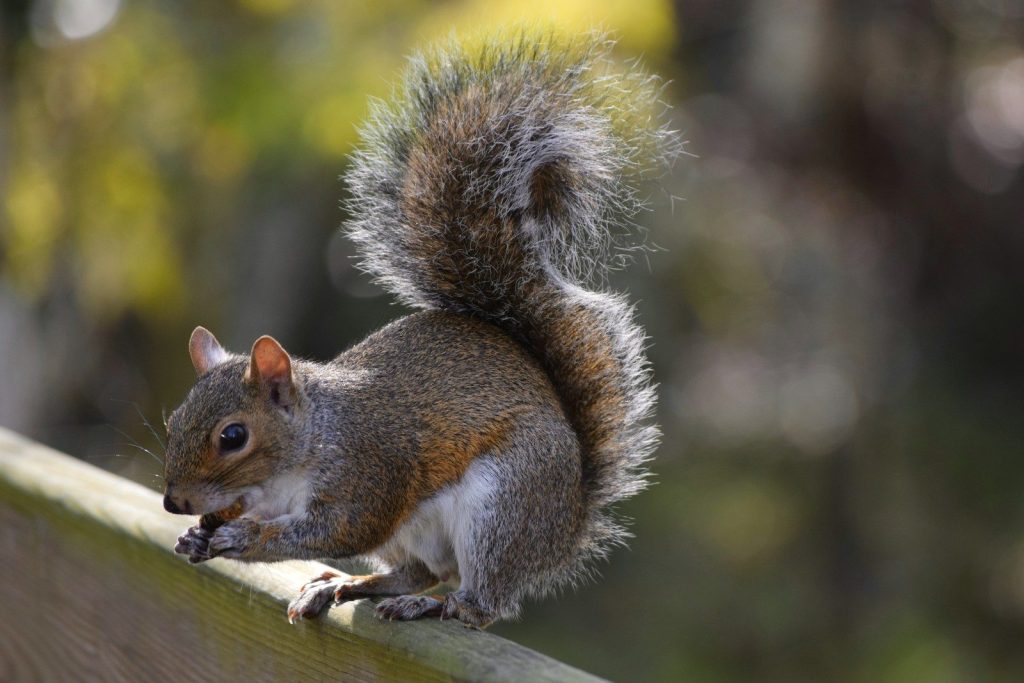
Squirrels and chipmunks naturally avoid areas that smell like predators. Scents associated with foxes, coyotes, or certain predatory animals can make small rodents feel unsafe enough to leave the area.
Some commercial repellents use predator urine for this purpose, while others rely on strong musky smells to imitate danger. These repellents usually need reapplication after rain or heavy watering.
Spicy Smells Like Cayenne Pepper May Help
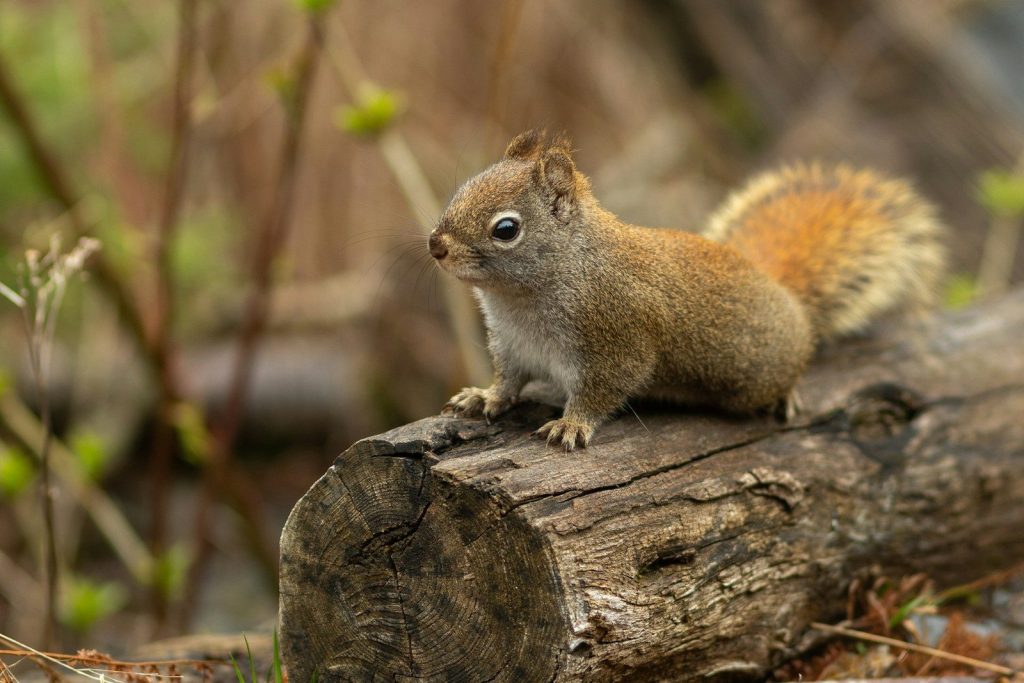
Capsaicin, the compound that gives chili peppers their heat, irritates many mammals. Cayenne pepper, chili powder, or pepper-based sprays are commonly used to discourage chewing and digging.
Sprinkling small amounts around gardens or bird feeders can sometimes reduce squirrel activity. However, heavy rain and wind can quickly weaken the effect, meaning regular reapplication may be necessary.
Coffee Grounds Can Deter Digging

Used coffee grounds contain strong odors that some squirrels and chipmunks dislike. Gardeners often spread them around flower beds, bulbs, and vegetable patches to discourage digging behavior.
As an added benefit, coffee grounds can enrich soil when used moderately. Still, experts recommend avoiding excessive buildup because too much acidity may affect certain plants.
Combining Smells With Other Deterrents Works Best
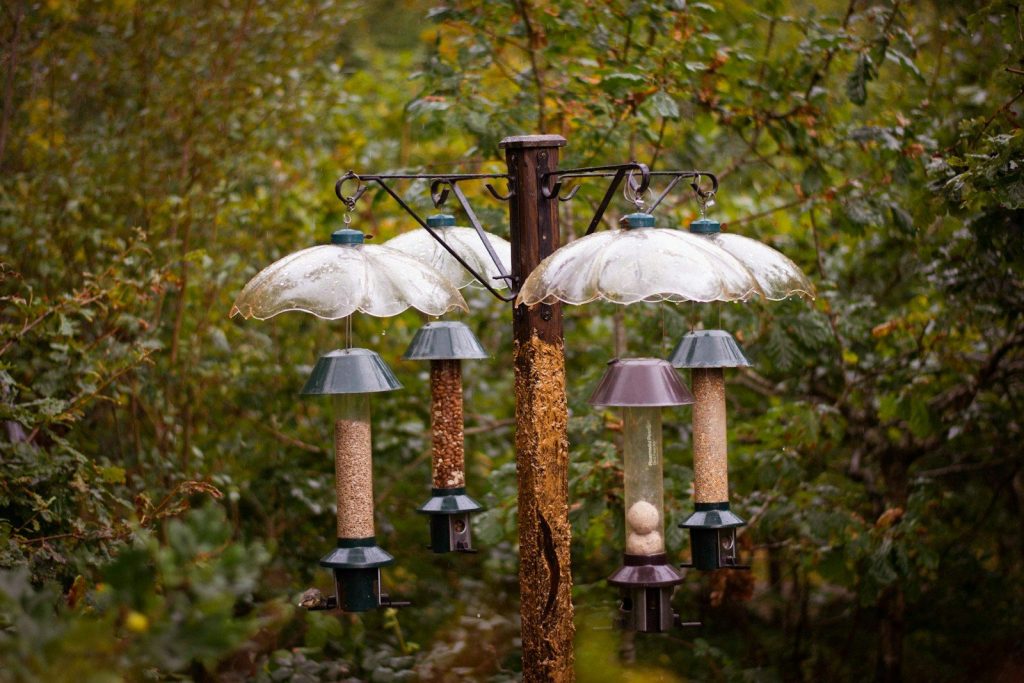
Natural scents tend to work most effectively when paired with physical deterrents like fencing, covered bird feeders, motion-activated sprinklers, or sealed trash containers. Animals may eventually adapt if smells are the only barrier.
Wildlife experts also recommend removing easy food sources whenever possible. Fallen fruit, uncovered compost, and spilled birdseed can attract squirrels and chipmunks even if repellents are present.