Skip to content

Recent Posts

  • Sperm Whales Hunt Giant Squid and Carry the Scars
  • How David Bradshaw Is Preserving His Family Honey Farm
  • Animals That Seem to Escape Normal Aging
  • When Distressed Animals Approached Helpful People
  • How Two Climbers Survived Everest Without Bottled Oxygen

Most Used Categories

  • Nature & Wildlife (714)
  • Risk (63)
  • Human Interest (40)
  • Exotic Animals (22)
  • Survival (20)
  • Hunting (19)
  • Bees/Swarms fear (15)
  • Suspense (11)
  • Adventure (3)
  • Gears (2)
Skip to content
  • About Us
  • Contact Us
  • Disclaimer
  • Privacy Policy
  • Terms & Conditions

Hive Hunters Tales

  • Suspense
  • Nature & Wildlife
  • Human Interest
  • Hunting
  • Bees/Swarms fear
  • Exotic Animals
  • Risk
  • Survival
  • Adventure
  • Gears
  • Home
  • Bees/Swarms fear
  • How David Bradshaw Is Preserving His Family Honey Farm
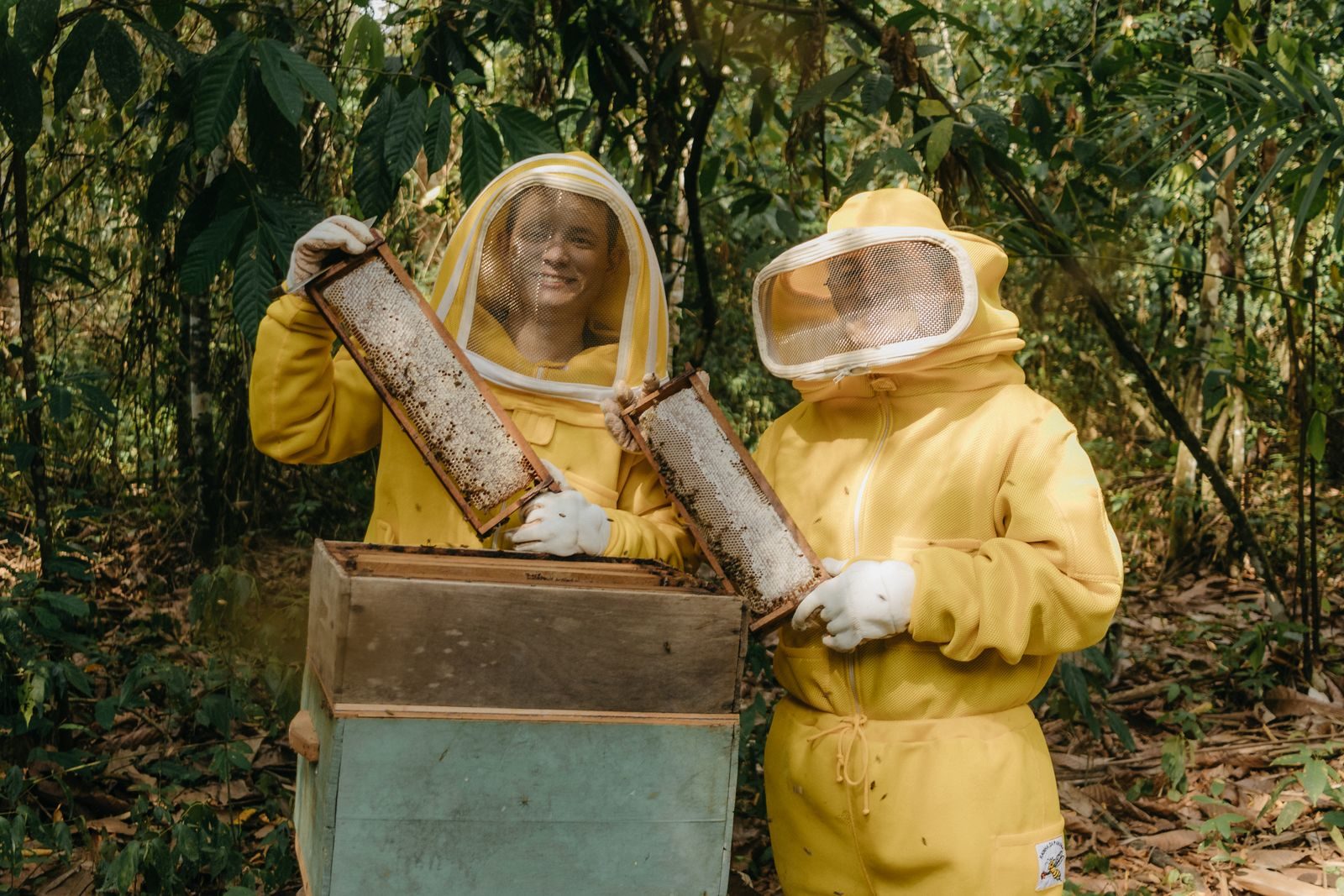
Two beekeepers in yellow suits examine honey frames outdoors in a lush green forest.

How David Bradshaw Is Preserving His Family Honey Farm

JakeAugust 7, 2026August 7, 2026

David Bradshaw, 70, is the second-generation owner of Bradshaw Honey Farms in Visalia, California. His father transformed a teenage interest in bees into a family business established in 1958.

Today, Bradshaw manages thousands of colonies while facing extreme bee losses, rising operating pressures, unpredictable weather, and a honey industry increasingly dependent on commercial pollination.

Howard’s First Swarm
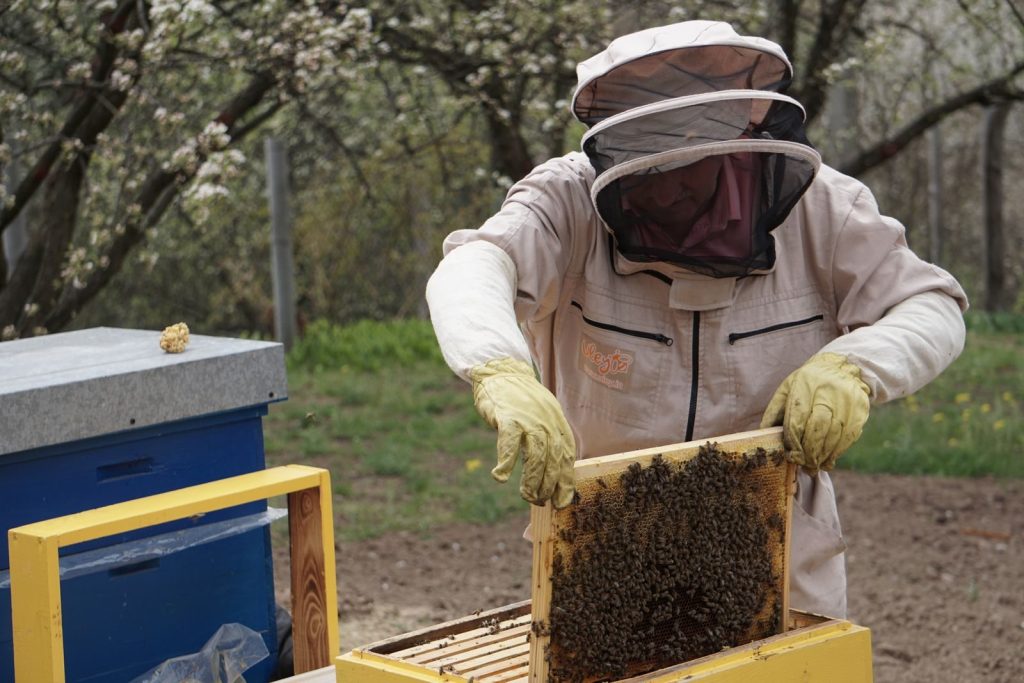
Beekeeper in protective gear inspecting a honeycomb frame with bees in an outdoor apiary setting.
Photo by Dmytro Glazunov on Pexels

Howard Bradshaw started his first hive in Hawaii in 1949 while still in high school. After finding a swarm on a bush, he reportedly bought a hive kit from Sears. His growing interest eventually developed from a personal hobby into a commercial operation.

The Farm Began in 1958
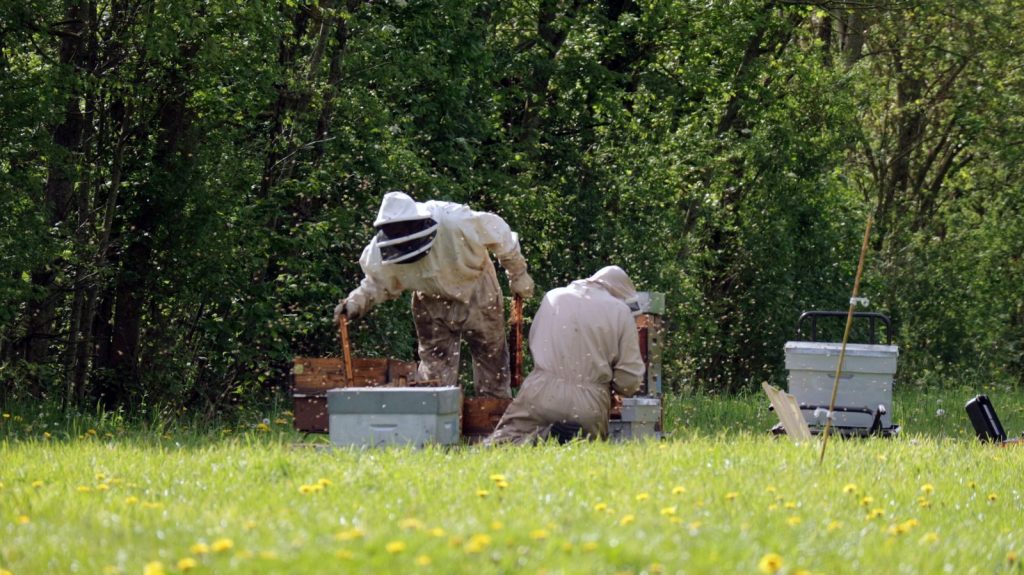
Two beekeepers tending to hives in a sunny field, surrounded by nature and buzzing bees.
Photo by Patrick Albt on Pexels

Howard formally established Bradshaw Honey Farms in 1958. The business supported his wife and five children and later moved with the family to California. What started in a backyard became a long-running operation producing honey and supplying managed colonies for agricultural pollination.

David Grew Up With Bees
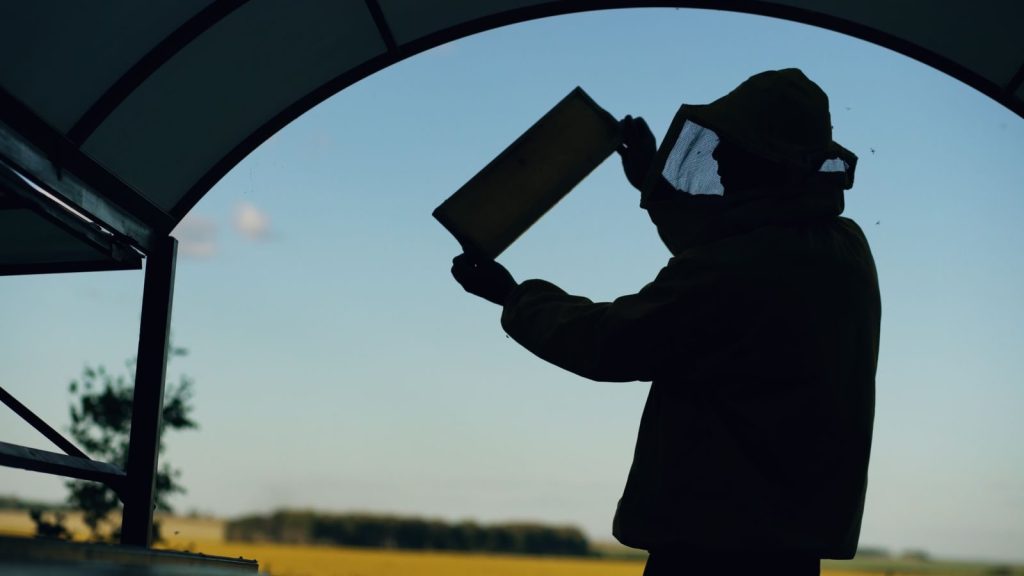
A beekeeper in protective gear inspects a honeycomb, captured in silhouette during the day.
Photo by Vitaly Gariev on Pexels

David remembers playing near the hives as a child and learning not to get too close. He later bought his first 200 colonies while still in high school. Years of daily work taught him that successful beekeeping requires knowledge of weather, flowering crops, bee health, and seasonal movement.

He Took Over
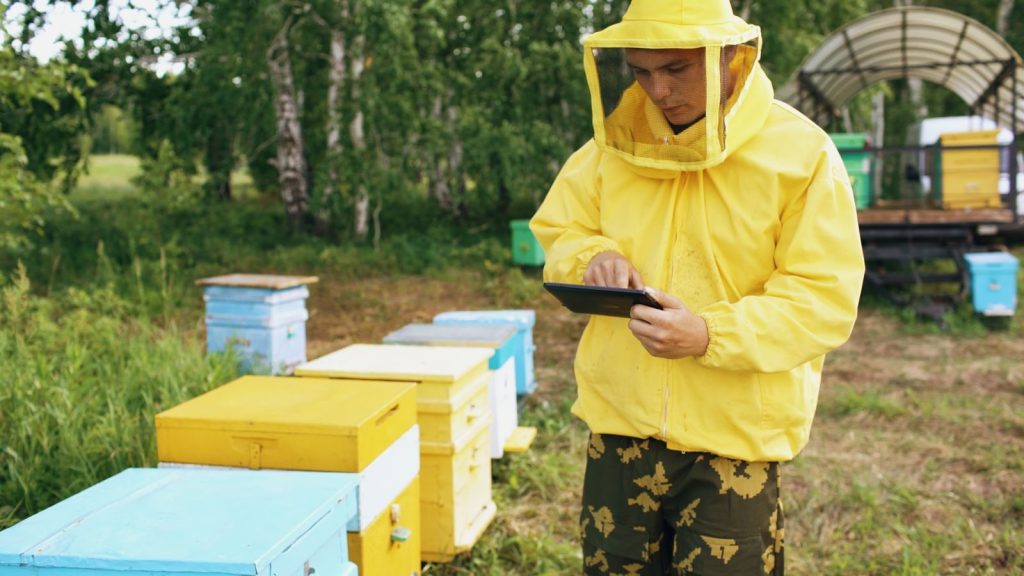
A beekeeper in yellow protective gear uses a tablet near colorful beehives outdoors.
Photo by Vitaly Gariev on Pexels

Howard sold approximately 2,000 colonies to David in 1997. David continued expanding the farm while his father remained involved until retiring in 2014. The transfer gave the younger beekeeper responsibility for protecting both the bees and a business built across two generations.

Four Thousand Colonies
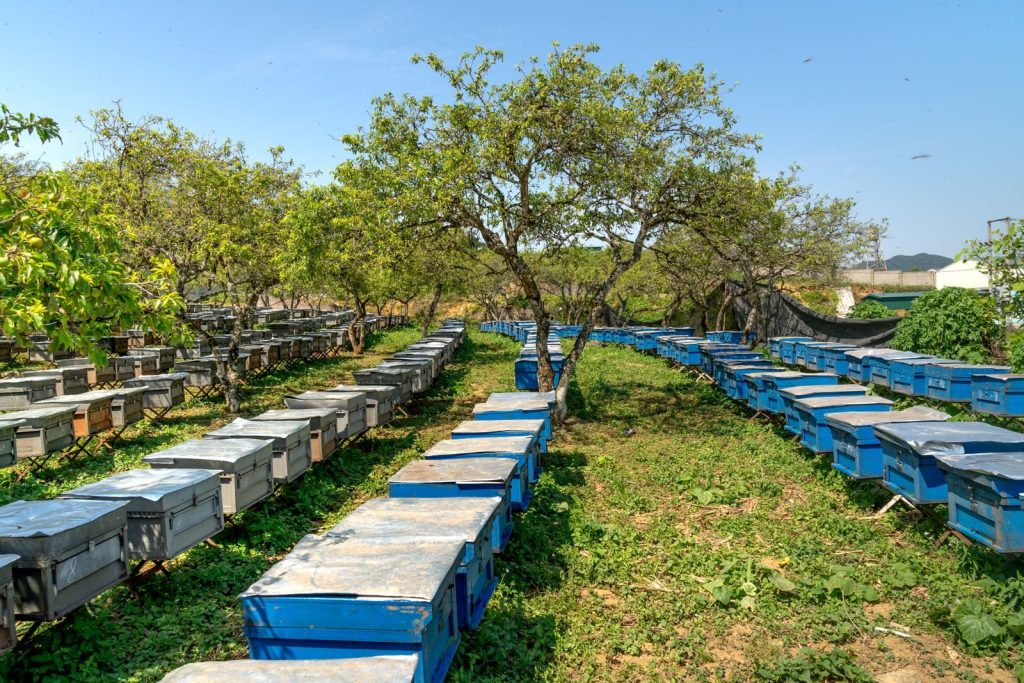
Colorful beehives line a lush, sunlit rural landscape, surrounded by green trees.
Photo by Quang Nguyen Vinh on Pexels

Bradshaw now manages about 4,000 colonies across California. Maintaining that number involves inspecting hives, replacing queens, treating pests, feeding colonies when natural forage is limited, transporting bees, harvesting honey, and preparing strong colonies for pollination contracts.

Pollination Supports the Farm
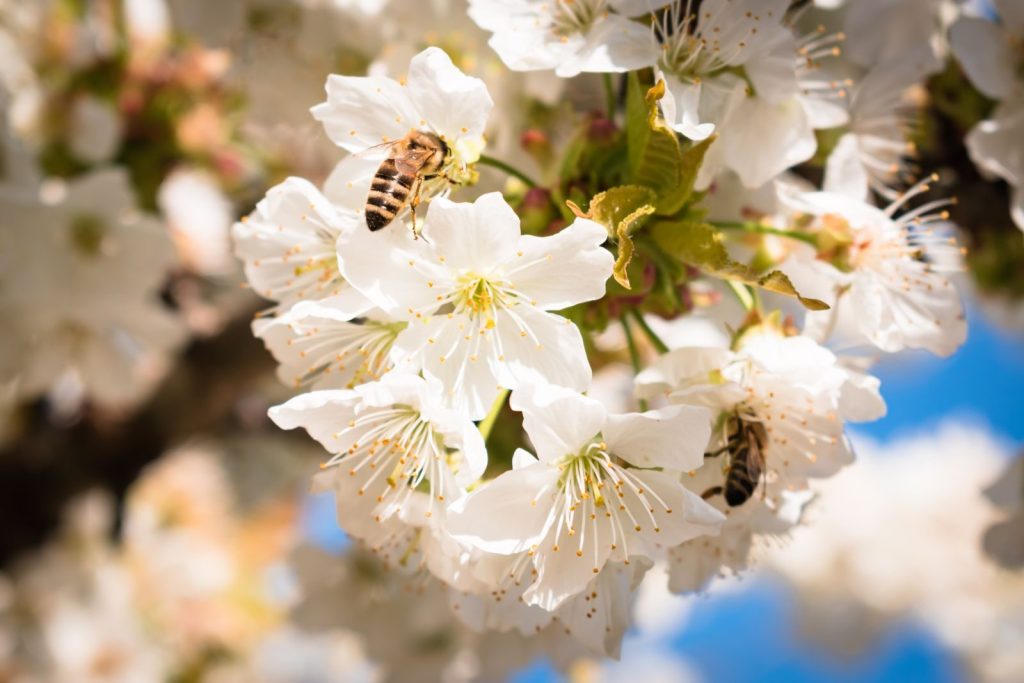
Close-up shot of honey bees collecting nectar from white cherry blossoms in spring.
Photo by Nikolett Emmert on Pexels

Commercial beekeepers rent colonies to growers whose crops require large numbers of pollinators during short flowering periods. Bradshaw’s bees move among agricultural areas, including orchards. Pollination income has become increasingly important as weather, production costs, and competition make honey revenue less predictable.

Colony Losses Hit Hard

A detailed close-up of swarming honey bees within a hive, depicting colony life.
Photo by chris clark on Pexels

Bradshaw was among the commercial beekeepers affected by extraordinary colony losses during the 2024–2025 winter. A national industry survey estimated that responding commercial operations lost an average of 62 percent of their colonies. Bradshaw described the scale of the losses as unprecedented in his experience.

The Next Generation Helps
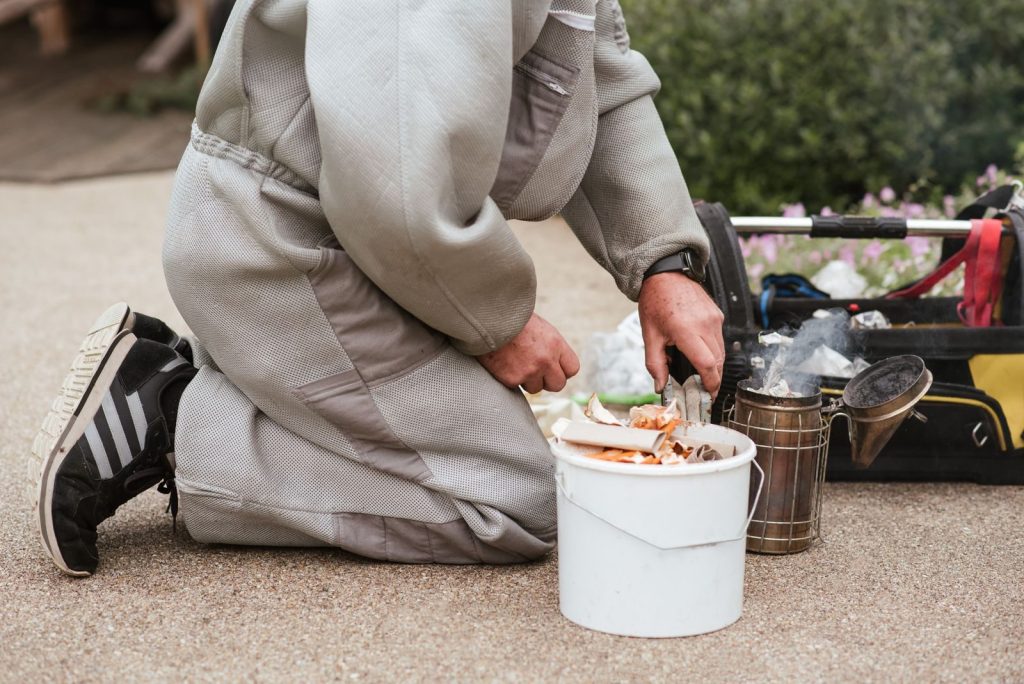
Crop anonymous man in protective uniform sitting on knees while preparing bee smoker for harvesting honey in apiary
Photo by Anete Lusina on Pexels

Bradshaw’s daughter works full-time at the farm and manages honey bottling, while his son helps when needed. He has described the business as a legacy he feels responsible for protecting. Keeping it alive means rebuilding colonies while preparing another generation to understand the work.

Featured Image: Photo by Kawê Rodrigues on Pexels
Post navigation

Previous: Animals That Seem to Escape Normal Aging
Next: Sperm Whales Hunt Giant Squid and Carry the Scars

Related Posts

bee, nature, flower background, flower, insect, flower wallpaper, close up, nectar, beautiful flowers, honey bees

Simple Ways to Help Save Bees

July 23, 2026July 23, 2026 Jake
black and yellow bee on purple flower

Bumblebees Can Use Tools to Solve Complex Problems, Study Finds

July 3, 2026July 3, 2026 Jake
brown insect

The “Cow Killer” Wasp Has One of the Most Painful Stings in Nature

June 8, 2026June 7, 2026 Jake

Leave a Reply Cancel reply

Your email address will not be published. Required fields are marked *

Recent Posts

  • Sperm Whales Hunt Giant Squid and Carry the Scars
  • How David Bradshaw Is Preserving His Family Honey Farm
  • Animals That Seem to Escape Normal Aging
  • When Distressed Animals Approached Helpful People
  • How Two Climbers Survived Everest Without Bottled Oxygen
Copyright All Rights Reserved | Theme: BlockWP by Candid Themes.