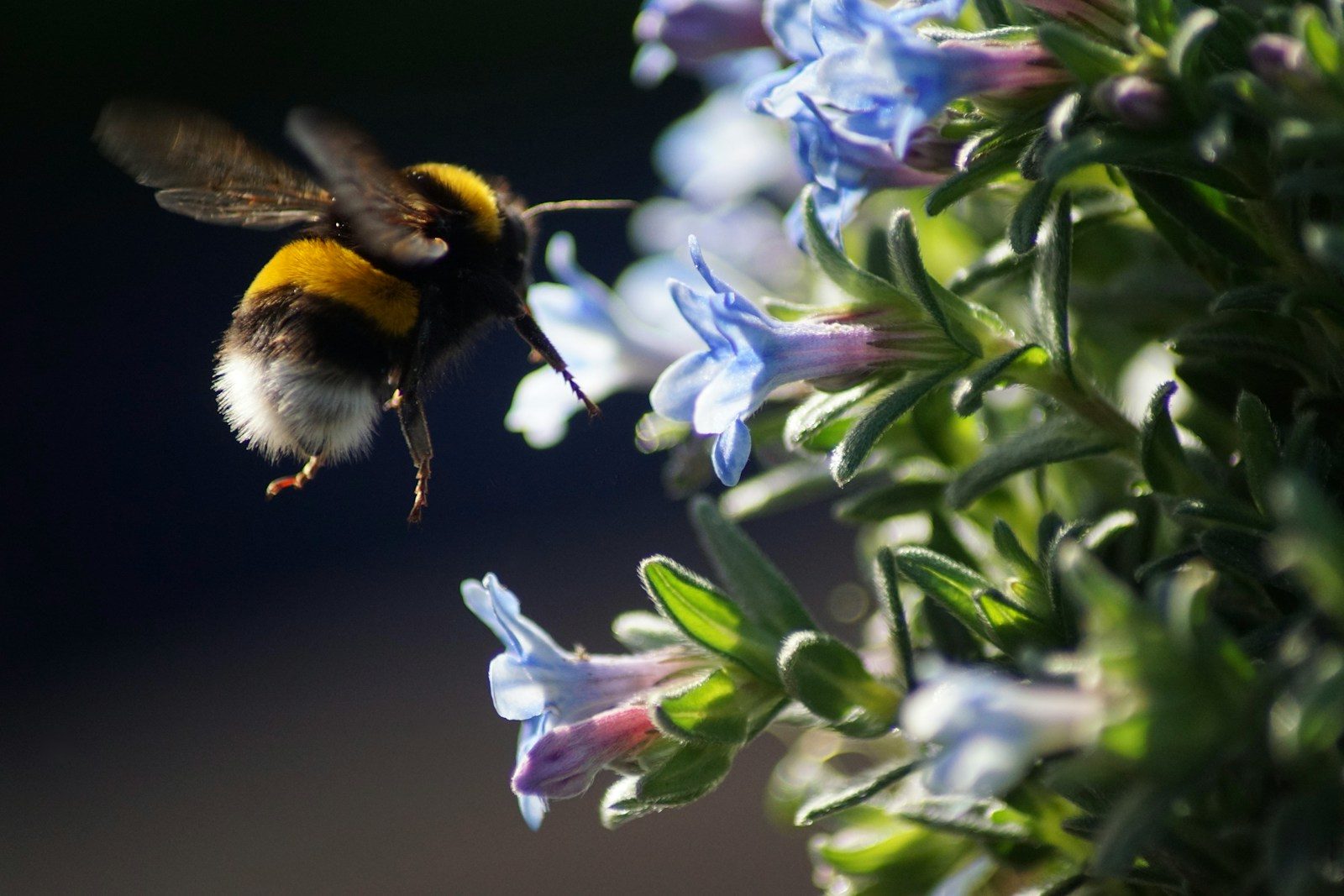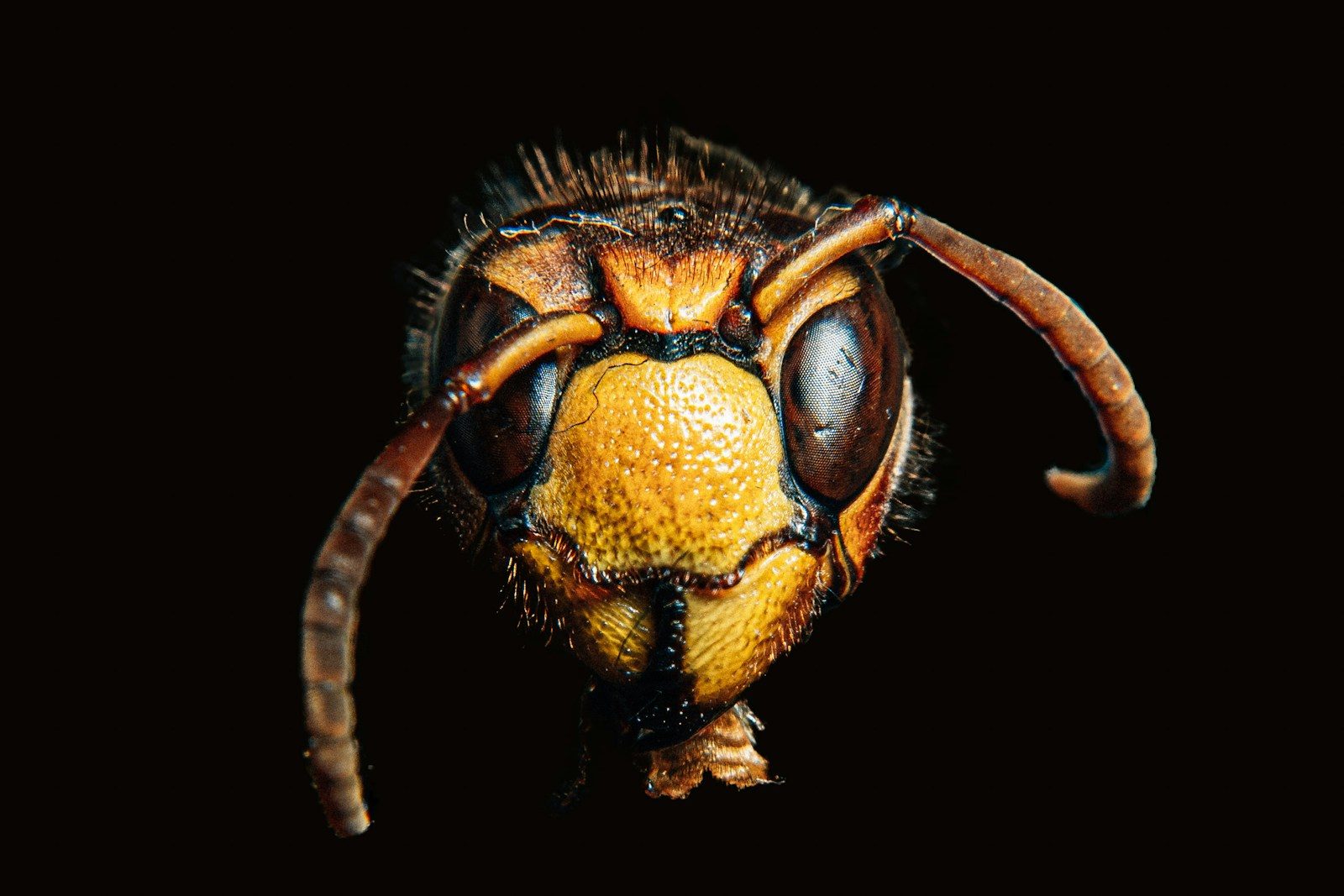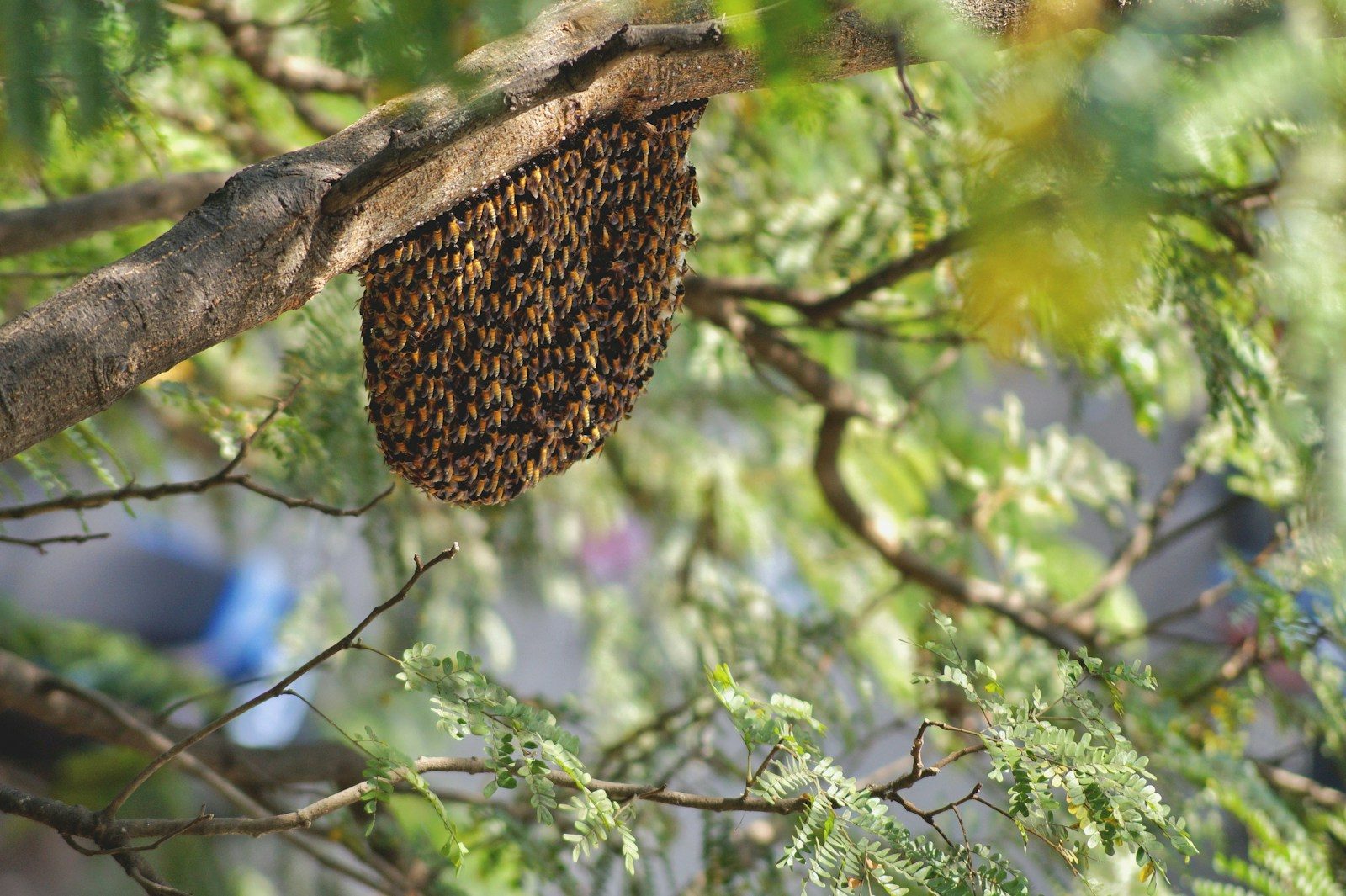
A wild bee hive hidden deep in a forest is not just a cluster of insects; it’s a highly organized survival system built over time. Inside, thousands of bees operate like a single unit, defending their queen, storing food, and maintaining strict environmental control.
Approaching or entering such a hive is extremely risky, as bees interpret intrusion as a direct threat to the entire colony.
A Hive Is a Highly Defensive Fortress
Wild bee colonies are built for survival. Whether inside hollow trees, rock cavities, or underground spaces, the hive entrance is tightly guarded by worker bees.
Any sudden disturbance near the entrance triggers an immediate defensive response, as bees work to protect their queen and stored food supplies.
Guard Bees React Within Seconds
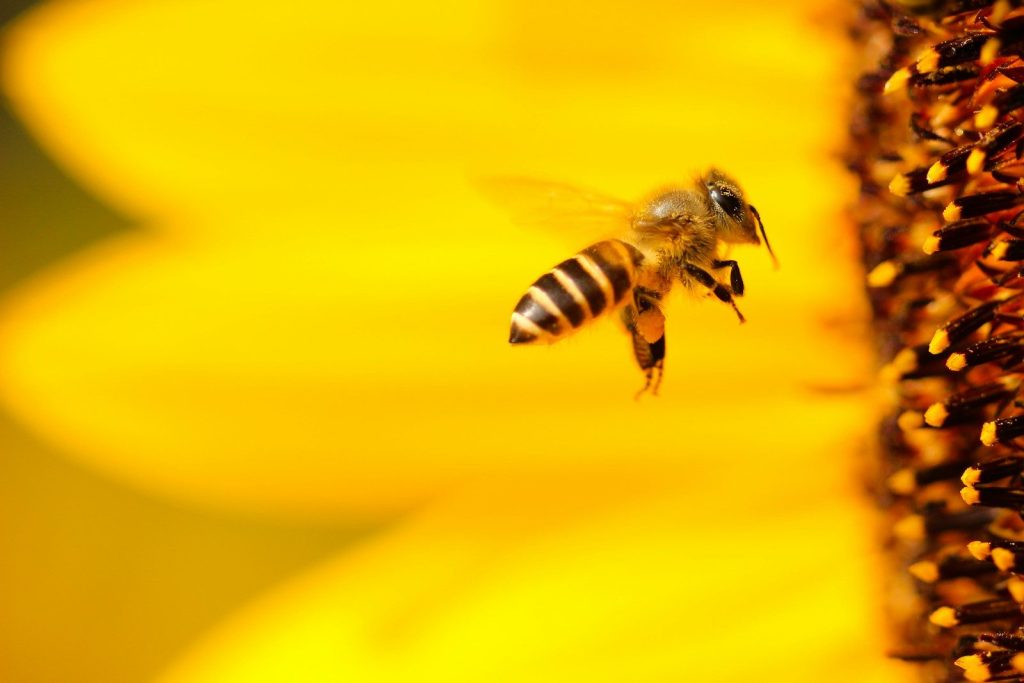
At the entrance of the hive, guard bees monitor airflow, vibrations, and movement. When they detect an intruder, they release alarm pheromones to alert the colony.
Within seconds, more bees emerge, ready to defend the hive by swarming and targeting perceived threats.
The Science Behind Bee Swarming
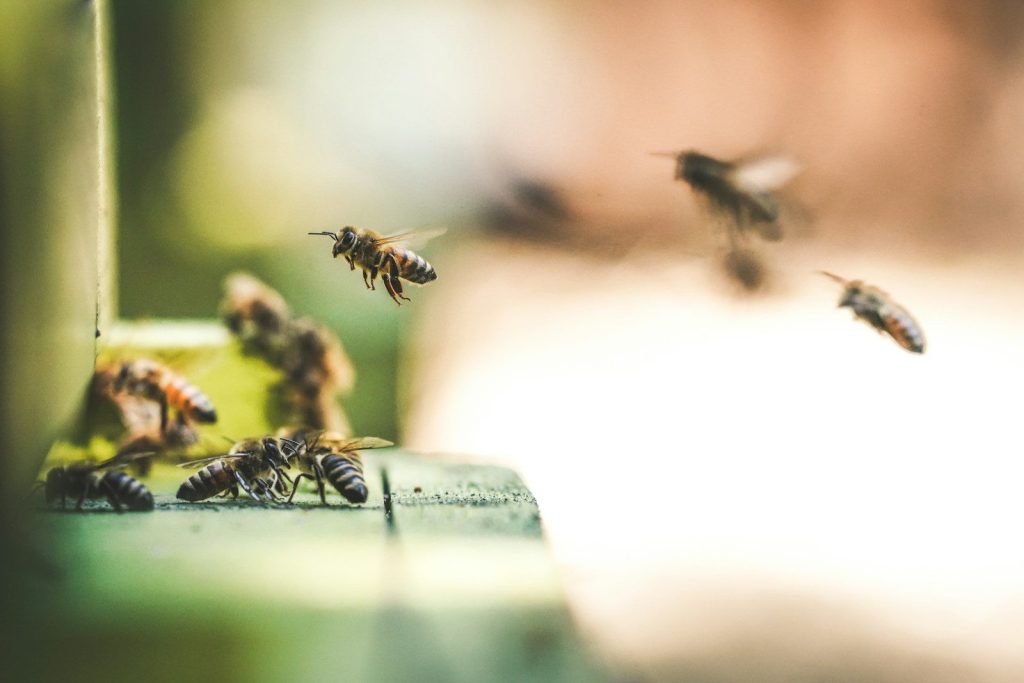
When a hive is threatened, bees coordinate a mass defensive swarm. This is not random aggression, it is organized behavior designed to overwhelm intruders and drive them away.
Bees can track movement and target sensitive areas, making forest encounters especially dangerous for humans or animals nearby.
Why Wild Hives Are More Aggressive Than Managed Ones
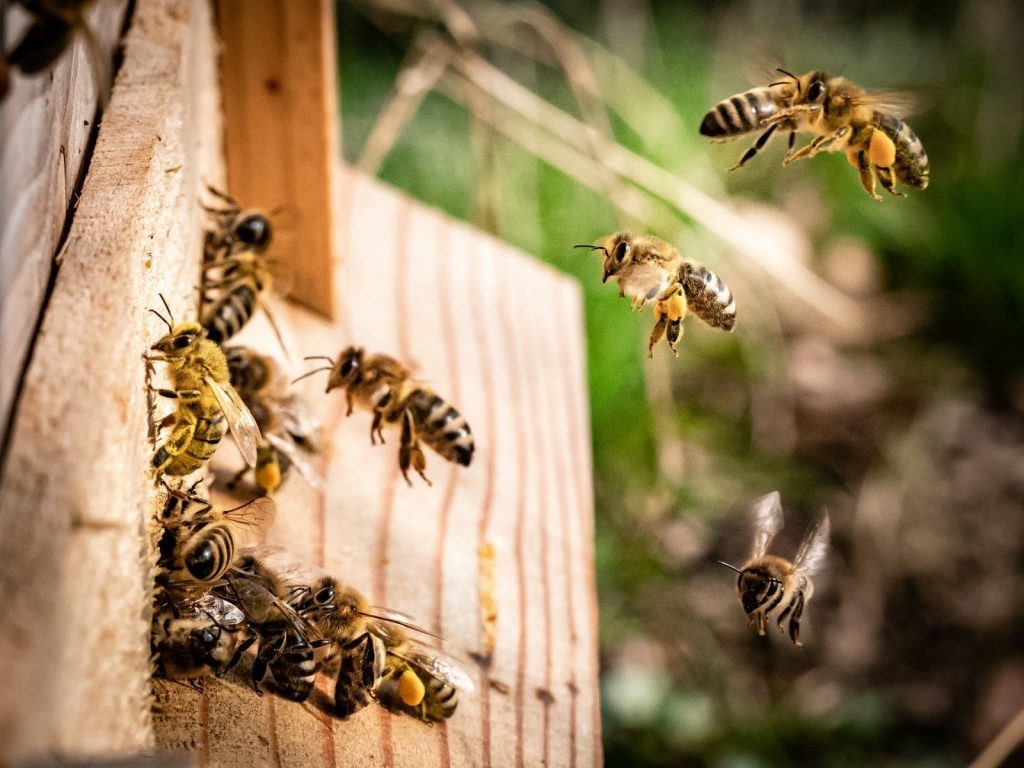
Wild colonies often face more predators and environmental stress, making them more defensive than domestic hives. Without human management, they rely entirely on natural survival instincts.
This makes accidental encounters in forests far more unpredictable and potentially hazardous.
Inside the Hive: Perfect Organization Under Pressure
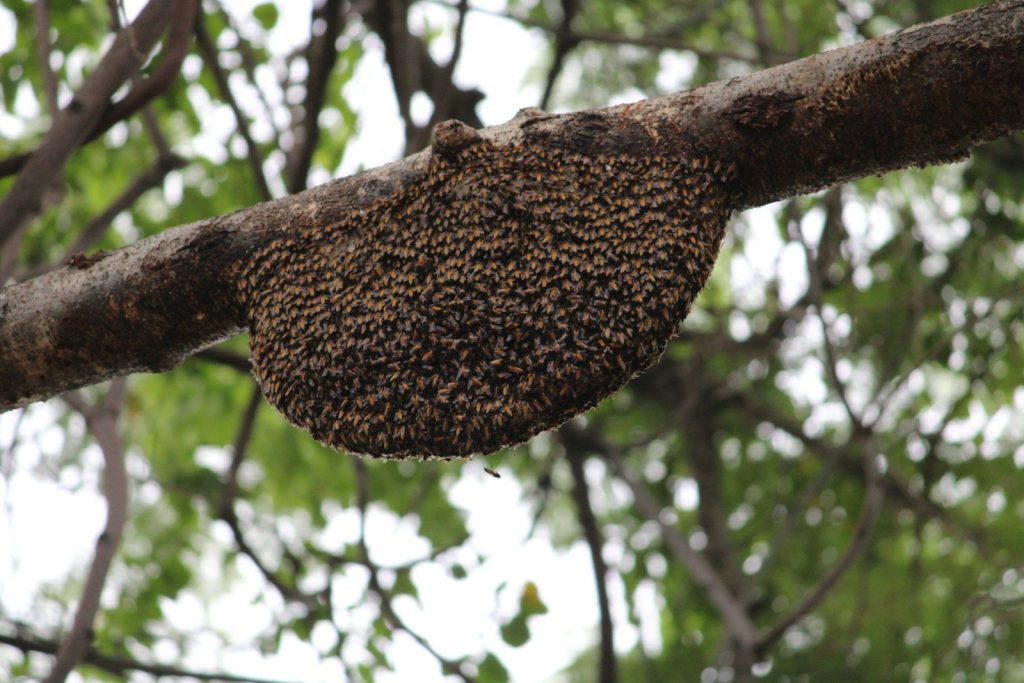
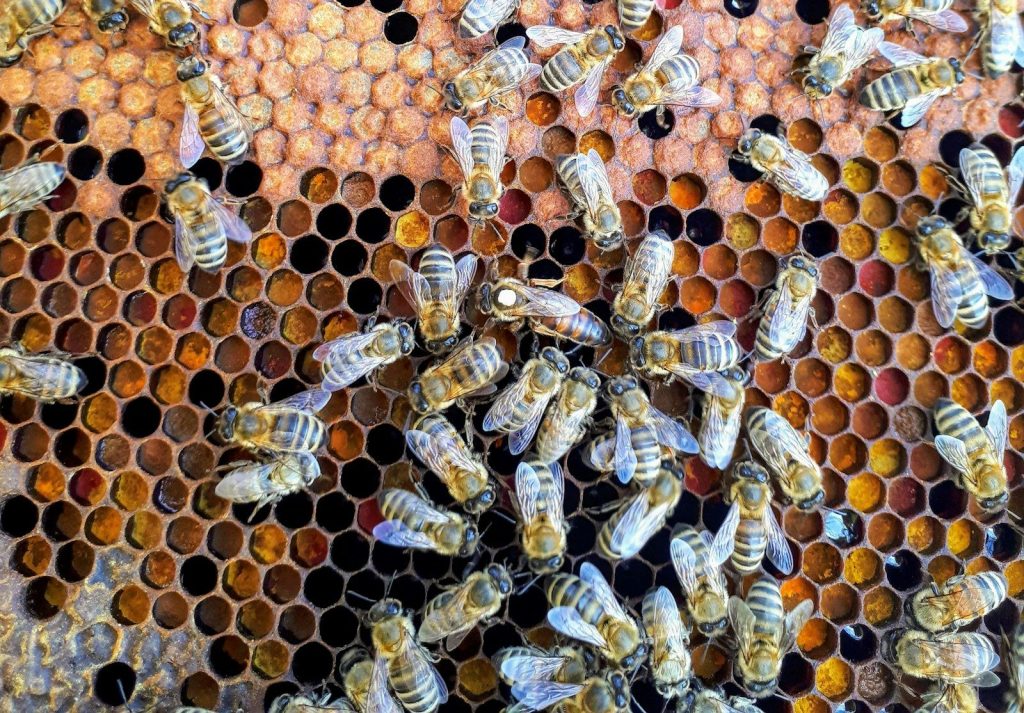
Deep inside the hive, bees continue their work even during external threats. Worker bees protect larvae, maintain temperature, and secure honey stores.
The queen remains at the center of the colony, as her survival is essential for the entire hive’s continuation.
Stings Are a Last Line of Defense
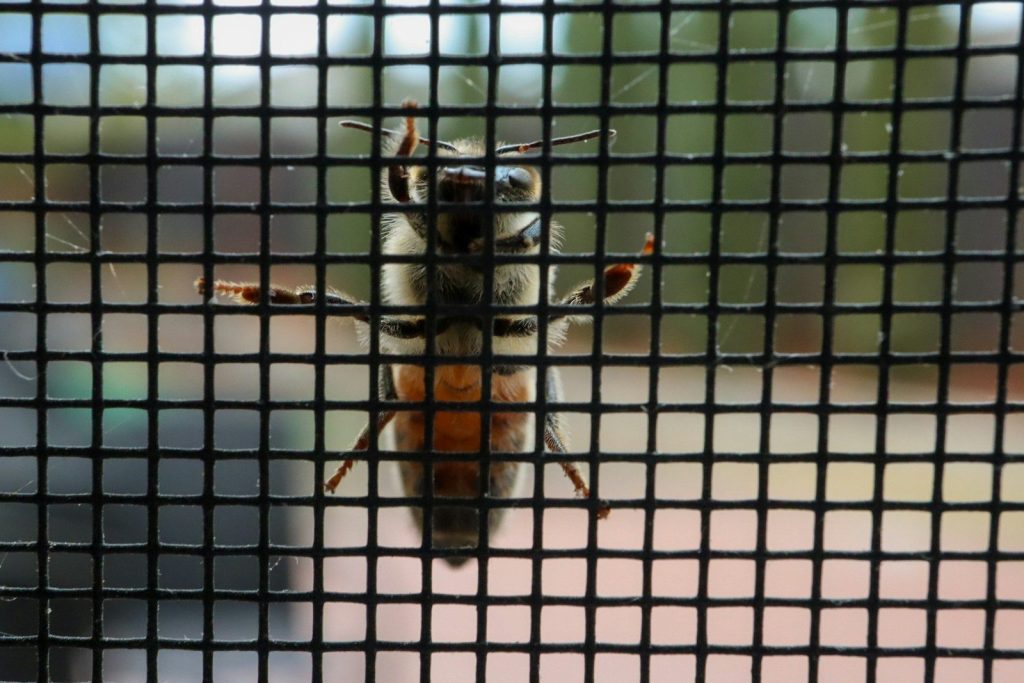
Bee stings are not random attacks, they are a final defense mechanism. When bees sting, they release alarm chemicals that attract more defenders to the target.
In large numbers, stings can become dangerous, especially when a full colony is involved in defense.
Why Humans Should Never Disturb Wild Hives
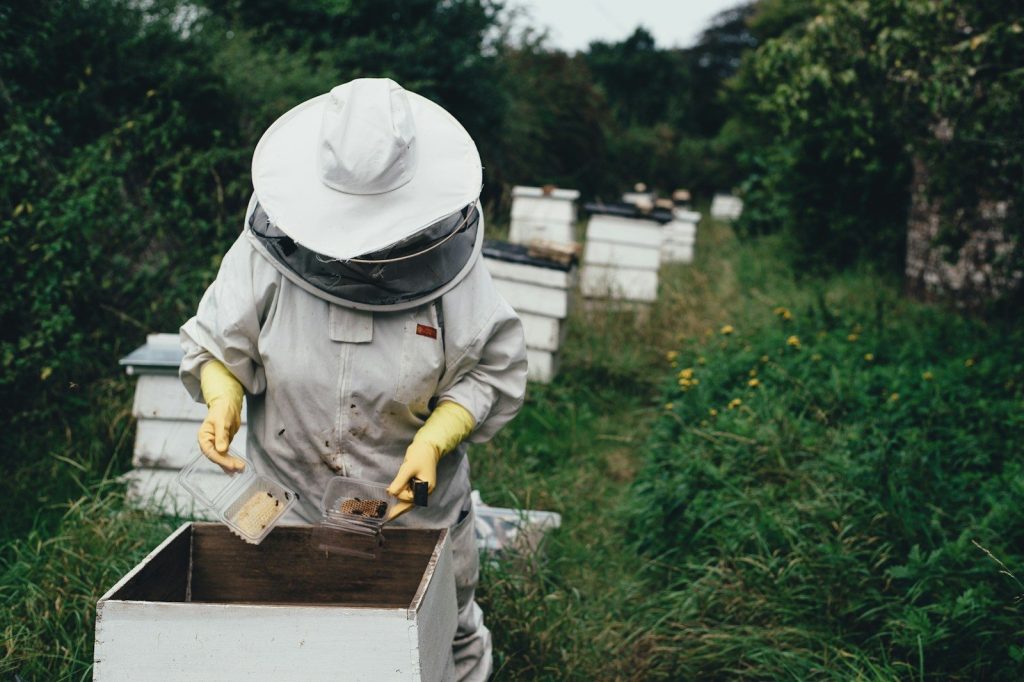
Disturbing a wild hive can lead to unpredictable swarming behavior and multiple stings. In forest environments, escape routes are limited, increasing risk.
Even experienced beekeepers approach wild colonies with extreme caution and protective equipment.
The Hidden Importance of Forest Bee Colonies
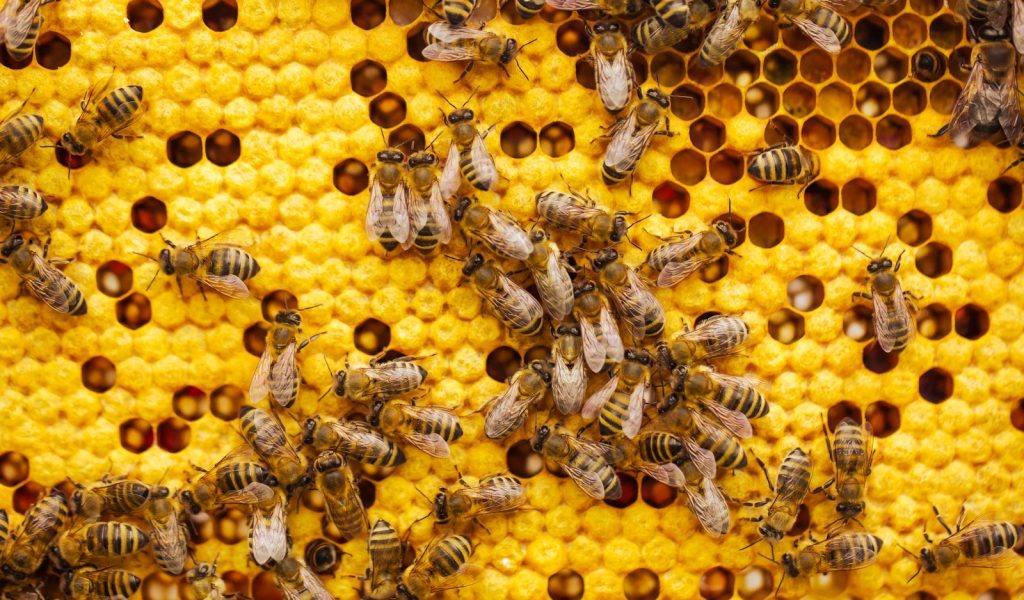
Despite their danger when disturbed, wild bee hives are essential to forest ecosystems. They pollinate plants, support biodiversity, and maintain ecological balance.
Understanding and respecting their role is key to coexisting safely with one of nature’s most important insect societies.