Finding a wild honey bee colony in the forest is not a matter of luck, it’s a slow, calculated process built on observation, patience, and reading subtle natural signals. Hive hunters don’t search randomly. They follow bees, decode their movement patterns, and gradually narrow down the exact location of a hidden hive that may be deep in trees, cliffs, or dense brush.
Each stage of the process matters, because losing visual contact even for a few seconds can reset the entire search.
Spotting Bee Flight Paths in Open Terrain

The process usually begins in flower-rich areas where bees are actively foraging. Hive hunters carefully watch individual bees as they leave blossoms and take off into the air.
Instead of random wandering, bees often fly in consistent directions once they collect nectar. This creates an invisible “route” that can guide hunters toward the general direction of the hive.
Following Bees From Flower to Return Direction
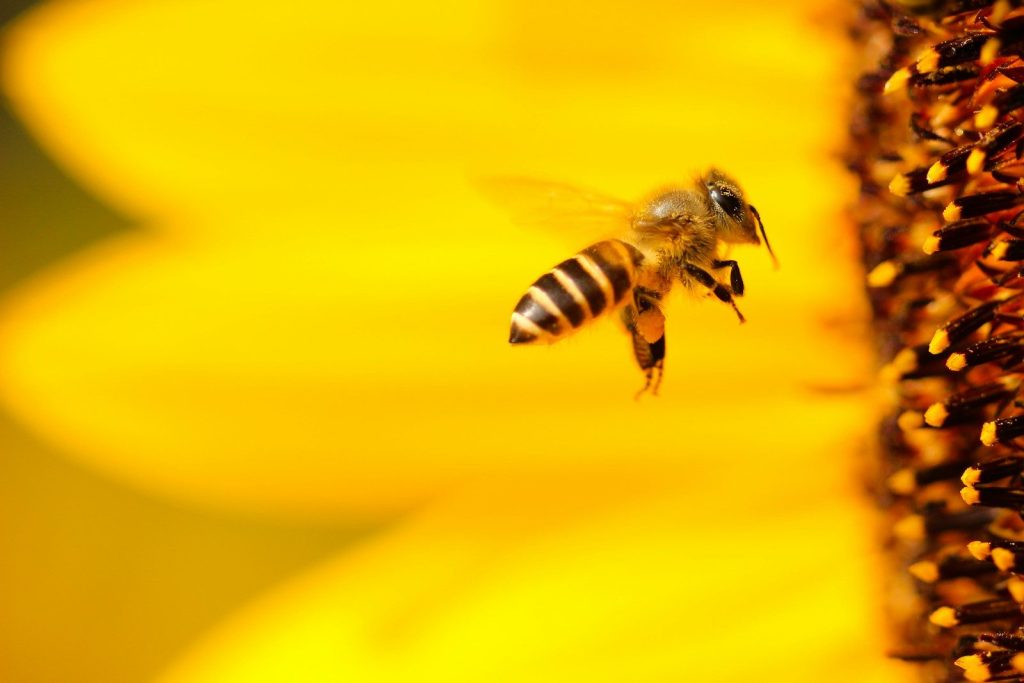
Once a bee is identified, the tracker focuses on where it goes after feeding. The goal is not just to see it land on flowers, but to observe its return flight.
By tracking repeated cycles of feeding and returning, hunters begin to identify a consistent direction that leads away from the food source and toward the colony.
Reading Bee Traffic Flow Like a Map
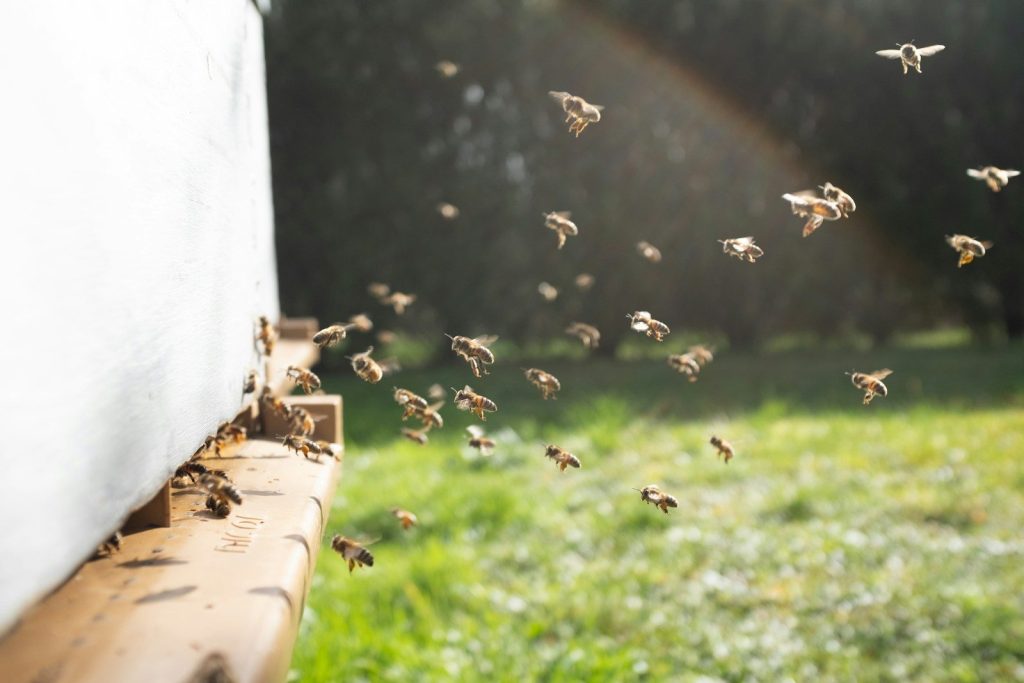
As more bees are observed, patterns begin to form. Some areas show heavier return traffic, while others show only scattered movement.
High-density bee movement usually indicates that the hive is closer in that direction. This “traffic flow” becomes one of the strongest clues in narrowing the search zone.
Using Natural Landmarks for Direction Tracking
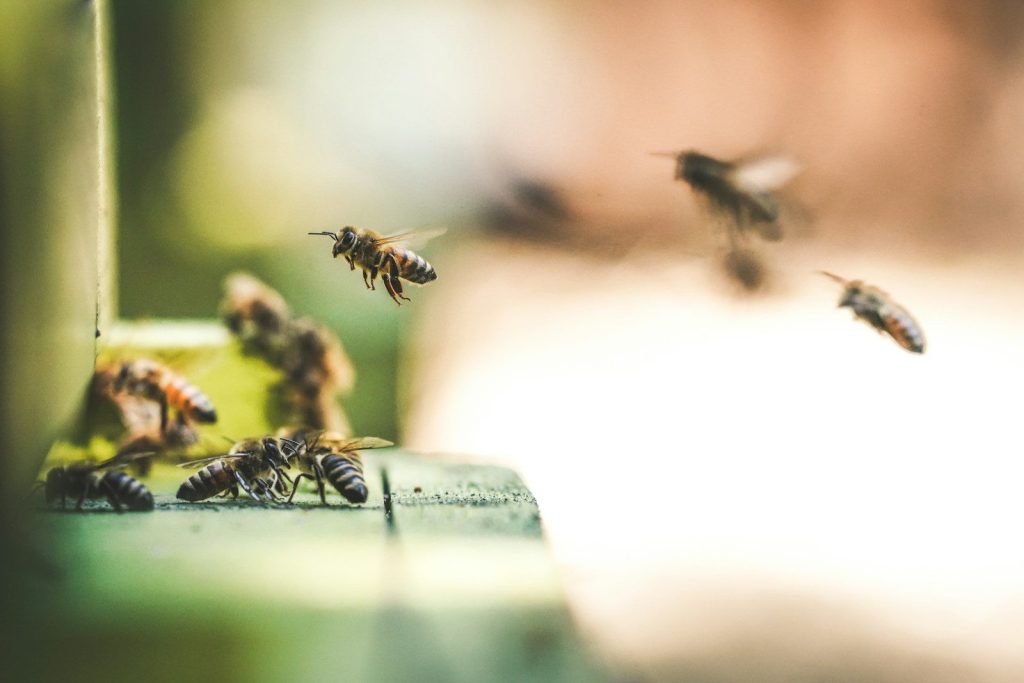
Bees often follow environmental structures such as ridgelines, tree lines, river edges, and wind corridors. Hive hunters use these landmarks to interpret flight behavior.
By connecting bee movement with terrain features, it becomes easier to predict where the colony might be hidden within a larger landscape.
Timing Bee Activity for Better Accuracy

Bee movement changes throughout the day depending on temperature and sunlight. Midday typically shows peak activity when foraging is strongest.
Hunters observe when bees become more active or when their return frequency increases, helping confirm the direction of the hive over time.
Narrowing the Search Through Slow Tracking

Hive hunting is a slow elimination process. Once a general direction is established, hunters move carefully through the terrain, repeatedly stopping to observe bee behavior.
Quick movement can disrupt the pattern or cause bees to disappear from sight, so patience becomes essential.
Locating the Hidden Hive Entrance
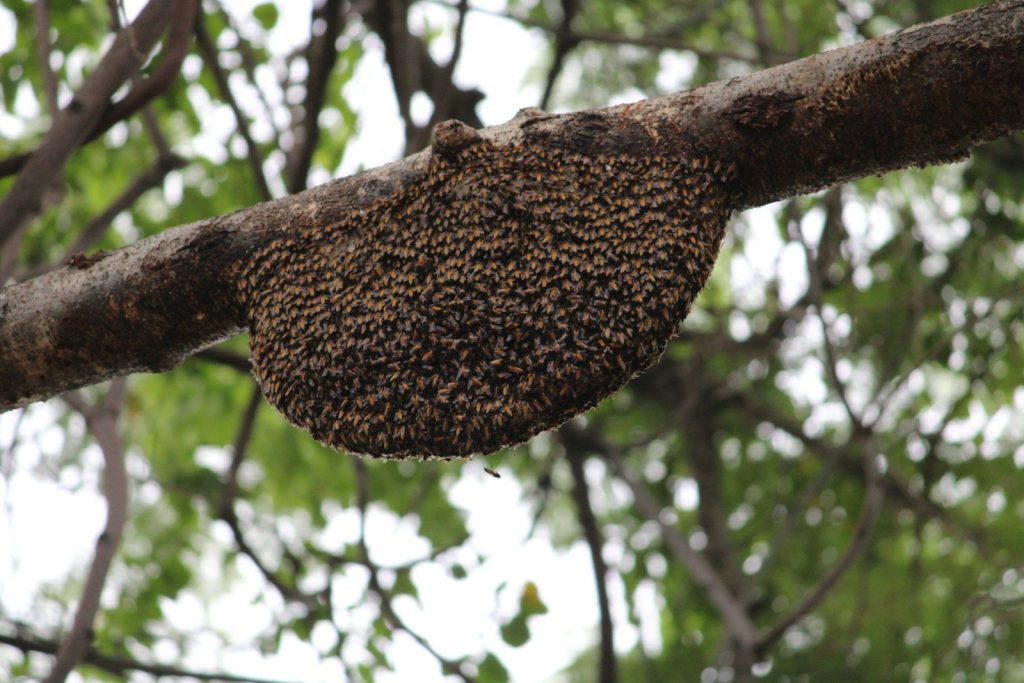
The final stage involves closing in on a specific structure, often a hollow tree, rock crevice, or hidden cavity. At this point, bees can be seen consistently entering and exiting the same point.
This confirms the hive’s exact location, marking the end of a long tracking process that relies entirely on observation, timing, and deep awareness of natural movement patterns.