Skip to content

Recent Posts

  • Why a Wild Lynx May Tolerate a Nearby Camera
  • Eight of North America’s Most Imperiled Animals
  • What to Do When a Rattlesnake Enters Your Yard
  • The Reality of Hunting Giant Crabs for Survival
  • How Zebras Defend Their Foals From Lions

Most Used Categories

  • Nature & Wildlife (740)
  • Risk (75)
  • Human Interest (54)
  • Survival (27)
  • Bees/Swarms fear (27)
  • Exotic Animals (26)
  • Hunting (25)
  • Suspense (20)
  • Adventure (3)
  • Gears (2)
Skip to content
  • About Us
  • Contact Us
  • Disclaimer
  • Privacy Policy
  • Terms & Conditions

Hive Hunters Tales

  • Suspense
  • Nature & Wildlife
  • Human Interest
  • Hunting
  • Bees/Swarms fear
  • Exotic Animals
  • Risk
  • Survival
  • Adventure
  • Gears
  • Home
  • Nature & Wildlife
  • When Darkness Falls: Earth’s Most Beautiful Nocturnal Animals
gray owl perching on wooden branch during daytime

When Darkness Falls: Earth’s Most Beautiful Nocturnal Animals

JakeJune 27, 2026June 27, 2026

Many animals are active at night, using darkness to hunt, hide, or avoid predators. These nocturnal species have evolved extraordinary adaptations such as enhanced vision, silent movement, and unique patterns that make them both mysterious and visually striking.

Although they are rarely seen in daylight, many nocturnal animals are among the most fascinating and beautiful creatures on Earth.

Snow Leopard
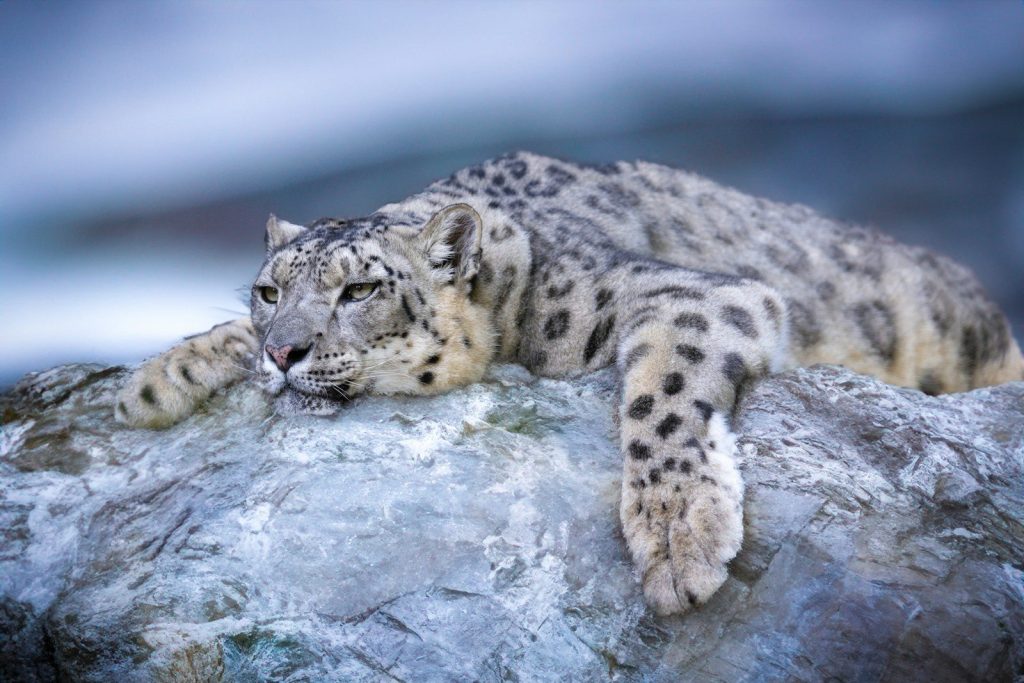
a snow leopard laying on top of a rock
Photo by Rapha Wilde on Unsplash

The snow leopard is a rare big cat known for its thick fur and stunning spotted coat. It is perfectly adapted to cold, mountainous regions.

Its camouflage allows it to blend into rocky terrain while hunting at night or during low light. Despite its powerful build, it is extremely elusive and rarely seen in the wild.

Owl
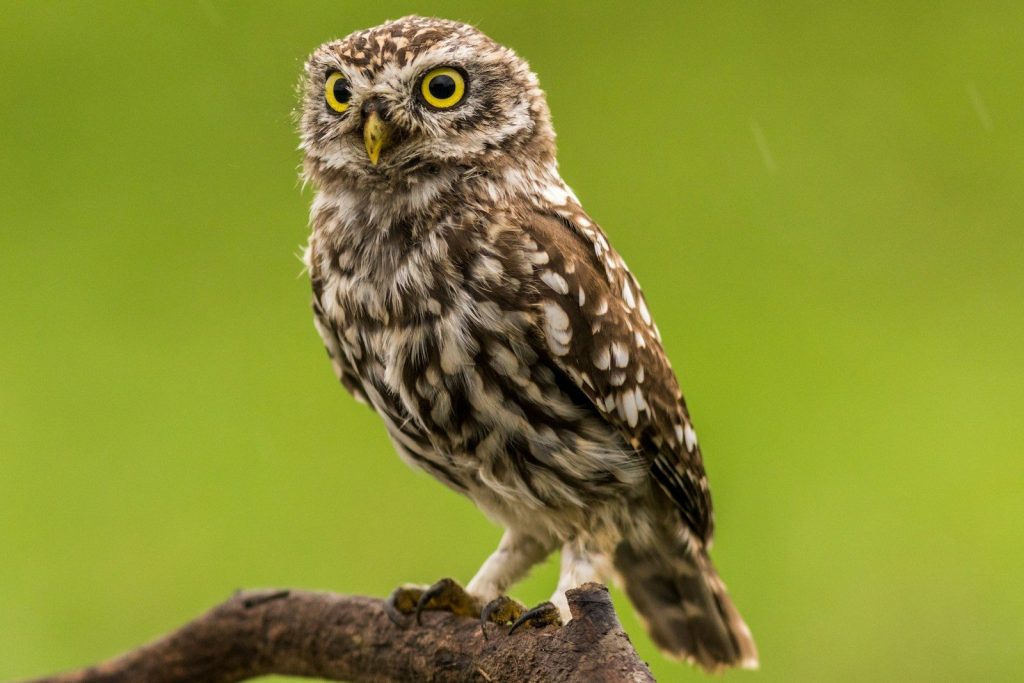
brown and white owl
Photo by Zdeněk Macháček on Unsplash

Owls are iconic nocturnal birds known for their silent flight and large forward-facing eyes. Their feather structure allows them to move almost silently through the air.

They rely on exceptional hearing and night vision to hunt small animals. Their calm, ghost-like presence makes them one of the most recognizable night hunters.

Red Fox
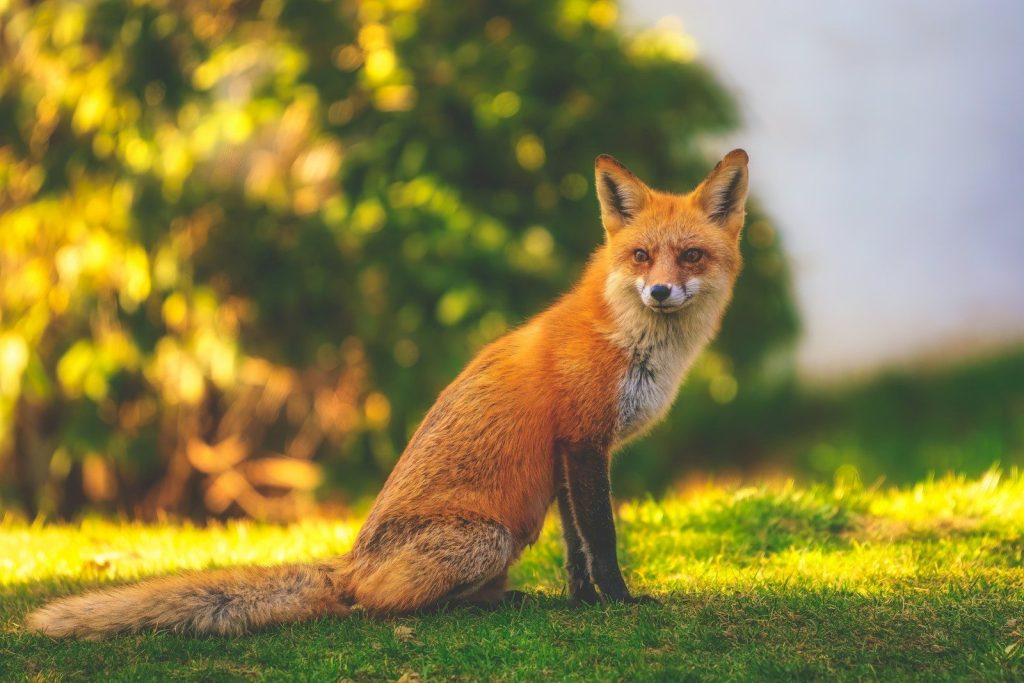
brown fox on green grass during daytime
Photo by Charles Jackson on Unsplash

The red fox is a highly adaptable nocturnal mammal found across many regions. Its reddish coat and bushy tail make it visually striking even at night.

Foxes use stealth and intelligence to hunt small prey in darkness. They often thrive near human settlements while remaining mostly active after sunset.

Aye-Aye
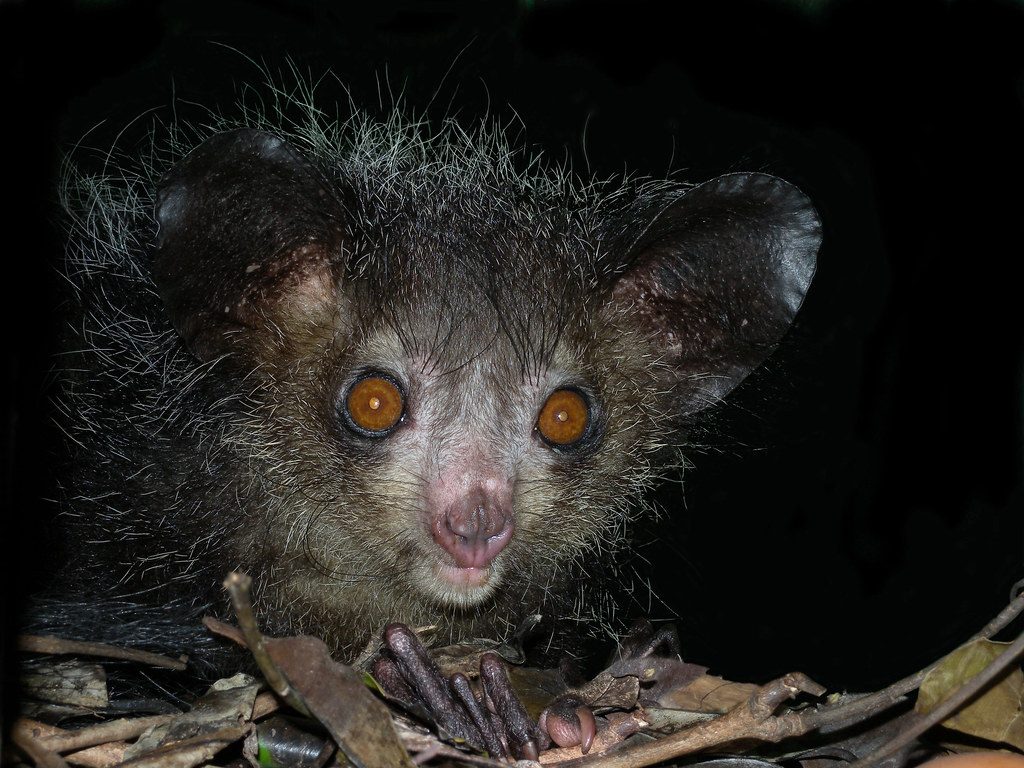
“Aye-aye (Daubentonia madagascariensis), Tsimbazaza Zoo, Madagascar” by Frank.Vassen is licensed under CC BY 2.0

The aye-aye is a nocturnal lemur with a very unusual appearance and behavior. It uses its long finger to tap on wood and locate insects.

Its strange look has led to myths in some cultures, but it plays an important ecological role in forests. It is one of the most unique nocturnal primates.

Bat
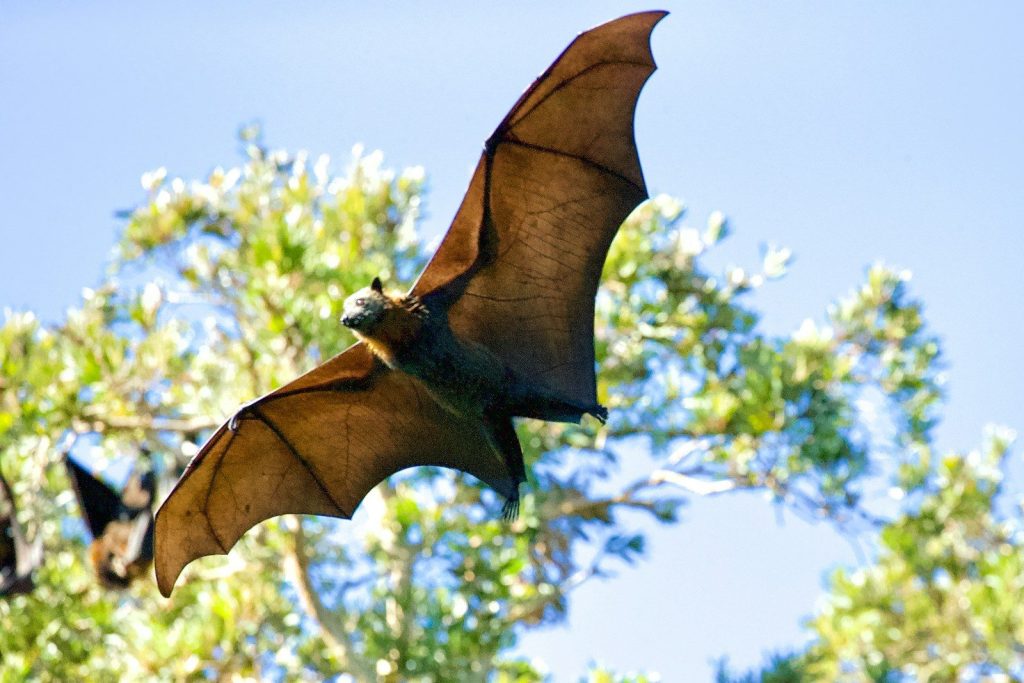
a large bat flying over a forest filled with trees
Photo by James Wainscoat on Unsplash

Bats are the only mammals capable of sustained flight and are highly active at night. Many species use echolocation to navigate and hunt insects.

Despite their reputation, most bats are harmless and beneficial to ecosystems. They help control insect populations and pollinate plants.

Ocelot
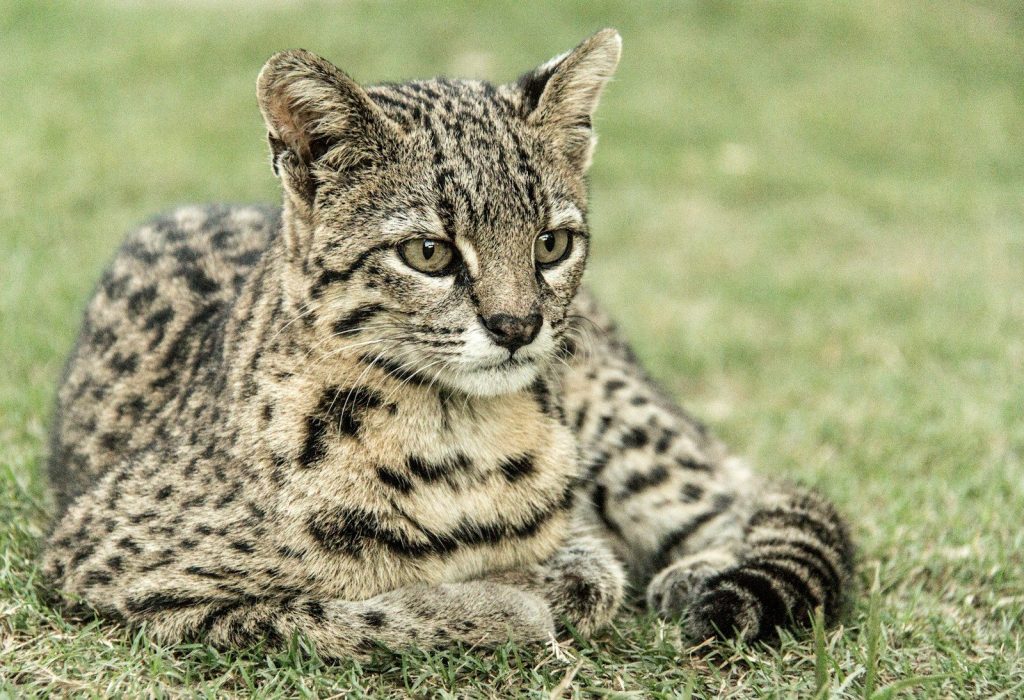
brown and black leopard lying on green grass during daytime
Photo by Edwin Harvey on Unsplash

The ocelot is a small wild cat with a beautifully patterned coat. It is mostly active at night, hunting rodents and small animals.

Its spotted fur provides excellent camouflage in dense forests. This makes it a skilled and stealthy nocturnal predator.
Post navigation

Previous: Orphaned Grizzly Bear Cubs Find a New Home After Difficult Start in the Wild
Next: Into the Wild: The Most Dangerous Jungles on Earth

Related Posts

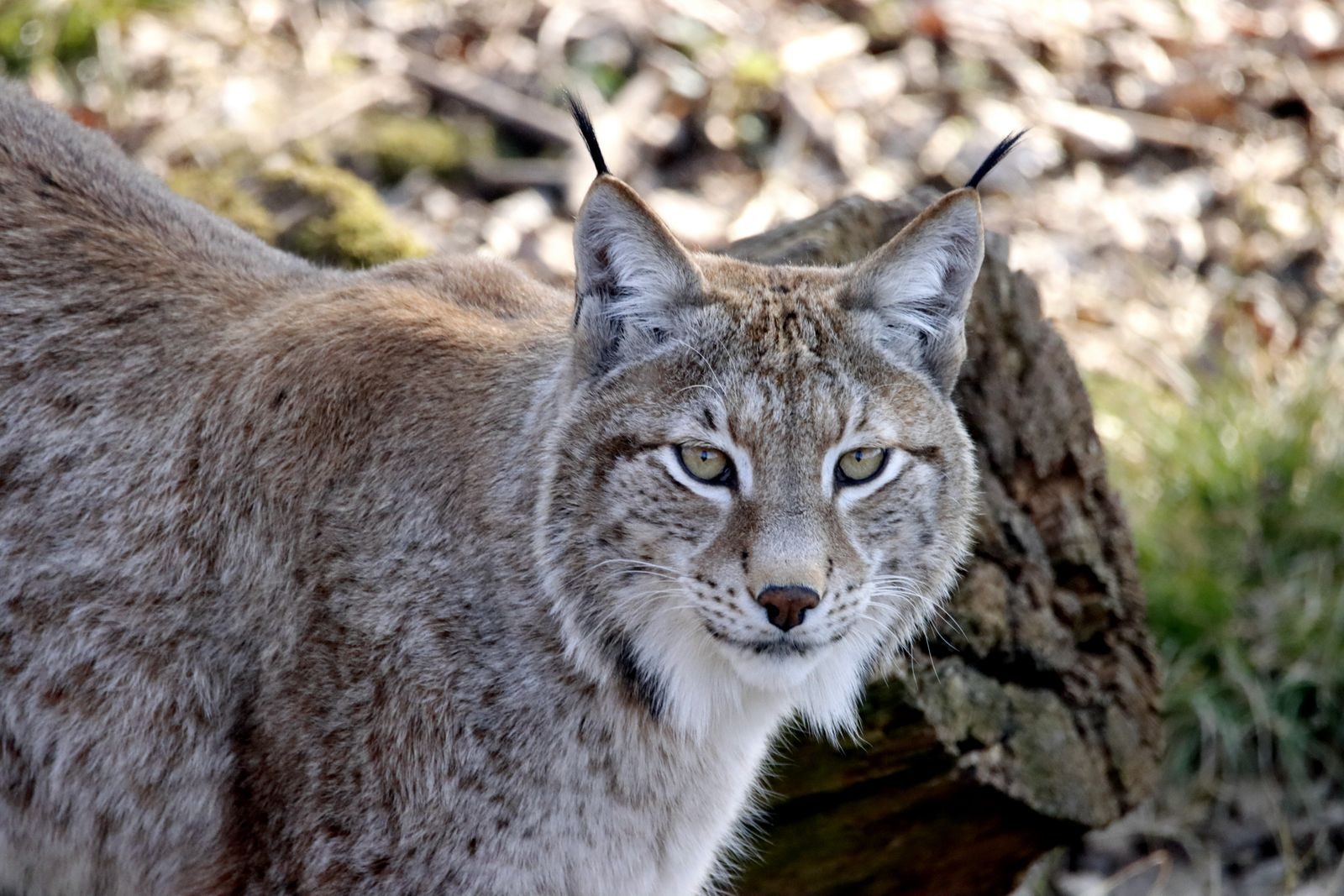
Detailed close-up of a Canada lynx showcasing its alert gaze and distinctive features.

Why a Wild Lynx May Tolerate a Nearby Camera

August 14, 2026August 14, 2026 Jake
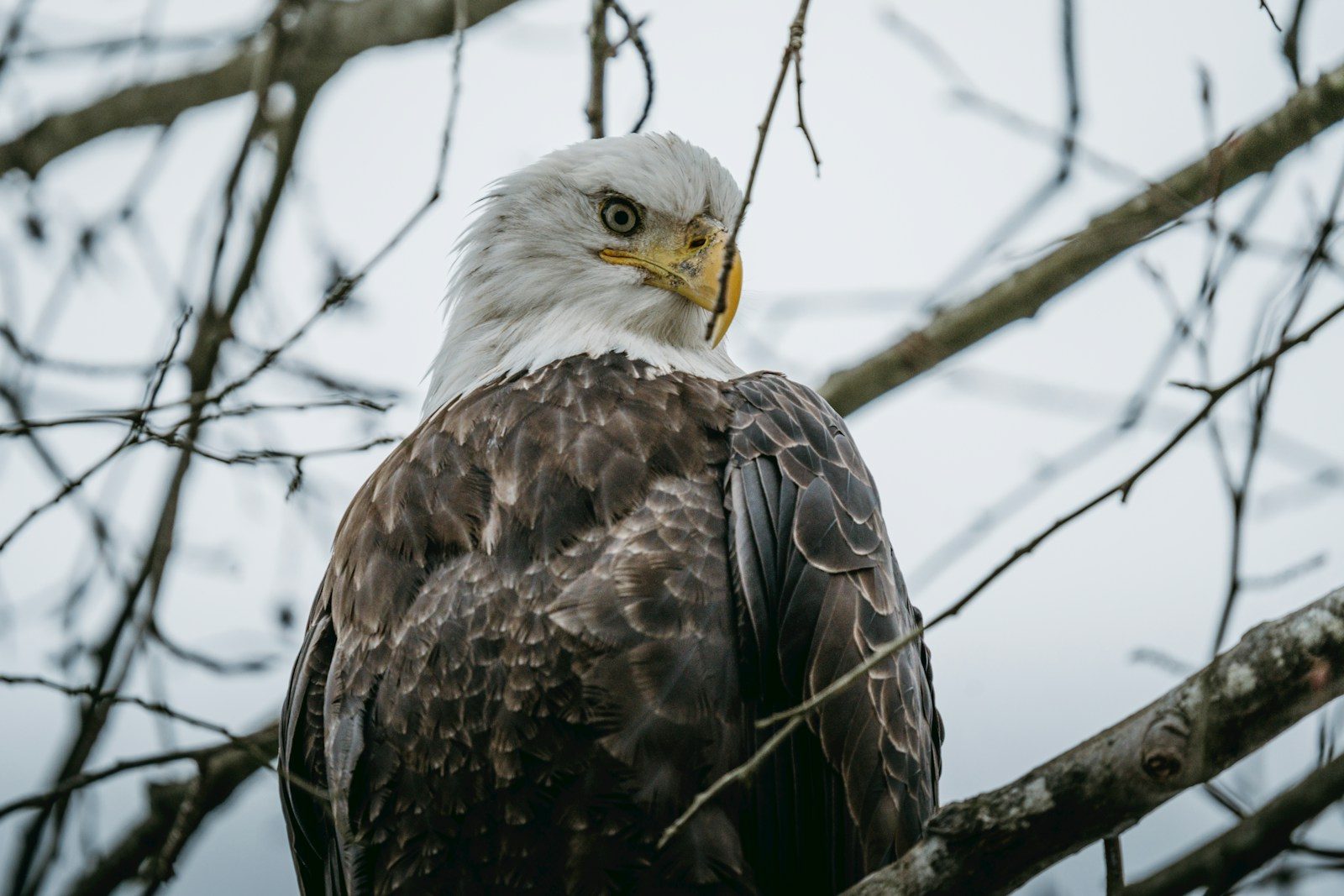
A bald eagle perched on a bare tree branch.

Eight of North America’s Most Imperiled Animals

August 14, 2026August 14, 2026 Jake
A detailed close-up of a zebra among a group of zebras in their natural habitat.

How Zebras Defend Their Foals From Lions

August 14, 2026August 13, 2026 Jake

Leave a Reply Cancel reply

Your email address will not be published. Required fields are marked *

Recent Posts

  • Why a Wild Lynx May Tolerate a Nearby Camera
  • Eight of North America’s Most Imperiled Animals
  • What to Do When a Rattlesnake Enters Your Yard
  • The Reality of Hunting Giant Crabs for Survival
  • How Zebras Defend Their Foals From Lions
Copyright All Rights Reserved | Theme: BlockWP by Candid Themes.