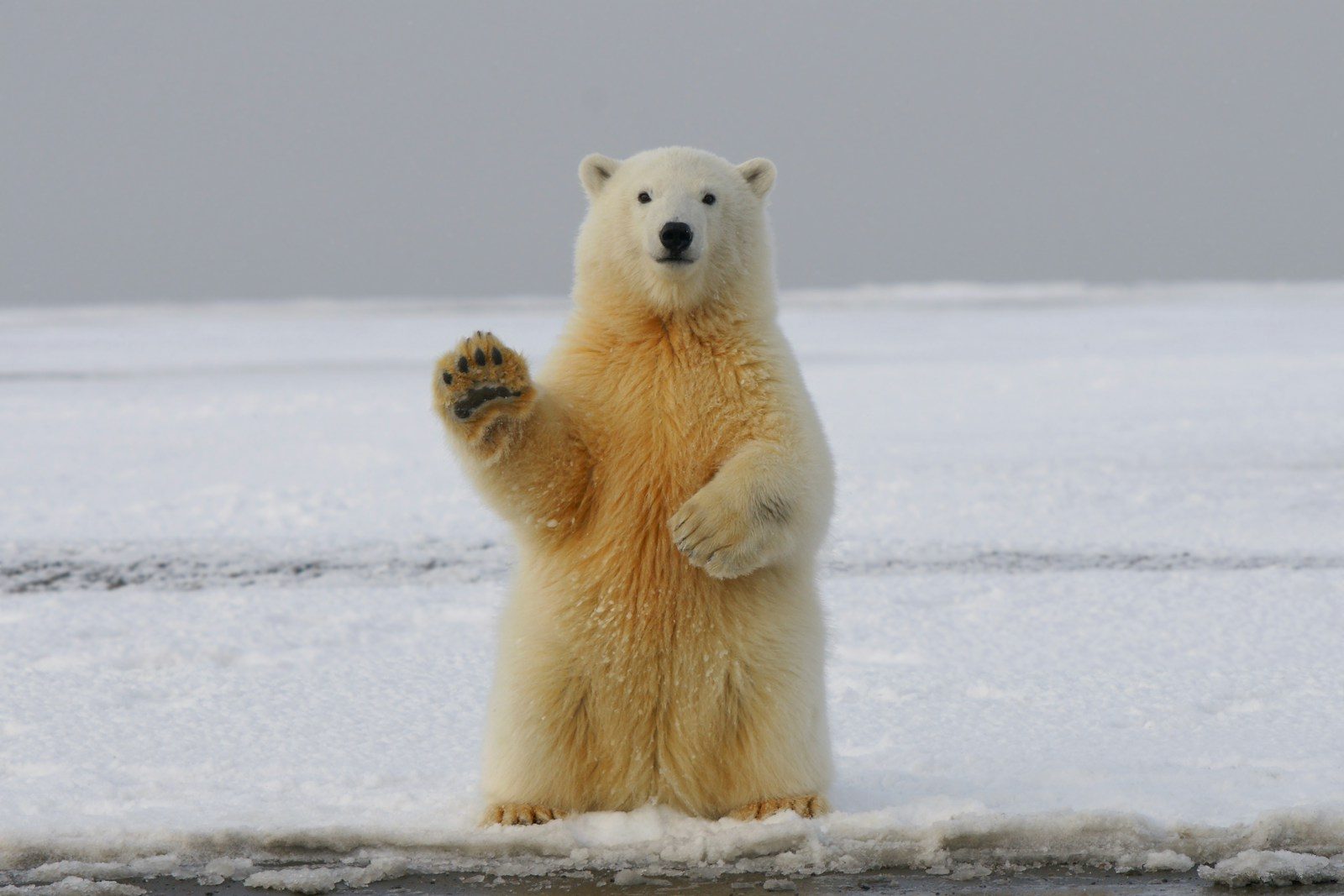
The exact footage implied by this title cannot be independently authenticated from the title alone. Polar bears attacking people is nevertheless a documented phenomenon, and unusually food-stressed bears deserve particular caution.
Such attacks remain uncommon. A major range-wide study documented 73 wild polar bear attacks from 1870 through 2014, resulting in 20 deaths and 63 injuries.
Polar Bear Diet

Polar bears are marine predators whose primary food is seals. Sea ice provides the platform from which they gain access to this calorie-rich prey, making ice conditions closely connected to feeding opportunities.
Humans are not their normal principal food. That does not mean a hungry polar bear can be treated like a black or grizzly bear. Parks Canada warns that polar bears are active predators capable of investigating people and, under some circumstances, considering a person as potential prey.
Human Attacks Are Rare
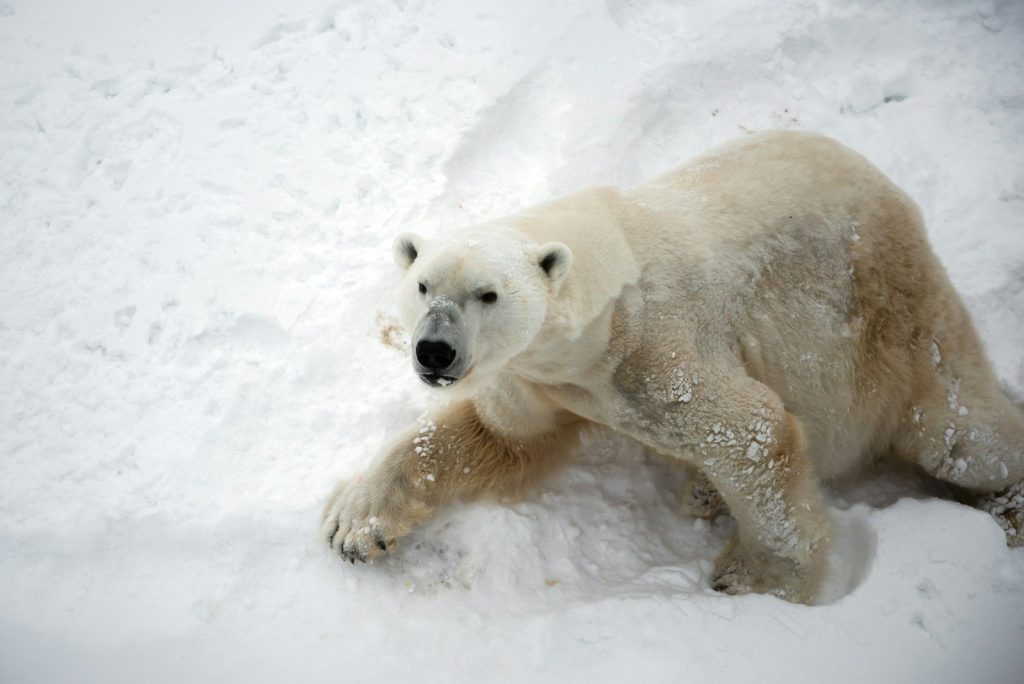
Researchers examining records from all five polar bear range states found 73 documented attacks during the 145 years between 1870 and 2014. Those incidents produced 20 human fatalities and 63 injuries.
That historical record shows two things simultaneously: a polar bear attack can be extremely serious, but such events are uncommon compared with the number of people living, working, and traveling across Arctic regions. Risk should therefore be taken seriously without portraying every bear that appears near people as an active human hunter.
Food-Stressed Adult Males

The range-wide attack study identified nutritionally stressed adult males as the polar bears most likely to threaten human safety. Attacks by adult females were comparatively rare and were mainly associated with defense of cubs.
Researchers also judged most recorded attacks to have involved predatory behavior rather than purely defensive encounters. Hunger therefore matters when assessing a bear deliberately approaching people, although body condition cannot always be judged safely or accurately by an untrained observer watching from a distance.
Purposeful Bear Approach

A polar bear moving steadily toward a person requires a different response from casually watching a distant bear traveling across the landscape. Arctic safety guidance warns that polar bears may investigate humans, camps, buildings, and food sources.
Body language can also be difficult to interpret. Parks Canada cautions that polar bears do not always provide obvious facial or postural signals revealing what they will do next. The absence of dramatic growling or charging therefore should never be interpreted as proof that a close approach is safe.
Food Attractants
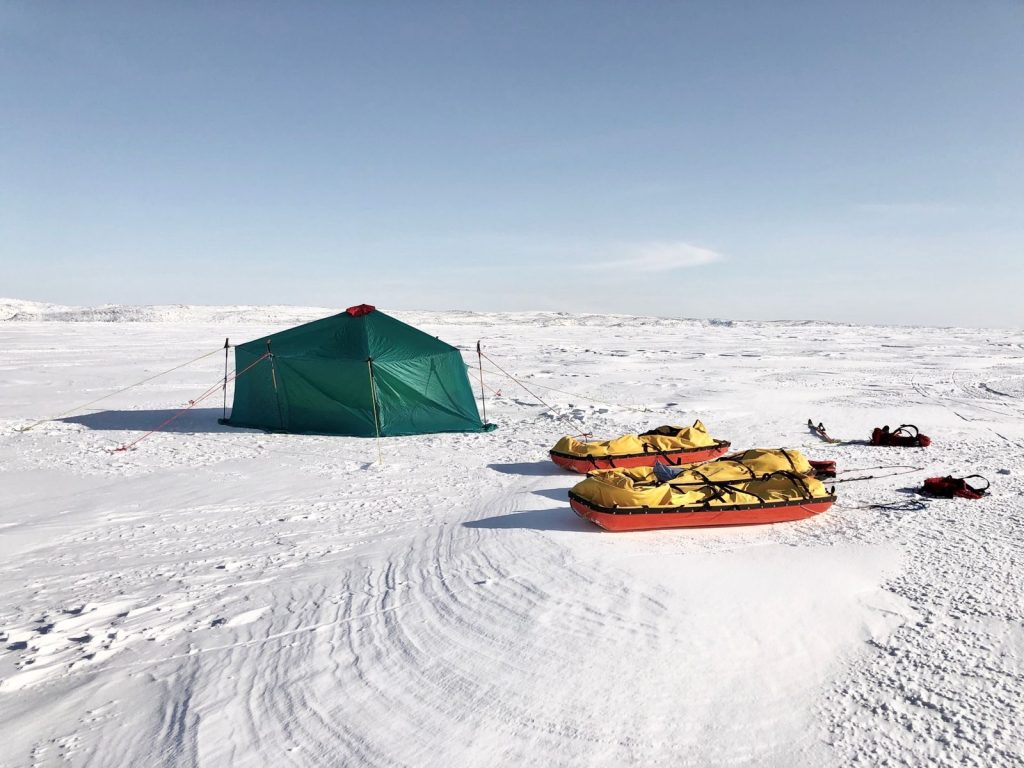
Human food can make an already dangerous situation worse. U.S. Fish and Wildlife Service guidance recommends minimizing strong smells and securely managing meat, fish, waste, pet food, and other potential attractants in polar bear country.
A bear that obtains food around people can learn that buildings or camps provide rewards, increasing future conflict. Keeping food inaccessible is therefore both a human-safety measure and a conservation tool, because repeatedly food-conditioned bears can become difficult for wildlife managers and Arctic communities to manage safely.
Traveling in Groups

Polar Bears International advises people in polar bear habitat to travel in groups where possible and avoid low-visibility conditions. Its safety guidance notes that attacks on groups of two or more people are less common than attacks involving individuals.
The organization also warns people not to run during an encounter and to stay together rather than scattering. These recommendations are intended for genuine polar bear country, where preparation should happen before an encounter rather than after a bear has already approached within dangerous distance.
Polar Bear Deterrents

Professional Arctic safety planning can include locally approved deterrents and training in how to use them. U.S. guidance emphasizes preparation, avoidance, attractant management, preventing surprise encounters, and carrying appropriate deterrents where legal and recommended.
No deterrent makes deliberately approaching polar bears safe. People visiting Arctic regions should follow the rules of local authorities, guides, parks, and communities because laws and suitable equipment vary by location. Prevention provides a much larger safety margin than testing whether a close bear can be frightened away.
Shrinking Sea Ice
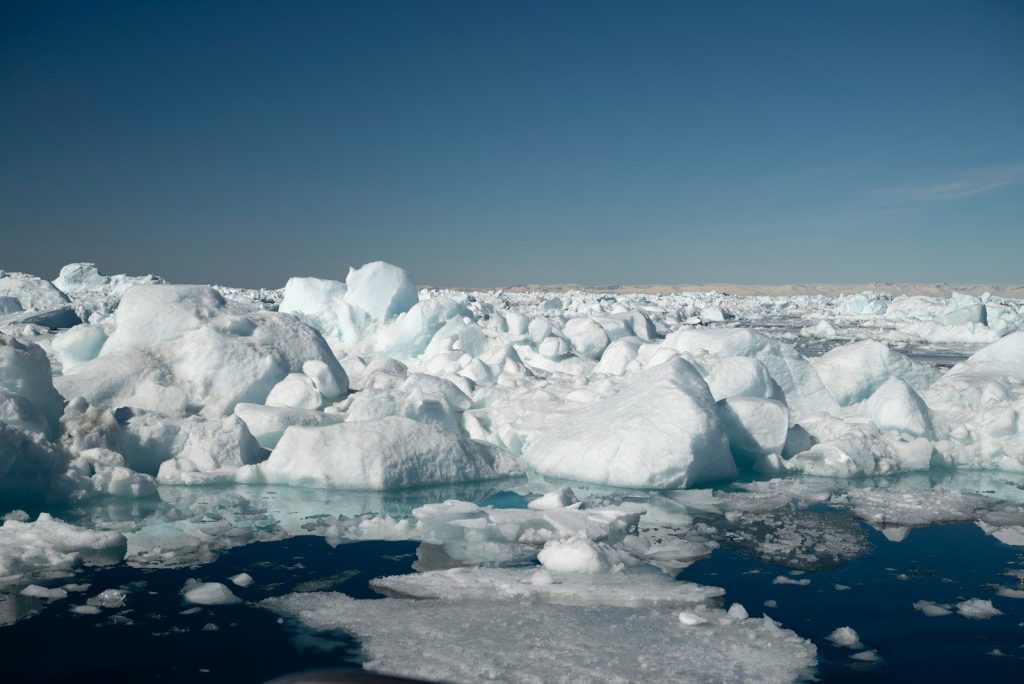
Loss of Arctic sea ice is increasing the amount of time some polar bears spend on land. USGS researchers warn that greater land use places bears near human activities for longer periods and can also extend periods when they lack access to seals.
This does not mean climate change makes every polar bear aggressive. It does increase opportunities for bears and people to meet in coastal areas. Reducing conflict therefore requires both climate-focused conservation and practical coexistence measures in communities where bears increasingly spend time ashore.
Featured Image: Photo by Hans-Jurgen Mager on Unsplash