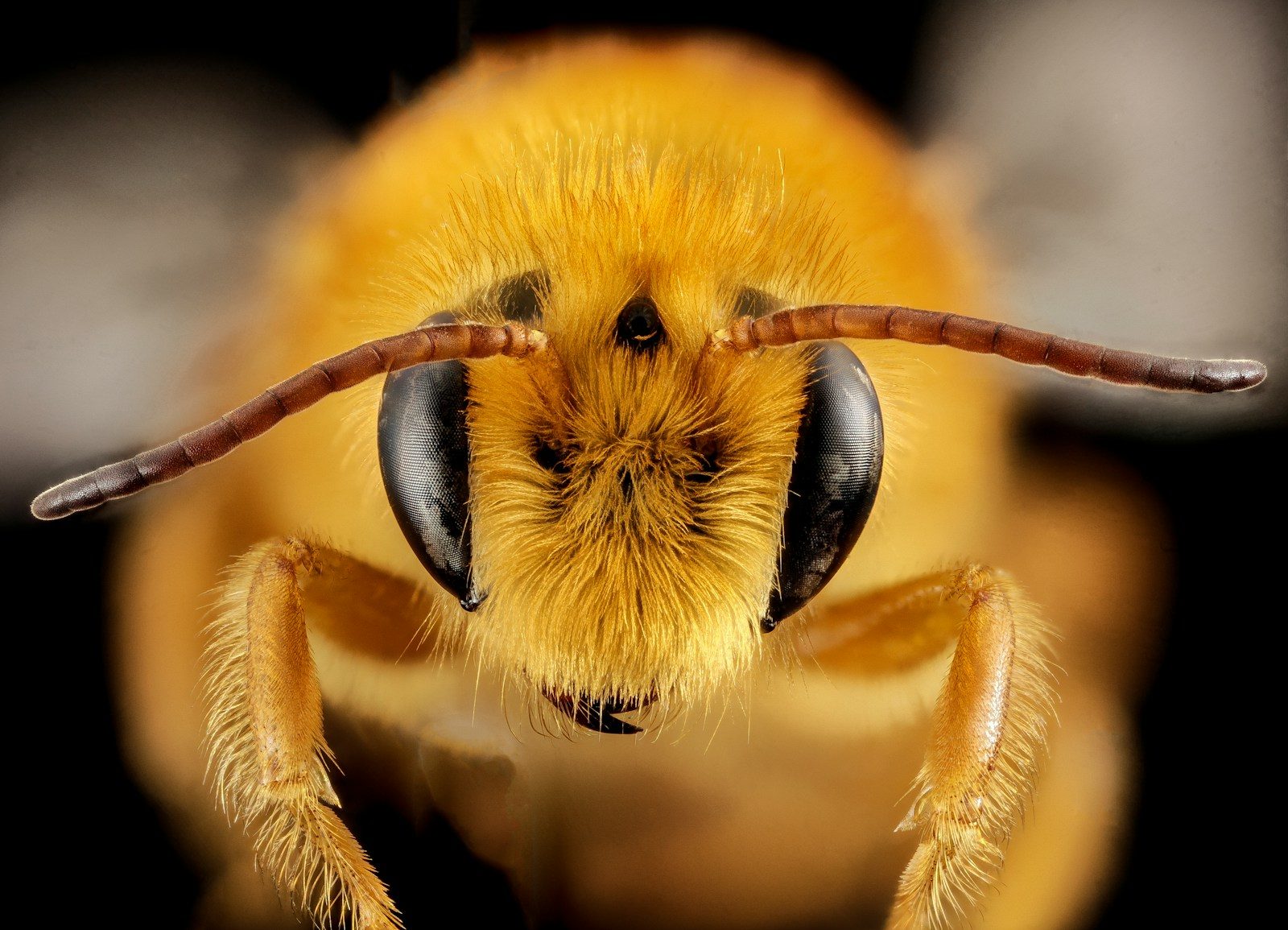
A 2026 study provided striking new evidence that bumblebees evaluate pleasant and unpleasant tastes in ways researchers can measure behaviorally. That is important, but it does not prove that bees consciously experience emotions exactly as humans do.
The scientists describe the findings as evidence for affective evaluation—observable responses associated with something being positively or negatively valued.
2026 Bumblebee Study

Researchers studied buff-tailed bumblebees, Bombus terrestris, to determine whether insects produce behavioral reactions comparable to the taste-related “liking” responses already studied in mammals.
The work, published in Proceedings of the National Academy of Sciences, focused on what happened after bees consumed rewarding or unpleasant liquids. Researchers were specifically trying to distinguish an animal evaluating a taste from the simpler possibility that its mouthparts were performing automatic movements associated with feeding.
Sweet Taste Response
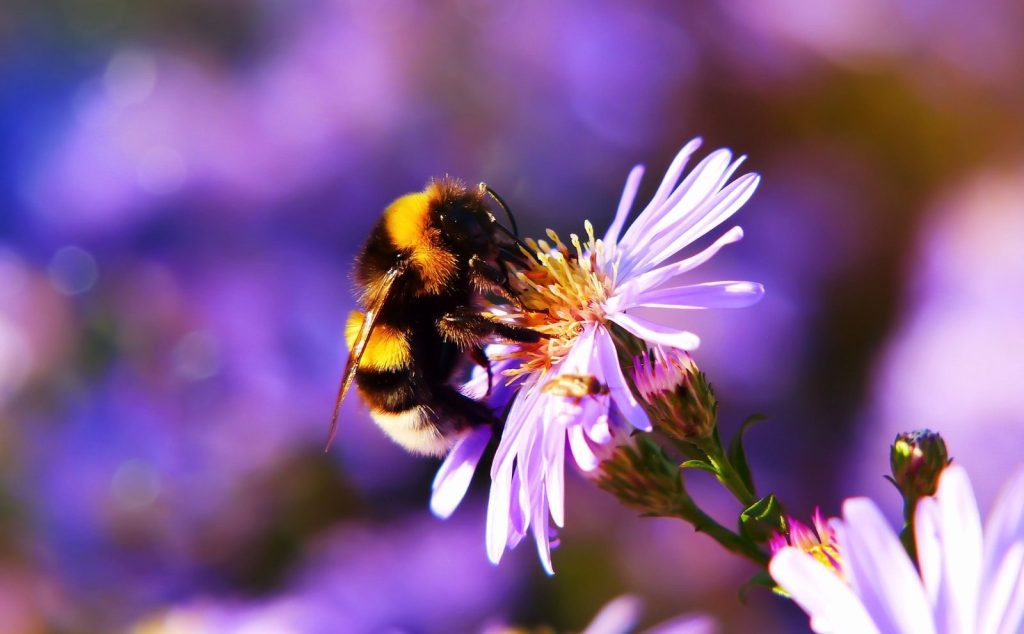
After consuming rewarding sugar solutions, bumblebees repeatedly extended their glossa—the insect structure commonly described as a tongue. These post-feeding protrusions occurred after consumption rather than simply while the bee was actively drinking.
Researchers compared the behavior with established “liking” reactions used to study taste evaluation in mammals. The similarity is functional rather than facial in a human sense: nobody observed bees smiling. Instead, scientists identified a repeatable physical response associated specifically with a rewarding food experience.
Bitter and Salty Tastes
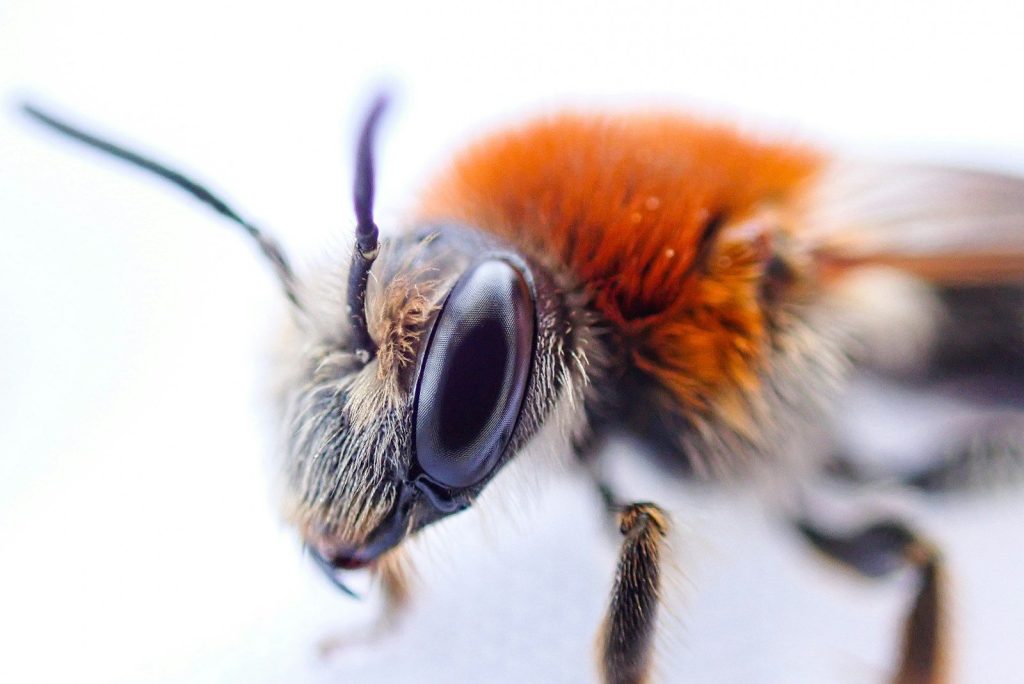
Unpleasant liquids produced very different behavior. Bees exposed to bitter or salty tastes were recorded shaking their heads and wiping around their mouths rather than repeatedly extending the glossa afterward.
This contrast was important because it showed that the insects did not respond identically to every substance they swallowed. Distinct reactions tracked whether the taste was rewarding or aversive, providing researchers with a potential behavioral window into how the bee’s nervous system evaluates experiences as positive or negative.
Liking Versus Wanting

Scientists distinguish “wanting” something from “liking” it. An animal can be motivated to obtain food because it is hungry, while the hedonic evaluation of the food after receiving it is a different biological process.
The 2026 experiments were designed to separate these possibilities. The authors concluded that postconsumption glossa protrusions were not simply ongoing feeding movements or ordinary dopamine-driven motivation. That makes them a candidate marker for affective evaluation rather than merely evidence that hungry bees seek sugar.
Anandamide Experiment

The researchers also tested anandamide, a compound involved in endocannabinoid signaling. Bees treated with it became more responsive to sugar and displayed more postconsumption glossa protrusions after receiving sugar water than control bees.
This result strengthened the comparison with reward-related processes studied in other animals. It did not demonstrate human-like pleasure directly, but it showed that the bee response could be influenced through a biological signaling pathway associated with reward processing, making a simple mechanical feeding explanation less convincing.
Positive Bee States
The 2026 results fit into a longer line of research. In 2016, scientists reported that an unexpected sugar reward produced dopamine-dependent changes in bumblebee behavior that were described as a positive emotion-like state.
Rewarded bees subsequently behaved differently in unrelated tests, suggesting that the effect extended beyond simply eating sugar. Researchers deliberately used the term emotion-like rather than claiming proof of conscious happiness. That careful wording remains important when interpreting modern studies of insect cognition and internal states.
Stressed Bumblebees

Research published in 2024 found another side of the picture. Bumblebees exposed to stressful experiences became less likely to interpret ambiguous cues as predicting high rewards, a behavioral shift researchers described as a pessimistic judgment bias.
That pattern resembles tests used to investigate affective states in other animals. The authors still cautioned that scientists cannot know whether a bee subjectively “feels” stress like a human does. What can be measured is a consistent change in decision-making following an adverse experience.
Do Bees Have Feelings?
The strongest scientific answer remains more cautious than either “yes” or “no.” Bees show sophisticated learning, reward-related state changes, stress-related judgment biases, and now distinct taste reactions consistent with affective evaluation.
None of those experiments lets researchers enter a bee’s subjective experience. They do make the old picture of insects as simple stimulus-response machines increasingly difficult to defend. The emerging evidence supports studying bee inner states seriously without automatically equating those states with human emotions or consciousness.