
Recent images of dogs in the Chernobyl Exclusion Zone appearing with bright blue fur sparked confusion and speculation online. Many wondered whether radiation or long-term environmental exposure had caused a dramatic genetic or physical change in the animals. However, the real explanation turned out to be far more ordinary—and surprisingly relatable.
Life for Dogs in Chernobyl

The Chernobyl Exclusion Zone in Ukraine is home to hundreds of stray dogs, many of them descendants of pets left behind after the 1986 nuclear disaster. Over time, these animals have adapted to life in the restricted area, surviving in a harsh environment while scientists study their genetics and behavior.
Organizations such as Clean Futures Fund and the group Dogs of Chernobyl work to vaccinate, sterilize, and monitor these stray populations.
Why Scientists Study These Dogs

Researchers have long been interested in the Chernobyl dog population because of their unique environment. Living near a site of extreme radiation exposure has made them valuable for studying genetics, adaptation, and long-term biological effects.
Some studies have suggested subtle genetic differences compared to other Eastern European dog populations, though scientists caution that these changes are not necessarily caused directly by radiation exposure.
The Viral Blue Dog Mystery
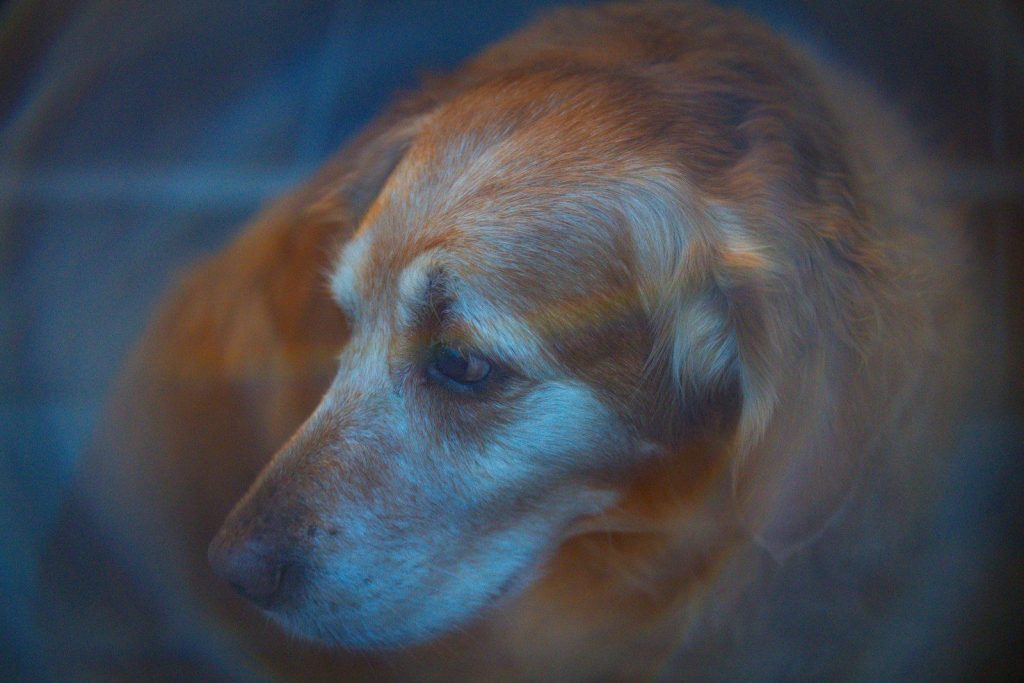
When videos surfaced showing several dogs with unusual blue fur, social media quickly reacted with concern. Some people speculated that radiation had caused a visible mutation or environmental contamination had altered their appearance.
The images spread rapidly, turning the dogs into a global mystery.
The Simple Explanation Behind the Blue Fur

Despite dramatic theories, the truth was much simpler. The dogs had most likely rolled in a leaking portable toilet chemical or industrial dye, which temporarily stained their fur blue.
According to rescue workers on the ground, the animals were otherwise healthy and active, showing no signs of illness or distress.
“Dogs Will Be Dogs”

While the situation initially caused alarm, it ultimately highlighted something familiar to dog owners everywhere: dogs love to roll in strange and often unpleasant substances.
Even in one of the most studied and unusual environments on Earth, these animals still behave in very ordinary, dog-like ways.
A Reminder Behind the Headlines
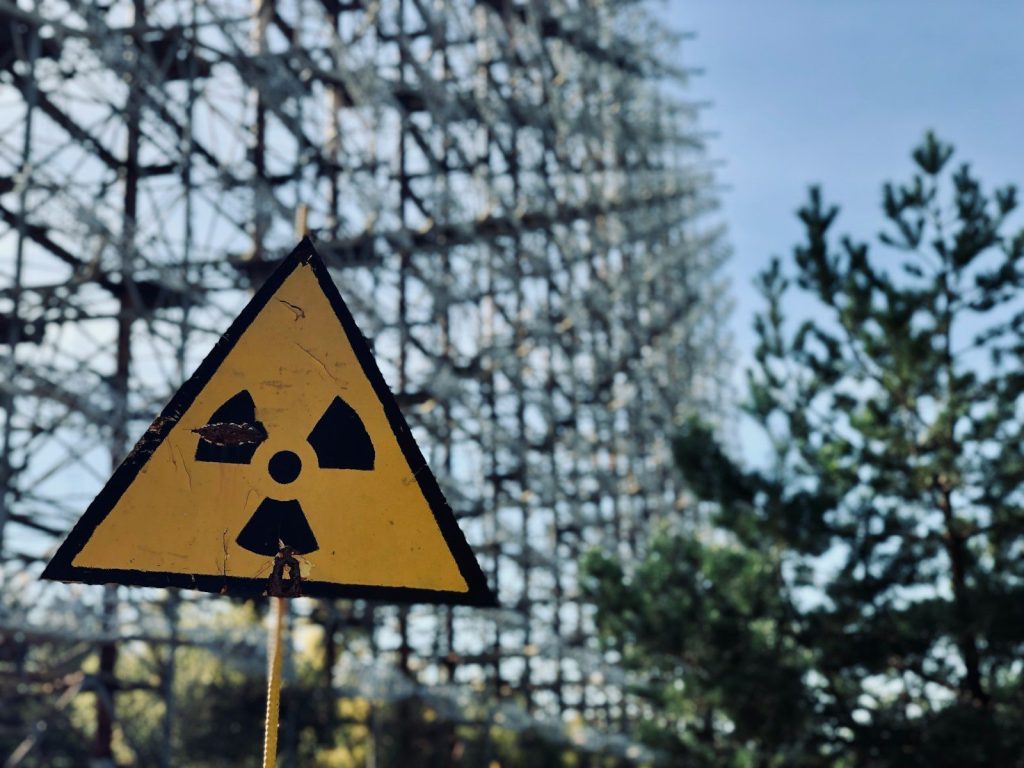
The blue dogs of Chernobyl became a viral sensation, but the story serves as a reminder not to jump to extreme conclusions based on images alone. In reality, the explanation was far less dramatic than radiation mutation—but still a fascinating glimpse into life inside the Chernobyl Exclusion Zone.