Deep in the grasslands of South America lives one of the most unusual predators on Earth. It is often called a “wolf,” but it looks far more like a fox standing on stilts than a true wolf. Despite its gentle appearance, it is a skilled hunter with sharp instincts and surprising adaptability.
This animal is the maned wolf, a species so unique that scientists place it in its own genus. It is not a true wolf or fox but a distinct canid that evolved separately from both. Its strange mix of beauty and power makes it one of the most fascinating predators in the wild.
A Body Built for the Grasslands
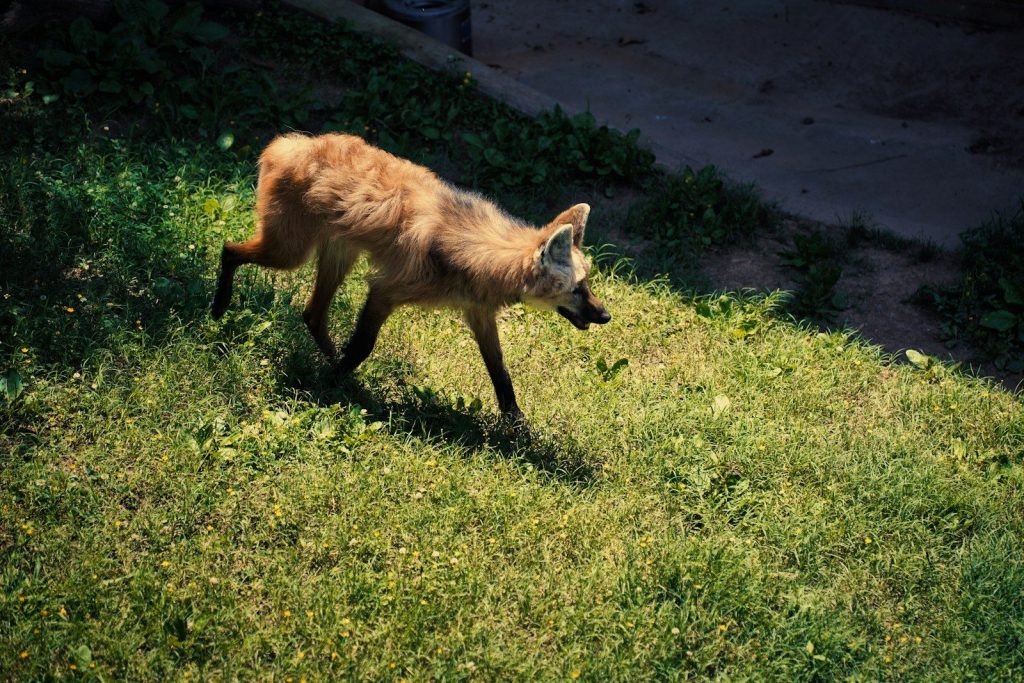
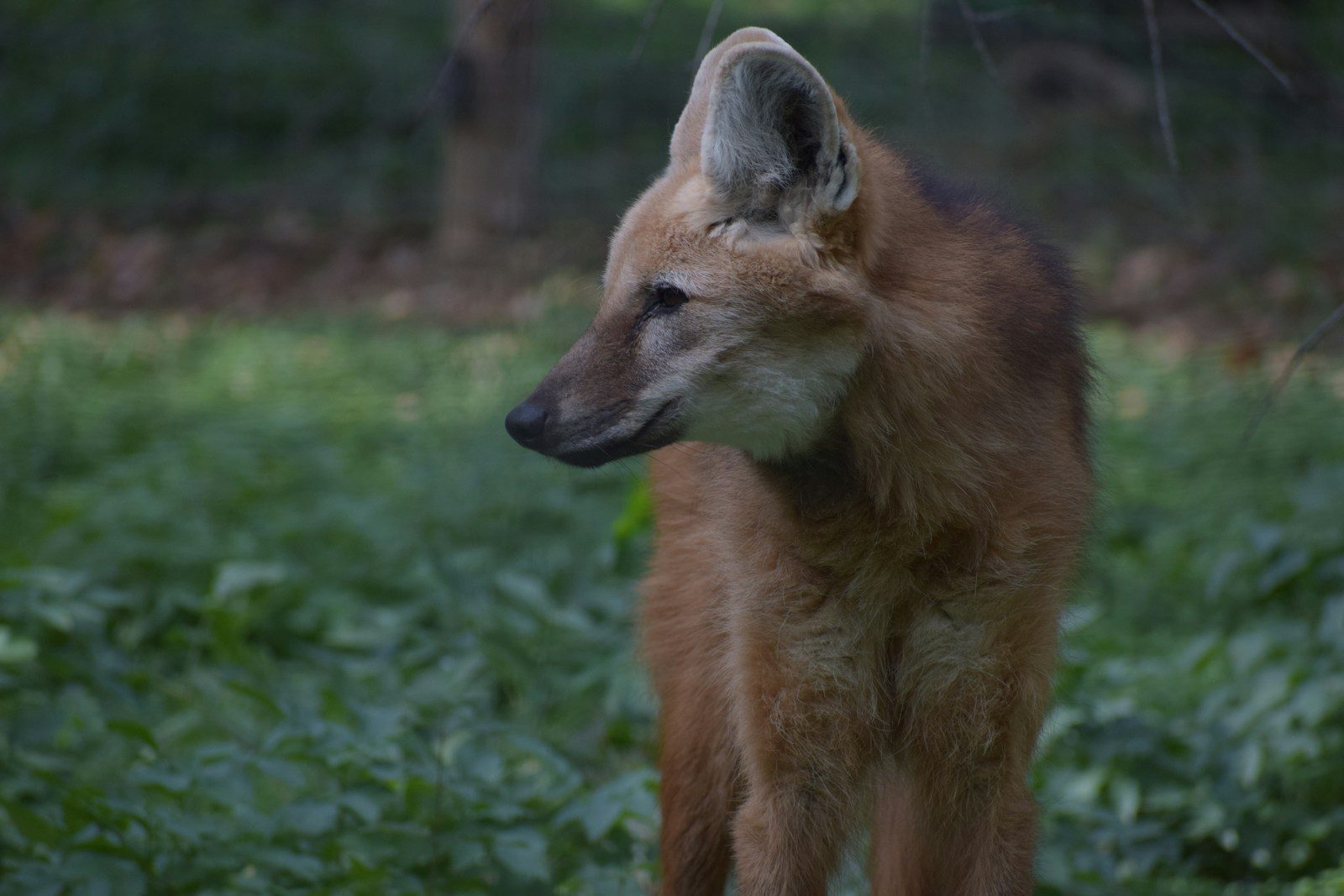
The maned wolf is instantly recognizable because of its extremely long legs and reddish coat. These long limbs are not just for looks but help it see over tall grass in open habitats like savannas and wetlands. It is the tallest wild canid in the world, standing about one meter at the shoulder.
Its tall frame gives it a “fox on stilts” appearance that often confuses observers. Unlike wolves that evolved for endurance running in packs, this species is designed for scanning and stalking prey in open landscapes. Its body shape is a direct adaptation to life in dense grasslands.
Not a Wolf and Not a Fox
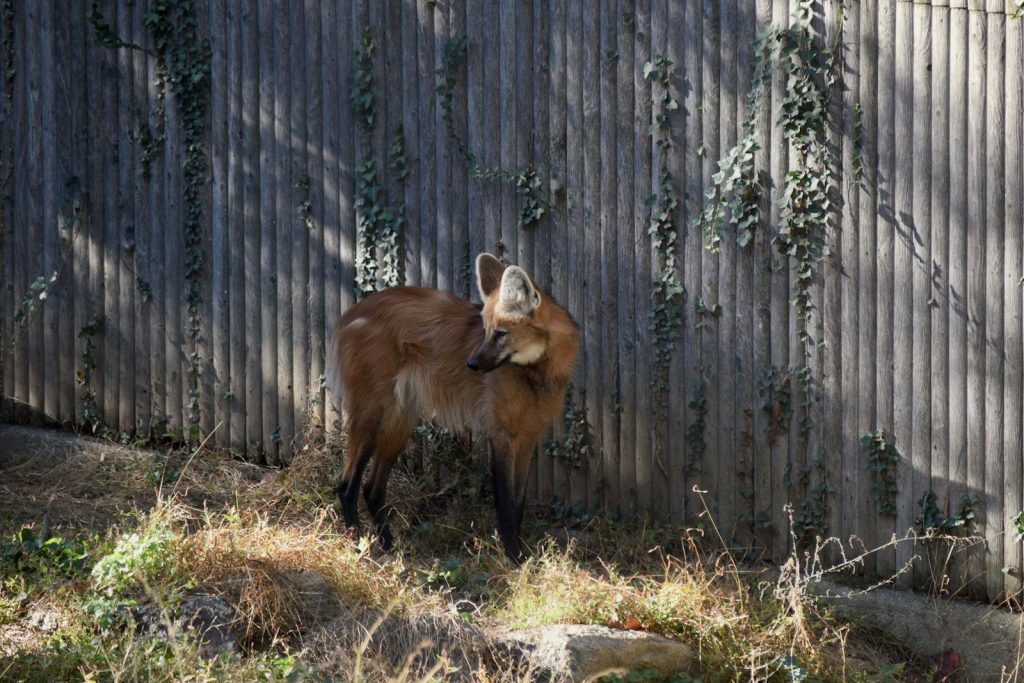
Although its name suggests otherwise, the maned wolf is not closely related to either wolves or foxes. It belongs to its own evolutionary branch and is the only species in its genus, Chrysocyon.
This makes it one of the most evolutionarily distinct canids in the world. Its fox-like face and wolf-like size are the result of convergent evolution, where unrelated species develop similar traits in similar environments. Scientists confirm it is a separate lineage from true wolves, foxes, and coyotes.
A Solitary and Silent Hunter
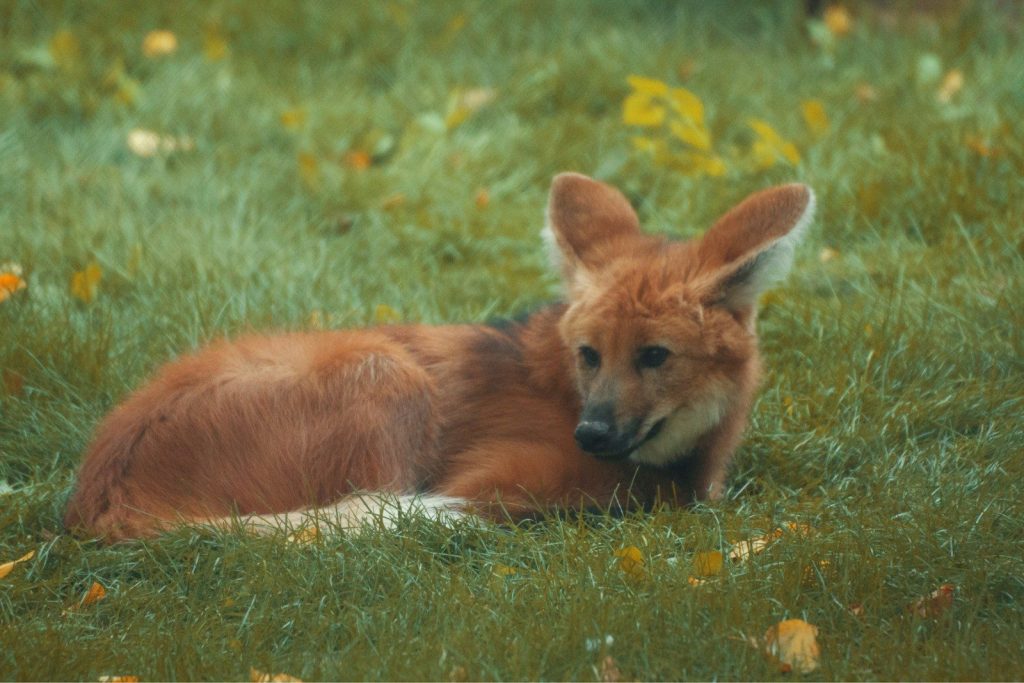
Unlike pack-hunting wolves, maned wolves live and hunt alone. They rely on stealth, patience, and sharp senses rather than cooperation. Their diet includes small mammals, birds, reptiles, insects, and fruit, making them highly adaptable omnivores.
This flexible feeding behavior helps them survive in habitats where prey availability changes. Instead of chasing large animals, they quietly stalk and ambush smaller targets. Their hunting style is energy-efficient and well-suited to open grasslands.
The Surprising Role of Fruit in Its Diet
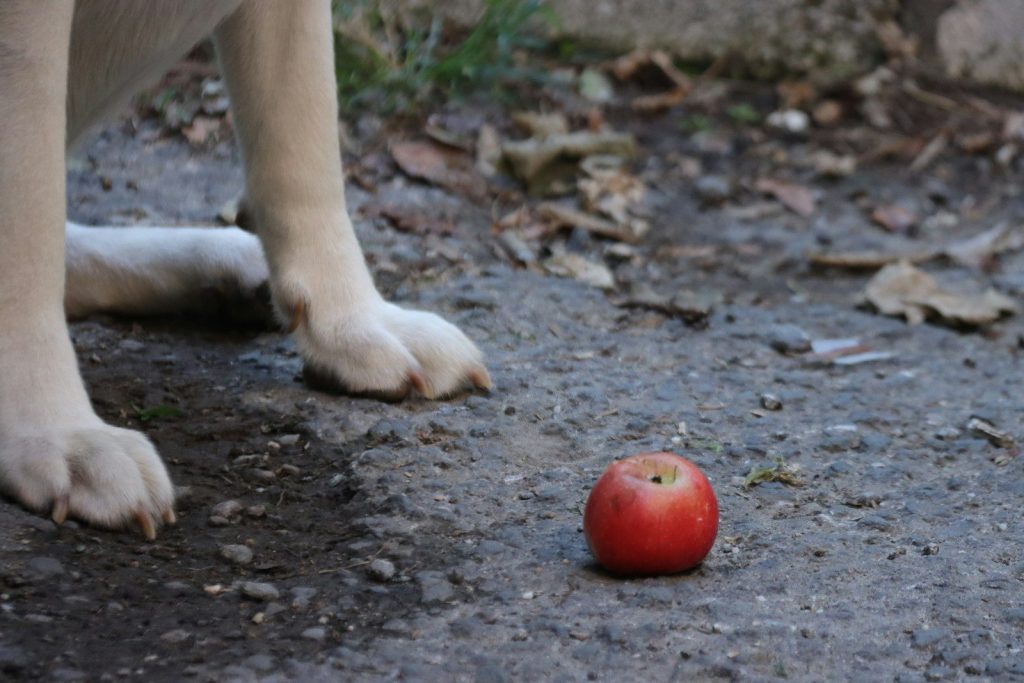
One of the most unusual traits of the maned wolf is its strong reliance on fruit. A significant portion of its diet comes from plants, especially a fruit commonly called the “wolf apple.”
This dietary habit sets it apart from most other canids, which are mainly carnivorous. By eating fruit, the maned wolf also helps spread seeds across its territory. This makes it an important contributor to the health of its ecosystem.
Behavior That Keeps It Elusive
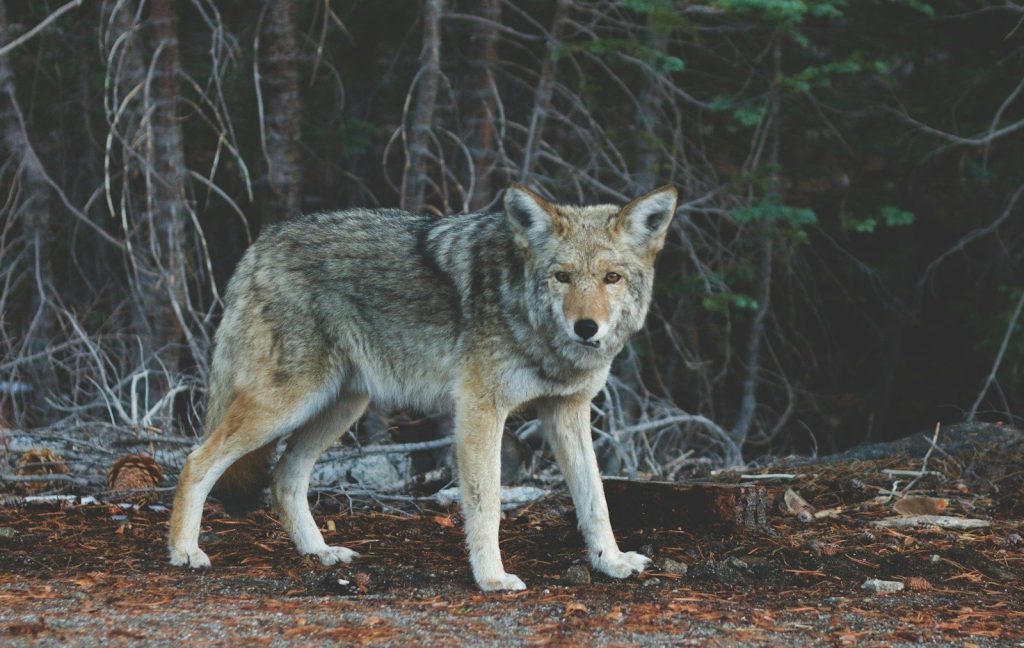
Maned wolves are shy and avoid humans whenever possible. They are mostly active during dawn and dusk, which makes them difficult to observe in the wild. Their solitary behavior further reduces chances of encounters.
Because of this, most people only learn about them through documentaries or wildlife centers. When they are seen, their unusual height and fox-like appearance leave a strong impression. Their secretive nature helps them survive in open habitats with few places to hide.
Conservation and the Future of the Species
Maned wolves are not currently classified as globally endangered, but they face growing threats. Habitat loss from agriculture and road development continues to shrink their natural range.
Conservation efforts focus on protecting grassland ecosystems where they live. These efforts also benefit many other species that share the same habitat. Preserving their environment is key to ensuring this unique predator continues to thrive in the wild.