Dinosaurs did not disappear completely. Birds evolved from small feathered theropod dinosaurs, meaning every living bird belongs to the dinosaur family tree.
Crocodilians are close dinosaur relatives rather than living dinosaurs. The clearest surviving dinosaur features are therefore found in chickens, eagles, ostriches, penguins, and thousands of other modern bird species.
Feathers
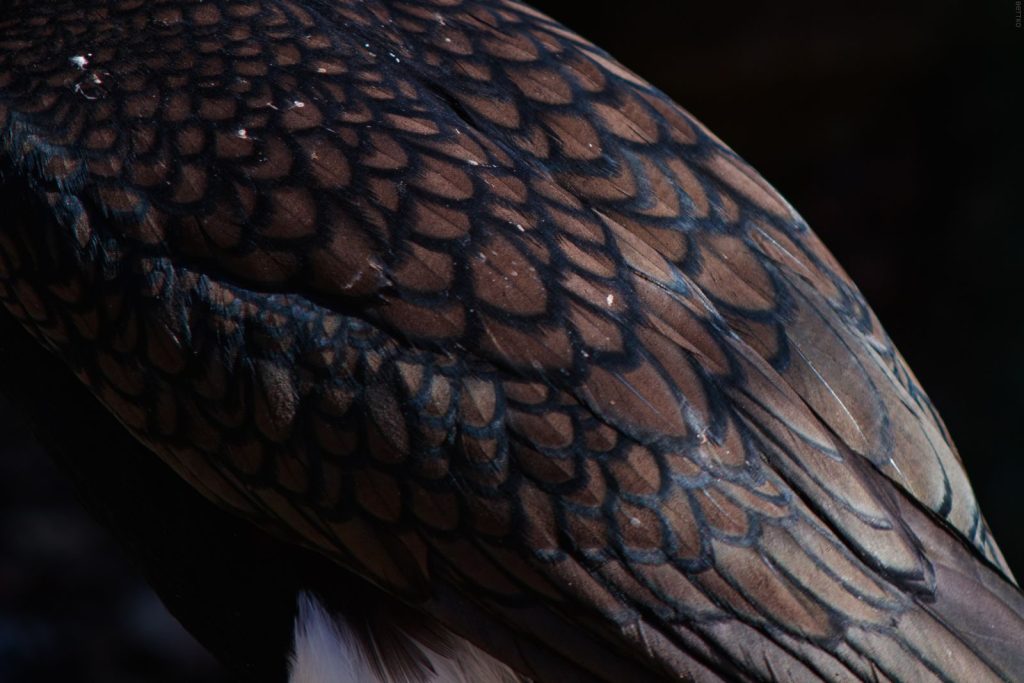
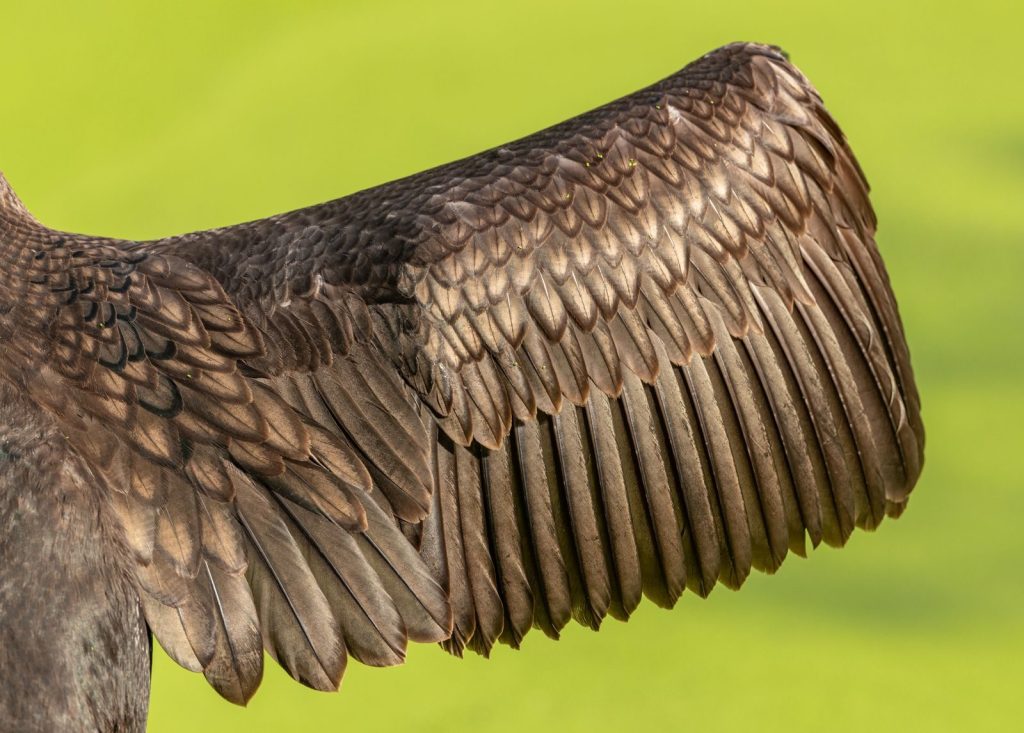
Feathers evolved among dinosaurs before the appearance of modern birds. Fossils show simple fuzzy coverings as well as complex flight feathers. They probably first served insulation, display, camouflage, or egg protection before some dinosaur lineages adapted them for powered flight.
Wishbones

The wishbone, or furcula, is formed from two fused collarbones. It acts like a spring during bird flight, but fossil wishbones have also been found in non-avian theropod dinosaurs, including relatives of Tyrannosaurus rex. Its presence helped establish the close connection between birds and dinosaurs.
Hollow Bones
Many theropod dinosaurs had hollow, air-filled bones similar to those of birds. Hollow bones reduce weight without necessarily making the skeleton weak. The feature appeared before flight and was connected to a complex respiratory system that later helped birds meet the high energy demands of flying.
Air-Sac Breathing
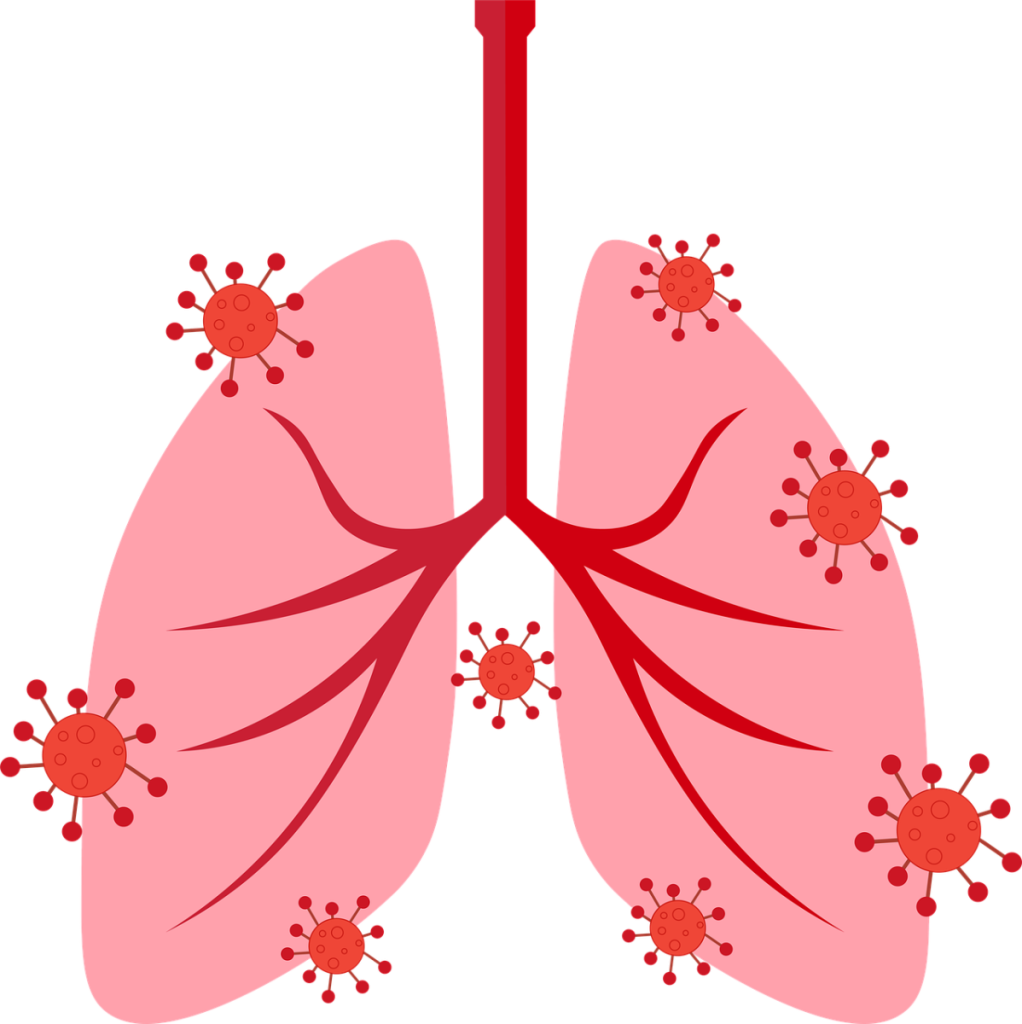
Bird lungs are connected to air sacs that move air through the respiratory system efficiently. Fossil evidence indicates that many dinosaurs possessed similar air spaces in their vertebrae and other bones. This suggests that bird-like breathing systems were already developing among dinosaur ancestors.
Three-Toed Feet

Many theropod dinosaurs walked on three main forward-pointing toes. The same basic arrangement remains visible in birds ranging from chickens to ostriches. Bird legs have changed greatly through evolution, but their bones and joints preserve clear evidence of their dinosaur ancestry.
Flexible Wrists

Small theropod dinosaurs developed wrists that could fold their hands inward. In birds, a related joint movement allows the wings to fold neatly beside the body. Fossil wrist bones helped scientists understand how grasping dinosaur forelimbs gradually developed into wings.
Eggs and Nests
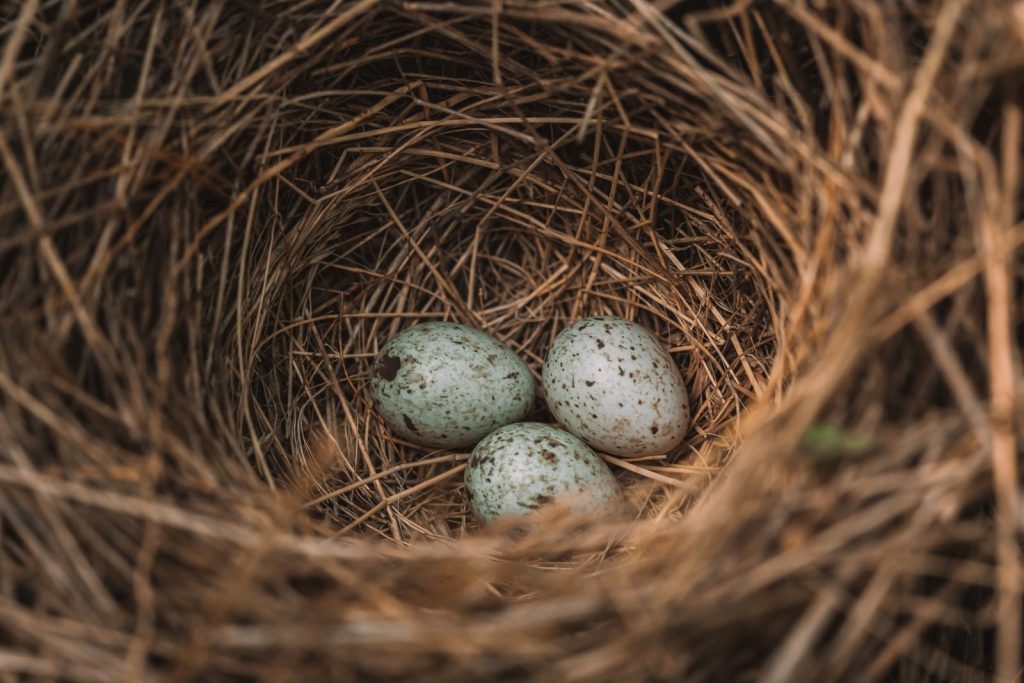
Dinosaurs laid hard-shelled eggs and constructed nests, just as birds do today. Fossil nests reveal carefully arranged eggs, nesting colonies, and repeated use of breeding areas. Some dinosaur eggs also contained embryos preserved well enough for scientists to examine their growth and development.
Brooding and Sleeping
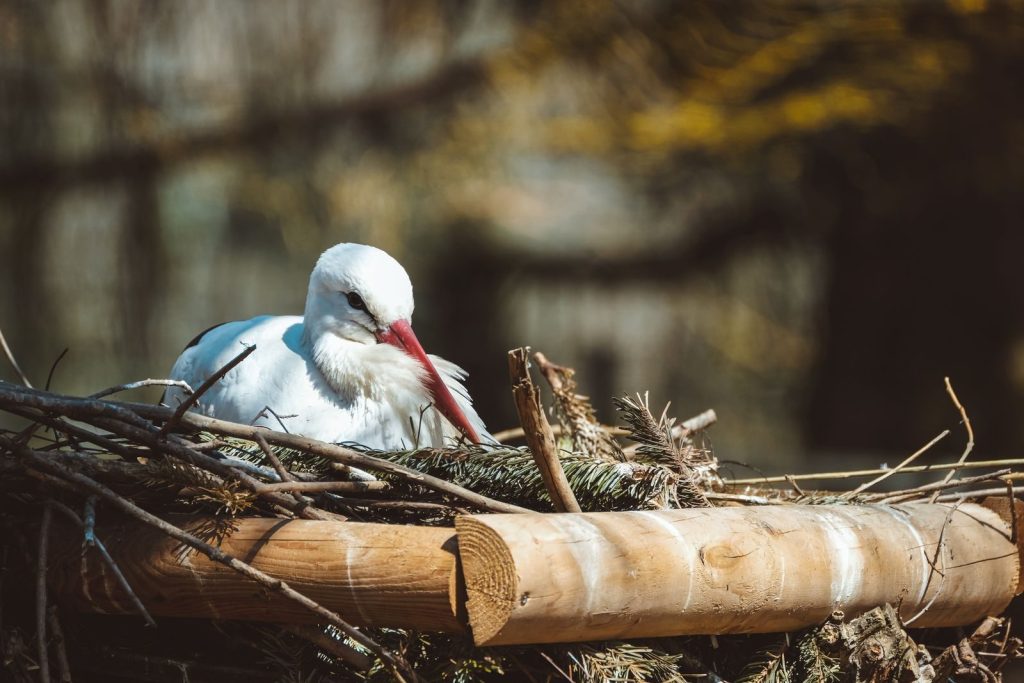
Fossils show some feathered dinosaurs sitting over their nests with limbs spread around the eggs, closely resembling brooding birds. Other specimens were preserved sleeping with the head tucked beneath an arm. These postures demonstrate that several familiar bird behaviours began before modern birds appeared.
Featured Image: Photo by Jaqor Q.I. on Pexels