Wildlife trafficking is one of the most serious threats facing biodiversity today, involving the illegal capture, transport, and sale of animals and animal products across the globe Wildlife. Driven by demand for exotic pets, traditional medicine, fashion, and luxury goods, this underground trade affects millions of animals every year.
Many of the most trafficked species are already vulnerable in the wild, and illegal trade only accelerates their decline. Conservationists warn that without stronger protection and enforcement, several species could face extinction.
Pangolin
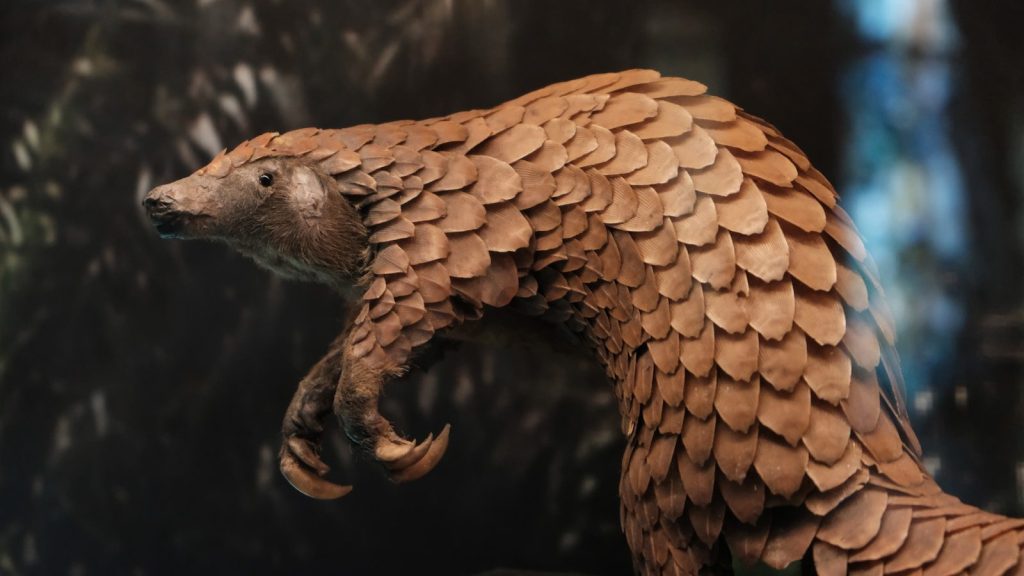
Pangolins are considered the most trafficked mammals in the world due to demand for their scales and meat Pangolin. Despite being protected under international law, they are still heavily targeted by illegal hunters.
Their scales are falsely believed to have medicinal properties in some markets. This has led to severe population declines across Africa and Asia.
Elephants
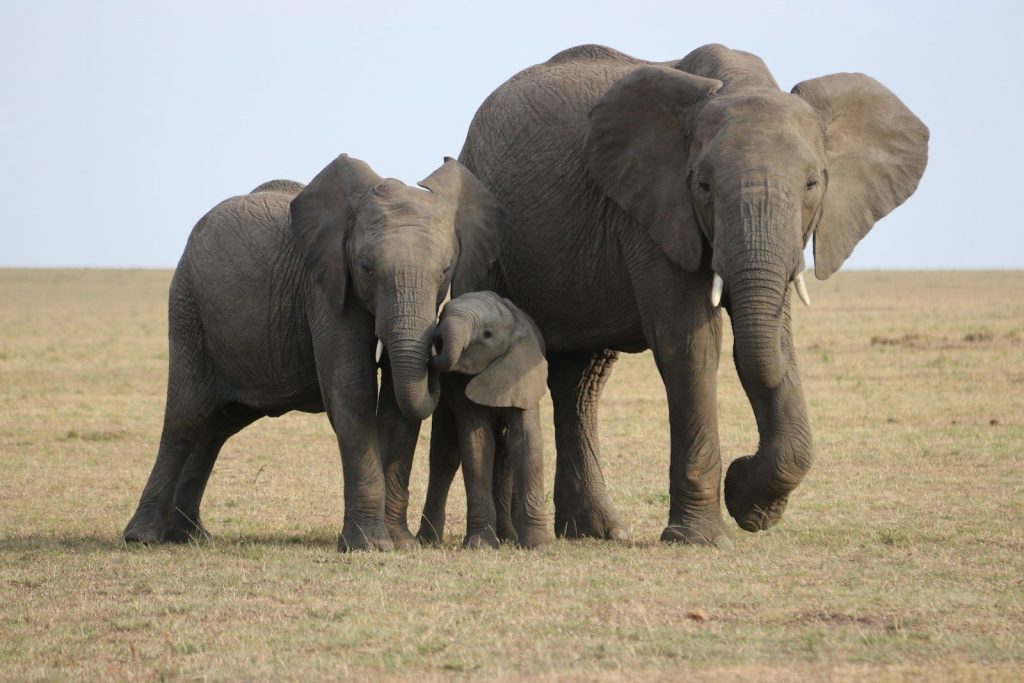
Elephants are heavily targeted for their ivory tusks, which are used in carvings and ornaments Elephant. Poaching has significantly reduced populations in several regions.
Although international bans exist, illegal ivory trade continues to threaten their survival. Conservation efforts focus on anti poaching measures and habitat protection.
Rhinoceros
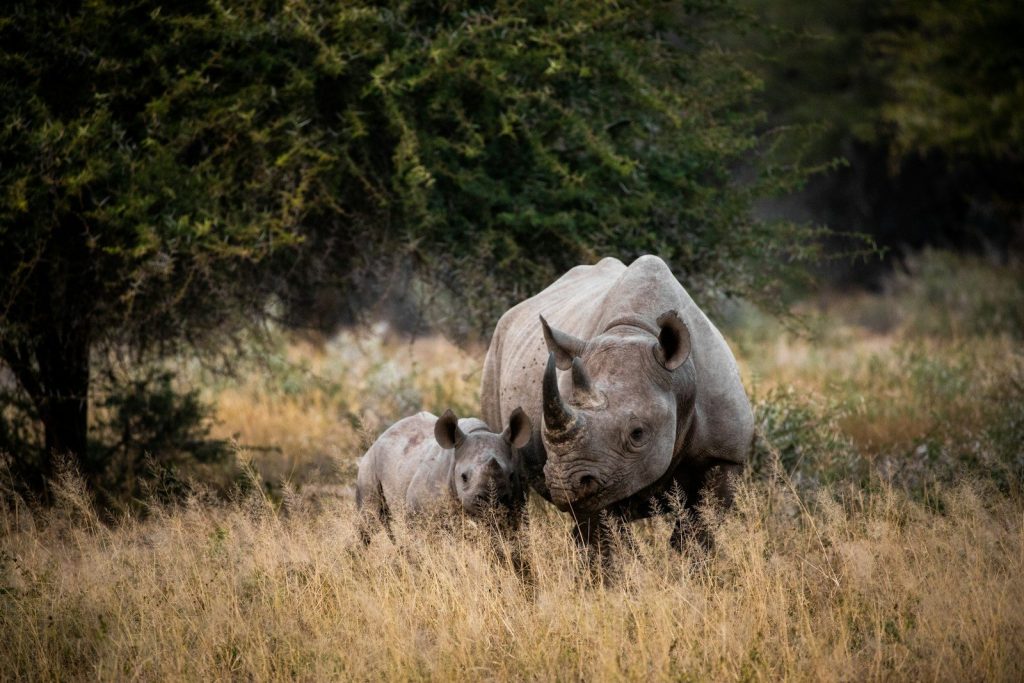
Rhinoceroses are poached for their horns, which are highly valued in illegal markets Rhinoceros. Demand for rhino horn has led to extreme population declines.
Some species are now critically endangered due to poaching pressure. Intensive conservation programs are in place to protect remaining populations.
Tigers
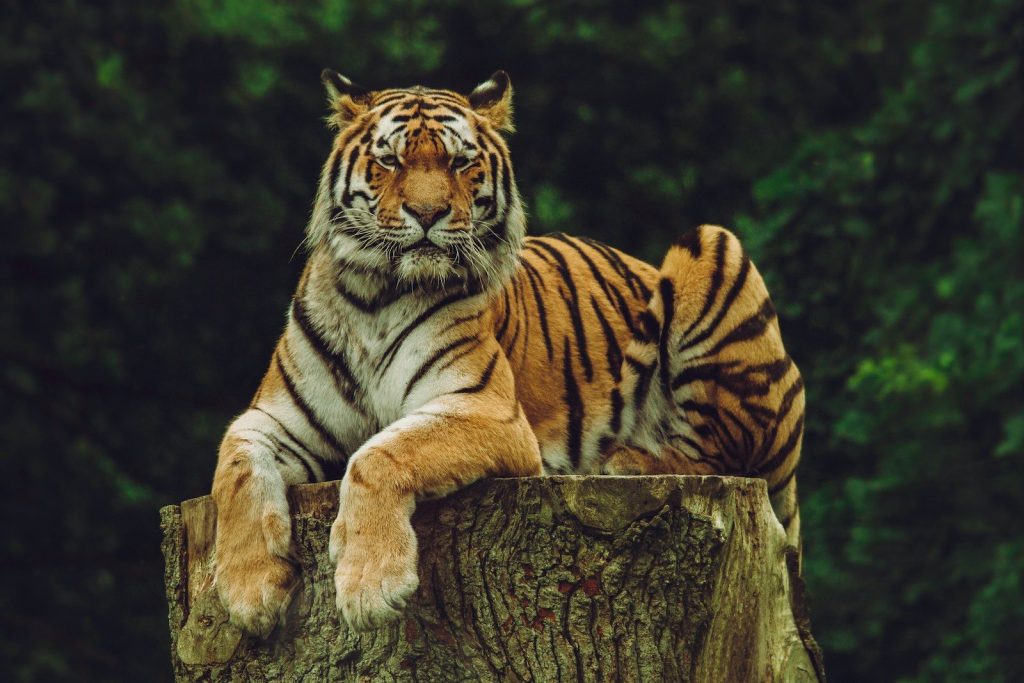
Tigers are trafficked for their skins, bones, and other body parts used in traditional medicine and decorative items Tiger. Habitat loss combined with illegal trade has made survival increasingly difficult.
Wild tiger populations remain dangerously low in many regions. Conservation programs aim to protect remaining habitats and reduce demand.
Sea Turtles
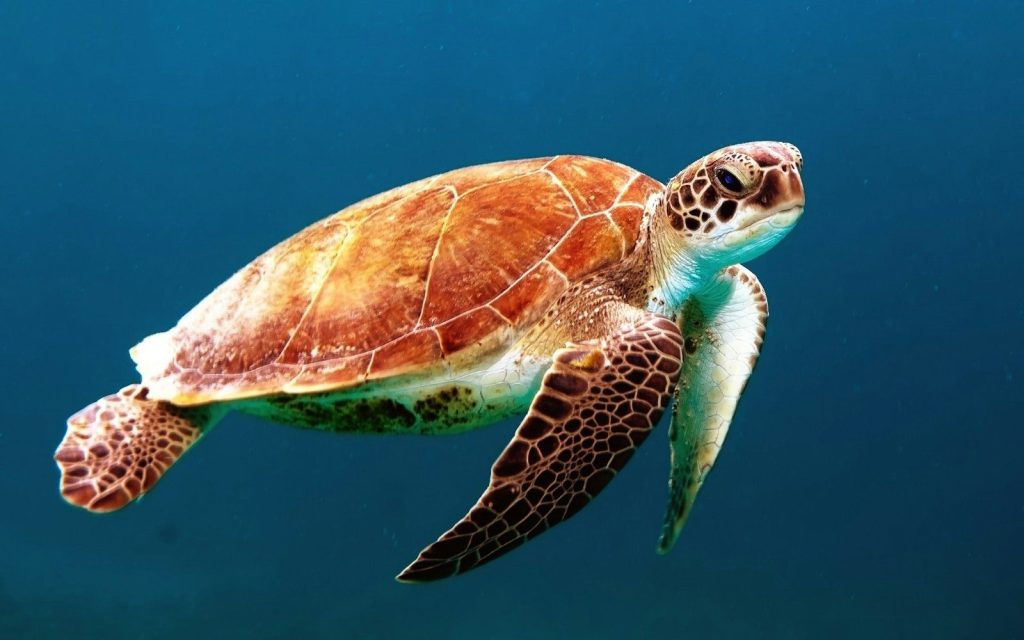
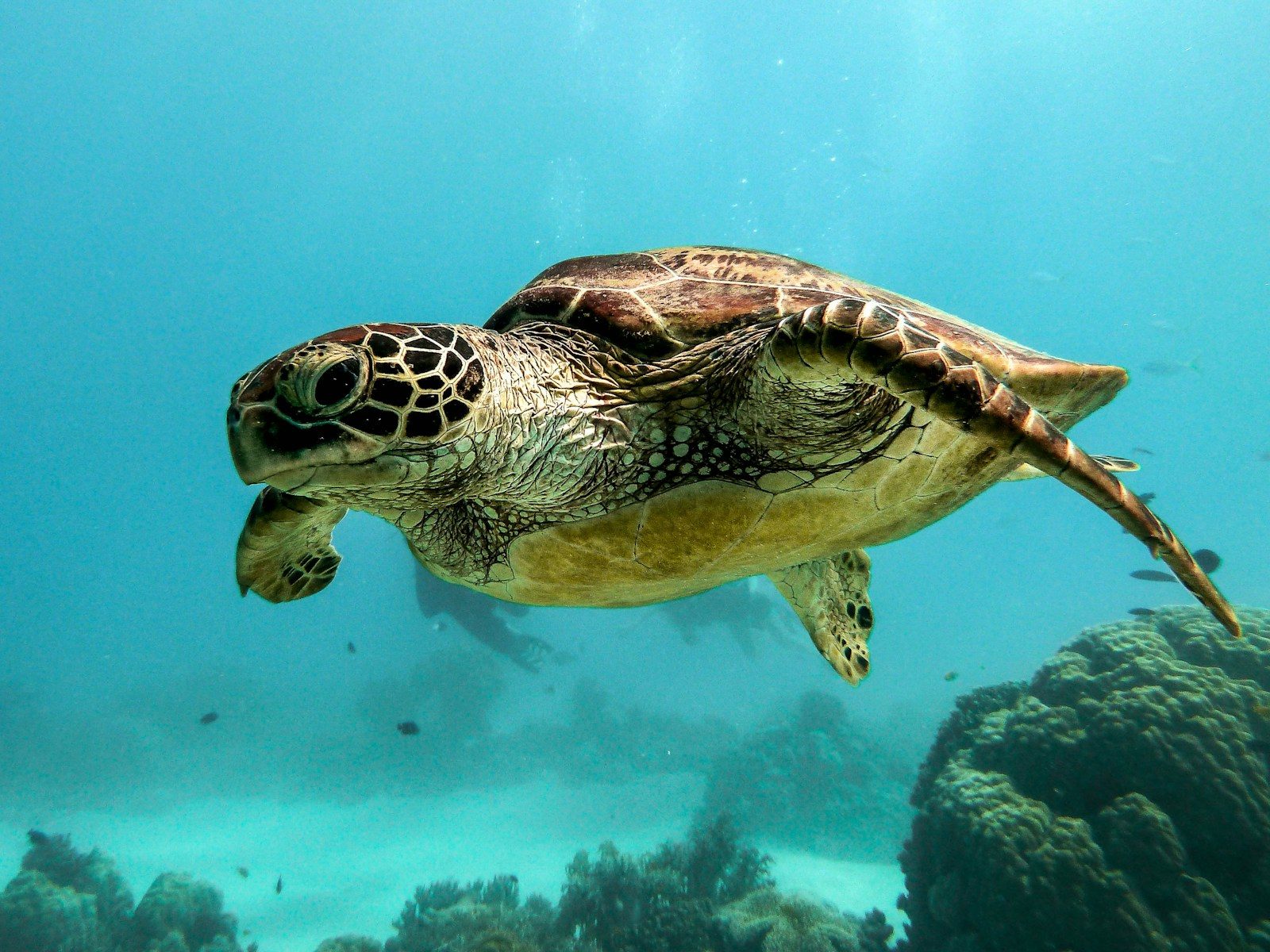
Sea turtles are often trafficked for their shells, meat, and eggs Sea Turtle. They face threats from both illegal trade and environmental changes.
Many populations are declining despite international protections. Coastal conservation efforts are critical for their survival.
Parrots
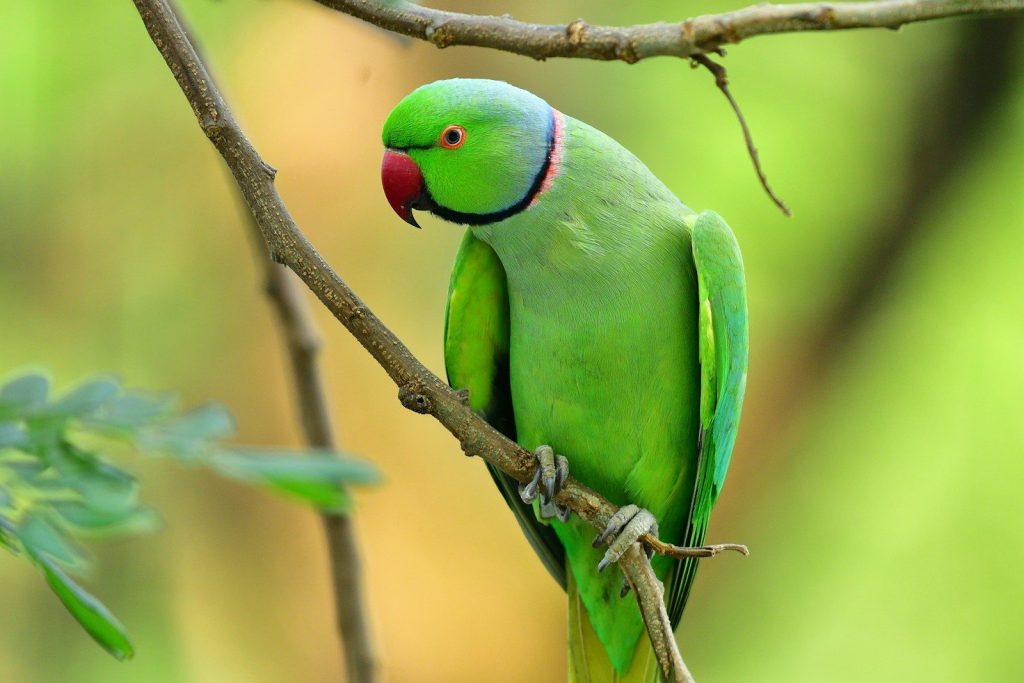
Parrots are frequently captured for the illegal pet trade due to their intelligence and ability to mimic speech Parrot. Many are taken from the wild before reaching maturity.
This practice disrupts wild populations and causes high mortality during transport. Conservation laws aim to regulate and reduce trafficking.