Poisonous animals exist in almost every ecosystem on the planet, from deep oceans to dense rainforests. Unlike predators that rely on strength or speed, these creatures use toxins as their primary defense or hunting tool.
Some are small and easy to overlook, while others are iconic species whose danger comes from even brief contact or accidental handling.
Poison vs Venom: Understanding the Difference
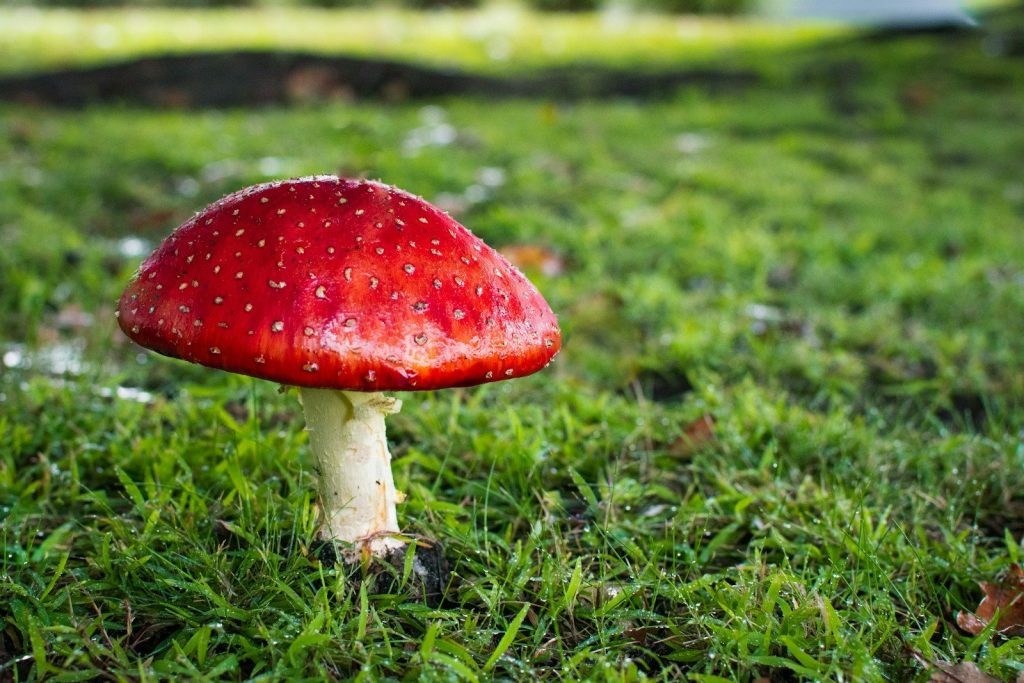
Many people confuse poisonous and venomous animals, but the difference is important. Poisonous animals release toxins when touched or eaten, while venomous animals inject toxins through bites or stings.
This distinction helps explain why some seemingly harmless animals can still be extremely dangerous.
The Blue-Ringed Octopus: Small but Deadly
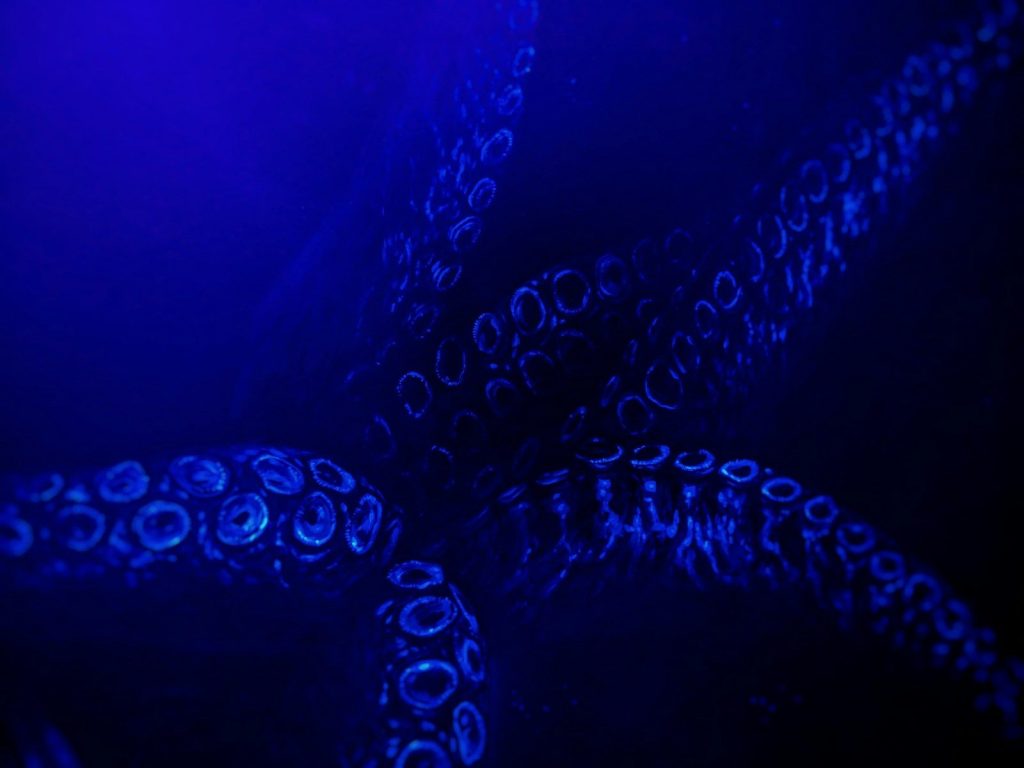
One of the most dangerous marine animals is the blue-ringed octopus. Despite its tiny size and beautiful appearance, it carries a powerful neurotoxin.
A single bite can cause paralysis and respiratory failure, often without immediate pain, making it especially dangerous in shallow coastal waters.
Poison Dart Frogs: Bright Colors, Hidden Danger
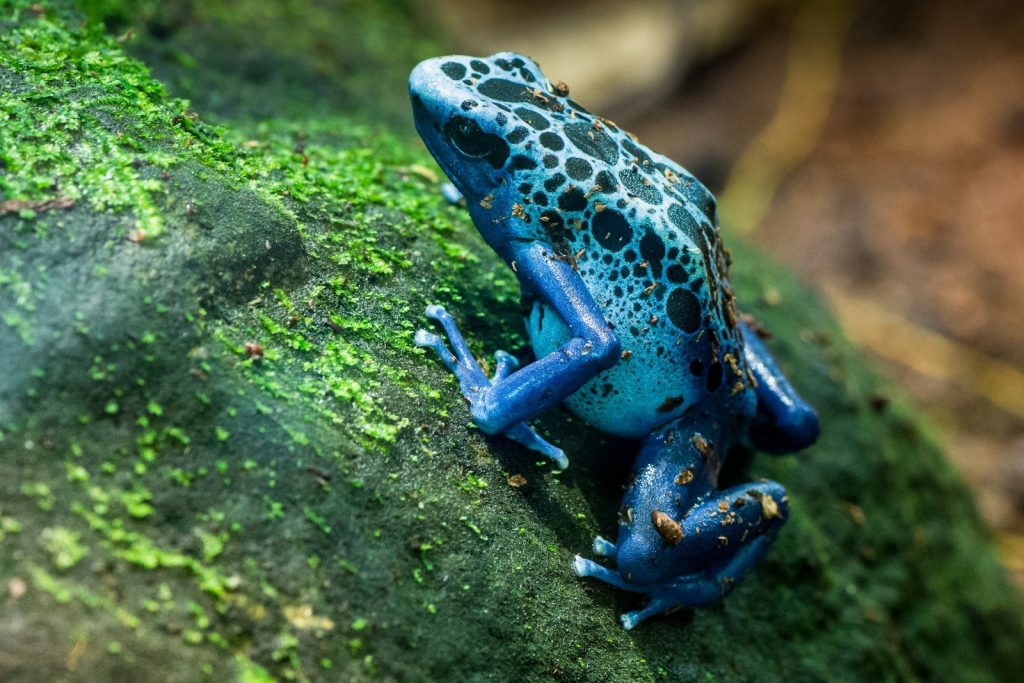
Found in Central and South America, poison dart frogs are known for their vivid colors, which warn predators of their toxicity.
Their skin secretes potent toxins that can be deadly if absorbed through cuts or mucous membranes, though their danger in captivity depends on diet.
Box Jellyfish: A Floating Threat
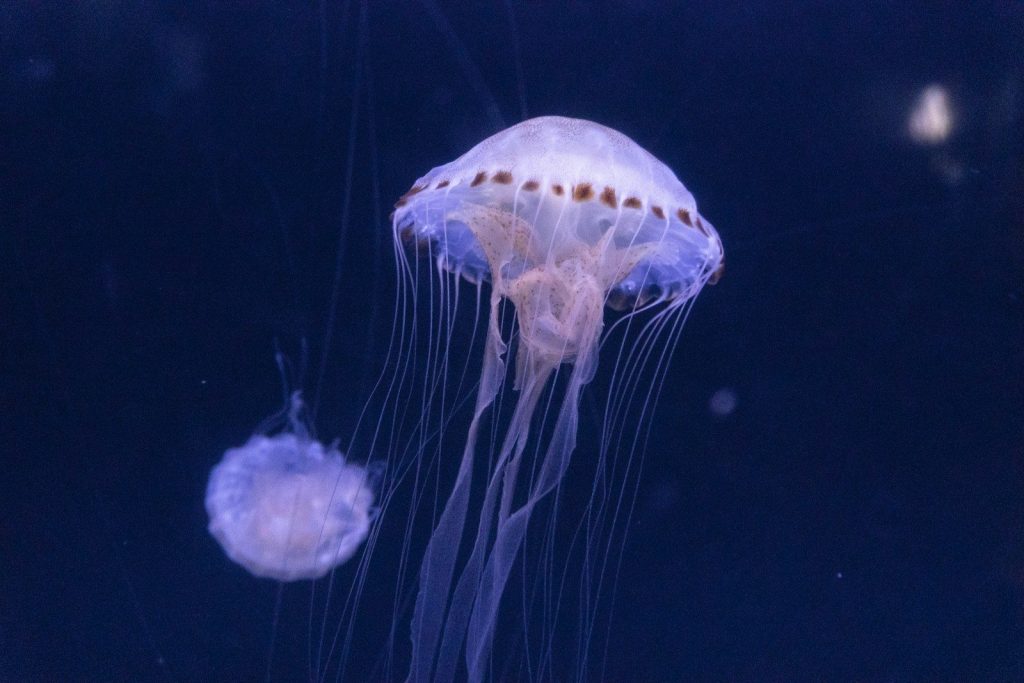
Box jellyfish are among the most dangerous marine creatures in the world. Their tentacles contain venom that can cause extreme pain, heart failure, and even death.
They are often difficult to see in water, making accidental contact a serious risk for swimmers.
Stonefish: Masters of Camouflage
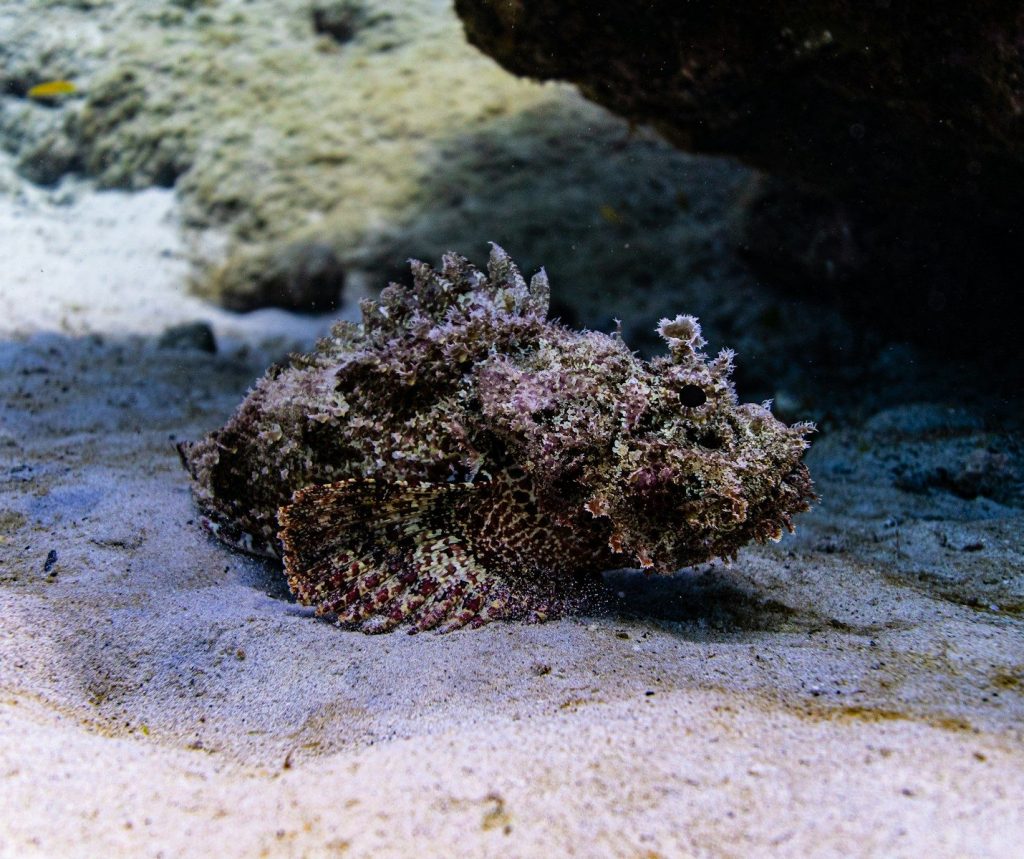
Stonefish blend perfectly with rocky sea floors, making them nearly invisible to humans and predators. If stepped on, they release venom through sharp spines.
Their sting is considered one of the most painful in the animal kingdom and can be life-threatening without treatment.
Inland Taipan: The Highly Toxic Snake
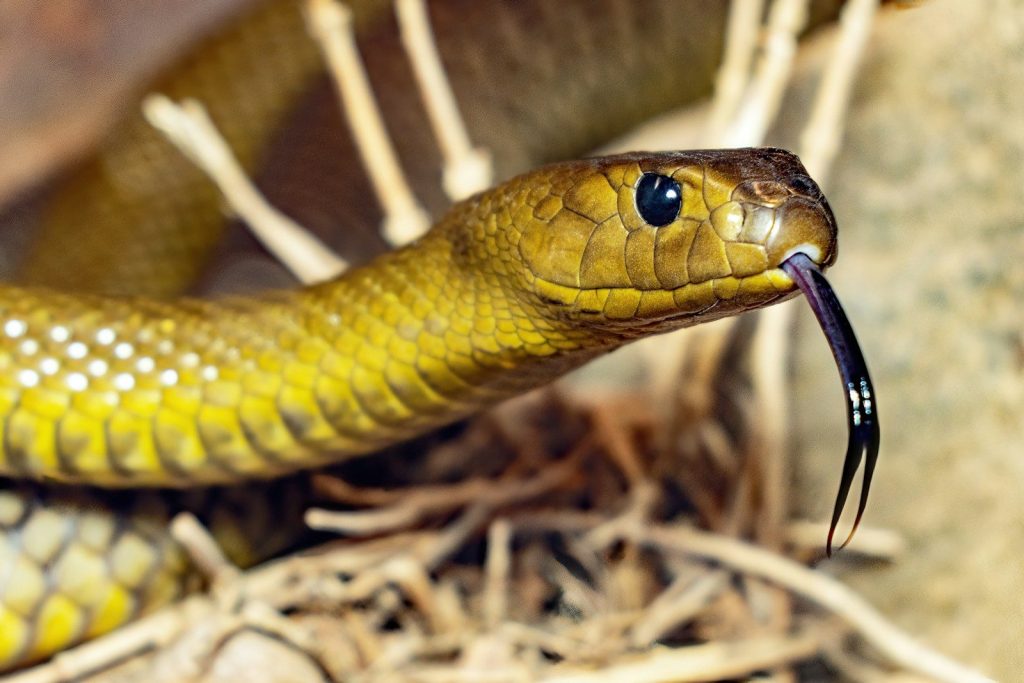
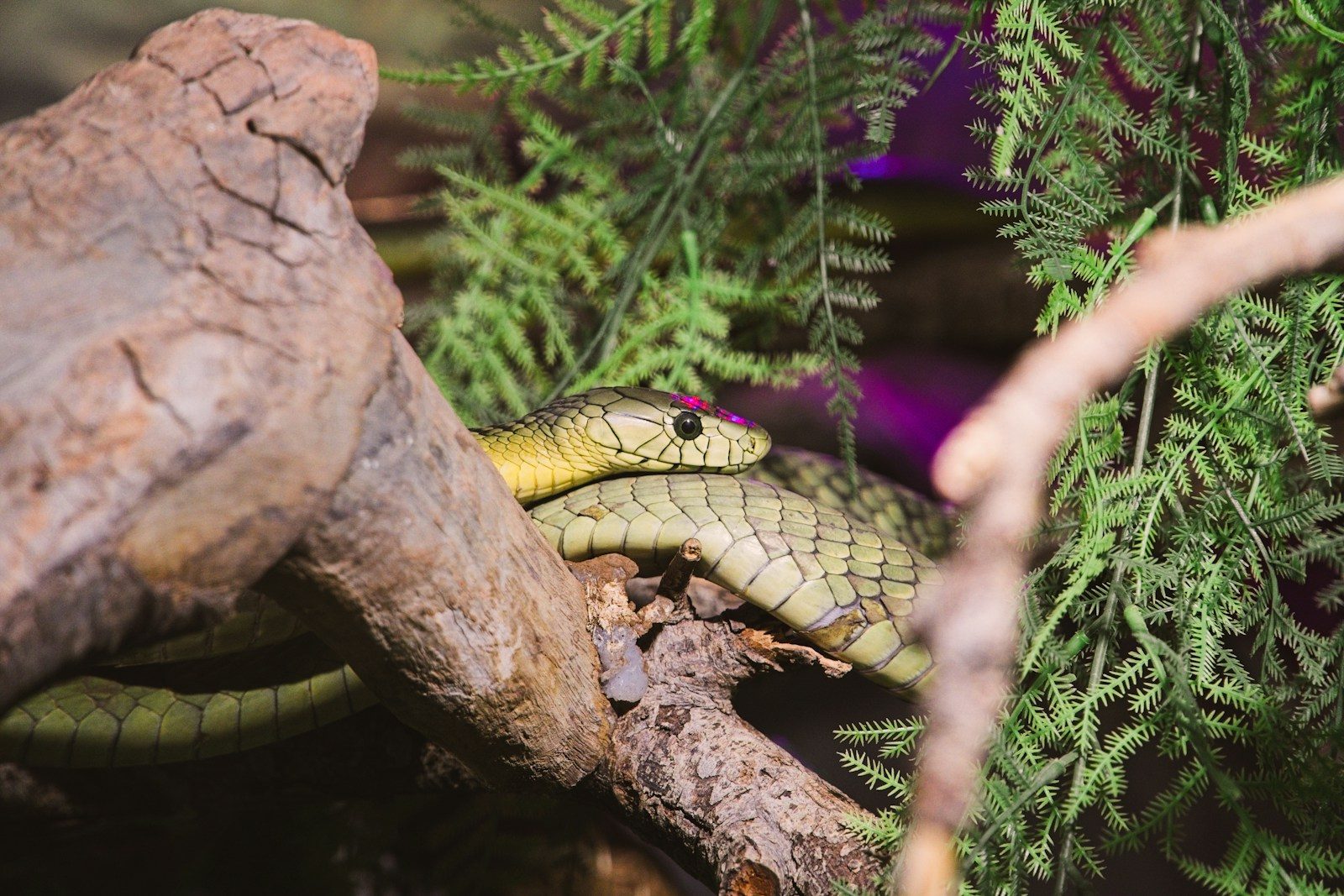
The inland taipan, found in Australia, is often described as the most venomous snake in the world. Its venom is capable of causing rapid paralysis and internal bleeding.
Despite its extreme toxicity, it is reclusive and rarely encountered by humans.
Why These Animals Matter in Nature
Even the most dangerous animals play important roles in ecosystems. Their toxins help them survive, hunt, and maintain balance in food chains.
Understanding these creatures is not just about fear, it is about respecting how nature builds survival strategies in extreme environments.