Skip to content

Recent Posts

  • What To Do If You Discover a Skunk Living in Your Yard
  • What Happens When a Hungry Polar Bear Approaches Humans in the Arctic
  • Are We Living Through Earth’s Sixth Mass Extinction?
  • Cows Shock Farmer by Protecting Wild Duck Eggs From Predators
  • The Snake Filled National Parks Every Hiker Should Know About

Most Used Categories

  • Nature & Wildlife (52)
  • Risk (19)
  • Hunting (15)
  • Bees/Swarms fear (10)
  • Survival (9)
  • Exotic Animals (7)
  • Suspense (6)
  • Human Interest (4)
  • Adventure (3)
  • Gears (2)
Skip to content
  • About Us
  • Contact Us
  • Disclaimer
  • Privacy Policy
  • Terms & Conditions

Hive Hunters Tales

  • Suspense
  • Nature & Wildlife
  • Human Interest
  • Hunting
  • Bees/Swarms fear
  • Exotic Animals
  • Risk
  • Survival
  • Adventure
  • Gears
  • Home
  • Nature & Wildlife
  • The Legendary Shorebird That Keeps Returning to North Carolina’s Outer Banks
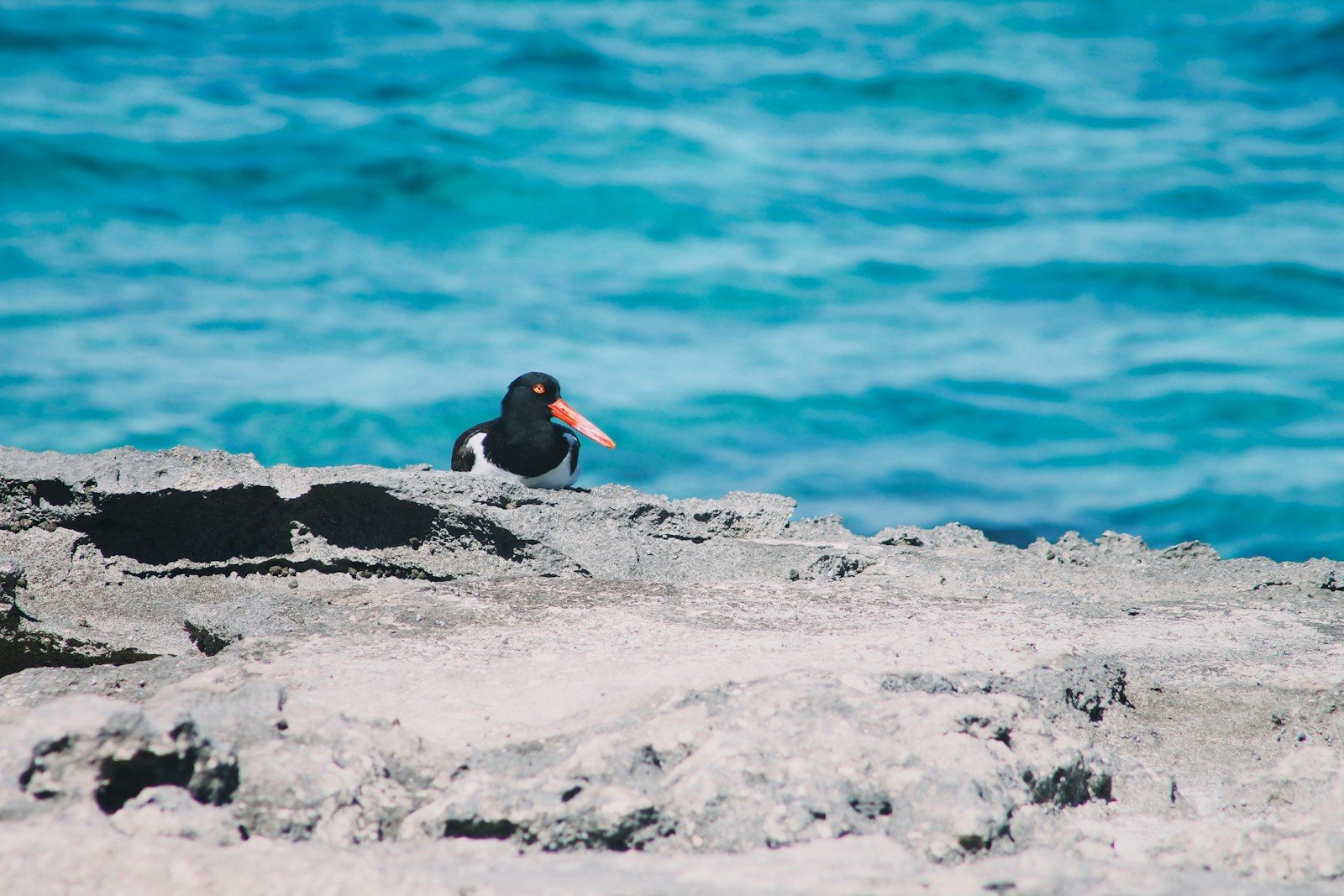
A bird sitting on a rock near the ocean

The Legendary Shorebird That Keeps Returning to North Carolina’s Outer Banks

JakeMay 18, 2026May 18, 2026

Along the quiet beaches of North Carolina’s Outer Banks, one remarkable shorebird has become a symbol of survival and endurance. A female American oystercatcher known as “AL” has stunned researchers by living far beyond the species’ normal lifespan while returning to the same coastal nesting grounds year after year.

For wildlife experts, the bird’s story has become one of the most fascinating examples of resilience in modern coastal ecosystems.

A Bird That Defied Expectations
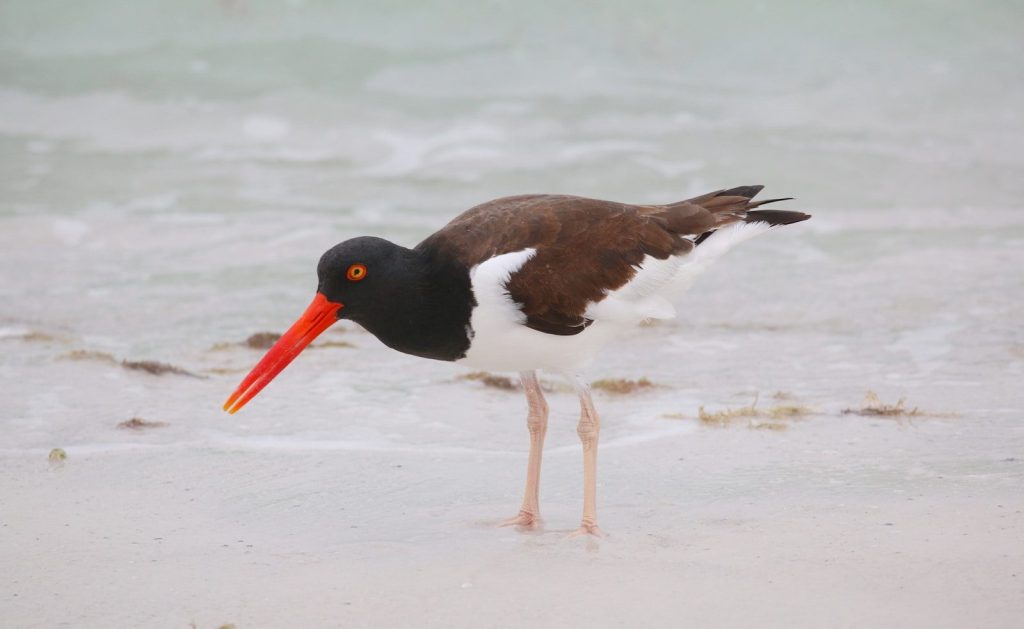
a bird walking on the beach
Photo by Paul Crook on Unsplash

American oystercatchers typically live around 17 years in the wild, but AL has already surpassed that mark by several years.

Researchers estimate she is at least 22 years old, making her one of the oldest known birds of her kind in the region.

Why Researchers Call Her a Legend
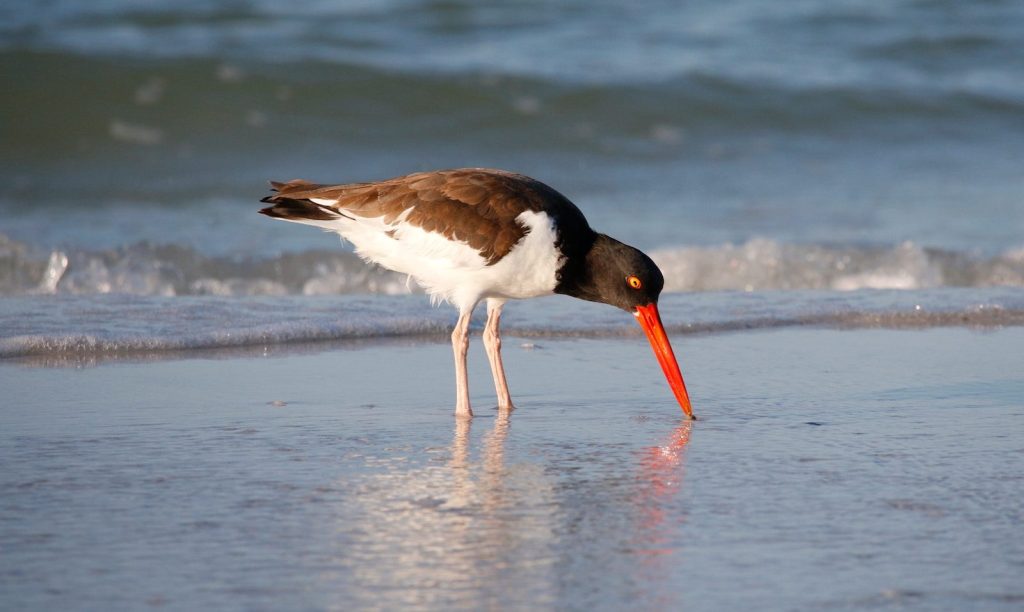
a bird with a long beak
Photo by Paul Crook on Unsplash

AL first appeared in research records while wintering in Georgia before returning to North Carolina to nest in 2007.

Since then, she has returned almost every year, creating an unusually long and well-documented nesting history for a wild shorebird.

The Harsh Reality of Coastal Survival
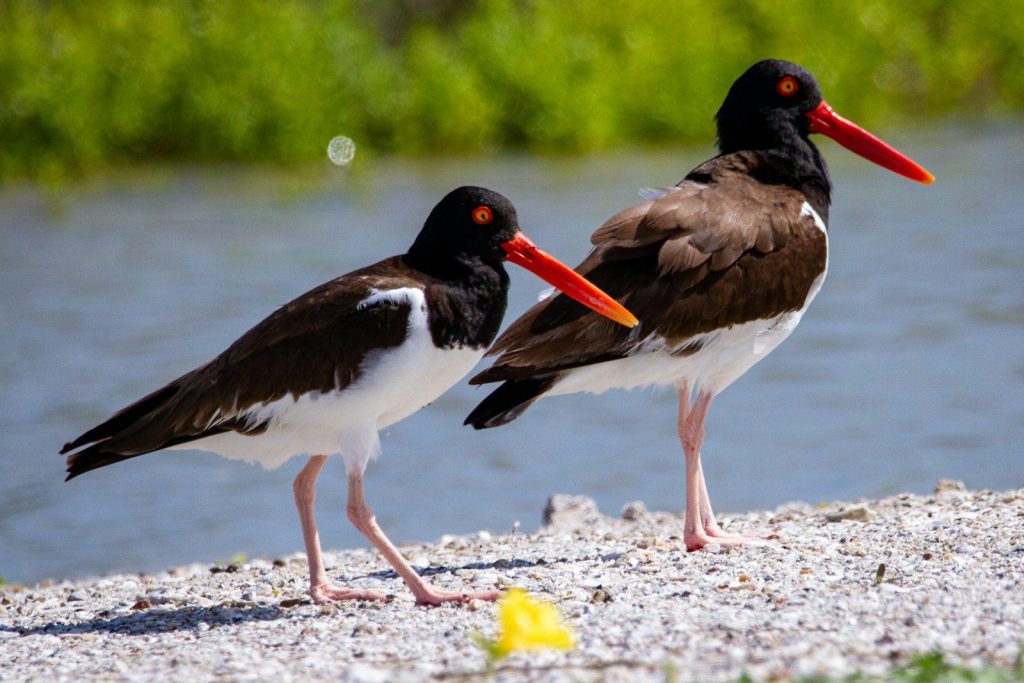
a couple of birds standing on top of a sandy beach
Photo by Joshua J. Cotten on Unsplash

Life on open beaches is dangerous for nesting birds. Storms, predators, rising tides, and human disturbance constantly threaten eggs and chicks.

Despite these challenges, AL successfully raised multiple chicks over nearly two decades of nesting activity.

The Unique Beauty of the American Oystercatcher
a brown and white bird with a long orange beak
Photo by Joshua J. Cotten on Unsplash

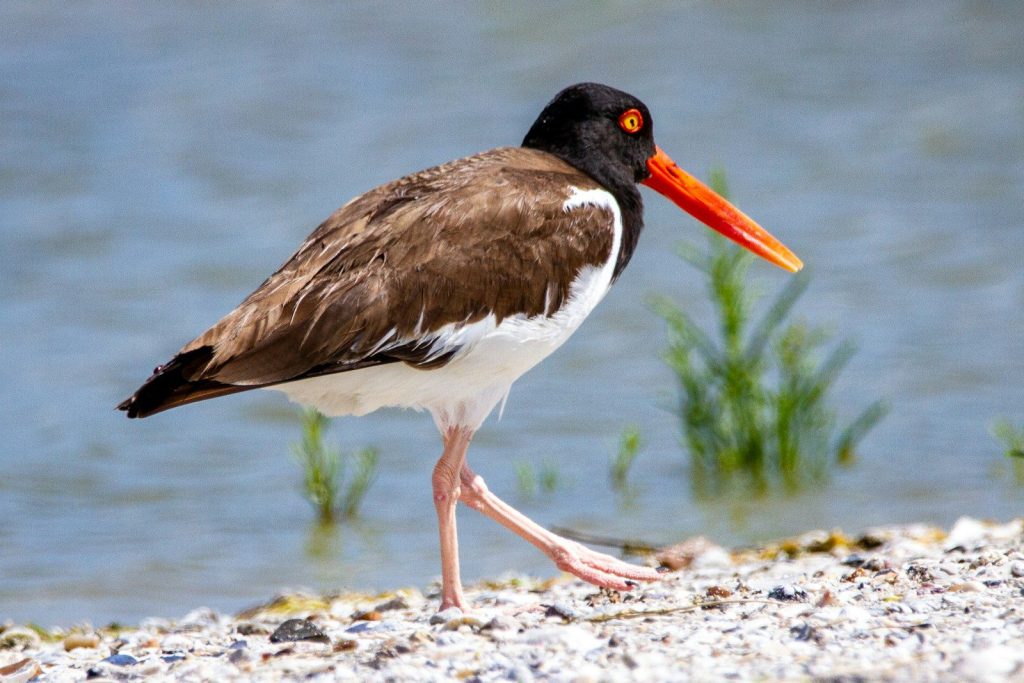
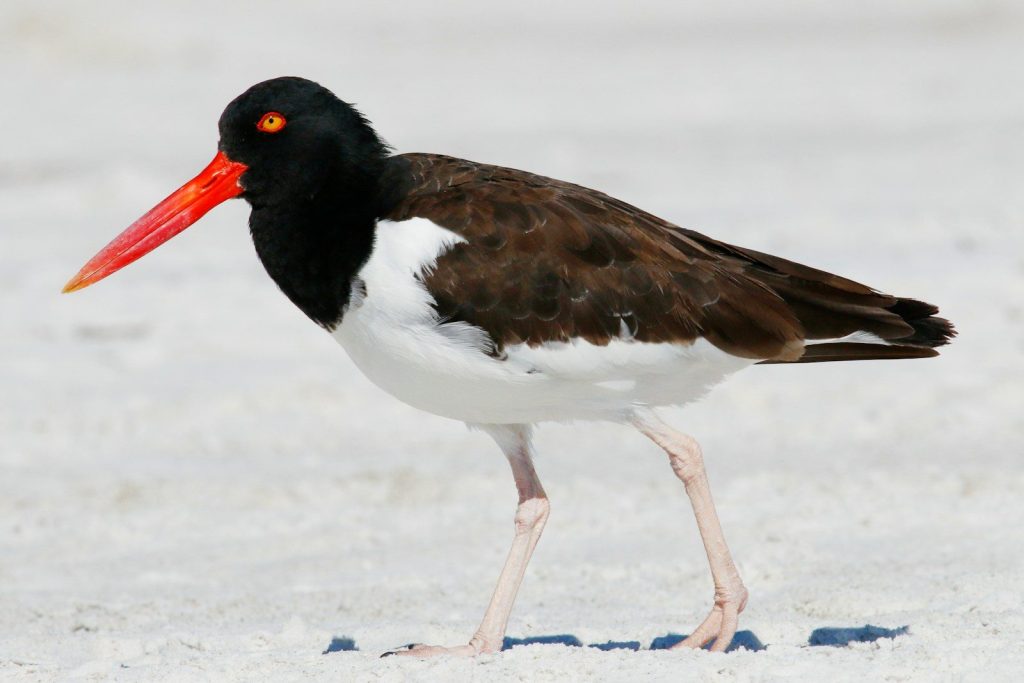
American oystercatchers are easy to recognize because of their bright orange bills, striking yellow eyes, and black-and-white feathers.

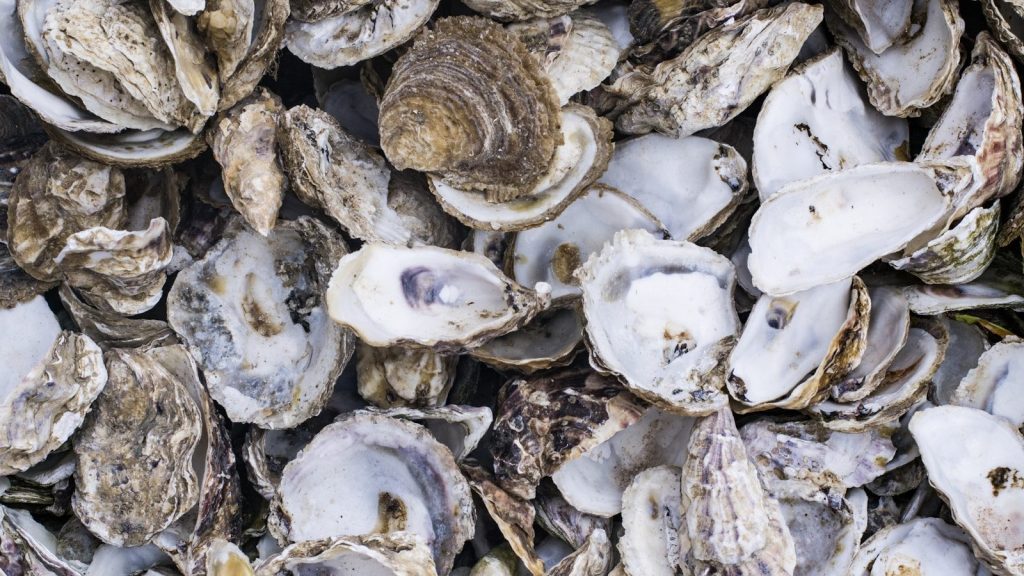
Their powerful beaks are specially designed for opening shellfish like oysters and clams along coastal shorelines.

Why Undeveloped Beaches Matter
An american oystercatcher stands on a sandy beach.
Photo by Paul Crook on Unsplash

The undeveloped dunes and beaches of Cape Lookout National Seashore provide critical nesting habitat for shorebirds like AL.

These protected areas allow birds to rest, feed, and raise chicks away from heavy urban development.

Scientists Still Have Questions
a pile of oysters sitting on top of each other
Photo by Rich @ rhubbardstockfootage on Unsplash

Even after years of observation, researchers still do not fully understand why AL has survived so long compared to most oystercatchers.

Her migration routes, feeding success, and overall health remain part of an ongoing scientific mystery.

A Symbol of Coastal Ecosystem Health
blackish oystercatcher, bird, animal, oystercatcher, wader, wildlife, plumage, beak, beach, sea, nature, birdwatching, bird, bird, bird, oystercatcher, oystercatcher, oystercatcher, wader, beach, beach, beach, beach, nature, nature, nature, nature, nature
Photo by focusdanifocus on Pixabay

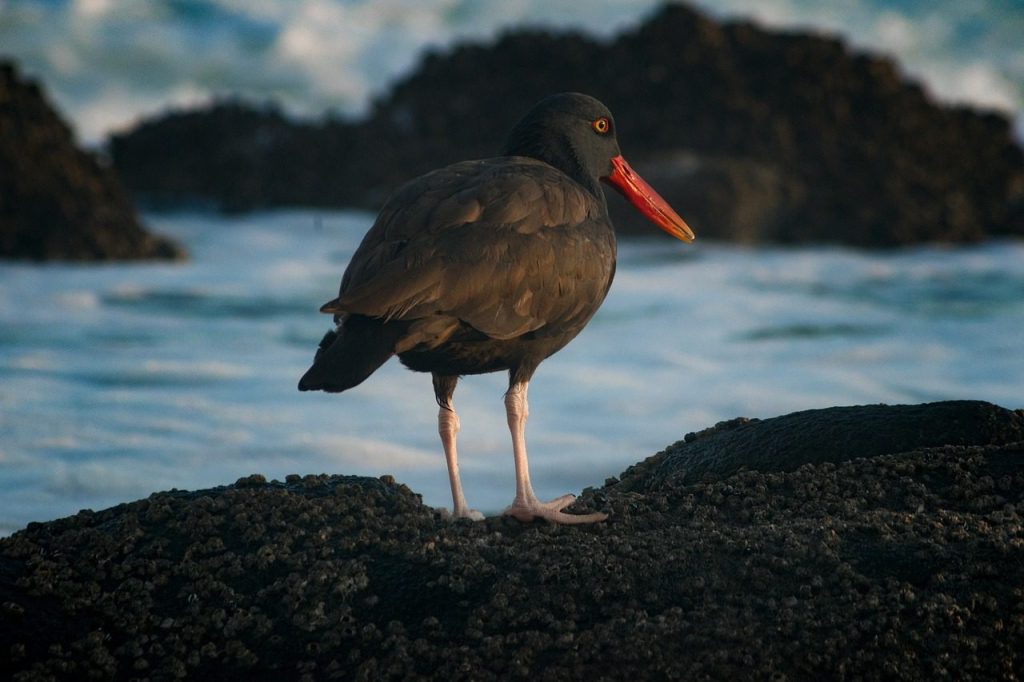
Wildlife experts consider American oystercatchers important indicators of ecosystem stability. Healthy bird populations often reflect healthy beaches and marine environments.

AL’s long survival story highlights how protected coastal habitats can support wildlife even in rapidly changing environments.

Nature Still Creates Rare Survivors
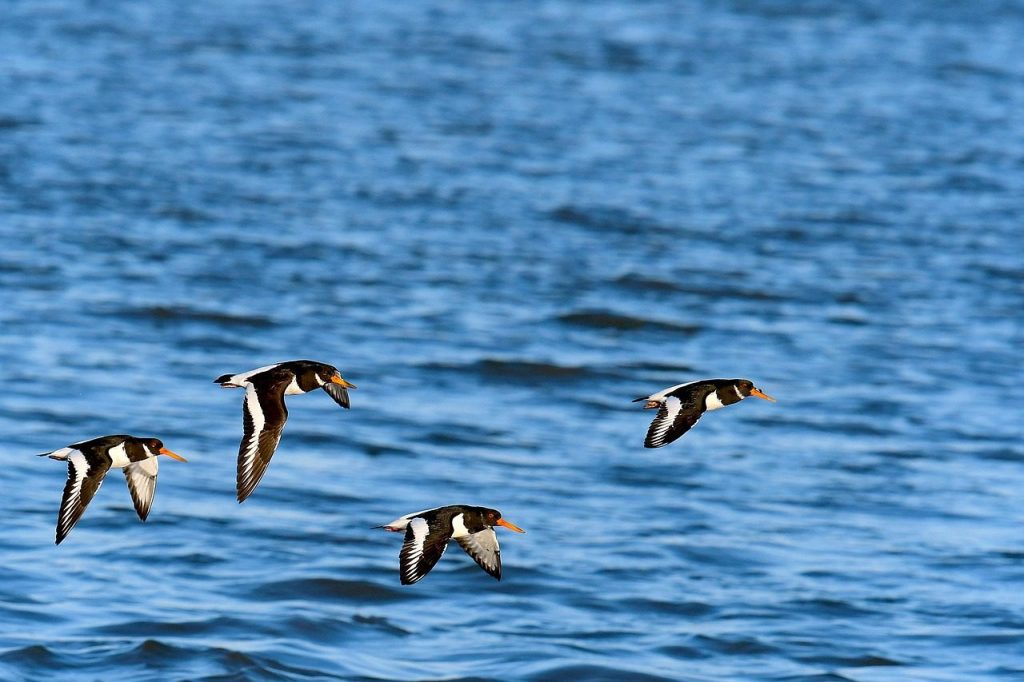
oystercatcher, birds, north sea, nature, limicoles
Photo by Georg_Wietschorke on Pixabay

Stories like AL’s remind researchers that nature still holds mysteries that science cannot fully explain. One small shorebird has survived storms, migration, predators, and time itself.

For visitors to the Outer Banks, spotting an American oystercatcher on the beach may now feel like witnessing a living legend of the coastline.


Post navigation

Previous: Wild Horses Have Roamed Maryland’s Ocean Beaches for Over 350 Years
Next: Great White Shark Attack Shocks Western Australia

Related Posts

black and white animal on brown tree trunk during daytime

What To Do If You Discover a Skunk Living in Your Yard

May 26, 2026May 25, 2026 Jake
a cow standing in a field with a bird on top of it

Cows Shock Farmer by Protecting Wild Duck Eggs From Predators

May 25, 2026May 25, 2026 Jake
white and brown snake on brown sand

The Snake Filled National Parks Every Hiker Should Know About

May 25, 2026May 25, 2026 Jake

Leave a Reply Cancel reply

Your email address will not be published. Required fields are marked *

Recent Posts

  • What To Do If You Discover a Skunk Living in Your Yard
  • What Happens When a Hungry Polar Bear Approaches Humans in the Arctic
  • Are We Living Through Earth’s Sixth Mass Extinction?
  • Cows Shock Farmer by Protecting Wild Duck Eggs From Predators
  • The Snake Filled National Parks Every Hiker Should Know About
Copyright All Rights Reserved | Theme: BlockWP by Candid Themes.