Skip to content

Recent Posts

  • What To Do If You Discover a Skunk Living in Your Yard
  • What Happens When a Hungry Polar Bear Approaches Humans in the Arctic
  • Are We Living Through Earth’s Sixth Mass Extinction?
  • Cows Shock Farmer by Protecting Wild Duck Eggs From Predators
  • The Snake Filled National Parks Every Hiker Should Know About

Most Used Categories

  • Nature & Wildlife (52)
  • Risk (19)
  • Hunting (15)
  • Bees/Swarms fear (10)
  • Survival (9)
  • Exotic Animals (7)
  • Suspense (6)
  • Human Interest (4)
  • Adventure (3)
  • Gears (2)
Skip to content
  • About Us
  • Contact Us
  • Disclaimer
  • Privacy Policy
  • Terms & Conditions

Hive Hunters Tales

  • Suspense
  • Nature & Wildlife
  • Human Interest
  • Hunting
  • Bees/Swarms fear
  • Exotic Animals
  • Risk
  • Survival
  • Adventure
  • Gears
  • Home
  • Nature & Wildlife
  • Wild Horses Have Roamed Maryland’s Ocean Beaches for Over 350 Years
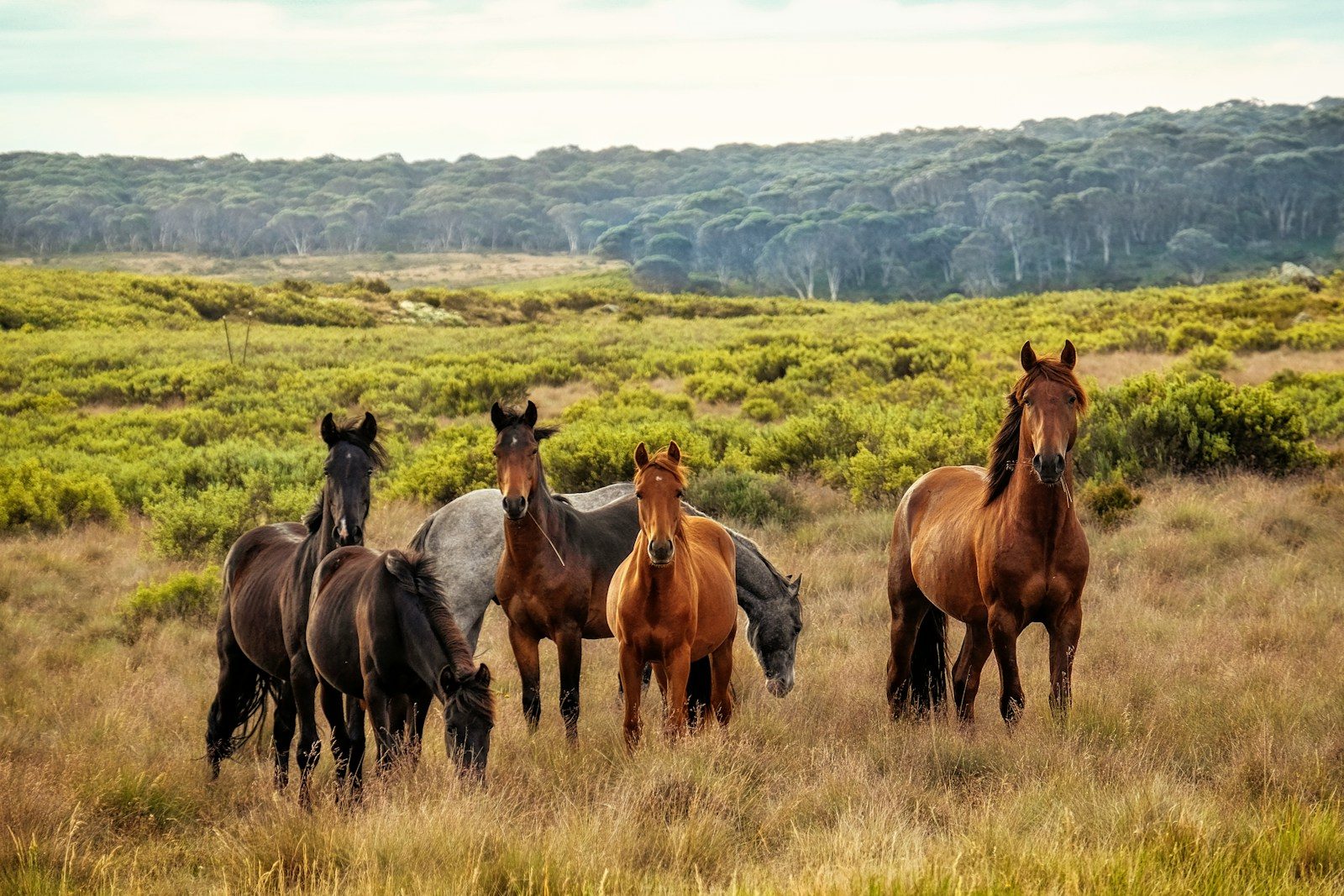
a herd of horses standing on top of a grass covered field

Wild Horses Have Roamed Maryland’s Ocean Beaches for Over 350 Years

JakeMay 18, 2026

Along the windswept shores of Maryland’s coast, wild horses still roam freely across sandy beaches, marshes, and dunes. These famous horses have survived storms, harsh winters, and centuries of changing landscapes while becoming one of the most unique wildlife attractions in the United States.

Their presence creates a rare scene where untamed animals walk calmly through one of America’s most scenic coastal environments.

A Coastal Tradition That Never Disappeared
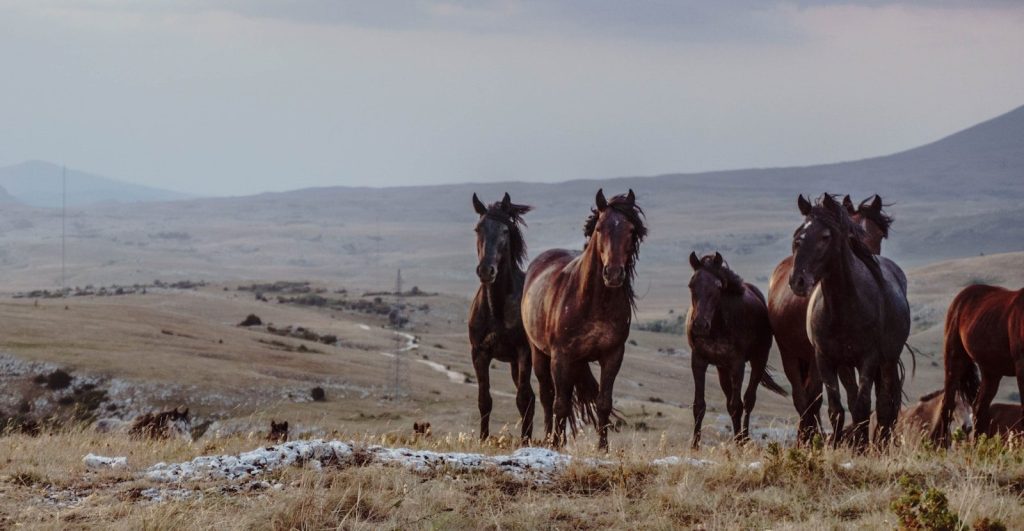
herd of horses on green grass field during daytime
Photo by Vladimir Vujeva on Unsplash

The wild horses of Maryland have lived near the Atlantic coastline for centuries. Legends suggest their ancestors may have arrived from shipwrecked Spanish horses long ago.

Over time, the animals adapted to harsh coastal conditions and became part of the region’s identity and history.

Life on the Edge of the Atlantic
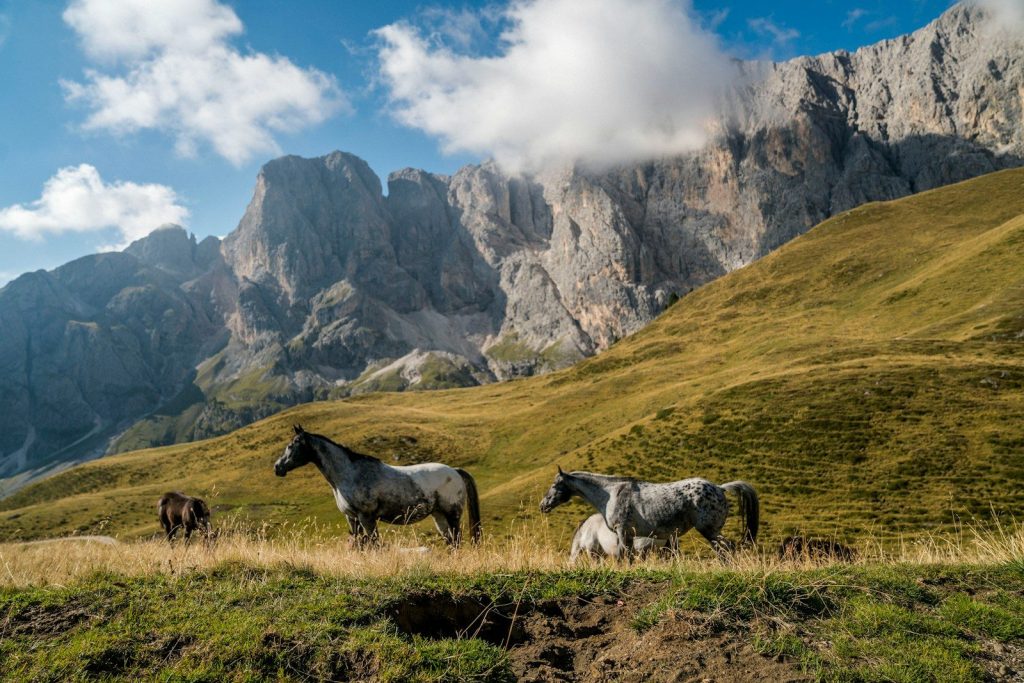
a group of horses standing on top of a lush green hillside
Photo by Ben Guernsey on Unsplash

Living near the ocean is not easy for large animals. Strong winds, saltwater exposure, and limited freshwater sources create constant survival challenges.

Despite this, the horses have learned to survive by grazing on salt-tolerant grasses and navigating marshlands with ease.

Assateague Island’s Famous Wild Herds
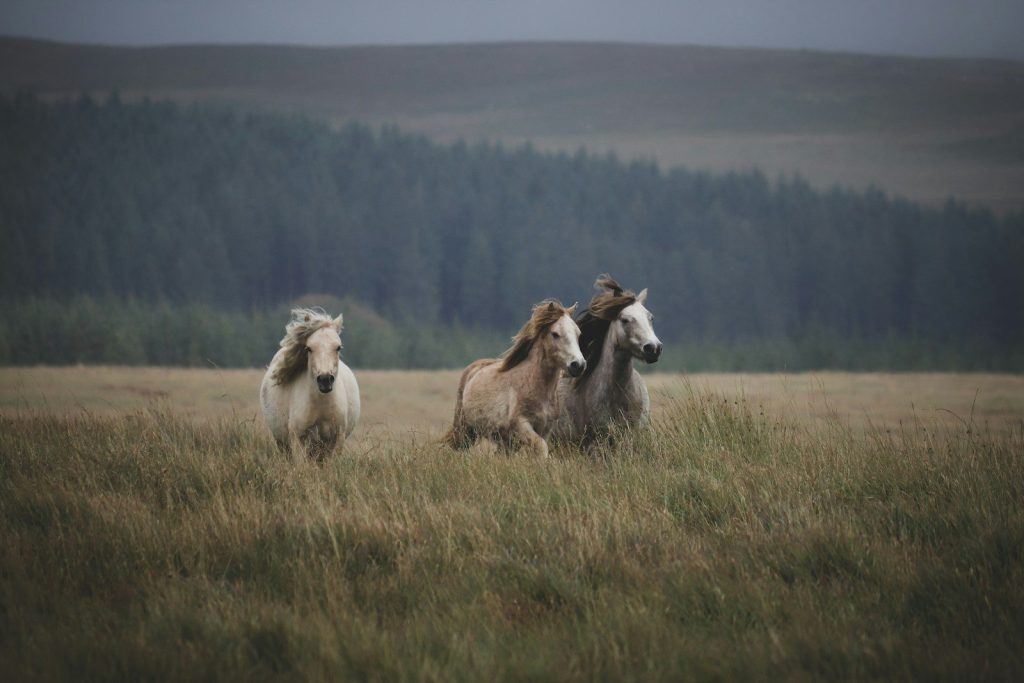
three horses running in a field with trees in the background
Photo by Boys in Bristol Photography on Unsplash

Many of these horses are associated with Assateague Island, a barrier island known for its beaches and protected wildlife habitats.

Visitors often spot horses wandering near dunes, crossing roads, or resting along the shoreline during calmer hours of the day.

Why Tourists Must Keep Their Distance
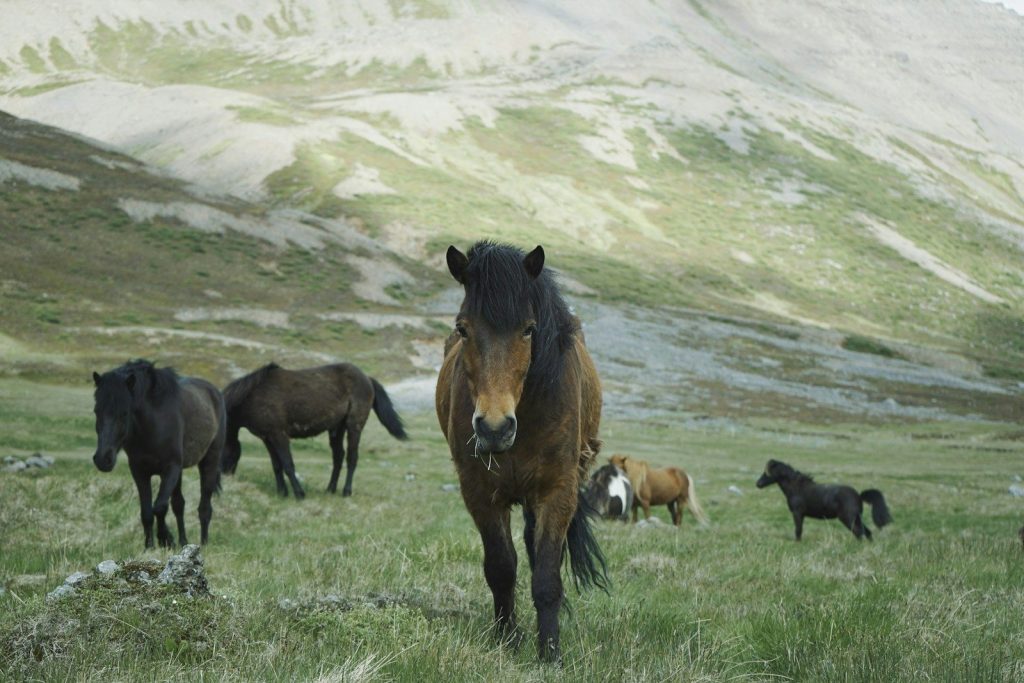
herd of horses on mountain
Photo by Oscar Nilsson on Unsplash

Although the horses appear calm, they are still wild animals. Park officials warn visitors not to feed or approach them too closely.

Human food can seriously harm the horses, and sudden interactions may stress animals that are used to surviving independently.

Storms and Harsh Weather Shape Their Survival
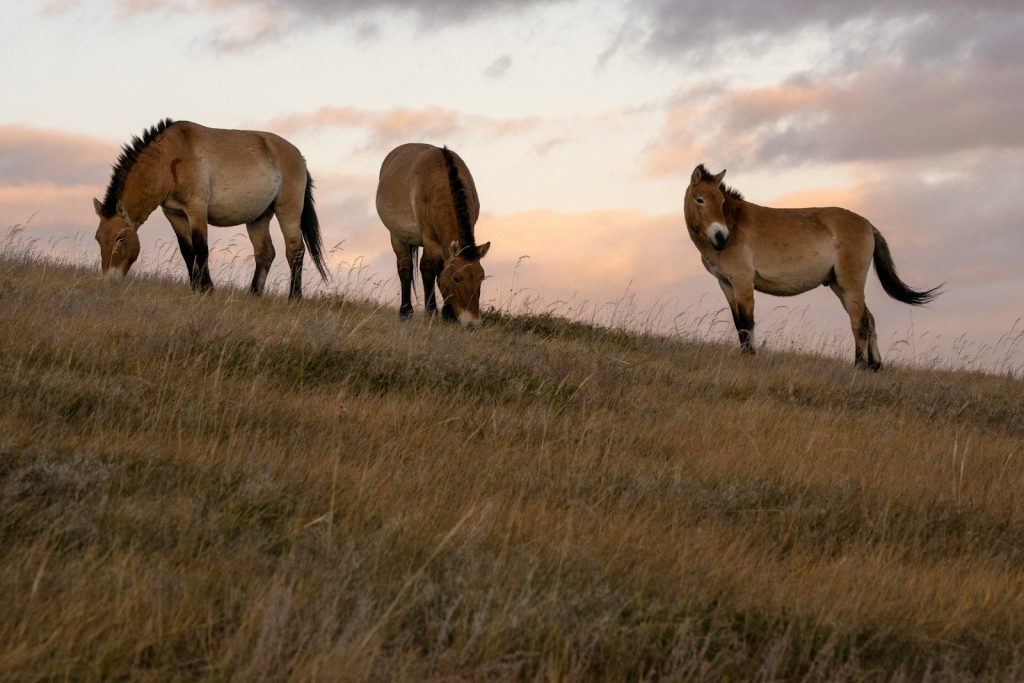
three brown horses on brown grass field
Photo by Lightscape on Unsplash

Coastal storms regularly flood parts of the island, forcing horses to move quickly between safer areas. Hurricanes and winter weather test the herd’s resilience every year.

Their survival depends on instinct, mobility, and generations of adaptation to unpredictable coastal environments.

The Horses Help Define the Landscape
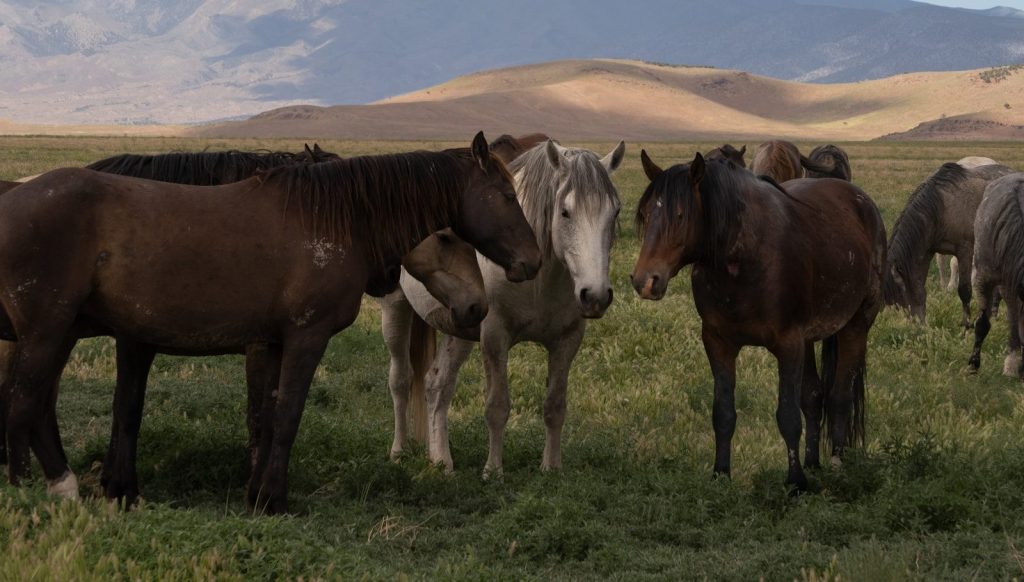
a herd of horses standing on top of a lush green field
Photo by k d on Unsplash

The grazing habits of the horses influence vegetation and open areas across the island. Their movement also contributes to the unique appearance of the coastal ecosystem.

Scientists continue studying how the herds interact with fragile beach habitats and native wildlife.

A Rare Sight in the Modern World
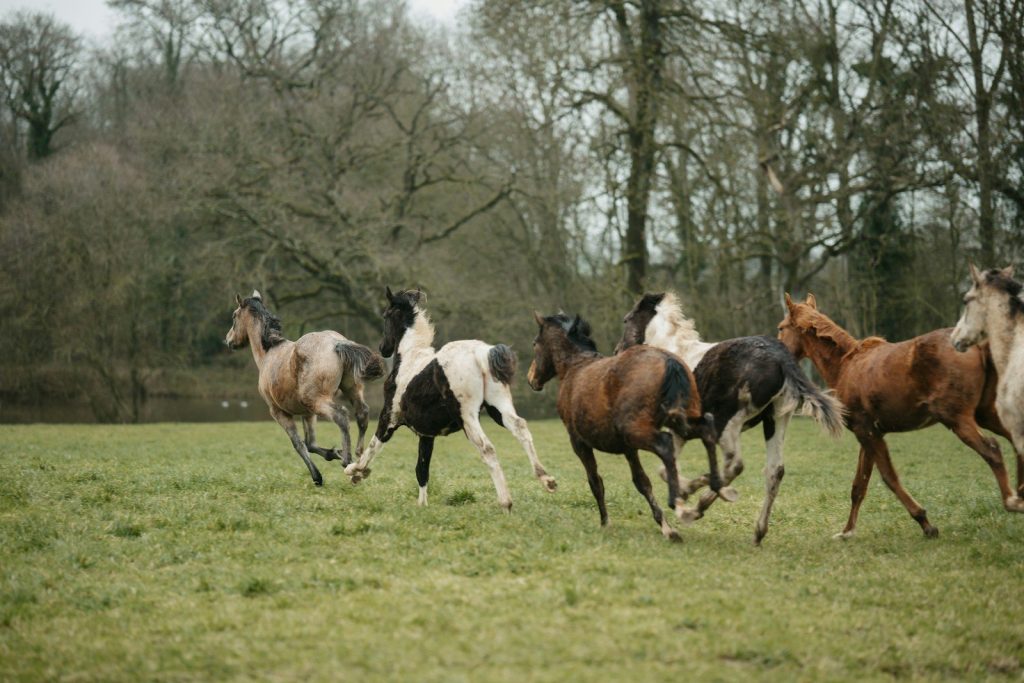
a herd of horses running across a lush green field
Photo by Martin Baron on Unsplash

Few places in America still allow people to witness wild horses freely roaming ocean beaches. The Maryland herds represent a living connection between wildlife, history, and coastal survival.

For many visitors, seeing these animals emerge through ocean mist and sand dunes feels like stepping into another era untouched by modern life.
Post navigation

Previous: Orphaned Baby Hippo “Bumpy” Finds Hope After Tragic Start in Kenya
Next: The Legendary Shorebird That Keeps Returning to North Carolina’s Outer Banks

Related Posts

black and white animal on brown tree trunk during daytime

What To Do If You Discover a Skunk Living in Your Yard

May 26, 2026May 25, 2026 Jake
a cow standing in a field with a bird on top of it

Cows Shock Farmer by Protecting Wild Duck Eggs From Predators

May 25, 2026May 25, 2026 Jake
white and brown snake on brown sand

The Snake Filled National Parks Every Hiker Should Know About

May 25, 2026May 25, 2026 Jake

Leave a Reply Cancel reply

Your email address will not be published. Required fields are marked *

Recent Posts

  • What To Do If You Discover a Skunk Living in Your Yard
  • What Happens When a Hungry Polar Bear Approaches Humans in the Arctic
  • Are We Living Through Earth’s Sixth Mass Extinction?
  • Cows Shock Farmer by Protecting Wild Duck Eggs From Predators
  • The Snake Filled National Parks Every Hiker Should Know About
Copyright All Rights Reserved | Theme: BlockWP by Candid Themes.