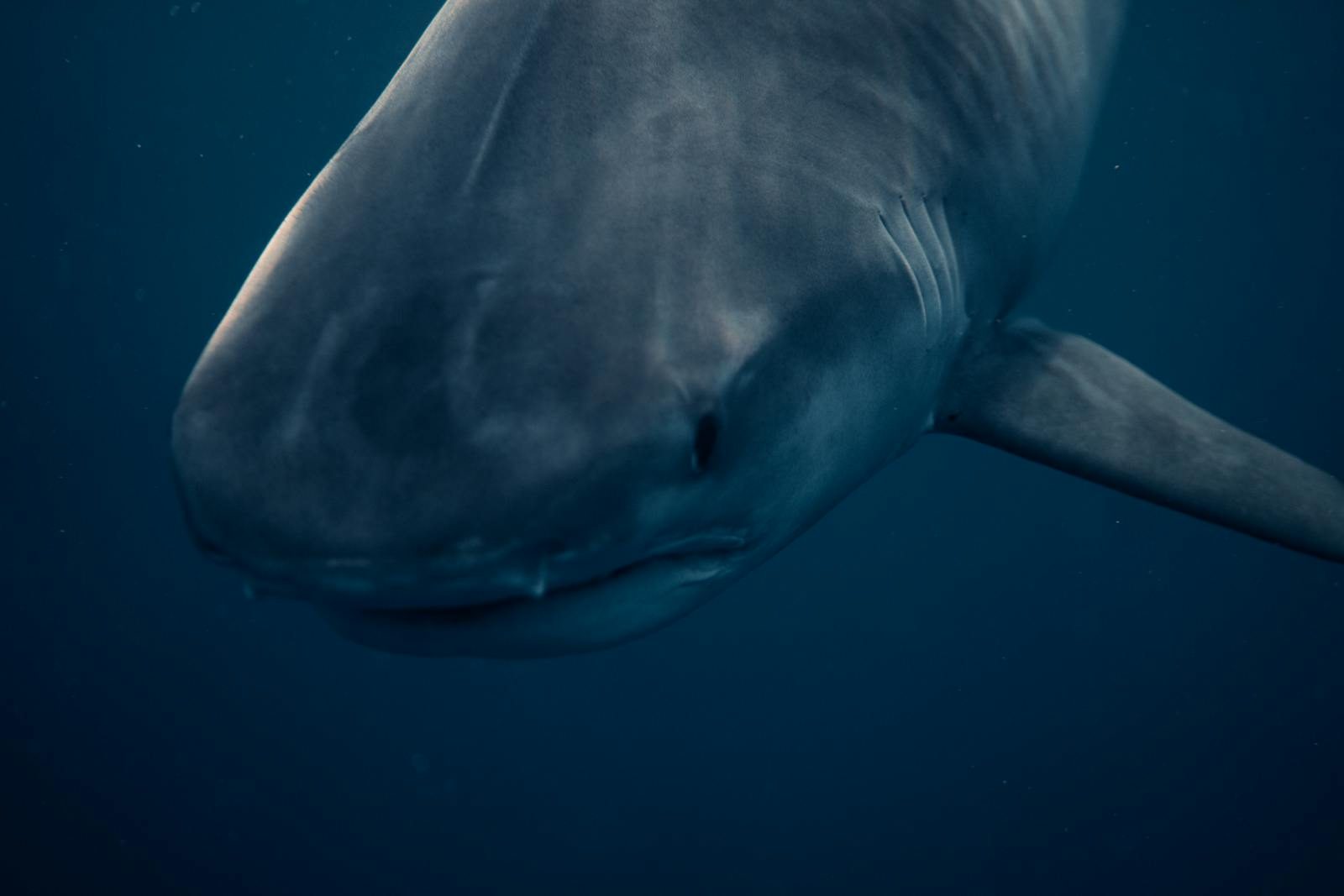
A fisherman has died after a great white shark attack near Rottnest Island off the coast of Western Australia. The incident happened Saturday morning near Horseshoe Reef, a popular location for diving and fishing close to the city of Perth.
The attack has once again raised concerns about shark encounters in Australian waters, where fatal incidents remain among the highest in the world.
Spearfishing Trip Turned Tragic
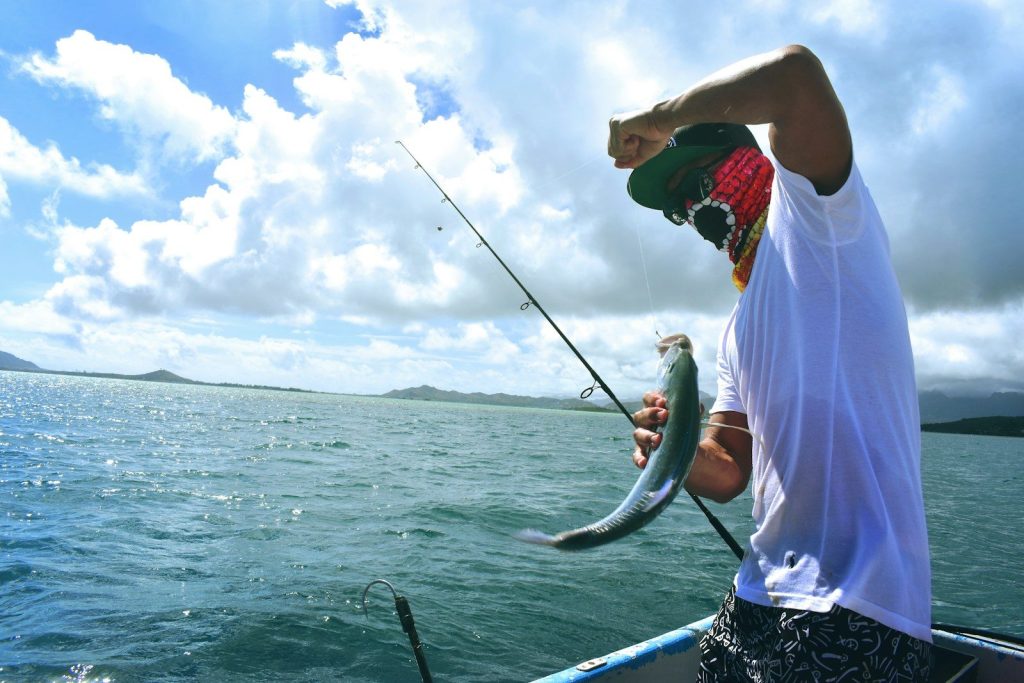
The 38-year-old man was reportedly spearfishing with friends when the shark attacked. According to police, he was floating on the surface about 20 meters away from his boat when the great white shark bit his lower legs.
Friends quickly pulled him from the water and attempted CPR while returning to shore, but he later died after arriving at the jetty.
Witnesses Described a Disturbing Scene
People on the island described the situation as heartbreaking and shocking. Emergency crews and police officers rushed to the area as bystanders watched rescue attempts unfold near the shoreline.
Many visitors come to Rottnest Island for its beaches, diving spots, and calm waters, making the attack especially unsettling for locals and tourists alike.
Great White Shark Estimated at 13 Feet Long
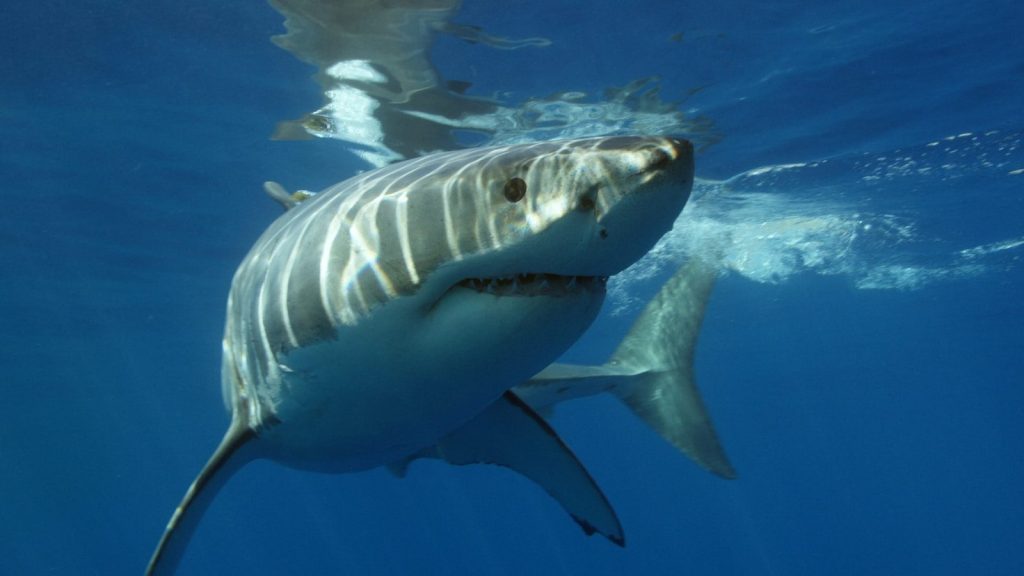
Officials said the shark involved in the attack was believed to be a great white measuring around 4 meters, or roughly 13 feet in length.
Authorities urged people to use extra caution in nearby waters following the incident while monitoring the area for additional shark activity.
Australia Records Some of the Highest Fatal Shark Attacks
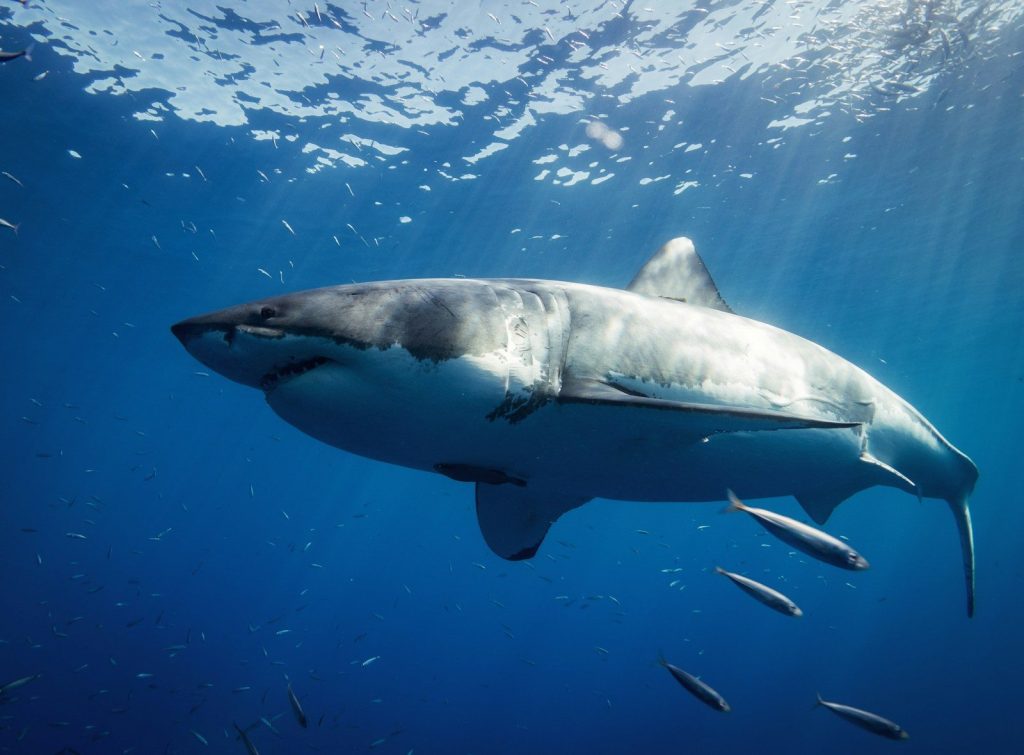
Australia has recorded nearly 1,300 shark incidents since official records began in the late 1700s. More than 260 of those encounters have been fatal.
While the United States reports more total shark bites overall, Australia continues to record the world’s highest number of fatal shark attacks.
Why Shark Encounters May Be Increasing
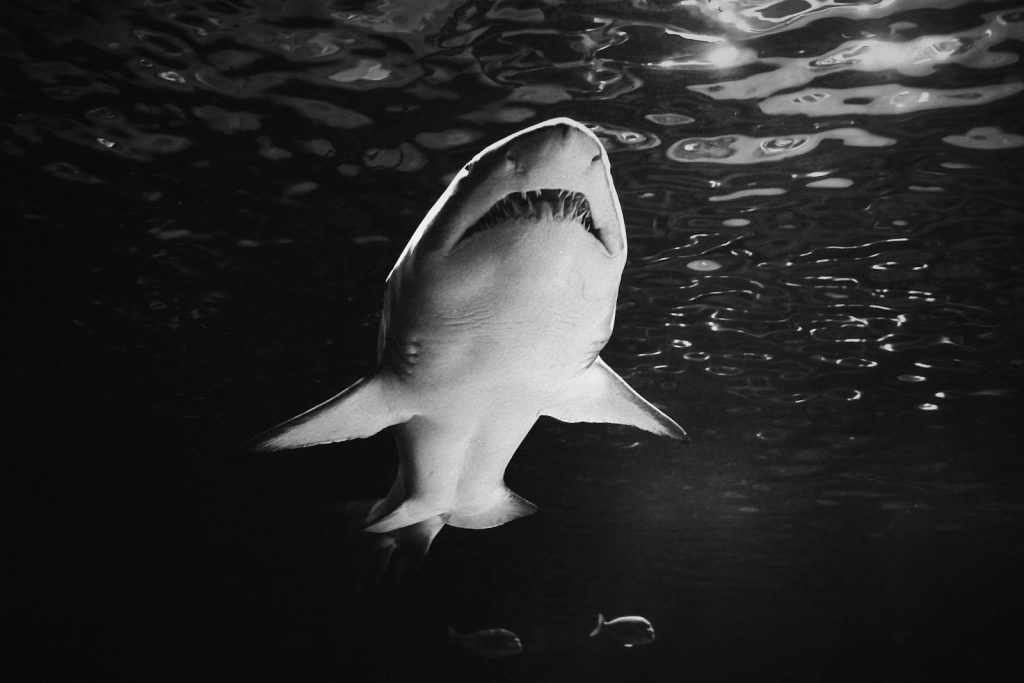
Experts continue debating why shark encounters appear to be rising in parts of Australia. Some believe growing beach populations and water activities increase the chances of contact with sharks.
Others point to changing ocean conditions, shifting migration patterns, and stronger environmental protections that may be helping shark populations recover.
Spearfishing Can Attract Predators
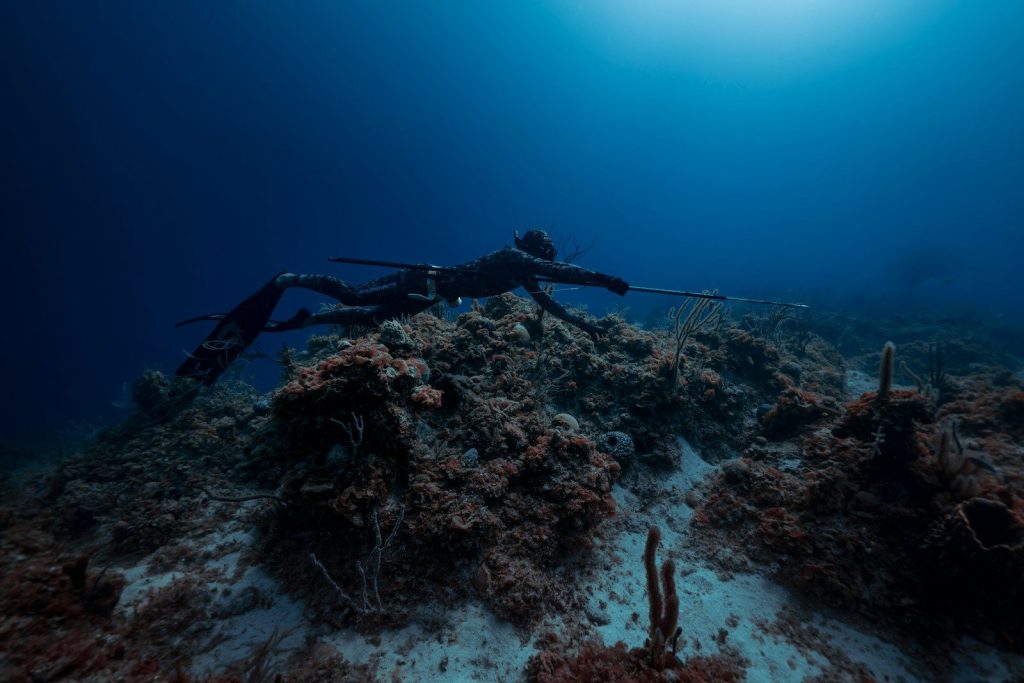
Spearfishing is considered one of the higher-risk ocean activities because injured fish and movement in the water may attract sharks from long distances.
Although attacks remain rare, marine experts often advise divers and fishermen to stay alert in areas known for large shark populations.
Shark Attacks Remain Extremely Rare Overall
Despite headlines and public fear, shark attacks remain very uncommon compared to the millions of people who enter oceans every year.
Most sharks do not target humans, and experts stress that encounters are still statistically rare even in countries with large shark populations like Australia.