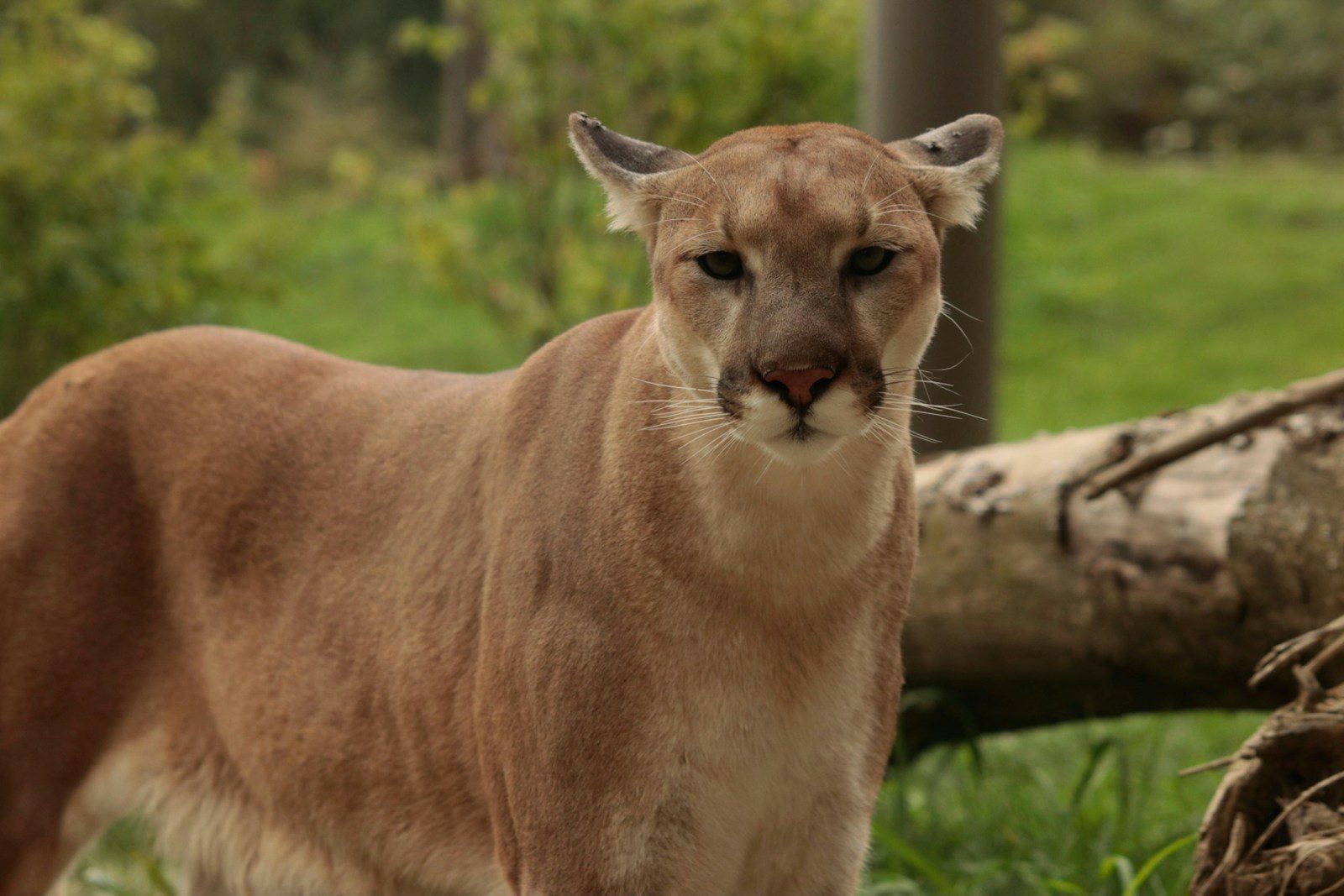
The Andes mountains host one of the most extreme environments on Earth, where thin air, freezing temperatures, and rugged terrain shape the survival of every species. At the top of this challenging ecosystem sits a powerful predator that has adapted perfectly to life in the high altitudes.
This apex predator plays a crucial role in maintaining ecological balance across the Andes. Its hunting skill, endurance, and adaptability make it one of the most important animals in the region’s food chain.
The Andes Environment Demands Extreme Adaptation
The Andes stretch across South America and contain some of the highest peaks outside Asia, creating a harsh environment for wildlife. Oxygen levels are low, temperatures fluctuate drastically, and food sources can be scarce.
Only highly adapted species can survive in these conditions over long periods. This has shaped a unique ecosystem where survival depends on strength, intelligence, and efficiency.
The Top Predator Dominates High Altitude Hunting

At the summit of the Andes food chain, predators rely on stealth and endurance rather than pure speed. These animals often hunt across wide territories to secure enough prey in difficult terrain.
Their physical traits allow them to move effortlessly across rocky cliffs and steep slopes. This makes them highly efficient hunters in an environment where every energy expenditure matters.
Hunting Strategies Rely On Patience And Precision
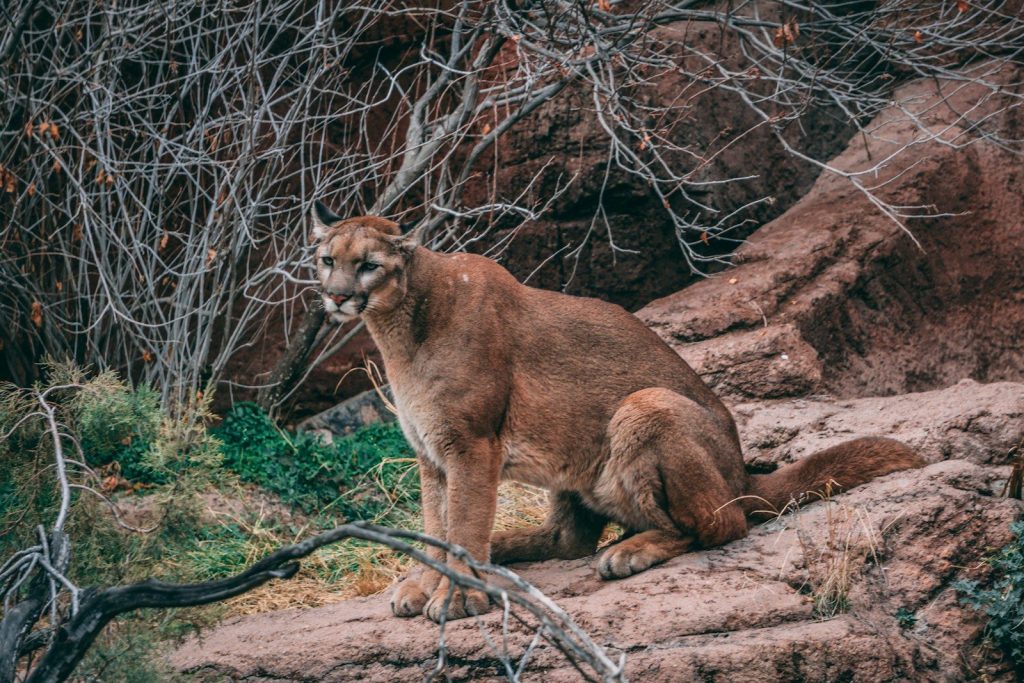
Andean predators often use ambush techniques to capture prey rather than long chases. They take advantage of elevation, camouflage, and sudden bursts of speed to secure their targets.
This method reduces energy loss and increases success rates in an environment where survival is tightly balanced. Experts note that such strategies are essential for life in extreme mountain regions.
Prey Species Have Developed Strong Defensive Traits
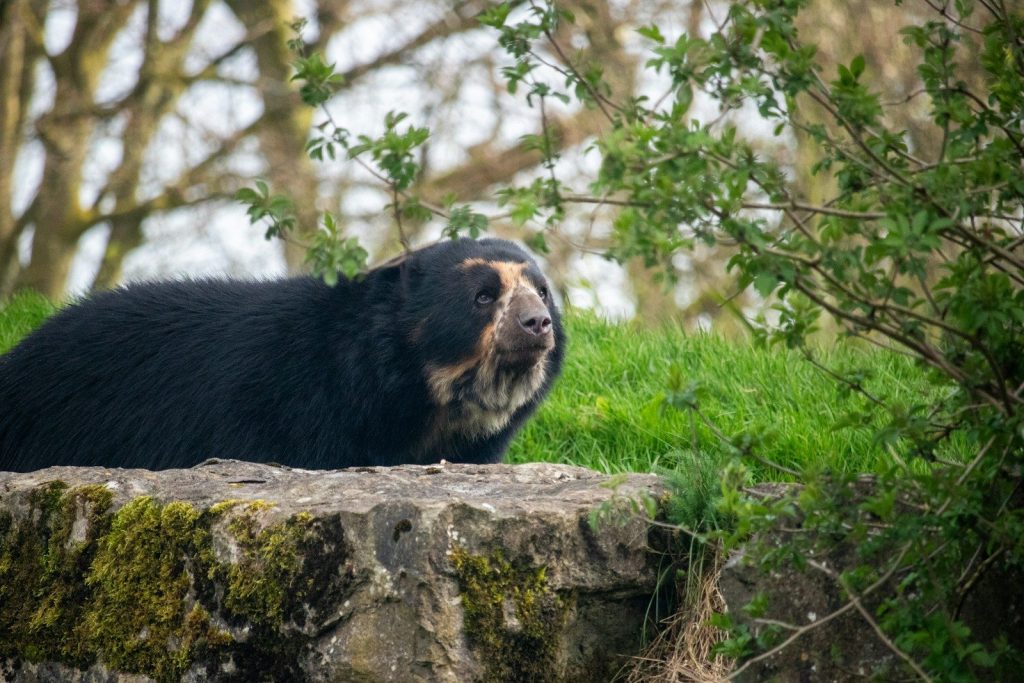
Animals living in the Andes have evolved to detect predators early and escape across dangerous terrain. Many species rely on group vigilance or rapid climbing ability to avoid capture.
This constant pressure has created a highly competitive ecosystem where both predator and prey must continuously adapt. The balance between them helps regulate population levels across the mountains.
The Predator Plays A Key Role In Ecosystem Stability

By controlling herbivore populations, the apex predator prevents overgrazing and maintains vegetation health in fragile alpine environments. This ecological balance supports a wide range of plant and animal life.
Without this predator, the entire food chain could become unstable over time. Scientists emphasize its importance in preserving biodiversity across the Andes region.
Human Activity Threatens High Altitude Wildlife
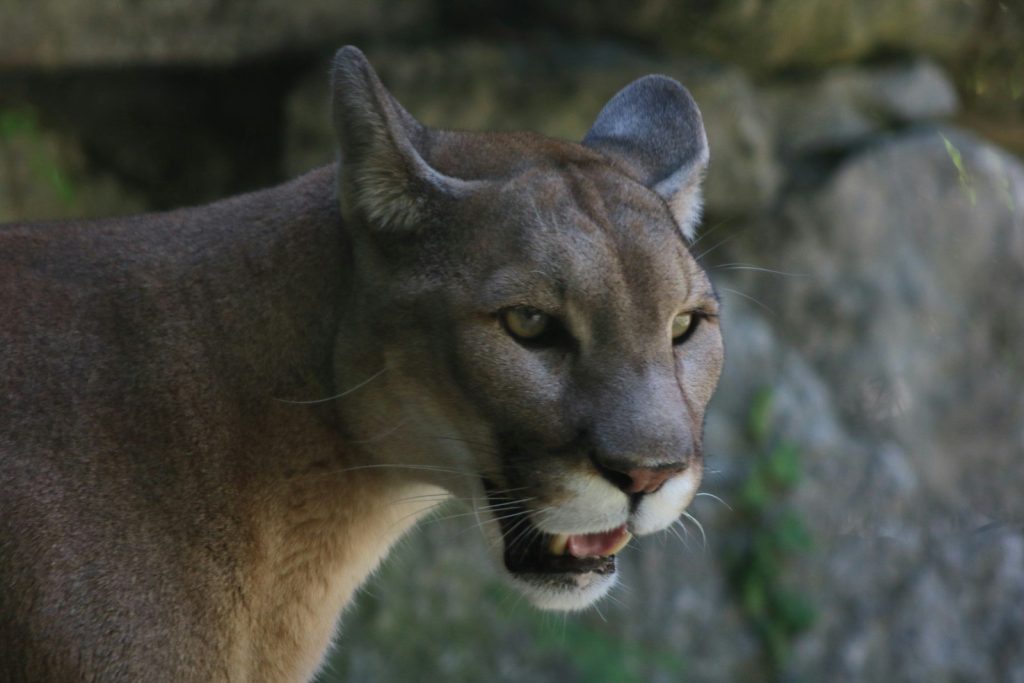
Expanding agriculture, mining, and climate change are increasingly impacting habitats in the Andes. These pressures can reduce prey availability and disrupt natural hunting patterns.
Conservationists warn that protecting apex predators is essential for maintaining ecosystem health. Preserving their habitat ensures that the delicate balance of the Andes food chain remains intact.