Skip to content

Recent Posts

  • What To Do If You Discover a Skunk Living in Your Yard
  • What Happens When a Hungry Polar Bear Approaches Humans in the Arctic
  • Are We Living Through Earth’s Sixth Mass Extinction?
  • Cows Shock Farmer by Protecting Wild Duck Eggs From Predators
  • The Snake Filled National Parks Every Hiker Should Know About

Most Used Categories

  • Nature & Wildlife (52)
  • Risk (19)
  • Hunting (15)
  • Bees/Swarms fear (10)
  • Survival (9)
  • Exotic Animals (7)
  • Suspense (6)
  • Human Interest (4)
  • Adventure (3)
  • Gears (2)
Skip to content
  • About Us
  • Contact Us
  • Disclaimer
  • Privacy Policy
  • Terms & Conditions

Hive Hunters Tales

  • Suspense
  • Nature & Wildlife
  • Human Interest
  • Hunting
  • Bees/Swarms fear
  • Exotic Animals
  • Risk
  • Survival
  • Adventure
  • Gears
  • Home
  • Exotic Animals
  • Can Exotic Animals Survive in Captivity? Truth Revealed
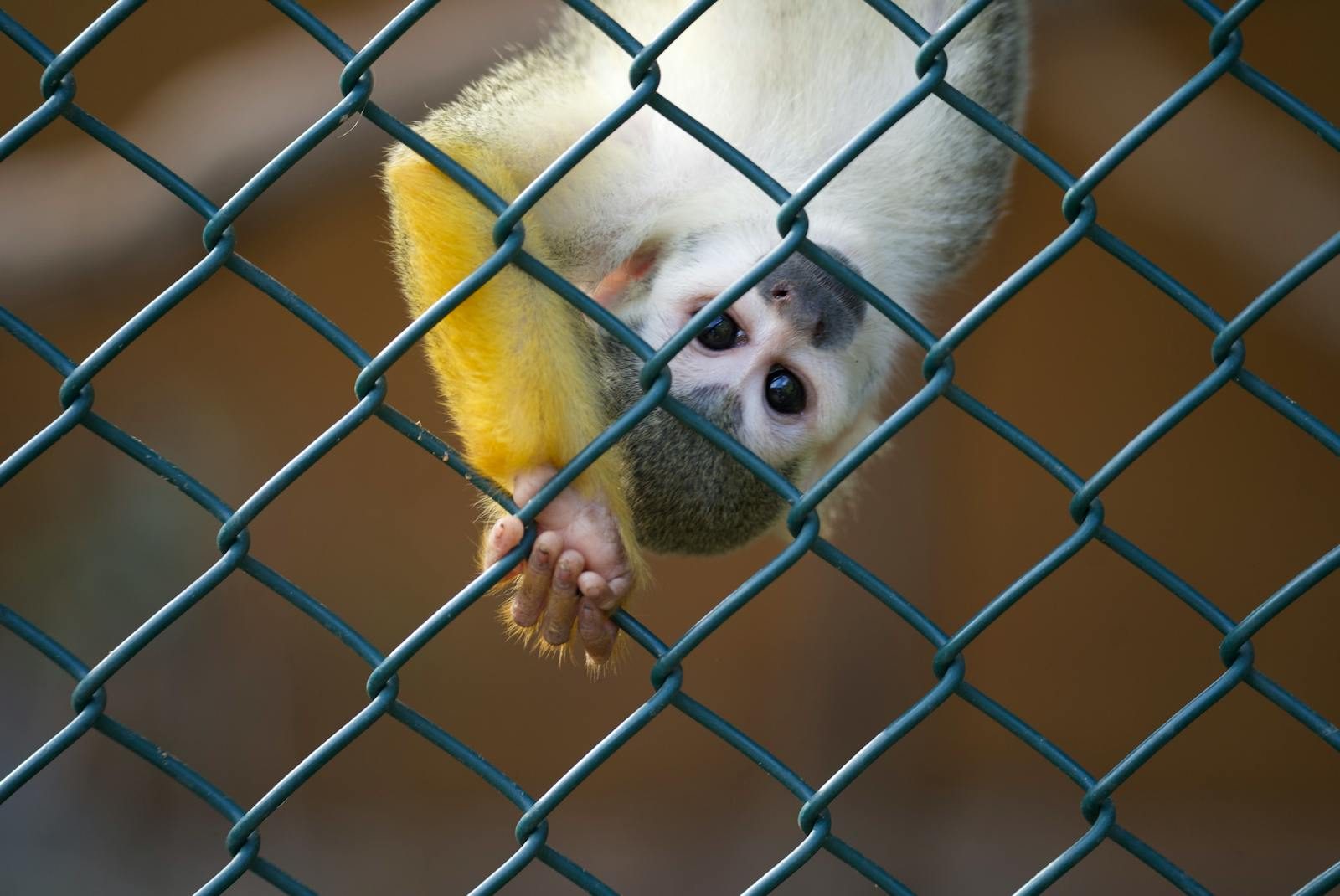
A lively squirrel monkey hangs upside down from a chain-link fence, showcasing its agility.

Can Exotic Animals Survive in Captivity? Truth Revealed

JakeMay 18, 2026

Exotic animals—from reptiles and birds to small wild mammals—can survive in captivity, but survival is not the same as thriving. Their long-term health depends heavily on how closely their captive environment matches their natural habitat.

The truth is simple: captivity can either support life or slowly break it down, depending on care, knowledge, and responsibility.

Survival Is Possible, But Conditions Matter
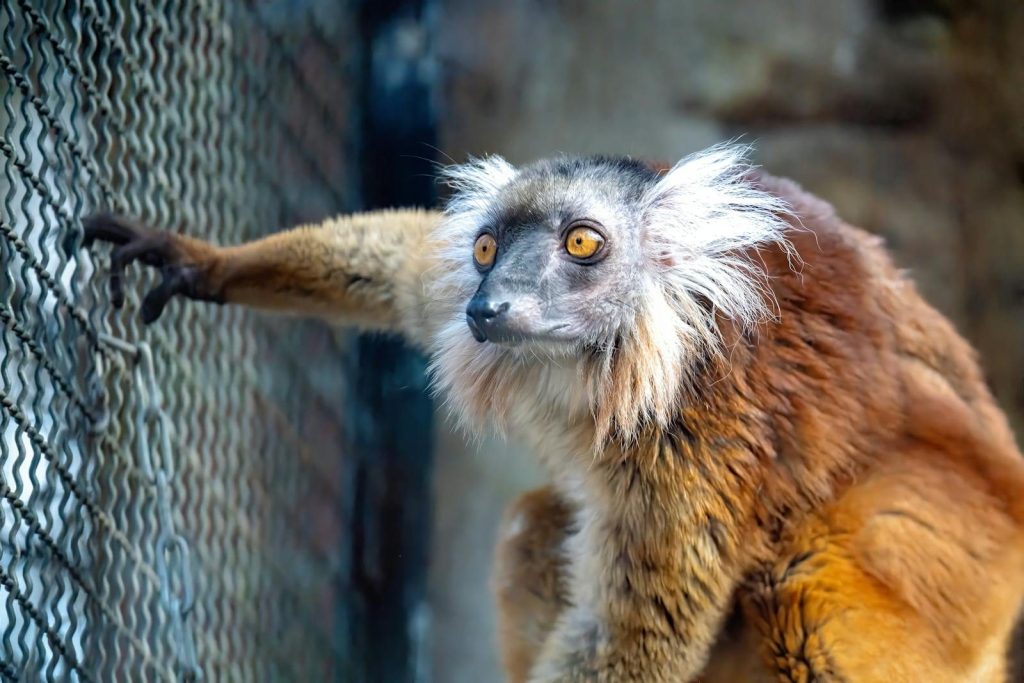
Close-up of a blue-eyed black lemur with striking orange fur leaning on a cage.
Photo by Gundula Vogel on Pexels

Many exotic animals do survive in captivity when their basic needs are met. This includes proper temperature, diet, space, and hygiene.

However, even small mistakes in care can create chronic stress or illness that shortens lifespan and reduces quality of life.

Natural Behavior Is Hard to Replicate
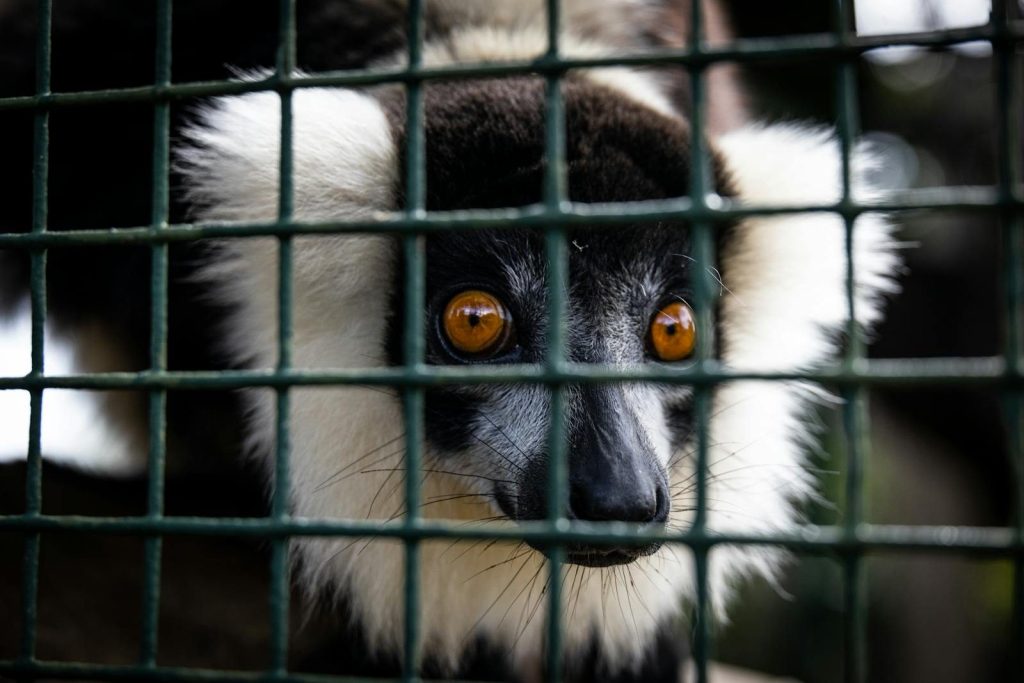
Close-up of a black-and-white ruffed lemur's face behind a cage, showing its vibrant eyes.
Photo by Magda Ehlers on Pexels

In the wild, exotic animals spend their time hunting, climbing, migrating, or exploring large territories. Captivity often restricts these behaviors.

Without proper enrichment, animals may develop repetitive actions, stress responses, or loss of appetite due to boredom and confinement.

Diet Is One of the Biggest Challenges
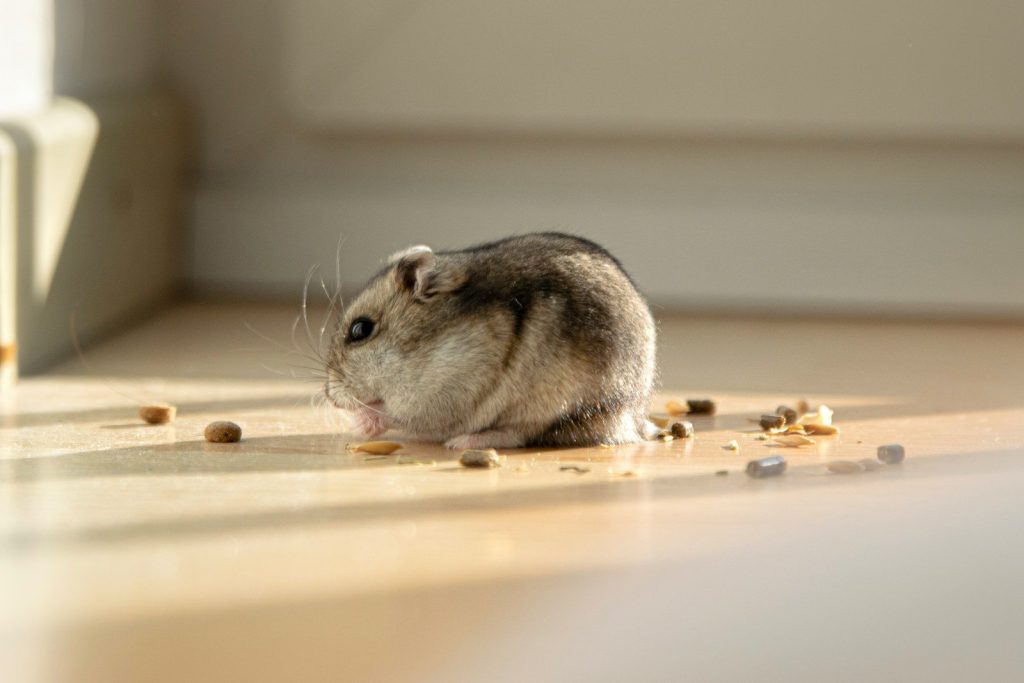
selective focus photography of rodent on white floor
Photo by Frenjamin Benklin on Unsplash

Feeding exotic animals correctly is one of the most difficult parts of captivity. Many species require very specific diets that are hard to replicate outside the wild.

Nutritional imbalance can lead to metabolic disorders, weakened immune systems, and long-term health issues.

Enclosures Must Replace Entire Ecosystems
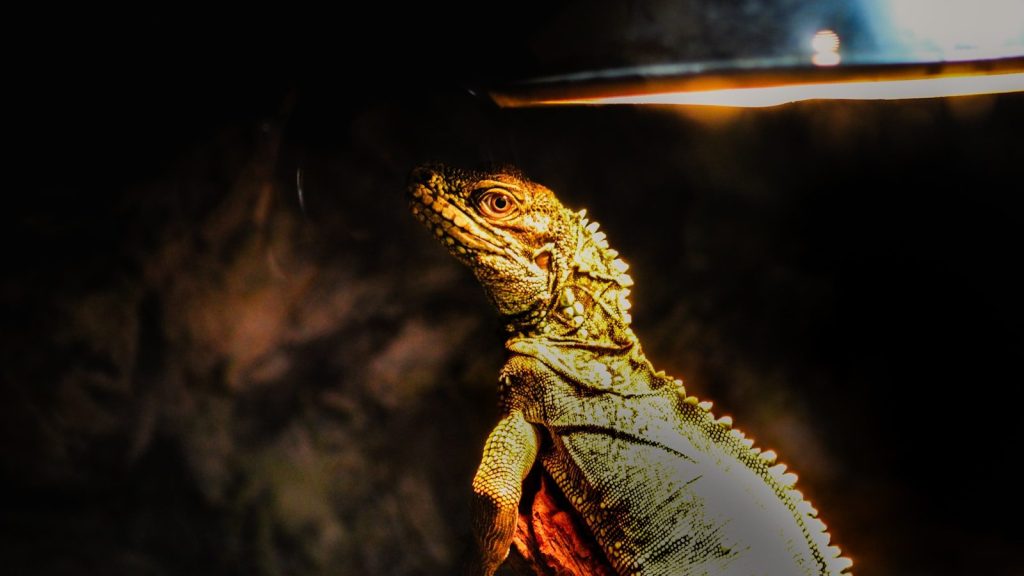
A close-up of a lizard under a heat lamp.
Photo by Arjun Raj on Unsplash

A cage or tank is not just housing, it must function like a controlled ecosystem. Temperature, humidity, lighting, and space all play a critical role in survival.

Reptiles, amphibians, and tropical species are especially sensitive to environmental changes that don’t match their natural conditions.

Stress Has a Major Impact on Health
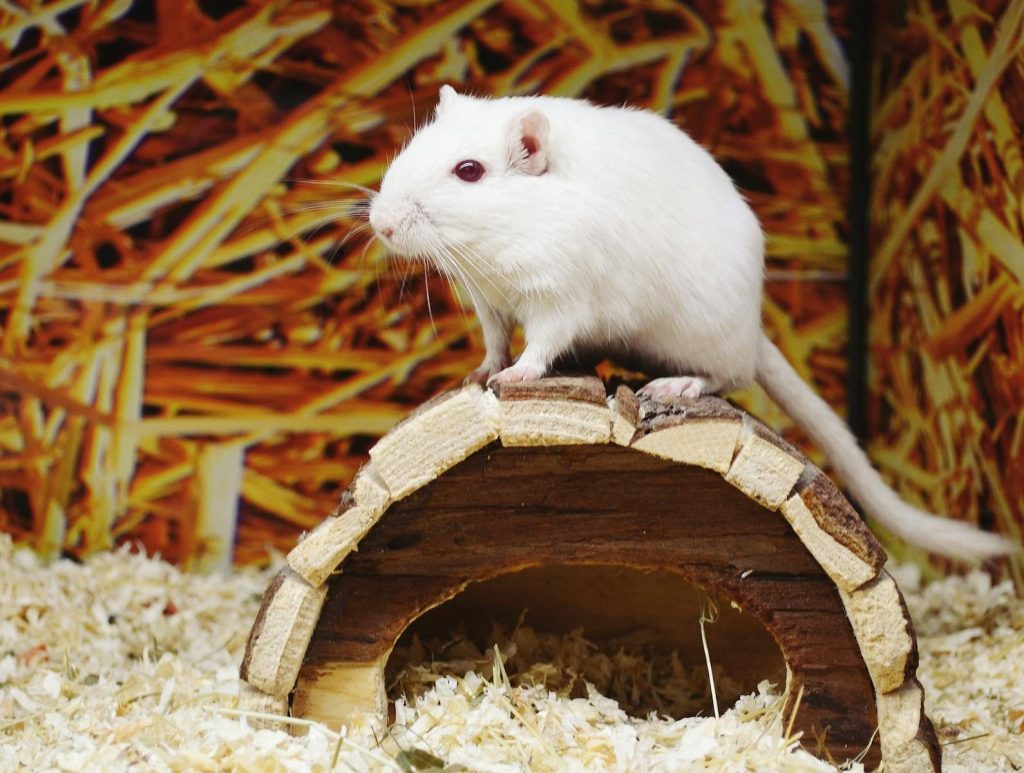
A cute white gerbil perched on a wooden hideout, showcasing its natural habitat in a pet store.
Photo by Crina Doltu on Pexels

Exotic animals are often highly sensitive to stress. Loud environments, frequent handling, or improper enclosure setup can trigger long-term physiological problems.

Chronic stress weakens immune systems and makes animals more vulnerable to disease.

Veterinary Care Is Often Limited
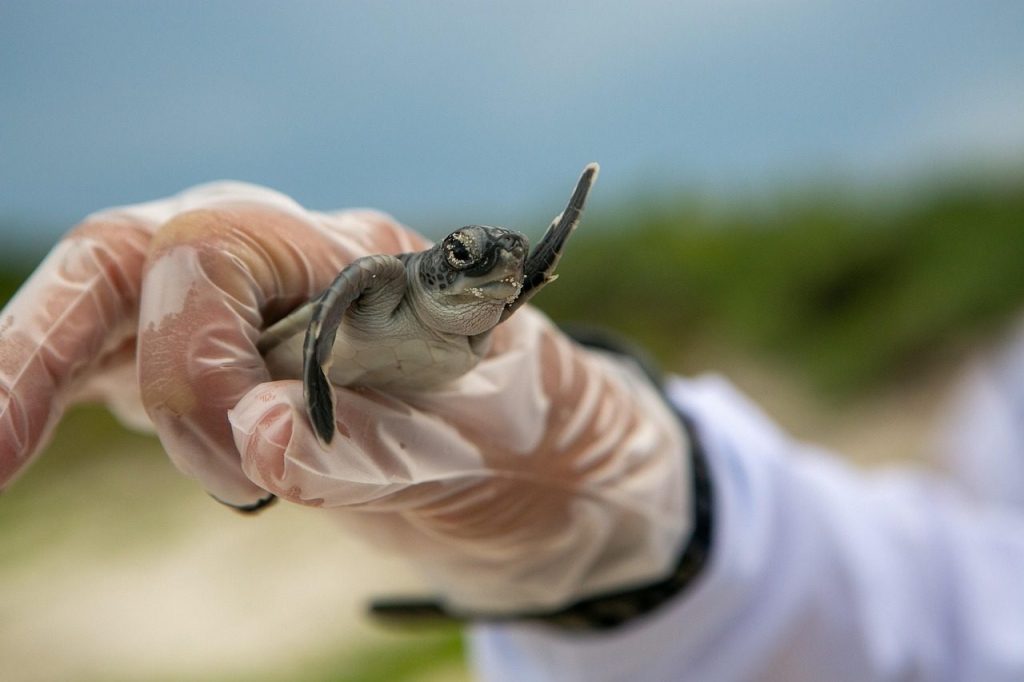
baby turtle, animal, hand, turtle, baby, young, reptile, wildlife, nature, closeup, wildlife recovery, turtle, turtle, turtle, turtle, turtle
Photo by MatrixDiver on Pixabay

Unlike cats and dogs, exotic pets require specialized veterinary care. Not all clinics are equipped to handle their unique biology.

This makes early detection and treatment of illness more difficult, increasing risks in captivity.

Ethical Responsibility Comes Before Ownership

Woman holding sugar gliders on the sofa indoors.
Photo by MART PRODUCTION on Pexels

Keeping exotic animals is not just about fascination; it is a long-term responsibility. Some species live decades and require consistent, informed care throughout their lives.

Understanding whether an animal can truly thrive in captivity is essential before bringing it into a human environment.
Post navigation

Previous: Why Proper Husbandry Is Critical for Exotic Pet Survival
Next: Meet the World’s Most Poisonous Animals on Earth

Related Posts

raccoon illustration

What You Should Do If You See a Raccoon in Your Yard

May 22, 2026May 22, 2026 Jake
A leopard gecko with yellow and black spots

Cute Animals That Are Actually Quite Dangerous

May 18, 2026May 18, 2026 Jake
A pale axolotl with pink gills underwater.

Why Proper Husbandry Is Critical for Exotic Pet Survival

May 18, 2026 Jake

Leave a Reply Cancel reply

Your email address will not be published. Required fields are marked *

Recent Posts

  • What To Do If You Discover a Skunk Living in Your Yard
  • What Happens When a Hungry Polar Bear Approaches Humans in the Arctic
  • Are We Living Through Earth’s Sixth Mass Extinction?
  • Cows Shock Farmer by Protecting Wild Duck Eggs From Predators
  • The Snake Filled National Parks Every Hiker Should Know About
Copyright All Rights Reserved | Theme: BlockWP by Candid Themes.