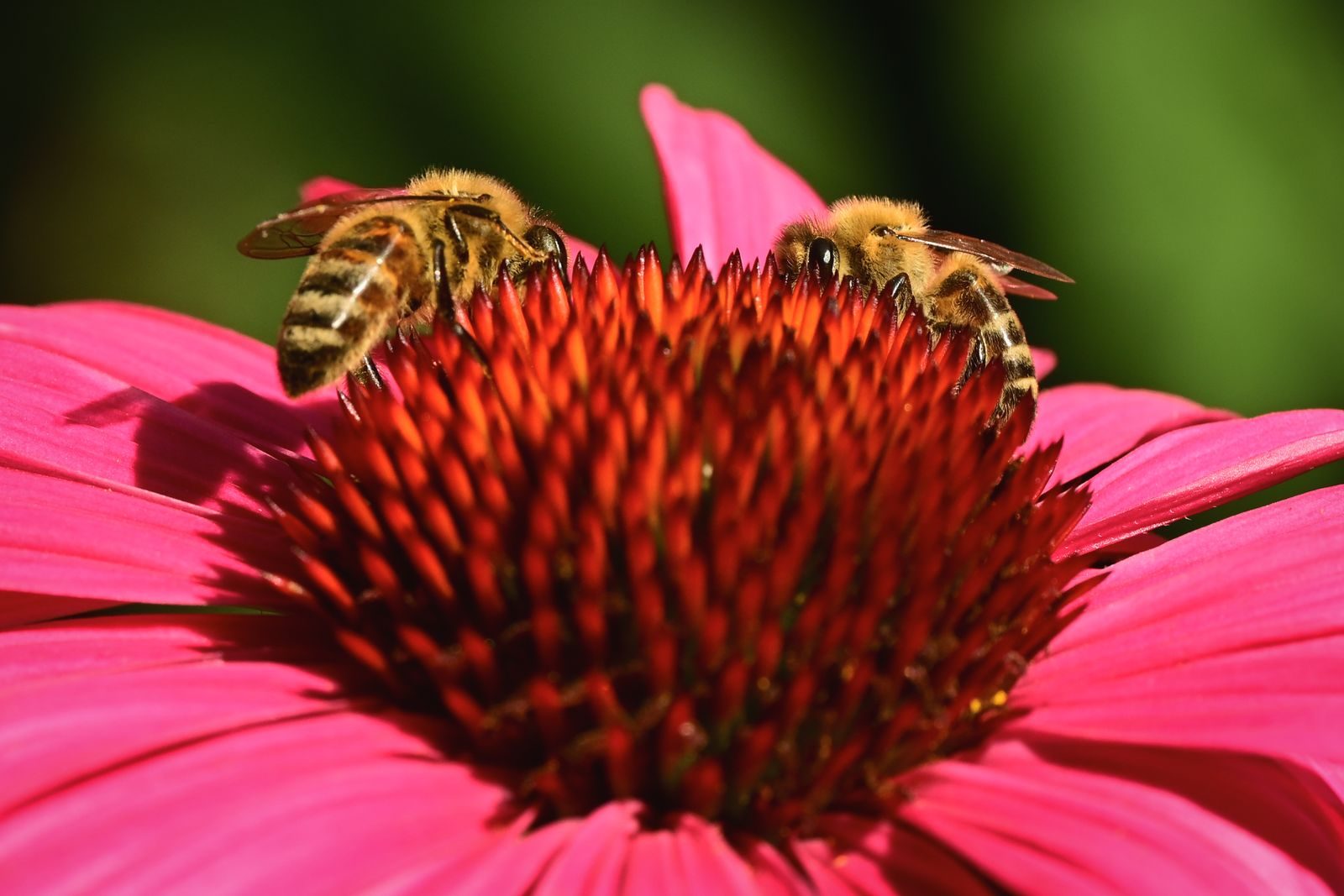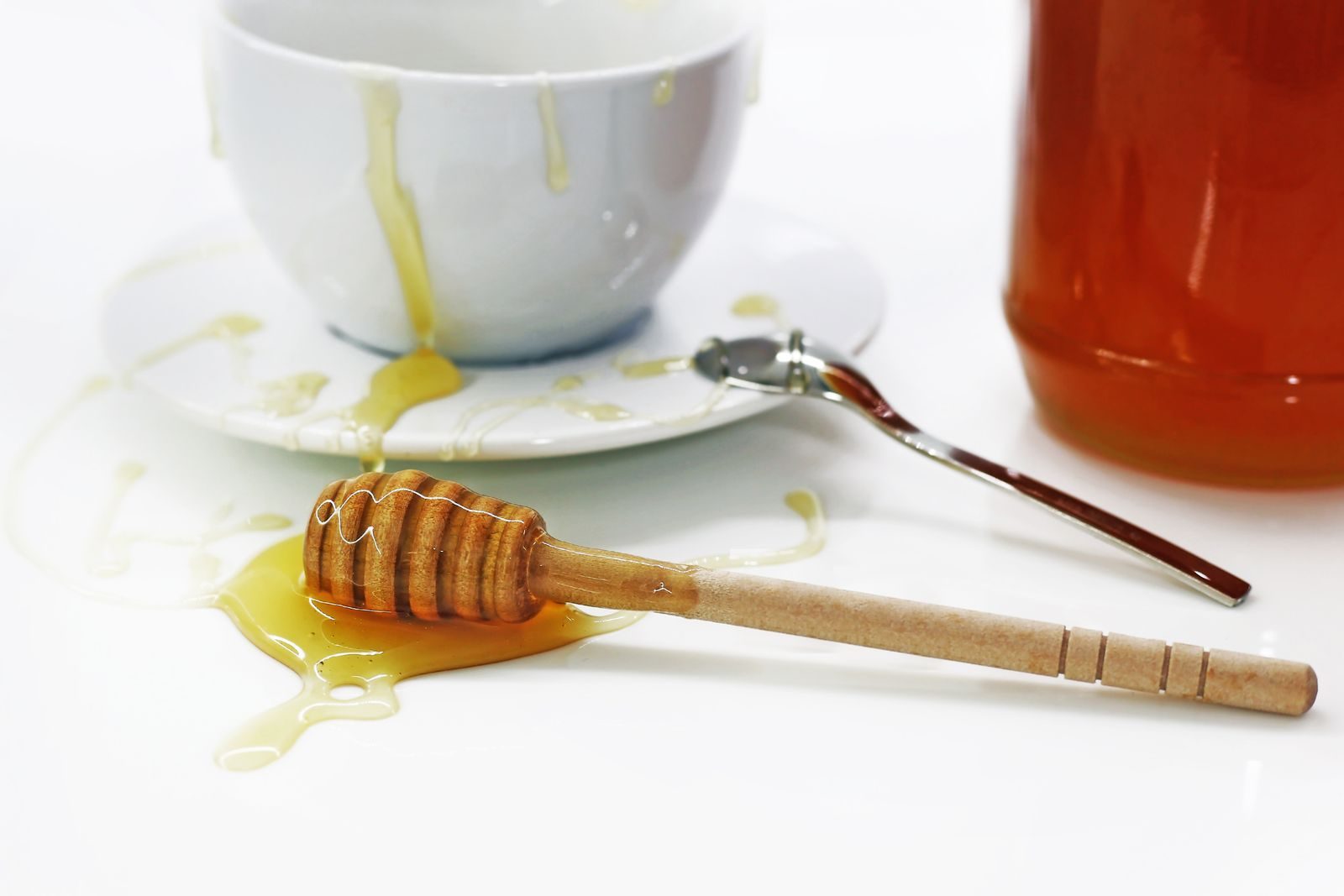
Honey contains sugars along with water and small quantities of plant compounds, acids, minerals, and other substances. Its flavor and composition vary with the flowers visited by bees.
However, honey is still classified as a free or added sugar. Replacing table sugar with honey does not remove the need to limit total sugar intake.
Honey Is Still Sugar
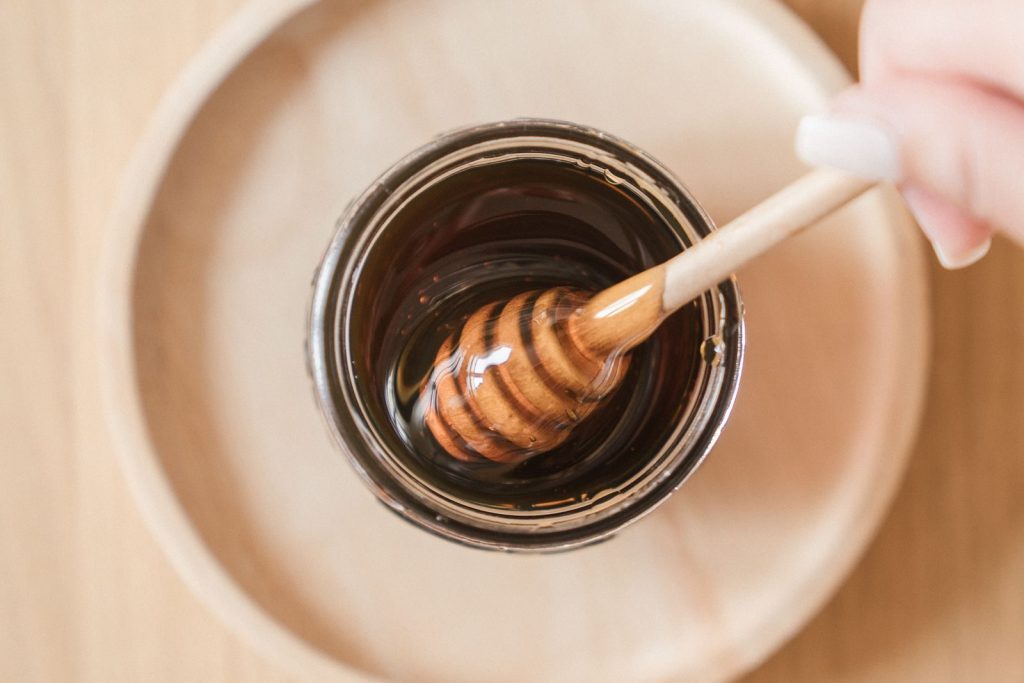
The World Health Organization includes sugars naturally present in honey within its definition of free sugars. These sugars should make up less than 10 percent of daily energy intake, with a lower level offering additional dental and health benefits.
The Sugars Differ Slightly

Table sugar is mainly sucrose, while honey contains varying proportions of glucose and fructose alongside water. The body still absorbs these simple sugars and uses them for energy. Honey’s natural origin does not prevent it from increasing blood glucose or contributing calories.
Honey Is Sweeter and Denser

Honey may taste sweeter than table sugar, allowing some people to use a smaller amount. However, volume-for-volume comparisons can be misleading because honey is denser. Pouring a large spoonful instead of measuring carefully may provide as much or more sugar than expected.
Studies Show Modest Benefits
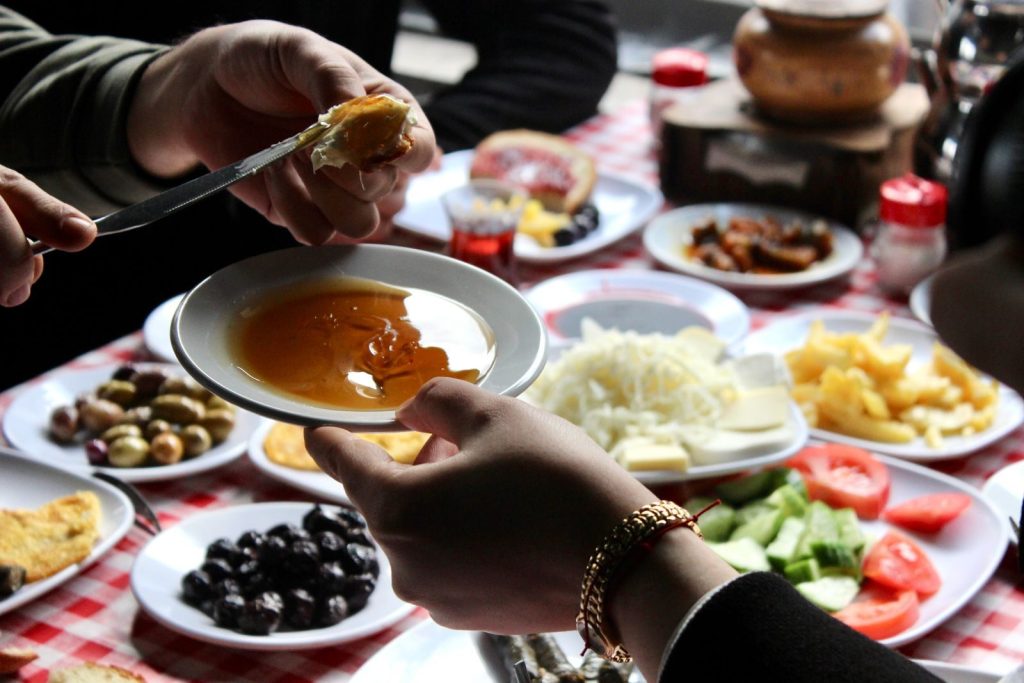
A systematic review found that replacing other free sugars with certain forms of honey may modestly improve some measures, including fasting glucose and cholesterol. Results varied according to honey type, processing, study design, and participant health, so honey should not be treated as medicine.
Honey May Ease Coughs
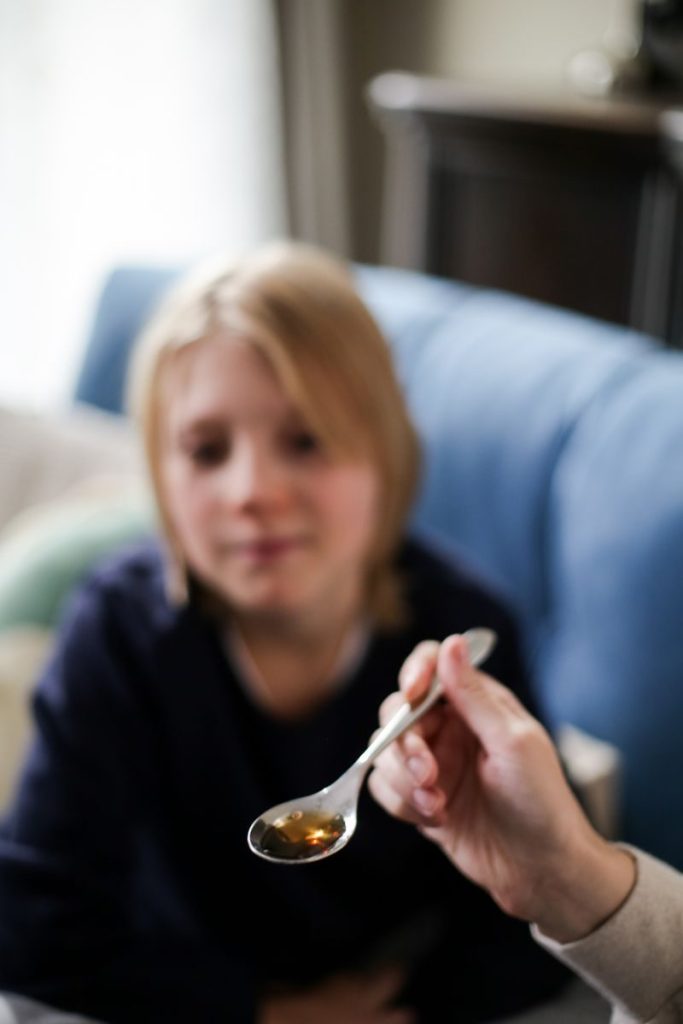
Evidence suggests that honey may reduce acute cough symptoms in children older than one year, particularly at night. The evidence is limited and does not show that honey cures the infection causing the cough. Medical advice remains important when breathing, fever, or symptoms are concerning.
Plant Compounds Vary

Dark or minimally processed honeys may contain more antioxidant plant compounds than lighter or heavily processed varieties. Amounts still vary widely, and a normal serving provides far fewer nutrients than fruits, vegetables, beans, nuts, or other minimally processed foods.
Babies Must Not Eat Honey

Honey should never be given to a child younger than 12 months. It may contain spores of Clostridium botulinum, which can grow in an infant’s immature digestive system and cause infant botulism. Cooking or baking does not make honey reliably safe for babies.
The Practical Verdict
Honey may offer flavor, small quantities of plant compounds, and possible cough relief, but it is not a health-free replacement for sugar. Choose it for taste, measure the amount, brush teeth properly, and keep total free sugar within recommended limits.
Featured Image: Photo by stella pag on Pexels