Adult bees do not technically hatch from their cells; they emerge. Eggs hatch into larvae earlier in development. A honey bee colony may raise numerous queen cells when swarming, replacing a failing queen, or responding to the loss of its queen.
When two virgin queens emerge close together, peaceful cooperation is unlikely. They normally search for one another, and the contest often ends when one queen stings and kills her rival.
Colonies Raise Many Queens
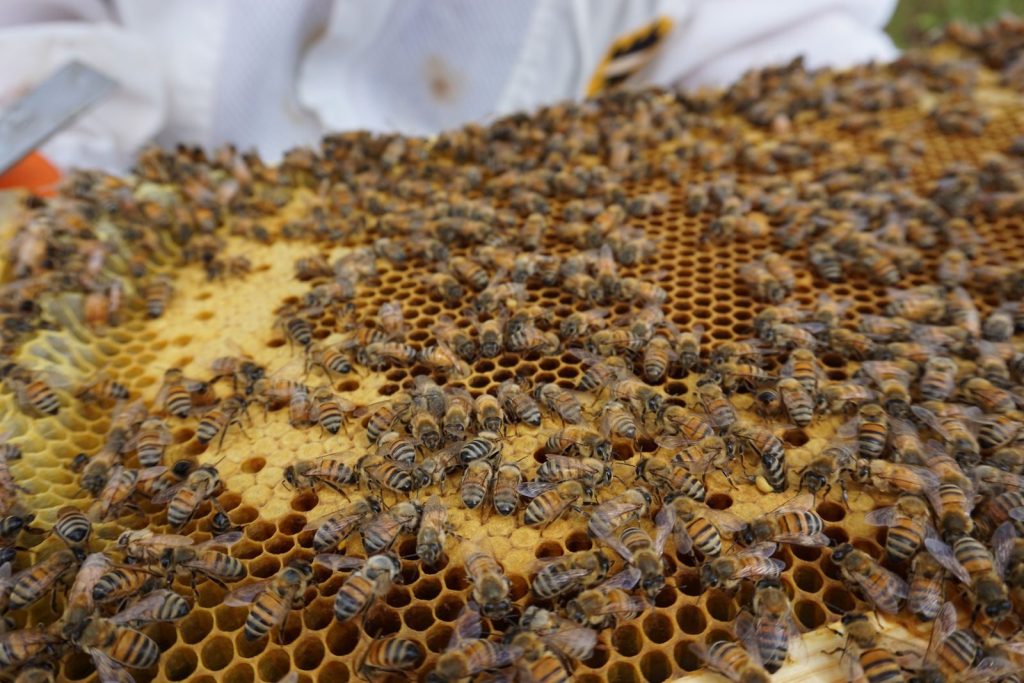
A colony preparing to swarm may construct approximately 10 to 25 queen cells. Producing several candidates increases the chance that at least one healthy queen survives development. Each queen grows inside a large peanut-shaped cell and receives intensive feeding from nurse bees.
The First Queen Emerges
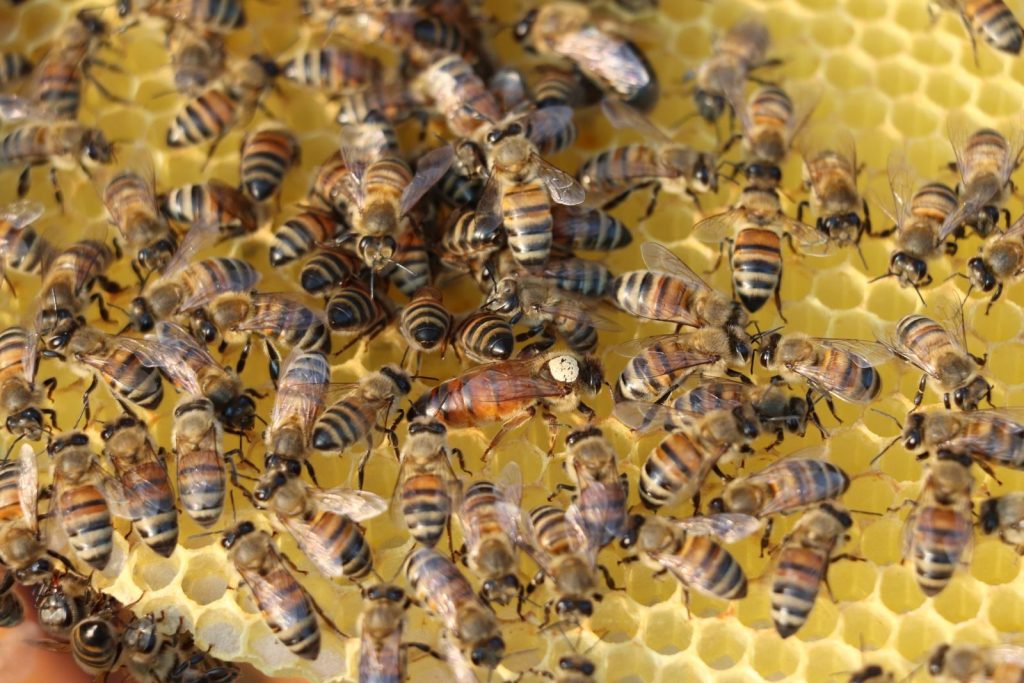
A queen normally emerges about 16 days after her egg was laid. She cuts around the cap of her cell while workers may assist from outside. After freeing herself, the virgin queen feeds, grooms, strengthens her flight muscles, and begins searching the comb for rivals.
She Announces Herself
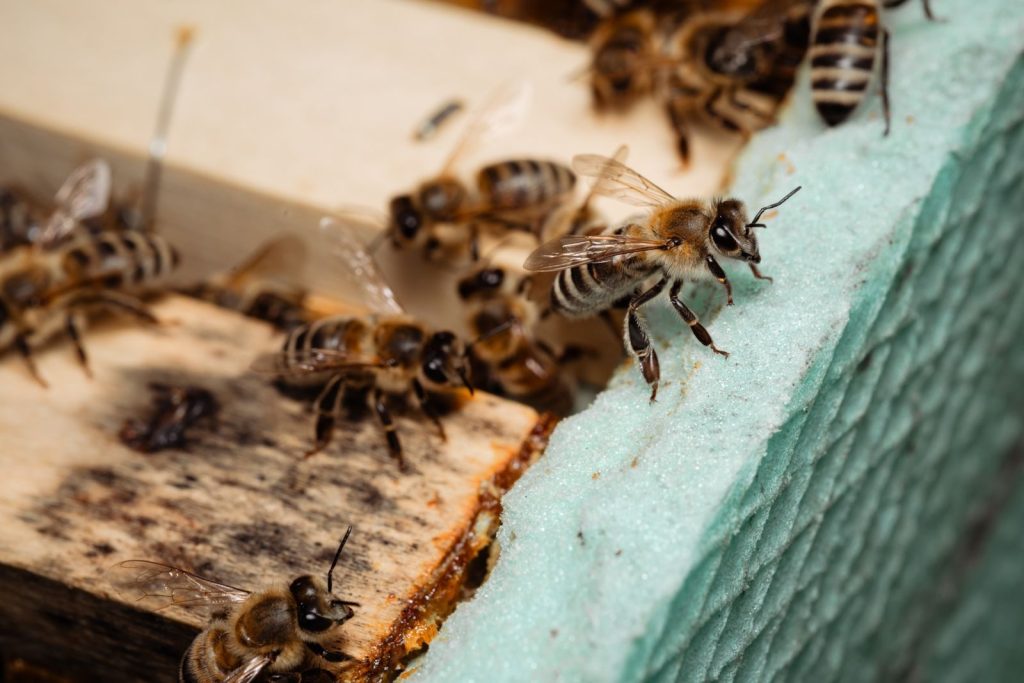
An emerged virgin queen may produce a pulsing sound called piping or tooting. The signal travels through the comb and announces that a queen is moving freely inside the colony. Beekeepers can sometimes hear it without opening the hive, particularly during the swarming season.
Queens Answer From Cells
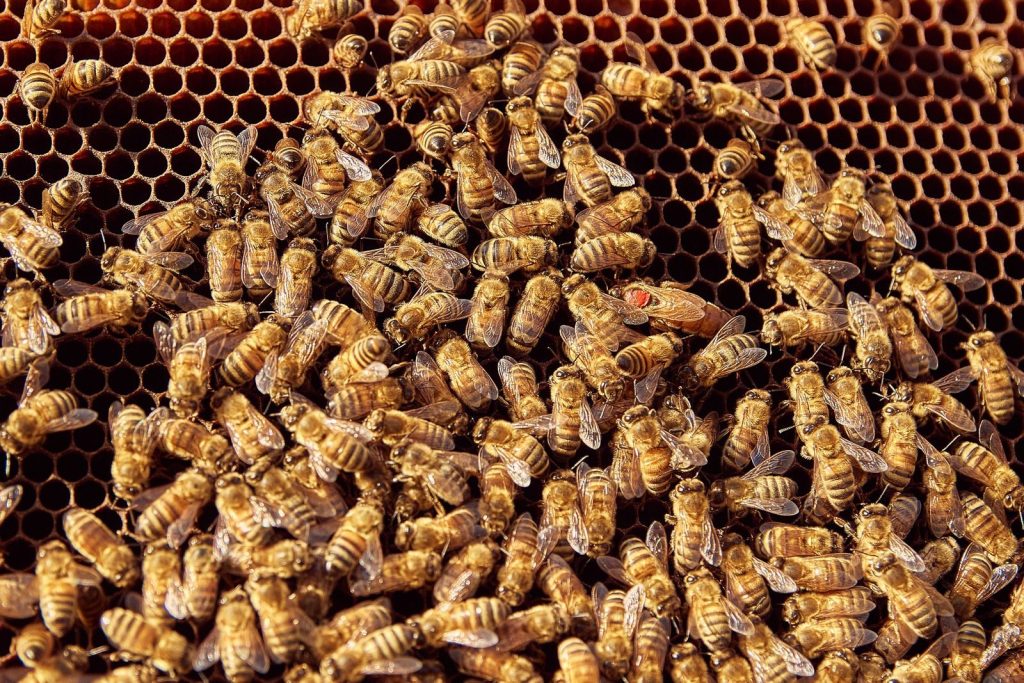
Queens that have not yet emerged may respond with shorter sounds commonly described as quacking. Workers sometimes keep these queens temporarily confined by reinforcing their cell caps. The exchange of toots and quacks may help the colony track the number and condition of its competing queens.
Rivals May Die Inside
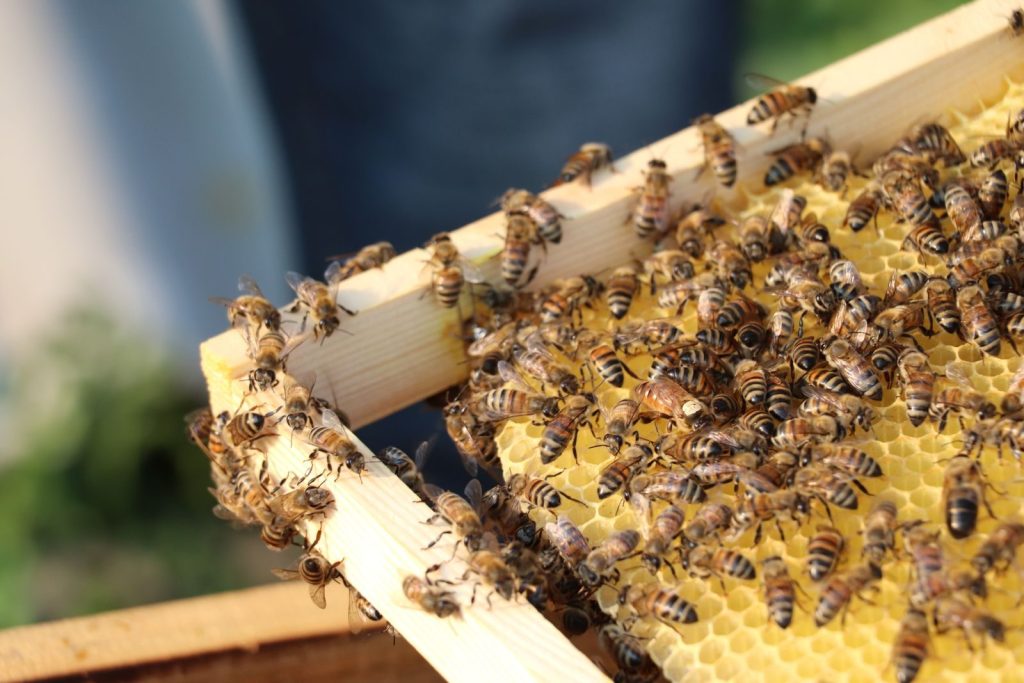
The first queen to emerge often searches for sealed queen cells. She can cut a hole into the side of a cell and sting the developing queen within it. Emerging earlier therefore provides an important advantage because rivals may be eliminated before they can defend themselves.
Two Queens Will Fight
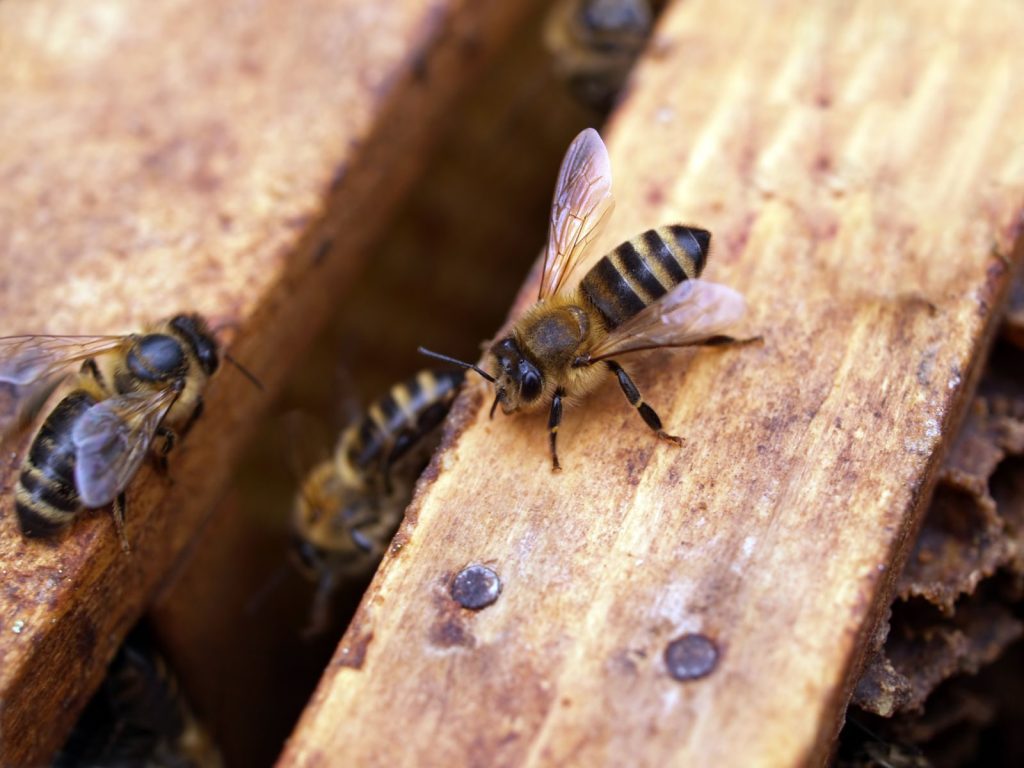
When two virgin queens are free on the comb, they may grapple and attempt to sting one another. Queen stingers are smoother than worker stingers and are designed largely for fighting rival queens. The duel commonly continues until one queen receives a fatal sting.
Workers Influence the Result
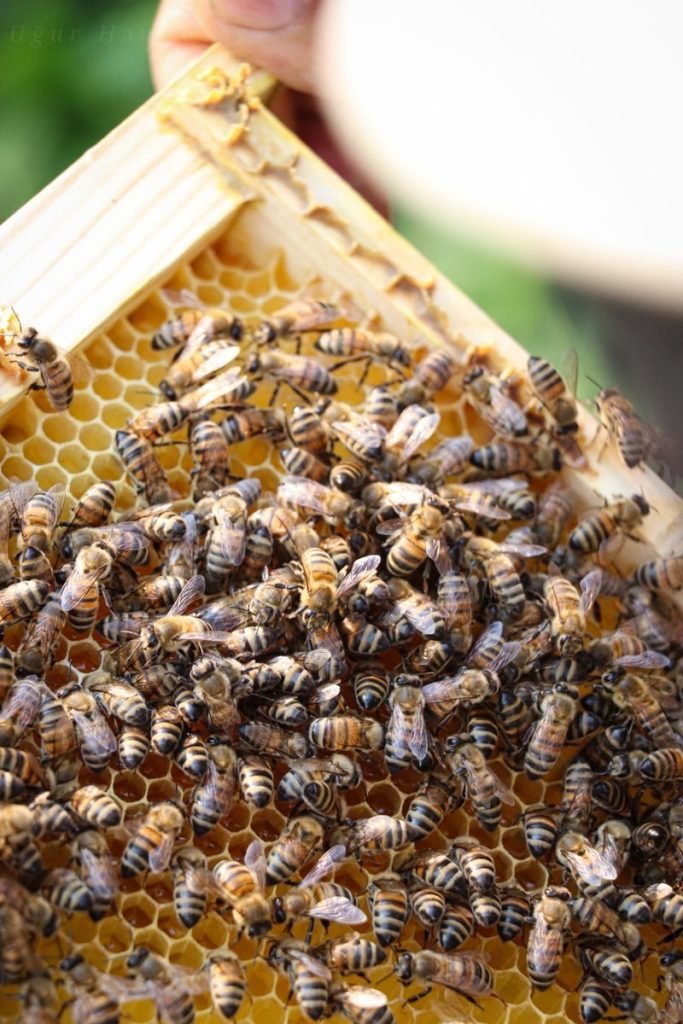
Workers do more than stand aside. They may chase, bite, restrain, vibrate, or protect particular queens. Research indicates that worker behaviour strongly influences which queen survives, especially when the colony is preparing additional swarms instead of immediately selecting one ruler.
Afterswarms Delay the Fight
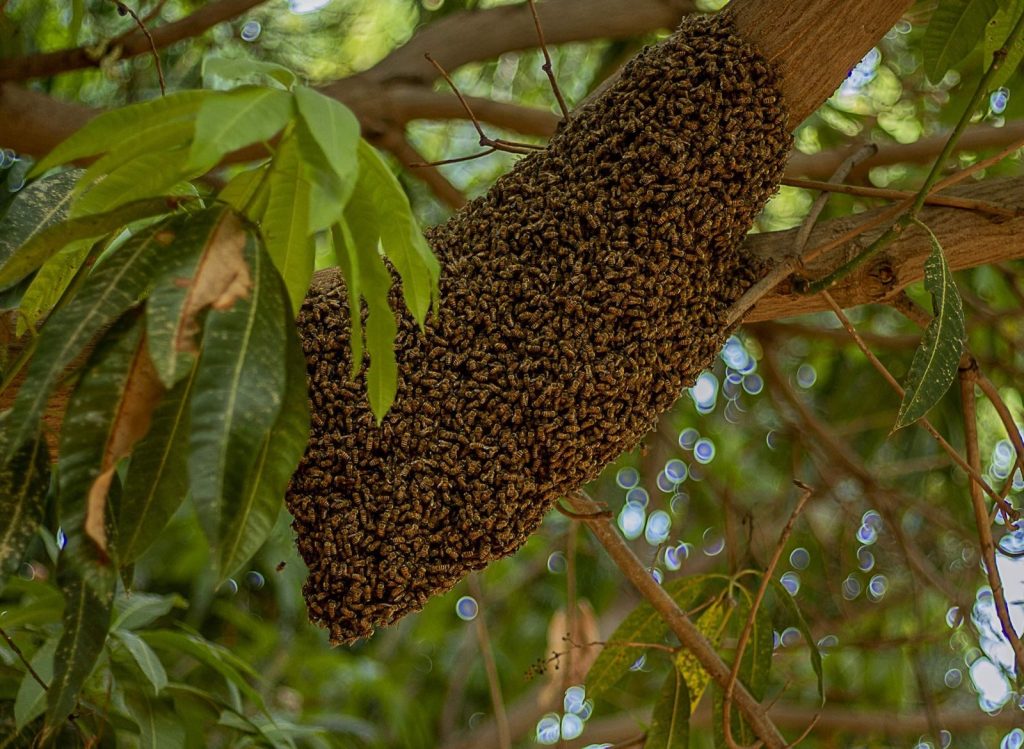
Some colonies allow several virgin queens to survive temporarily. One queen may leave with thousands of workers in a secondary swarm called an afterswarm, followed by further departures. Under these conditions, queen replacement can take several days rather than ending within 24 to 48 hours.
One Queen Takes Control
The surviving virgin queen remains in the hive for several days while her reproductive organs mature. She then takes one or more mating flights and returns to begin laying eggs. Her pheromones help organise worker behaviour and normally prevent the colony from raising another queen while she remains healthy.
Featured Image: Photo by Alexas Fotos on Pexels